
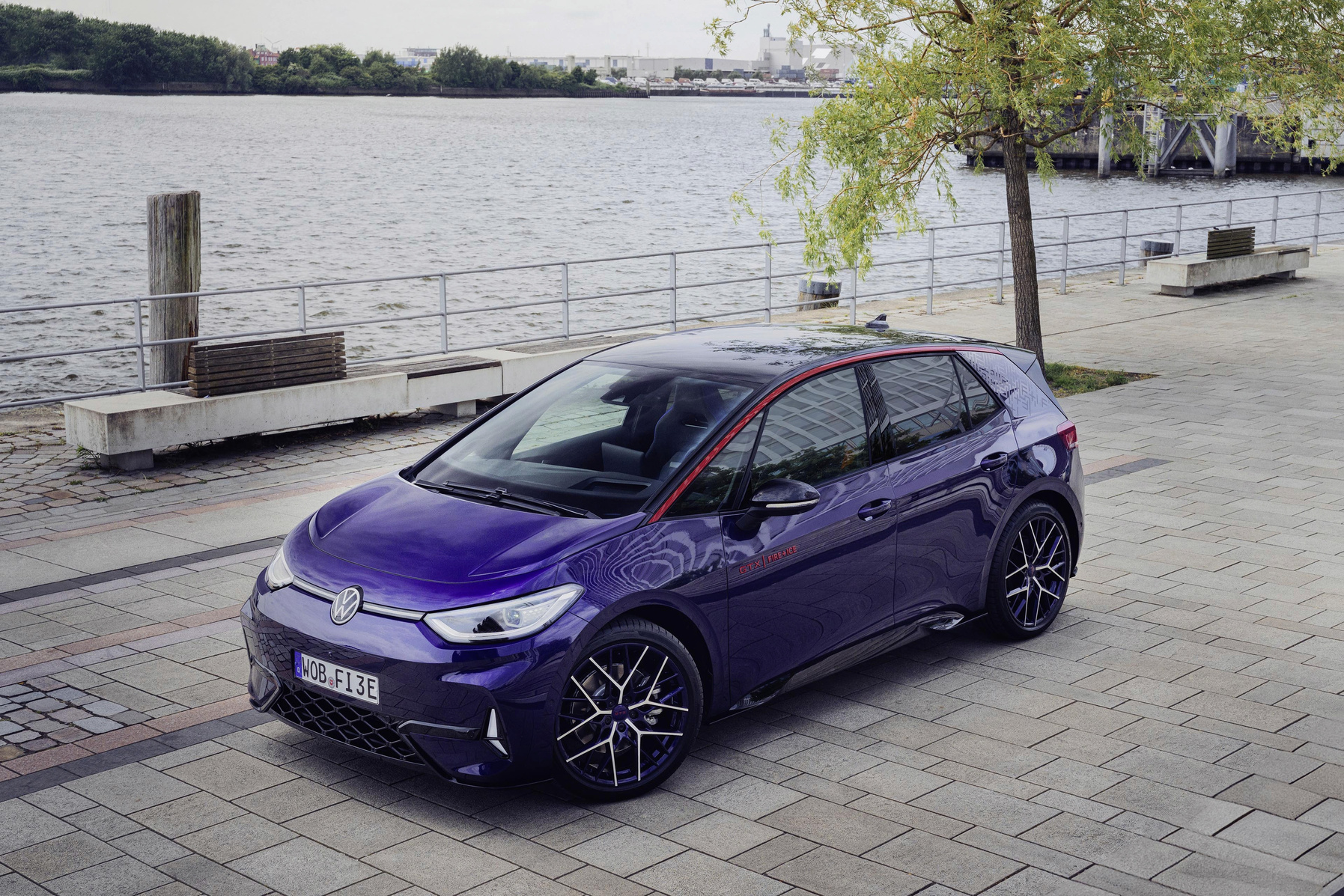
The 12V battery in the Volkswagen ID.3 wears out noticeably faster than you would expect. While the high-voltage battery packs perform reliably, it is the small 12V battery that causes unexpected starting problems and electrical faults. This is a known issue with several ID.3 models and requires regular checks. Discover which symptoms you need to recognise and how to avoid breaking down at the roadside.
Why does the 12V battery fail sooner than expected?
The 12V battery in electric vehicles has a tougher life than in traditional cars. In the ID.3, this battery supports all electronic systems, even when the car is switched off. Unlike petrol cars, the 12V battery is not charged while driving by an alternator, but via the car’s internal charging system. This makes the battery more susceptible to premature degradation.
Many owners only notice problems with the Volkswagen ID.3 when the car no longer responds. The high-voltage battery works perfectly, but without a working 12V battery you are going nowhere. This battery controls the communication between all systems and activates the electronics needed to put the car into READY mode.
‘ These symptoms can gradually get worse. ’
Recognisable symptoms of a weak 12V battery
A weakened 12V battery often announces itself with subtle signs. Watch out for the following warning signs:
- The car responds slowly or not at all when unlocking
- The dashboard shows strange error messages without any clear cause
- The infotainment system starts up slowly or does not work properly
- Electric windows or doors respond more slowly than usual
- The car refuses to go into READY mode
These symptoms can gradually get worse. In cold temperatures, the problems often increase. This is because the capacity of the battery at 0°C is significantly lower than at normal temperatures.


Service life of the 12V battery in the ID.3
Under normal circumstances, a 12V battery lasts three to five years. With the ID.3, however, owners regularly report problems after two to three years. In some cases, the battery already causes trouble within the first two years.
Several factors influence the service life. Short trips, long periods of inactivity and extreme temperatures accelerate wear. Cars that are driven little or often only over short distances are particularly prone to a weakened battery. In that case, the battery does not get enough time to fully recharge via the internal system.
Checking the 12V battery yourself
You can easily check the health of your 12V battery yourself. You will need a multimeter for this. Follow these steps:
- Park the car safely and apply the handbrake
- Switch off all systems and wait ten minutes
- Set the multimeter to direct current, 20V range
- Connect the red clamp to the positive terminal and the black clamp to the negative terminal
- Write down the voltage
A healthy battery shows between 12.4 and 12.8 volts. Measuring below 12.4 volts? Then the battery needs charging soon. If the voltage is below 12 volts, go to a workshop for a thorough test.
Then start the car and increase the engine speed to 2000 rpm. The voltage should then be between 13.2 and 15 volts. If the voltage remains outside this range, there may be a problem with the charging system.
‘ An incorrect connection can cause damage to the electronics. ’
Costs of replacing the 12V battery
The cost of a new 12V battery varies. Taking into account the specific requirements of the ID.3, you pay on average between 150 and 300 euros for the battery itself. Having the battery replaced at a dealer or specialist workshop? Then add another 50 to 100 euros for labour.
Some owners choose to replace the battery themselves. This is technically possible, but does require some knowledge. Make sure you choose the correct specifications and follow the instructions in the manual carefully. An incorrect connection can cause damage to the electronics.
Warranty on the ID.3 battery
Volkswagen offers an eight-year or 160,000-kilometre warranty on the high-voltage battery of the ID.3. This warranty covers loss of battery capacity to below 70 per cent.
The 12V battery, however, falls under the standard vehicle warranty of two years. After this period, you will have to pay the costs yourself. Some dealers show goodwill in cases of very early defects, but this is not guaranteed. Always keep your maintenance history and document any problems.
Preventive maintenance prevents problems
Regular checks help to prevent major problems. Measure the voltage of your 12V battery every six months. Do you use the car infrequently? Then charge the battery at least every two months with a suitable charger.
Parking the car for a longer period of time? Then connect a maintenance charger to keep the battery topped up. This prevents deep discharging, which significantly shortens the service life. Regularly clean the battery terminals and check for corrosion. Dirt and oxidation disrupt the electrical connection and can lead to faults.
‘ In freezing conditions the battery capacity drops noticeably, so a battery that was fine in summer can suddenly cause problems. ’
What to watch out for in wintry conditions?
Cold weather puts extra demands on the 12V battery. In freezing conditions the battery capacity drops noticeably, so a battery that was fine in summer can suddenly cause problems. Test the battery preventively before the winter season starts.
Do you mainly drive short distances in winter? Then regularly top up the battery with an external charger. Short journeys do not give the charging system enough time to fully charge the battery, which will eventually lead to problems.


When should you go to a workshop?
Visit a workshop if you consistently measure low voltages or continue to experience starting problems after charging. Professional help is also needed if there is visible leakage, cracks or severe corrosion.
A workshop has advanced testing equipment that measures more than just voltage. These tools also check conductivity, internal resistance and cold-cranking capacity. This provides a more reliable picture of the battery’s actual condition. Such tests only take a few minutes and can save you a lot of trouble.
Want to know more about driving electric?
On the Carnews website you will find extensive information about electric cars, common problems and practical maintenance tips. Discover more about the ID.3 and other electric models, and stay up to date with the latest developments in the world of electric driving.
Frequently asked questions
Signs of an emerging 12V battery problem include a starter motor that turns over slowly or occasionally refuses to crank, and noticeably weaker or flickering lights (especially the headlights). In addition, you may see unexplained warning lights on the dashboard, and electrical functions such as windows, central locking and infotainment respond slowly or irregularly. The radio or clock settings resetting by themselves can also indicate voltage drops or a weak battery. When several electronic systems show odd behaviour at the same time, this can point not only to a bad battery but also to a broader electrical fault, such as problems with the alternator or voltage regulator.
Modifications and tuning can place a heavier load on the electrical system, for example by adding extra consumers such as powerful audio systems, lighting or other accessories. If the alternator or charging strategy is not adapted to this, the battery can become structurally under- or overcharged. This speeds up ageing, increases the risk of starting problems and can significantly shorten the service life of the 12V battery. Professional installation with correct cabling, fuses and, if necessary, a higher-capacity battery or alternator limits these risks.
The most common causes of persistent electrical faults are a weakened or defective 12V battery, poor earth or positive connections (corrosion, loose clamps) and charging problems caused by the alternator or voltage regulator. Always start the diagnosis with a resting-voltage measurement of the battery, followed by a measurement with the engine running to check the charging voltage. Then inspect all visible cables, earth connections and terminals for corrosion, damage and play, and remedy these first. If the faults persist, have a professional testing device measure the conductivity, internal resistance and starting capacity of the battery and, if necessary, the charging system.
Keep the battery as fully charged as possible and do not allow the voltage to remain below about 12.4V for long, especially before winter. With seasonal use, disconnect the battery or use a smart trickle charger during longer periods of inactivity to prevent deep discharge. Check the voltage every few months and, if in doubt, have the internal health (conductivity/resistance) checked with professional test equipment. Ensure clean, corrosion-free terminals and solid connections so the battery can charge and discharge efficiently.
Always call in a professional if power fails repeatedly, if you notice sparking, a burning smell, melting fuses, warm sockets, visible cable damage, or if circuits keep tripping. You should also have major changes to the electrical installation (new circuits, cooker circuit, charge point, extension with outdoor or bathroom installations) carried out by a qualified technician. You can visually check fuses and sockets yourself, disconnect devices one by one to test whether a fault lies in an appliance, and carry out simple tasks such as resetting a circuit or replacing a plug, provided you work safely and switch off the power. If you are in any doubt or the wiring is unfamiliar, never attempt repairs yourself, but go straight to a certified electrician.