Car problems with Dacia: common issues per model and how to prevent them
Dacia models such as the Logan, Sandero and Duster are known for their sharp pricing and simple engineering, but they do regularly suffer from specific problems. The diesel engines in particular struggle with DPF blockages, rust affects the older models and the electronics can be troublesome. With targeted checks and a smart maintenance schedule you can avoid nasty surprises and keep your Dacia in good condition for years. Below you can read which weak points crop up per model and how to deal with them smartly.
Dacia and reliability: strengths and weak spots
In recent years Dacia has developed into a popular car brand for people looking for affordable transport without unnecessary frills. The simple construction and robust technology make maintenance relatively straightforward. Even so, there are typical points of attention that owners and prospective buyers should take into account.
The most frequently reported problems fall into four main categories. These categories are: engine and exhaust, electronics, rust and suspension, and interior quality. Diesel models with the 1.5 dCi engine regularly show DPF complaints, especially with lots of short trips. Electrical faults range from flashing dashboards to frozen infotainment. Rust formation mainly affects models built before 2016 due to thin paint layers. The suspension wears faster than with more expensive brands. Interior plastics are prone to breaking and wear.
This guide helps you to recognise the typical weak points for each model. You will also read how to prevent these problems and, where necessary, tackle them in good time. Whether you are considering a used car or have been driving a Dacia for years: with the right checks you can limit surprises and costs.
‘ The suspension wears faster than with more expensive brands. ’
General common problems with Dacia models
Engine problems and exhaust system
The 1.5 dCi diesel engine is found in many Dacia models and regularly shows DPF blockages. This particulate filter clogs up with lots of short journeys where the exhaust does not get hot enough. You notice this through warning lights, reduced power and sometimes a plume of smoke when accelerating.
In addition, owners report excessive oil consumption, especially with older examples with higher mileage. Turbo failures and defective catalytic converters also occur. For models from 2014 there have been reports of fuel system problems in which a faulty fuel pump spreads metal particles (small fragments of metal) through the system. This can damage other parts in the fuel system.
Useful tips to limit engine problems:
- Make regular motorway journeys of at least 20 minutes to burn the DPF clean
- For used cars, check whether the DPF warning light comes on during a cold start
- Change the oil on time according to the maintenance schedule to prevent turbo and pump failures
- For used cars from 2014, test the fuel gauge and watch for juddering when accelerating
DPF cleaning costs between 200 and 600 euros, depending on the severity. A new turbo quickly comes in between 800 and 1500 euros including labour.
Electronics and infotainment
Electrical faults are very common in Dacia models. Flashing dashboards, defective electric windows, central locking that does not respond and frozen infotainment systems are regularly reported. Faults in the engine management computer (ECU) and sensor problems in emission systems often require a visit to the dealer, with the associated diagnostic costs.
Many of these faults are caused by poor wiring or corrosion on connectors. In models built before 2018 the infotainment systems are often outdated and slow. On top of that, these systems offer limited smartphone integration.
Practical checks:
- Always start the car from cold during a test drive and systematically test all electrical functions
- Before you buy, check all windows, lights, central locking and infotainment
- For used cars, ask whether software updates have been carried out
- Watch out for warning lights that keep coming back without any clear reason
Software updates at the dealer cost on average 50 to 150 euros. Repairs to wiring or ECUs can quickly amount to 300 euros or more.
Transmission and clutch
Manual Dacias regularly show stiff gearchange behaviour, especially when starting from cold. This is due to worn clutch components, old gearbox oil or worn gear cables. On high-mileage diesel models, clutch problems are relatively normal.
Automatic gearboxes sometimes shift jerkily or even seize up completely. This occurs mainly with the Logan MCV with automatic transmission.
What you can do:
- During a test drive, try all gears, including reverse
- Watch out for juddering, hesitation or grinding when changing gear
- Replace clutch oil preventively around 100,000 kilometres
- Do not keep driving with a slipping clutch to prevent further damage
Replacing gear cables costs around 180 euros. A complete clutch kit including fitting is between 600 and 1000 euros.
Rust and suspension
Rust formation is common in Dacia models built before 2016. Because of thin paint layers, corrosion appears early, especially on the chassis, doors, sills and wheel arches. Models after 2016 have an improved paint layer with a 7-year rust warranty.
The suspension wears faster than with more expensive brands. Shock absorbers, bushes and rubbers age relatively quickly. This leads to irregular handling and more noises. This is particularly common when used on poor roads or with heavy loads.
How to limit rust and suspension wear:
- Regularly inspect the underside and seams for rust formation
- Treat the underside with wax or anti-rust coating for extra protection
- Replace shock absorbers in case of irregular handling or clear signs of wear
- Check rubbers and bushes annually and replace them in good time
Rust treatment costs between 150 and 500 euros, depending on the extent. New shock absorbers are between 200 and 400 euros per pair including fitting.
Interior quality
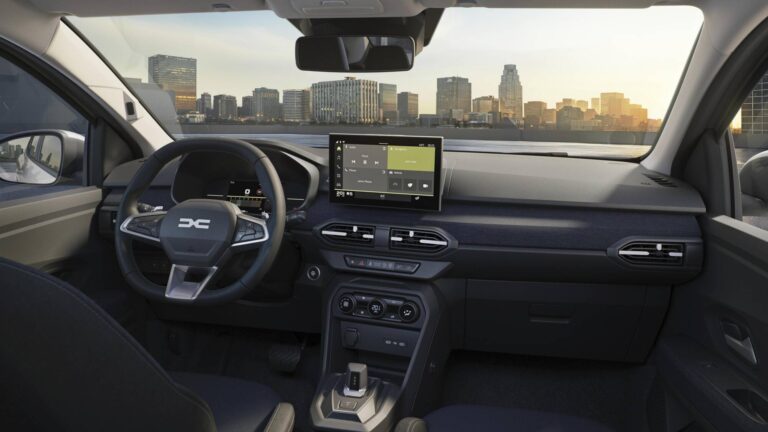
Dacia uses hard plastics and simple materials in the interior. As a result, clips crack, trim comes loose and the upholstery wears faster. Headrest clips often break, door panels can come loose and buttons can stop working.
Prevention is better than cure:
- Treat the interior carefully and avoid pulling hard on clips and panels
- For used cars, check whether all clips, buttons and trim pieces are intact
- Replace broken clips in good time to prevent further damage
- Protect the upholstery with covers if the car is used intensively
Loose clips and small trim pieces often cost only a few euros, but costs can mount up if large panels need to be replaced.
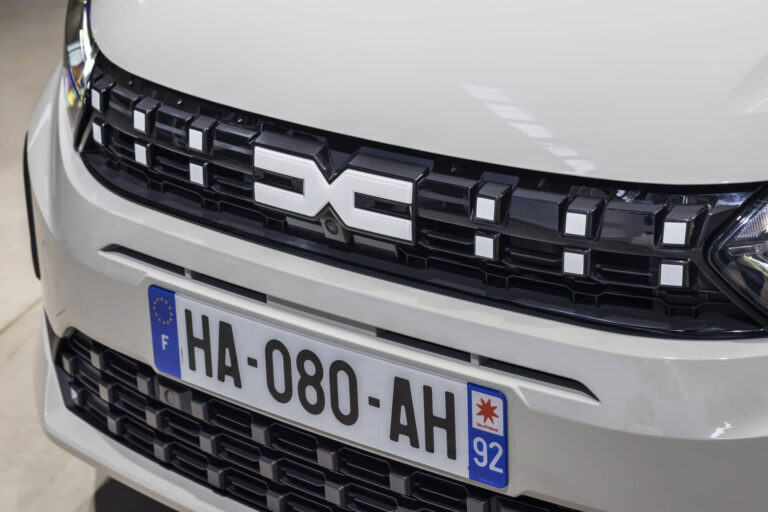
Dacia Logan: typical problems and points of attention
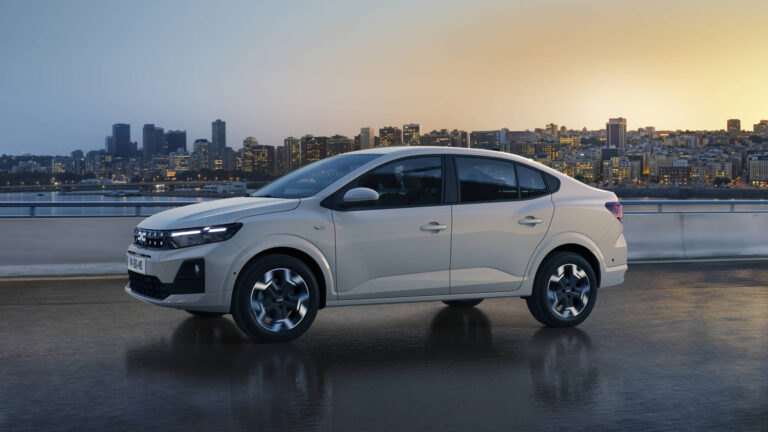
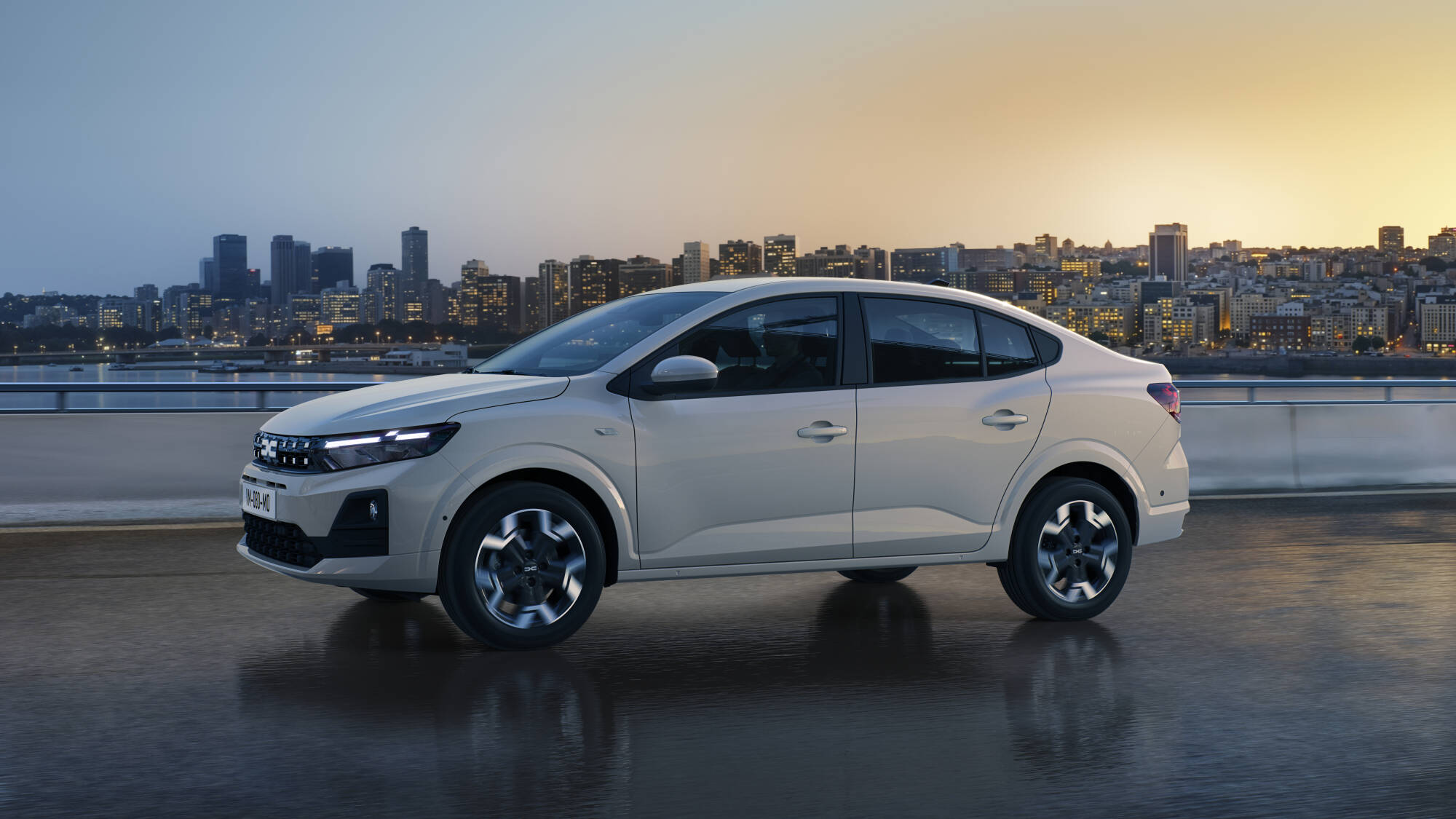
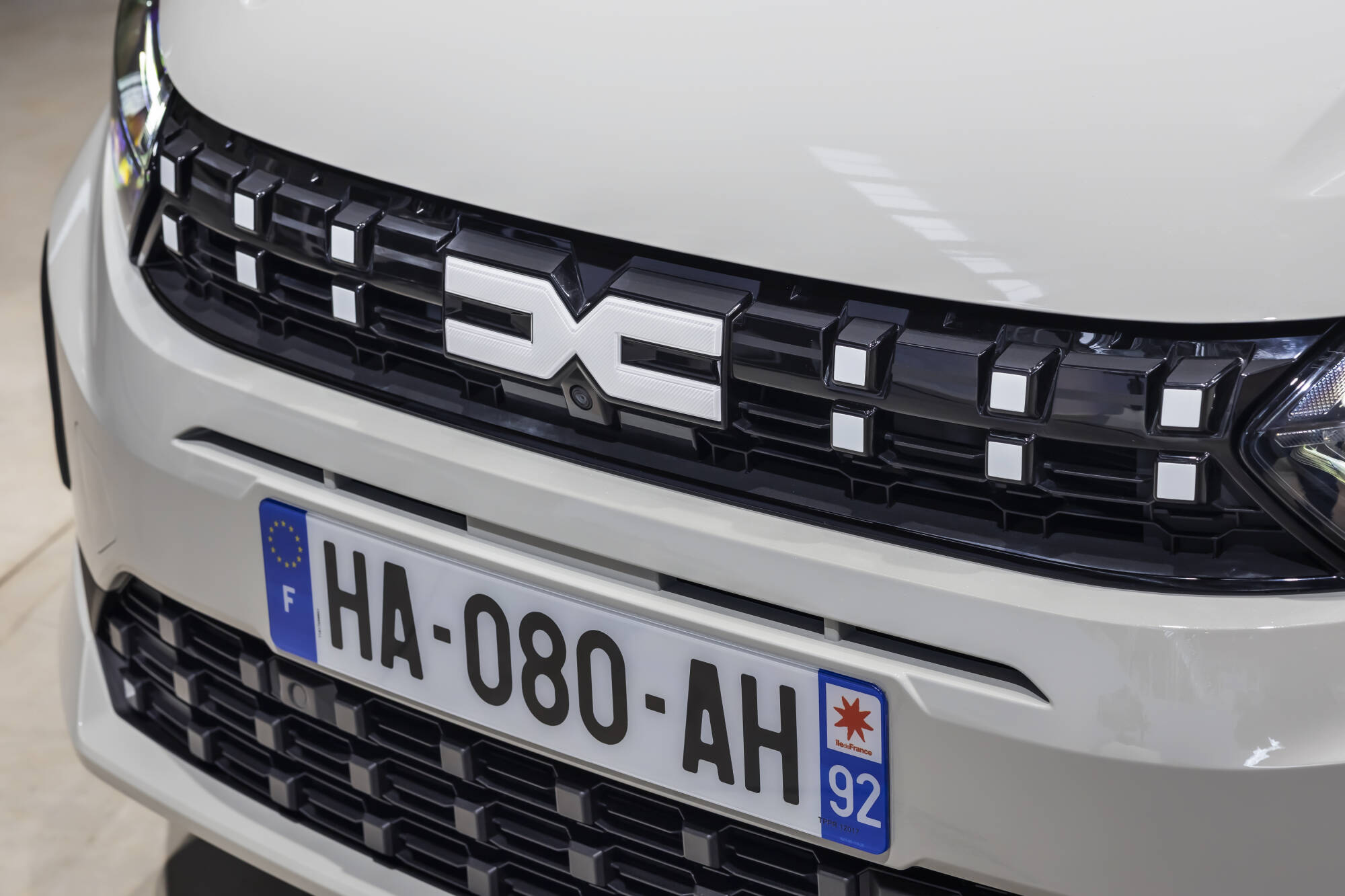
The Logan saloon is Dacia's entry-level model and is characterised by its simplicity and large boot. Many owners appreciate the low maintenance costs, but do report specific points of attention.
Cold-start problems
Many Logan owners report difficult starting in cold weather. This is usually due to a weakened battery or problems in the fuel system. Check whether the battery still has sufficient capacity and whether the fuel pump is working properly.
For models from 2014 there have been reports of fuel system defects in which metal particles spread through the system. Always test the fuel gauge and watch out for jerky acceleration.
Manual gearbox and clutch
At high mileage, the manual gearbox starts to shift stiffly. The clutch slips or grinds, especially on diesel models. This is part of normal wear, but can be accelerated by city use and aggressive shifting.
Replace the clutch in good time to prevent damage to the gearbox. Costs are between 600 and 900 euros including fitting.
Electrical faults
Flashing warning lights without any obvious cause are common. The central locking, windows and lighting can also fail. This is often due to corrosion on connectors or poor earth connections.
Practical buying tips for used cars:
- Start the engine from cold and let it idle for at least five minutes
- Systematically test all electrical functions
- Check under the bonnet for oil leaks and corrosion on the battery
- Take a test drive with a cold engine and pay attention to gearchange behaviour and starting performance
Read more: Dacia Logan
Dacia Logan MCV: space miracle with its own vulnerabilities
The Logan MCV is the estate version and offers a lot of load space for a sharp price. Because of the longer wheelbase and the extra load on the suspension, there are specific points of attention.
Extra load on the suspension
Due to the greater payload and the longer wheelbase, shock absorbers, bushes and rubbers wear faster. Many MCV owners use the car for heavy transport, which accelerates wear. The handbrake can also become badly adjusted because of the extra load.
Have the suspension checked annually and replace shock absorbers at the first signs of wear. Noises over bumps or a change in handling are warning signs.
Air conditioning and automatic gearbox faults
On MCV versions with automatic transmission there are reports of jerky shifting and sometimes complete failure of the automatic gearbox. Air conditioning problems are also relatively common, especially on high-mileage models.
Make sure the automatic transmission is checked regularly and change the ATF fluid according to the maintenance schedule. Air conditioning maintenance prevents expensive repairs to the compressor.
Rust-prone areas
The tailgate, sills and chassis are particularly prone to rust on the MCV. Because of the larger dimensions and sometimes heavier loads, small cracks appear in the paint more quickly, allowing moisture to penetrate.
Advice for MCV drivers:
- Check the underside and sills for rust formation every six months
- Treat the chassis with protective wax
- Regularly rinse away salt and dirt, especially in winter
- Check the tailgate for peeling or flaking paint
Read more: Dacia Logan MCV
‘ Sandero models from 2013 to 2016 suffer from rust formation due to thin paint layers. ’
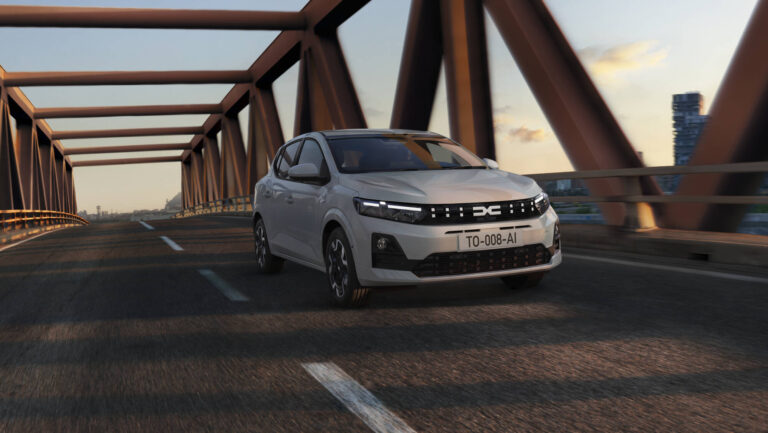
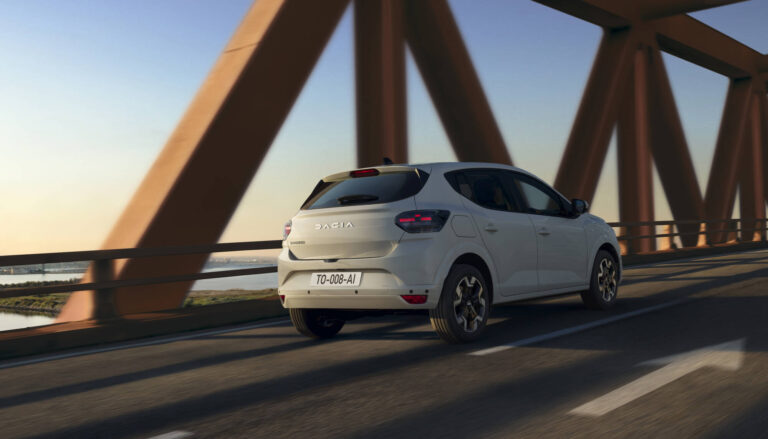
Dacia Sandero: city car with rust and electronics issues
The Sandero is the compact hatchback and popular as a city car. Due to intensive use in town and specific production periods there are a number of points of attention.
Rust problems in specific model years
Sandero models from 2013 to 2016 suffer from rust formation due to thin paint layers. Wheel arches, sills and door panels are particularly vulnerable. After 2016 the paint layers were improved and rust is less common.
When buying a used car from this period, always check thoroughly for rust. Preferably have an inspection carried out on a lift at a garage to assess the underside. The car is lifted up so that the mechanic can properly inspect the underside for rust and other damage.
Electronics and infotainment
Frozen infotainment systems and poor smartphone integration are common on models built before 2018. Wiring can be poor and connectors can corrode, leading to faults in lighting, windows and central locking.
Models built after 2018 have improved software and better integration. When buying a used car, always ask whether software updates have been carried out.
Suspension and brake wear in city use
Short trips, speed bumps and lots of stop-start traffic speed up wear on the suspension and brakes. Shock absorbers and bushes deteriorate more quickly, and brake discs and pads wear faster.
What to look out for when buying:
- Check the paint thoroughly for rust, especially around wheel arches and sills
- Test all dashboard functions and electronics from a cold start
- Take a test drive in town and listen for noises over bumps and speed humps
- Check the condition of the brakes and shock absorbers
Read more: Dacia Sandero
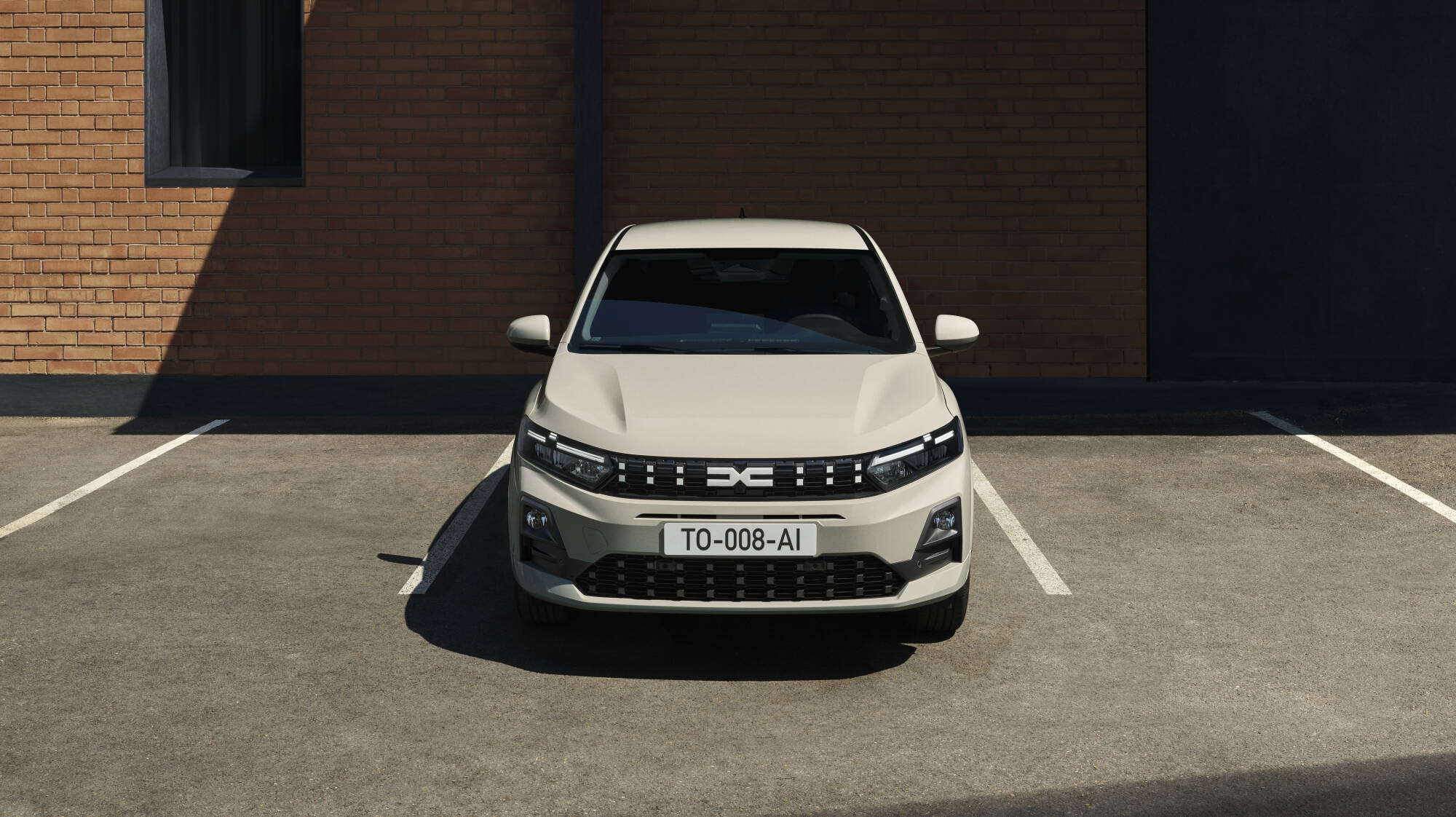
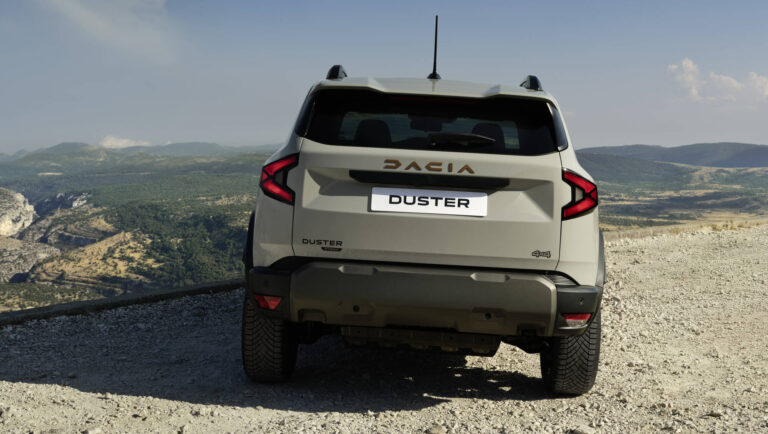
Dacia Duster: SUV with rust and suspension as weak points
The Duster is Dacia's popular compact SUV. The model is known for its value for money. Because it is used on poorer roads and older model years, there are specific problems.
Rust formation on bodywork and chassis
Duster models built before 2016 are prone to rust formation on the bodywork and chassis. Because of off-road use and country roads, more dirt, salt and moisture get onto the chassis, which speeds up rust formation.
Regularly inspect the underside and have rust spots treated immediately. Preventive treatment with anti-rust coating (a protective layer applied over vulnerable components) or wax is definitely worthwhile on the Duster.
Faster suspension wear
Because of use on poor roads and light off-road routes, shock absorbers and suspension components wear faster. This leads to irregular handling and more noises over bumps. Rubbers and bushes are also more prone to wear.
Replace shock absorbers at the first signs of wear and have the bushes checked annually. The costs are limited compared with damage to other components.
Engine problems on diesel models
The 1.5 dCi diesel engine is common in the Duster and shows the same problems as in other Dacia models: DPF blockages, turbo failures and excessive oil consumption. With lots of short trips or off-road use, these problems get worse.
Regularly make longer motorway journeys to burn the DPF clean. Check the oil level regularly and change the oil on time.
Tips for use on poor roads:
- Drive carefully over bumps and potholes to protect the shock absorbers
- Rinse the suspension clean regularly after off-road use
- Have the suspension checked by a garage every six months
- The Duster performs well on light unpaved roads, but is not suitable for heavy off-road driving
Read more: Dacia Duster
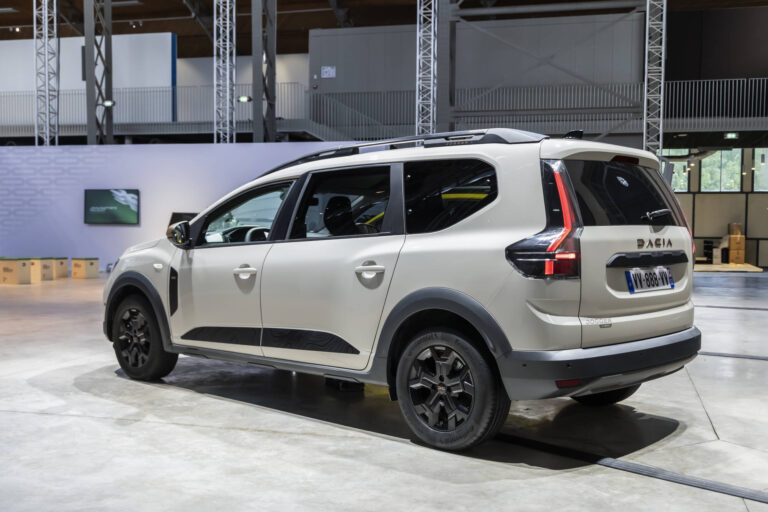
Dacia Jogger: young models, early teething problems
The Jogger is Dacia's latest family model and combines space with affordability. Because it was only recently introduced, there are still few known long-term problems, but the first reports show typical early teething troubles.
Known problems so far
Owners report software bugs in the infotainment, flashing warning lights without cause and finish problems with interior panels. These problems are similar to issues in other new Dacia models and can often be resolved with software updates.
There are also faults with sensors and error codes in the engine management computer. Dealers often fix these under warranty.
Expectations regarding engine and emission systems
The Jogger uses engines that are also used in other Dacia models. Based on experiences with the Logan, Sandero and Duster, you can expect similar problems. These include DPF blockages on diesel models, electrical faults and transmission issues at high mileage.
Stick closely to the maintenance schedule and regularly make longer trips to keep the emission systems clean.
Importance of software updates and dealer servicing
With new models it is sensible to visit the dealer regularly. Software updates resolve many teething problems and prevent larger issues. Make sure everything is documented while the car is still under warranty.
What buyers should be especially alert to now:
- Have software updates carried out in good time
- Document all faults and dealer visits for warranty claims
- Check whether there are any recalls for your model year
- Regularly test electronics and infotainment for updates
Read more: Dacia Jogger
‘ The battery is the most expensive component of the Spring. ’
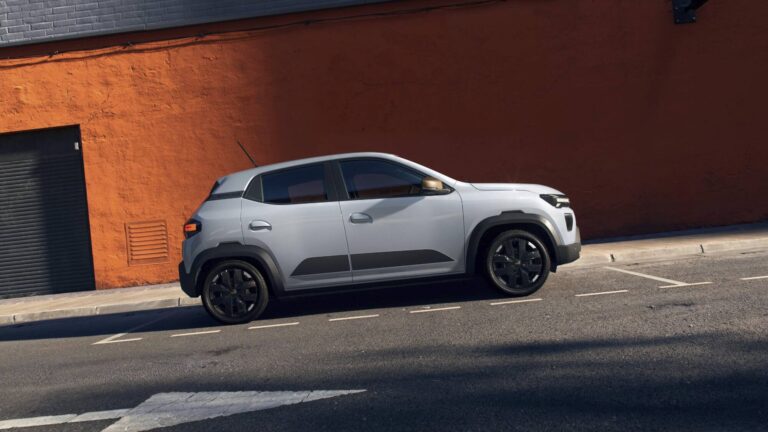
Dacia Spring: electric teething problems and battery care
The Spring is Dacia's first fully electric model. The car is aimed at budget-conscious city users. As an EV it has specific points of attention.
Typical EV problems
Charging faults are regularly reported, especially with rapid charging. Software bugs in the charging system and error codes without any clear cause are also mentioned. In practice, range can fall well short of the official figures. This is especially the case in winter.
Before buying, always test the charging system, both at home and at rapid chargers. Check whether software updates have been carried out.
Finish and interior issues
As with other Dacia models, the interior quality is basic. Plastics creak, clips break and trim can come loose. This is not a problem unique to the Spring, but it is something to bear in mind.
Battery care
The battery is the most expensive component of the Spring. By charging and driving smartly you can keep the battery in good condition for longer:
- Do not always charge to 100 percent; charge to 80 percent for daily use
- Avoid running the battery completely flat
- Avoid parking for long periods in extreme cold or heat
- Only use rapid chargers when necessary
What to look out for during a test drive and charging test:
- Test both home charging and rapid charging
- Check the real range during a longer test drive
- Watch out for error codes or warnings related to the charging system
- Test all electronics, as EVs have more software and sensors
Read more: Dacia Spring
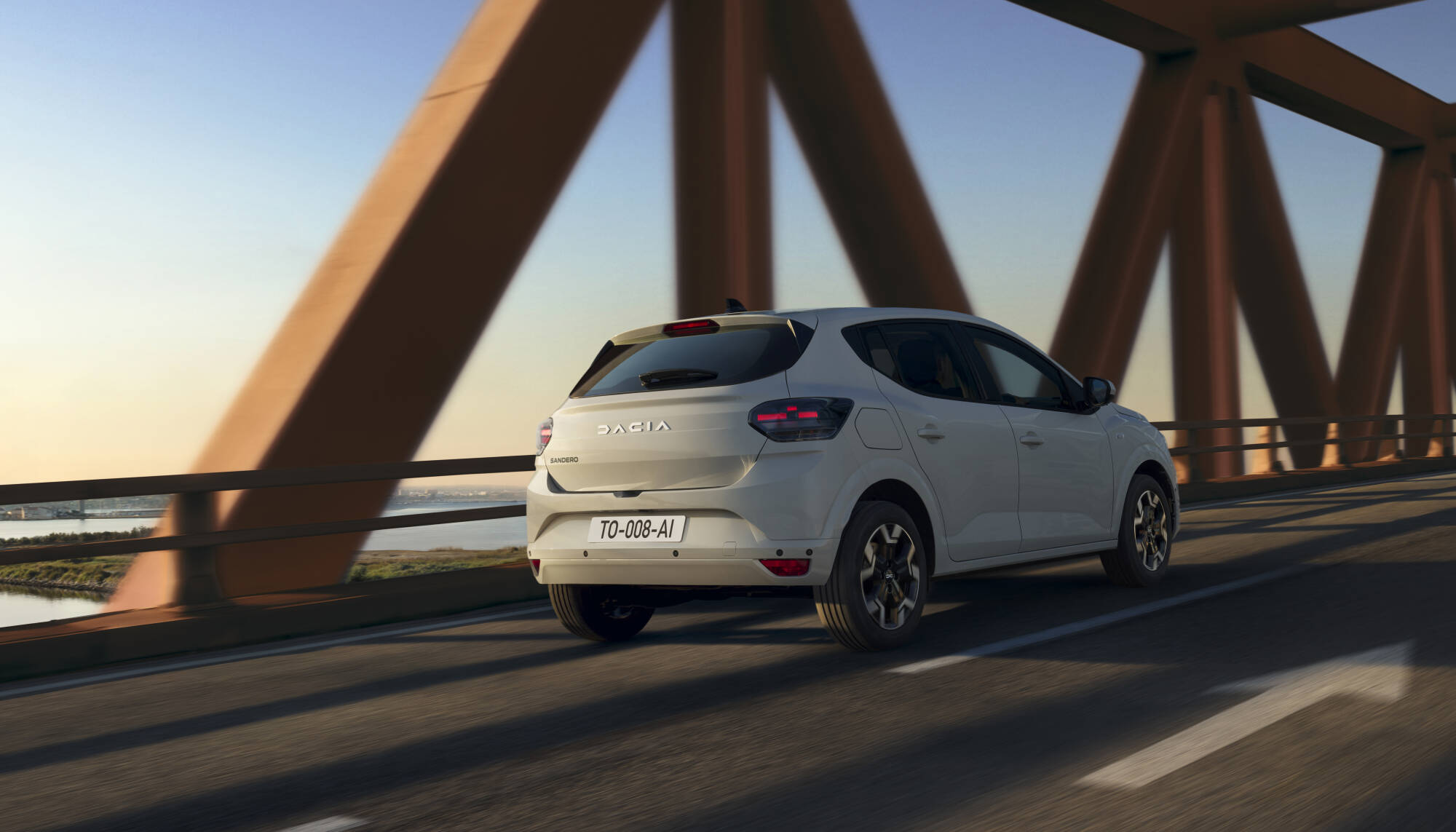
Checklist: how to assess a used Dacia
Visual inspection
Start with a thorough visual inspection:
- Check the paintwork for rust, especially around wheel arches, sills, doors and tailgate
- Inspect the interior for broken clips, worn upholstery and loose panels
- Look under the bonnet for oil leaks, corrosion on the battery and the condition of hoses
- Ideally inspect the underside on a lift or at a garage for rust and oil leaks
Test drive checks
Always take a test drive with a cold engine:
- Pay attention to starting behaviour and any cold-start problems
- Test the clutch and gearchange behaviour in all gears, including reverse
- Brake firmly and watch for vibrations or noises
- Drive over bumps and listen for suspension noises such as creaking or knocking
Electronics and infotainment
Systematically test all electrical functions:
- Start the car and check that warning lights go out
- Test all windows, central locking, mirrors and lighting
- Check the infotainment system for updates and proper operation
- Connect your smartphone to test connectivity
Specific checks per model
- Logan: watch out for cold-start problems and fuel gauge issues
- Logan MCV: check the suspension and handbrake especially thoroughly
- Sandero: inspect the paintwork for rust on pre-2016 models
- Duster: check the chassis and suspension for rust and off-road damage
- Jogger: check whether software updates have been carried out
- Spring: test the charging system and check the real range
Maintenance and driving tips to prevent Dacia problems
Maintenance schedules and oil changes
Stick strictly to Dacia's maintenance schedule. Change oil and filters on time to prevent engine problems. With diesel models this is especially important to limit turbo and DPF problems.
Avoid driving only short distances with a diesel engine. Regularly make motorway journeys of at least 20 minutes to burn the DPF clean and bring the engine up to temperature.
Suspension and rust checks
Inspect the suspension annually or every six months for rust formation. Ideally have a treatment with wax or anti-rust coating carried out, especially on models built before 2016.
Regularly rinse away salt and dirt, especially in winter. This significantly reduces rust formation.
Interior and electronics
Treat the interior with care. Do not pull on clips and panels and repair loose parts in good time. Have software updates carried out at the dealer to limit electrical faults.
Regularly test all electrical functions and have any problems investigated immediately.
Estimated costs of common repairs
- DPF cleaning: 200 to 600 euros
- New turbo: 800 to 1500 euros
- Clutch kit including fitting: 600 to 1000 euros
- Shock absorbers per pair including fitting: 200 to 400 euros
- Software update at dealer: 50 to 150 euros
- Gear cables: around 180 euros
- Rust treatment: 150 to 500 euros
With proactive maintenance and timely repairs, costs remain manageable.
‘ A Dacia is a smart choice for anyone who needs a car for daily use, without large loans or lease payments. ’
Is a Dacia still a smart choice?
Dacia remains an attractive option for anyone looking for an affordable, practical car without unnecessary luxury. The low purchase costs and simple technology make the brand accessible to many drivers.
The known weak points do not have to be a problem if you are aware of them and act in good time. DPF problems can be addressed by regular longer journeys. Rust can be prevented with periodic inspections and treatment. Electrical faults can be limited with software updates and careful use.
A Dacia is a smart choice for anyone who needs a car for daily use, without large loans or lease payments. Young families, first-time buyers and practical drivers will find a reliable base in the Logan, Sandero, Duster, Jogger or Spring. Older models need more attention, but remain repairable at manageable cost.
Stick to the maintenance schedule, regularly check for rust and wear, and document all maintenance. That way you can keep your Dacia on the road without problems for years.
At Carnews you will find extensive information and tips to maintain your Dacia in the best possible way. Whether you are considering a used car or have been driving the same model for years: with the right knowledge you can avoid surprises and enjoy affordable mobility for longer.