
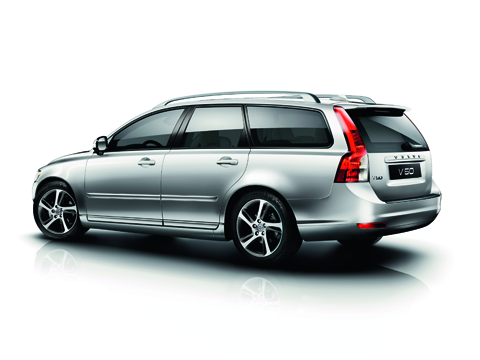
A faulty air conditioning or climate control system in the Volvo V50 is often caused by a failing compressor, refrigerant leaks, a broken condenser or faults in the ECC system due to wear and cable breakage. These problems mean your air conditioning no longer blows cold air or that the temperature control becomes unpredictable. Recognise these symptoms? Here you can find out which causes are most common and what you can do about them.
The Volvo V50 is a popular estate car, but owners regularly report problems with the cooling. Sometimes the air conditioning only blows lukewarm air, or the climate control no longer regulates as it should. Most complaints can be traced back to a few specific components in the air conditioning system.
These problems can be annoying, especially on hot summer days. Fortunately, most of the causes are known and there are clear options for getting your climate system working properly again. In this article you will learn about the main faults, how to recognise them and what a repair costs.
Why doesn’t the air conditioning in your Volvo V50 blow cold air?
If the air conditioning in your V50 no longer cools, there can be several causes. The system still produces airflow, but the temperature remains far too high. This problem often arises due to a fault in the cooling circuit or because of electrical defects.
The most common causes are:
- Refrigerant leak: the refrigerant escapes through damaged pipes, hoses or connections
- Defective compressor: the compressor does not switch on or no longer works properly
- Broken condenser: the condenser is damaged by stone chips or corrosion
- Fault in the ECC system: sensors or electrical connections no longer work properly
- Defective cable or plug connections: especially in older V50s, cables can break or plugs can corrode
With refrigerant loss the compressor often still runs, but the cooling performance is far below par. A leak in the system causes the pressure to become too low, so the air conditioning can no longer work effectively. This is the most commonly reported cause among V50 owners who experience cooling problems.
Compressor problems and how to recognise them
The compressor is the heart of the air conditioning system. This component pumps the refrigerant through the system and provides the cooling. If the compressor fails, cooling stops completely or only works for a short time.
You can recognise a compressor problem by the following symptoms:
- The air conditioning cools for a few minutes and then cuts out
- You hear a clicking sound when you switch on the air conditioning, but nothing happens
- The compressor no longer switches on at all
- The air conditioning only works at certain engine speeds or road speeds
A defective compressor can result from normal wear, especially in V50s that are more than ten years old. Not using the air conditioning for long periods also increases the risk of problems. The refrigerant also lubricates the internal parts of the compressor.
Testing the compressor in your Volvo V50
Want to check whether the compressor is working? Start the engine and set the air conditioning to the coldest setting. Open the bonnet and see if the compressor switches on. You’ll see the clutch on the compressor start to turn and you’ll hear a distinct click.
Also pay attention to the condenser fan. This should start running as soon as the air conditioning is active. If this does not happen, the problem may also lie with the fan or its control. A specialist can use diagnostic equipment to check whether the compressor is being controlled correctly and whether the pressure values in the system are within specification.
Tracing and fixing refrigerant leaks
Loss of refrigerant is a very common cause of poor cooling. The V50’s system is prone to leaks, especially in older cars. Leaks can occur at various points in the air conditioning system.
Possible leak points are:
- Hoses and pipes that weaken due to vibrations and temperature changes
- Connections between components where O-rings harden
- The condenser at the front, which is damaged by stone chips
- The evaporator behind the dashboard, although this occurs less often
A garage can use a leak detection test to check where the refrigerant is escaping. Simply topping it up is not a solution if there is a leak. The refrigerant will leak out again and you’ll be left with the same problem. Have the leak repaired first before the system is refilled.
ECC system faults and sensors
The V50 is often equipped with an ECC system (Electronic Climate Control) that automatically regulates the temperature based on sensors. These sensors are measuring points that record the temperature and airflow in the cabin. When these sensors fail or the wiring is damaged, the temperature control can become completely disrupted.
Symptoms of ECC faults include:
- The temperature fluctuates between warm and cold without any reason
- The system does not respond to the settings you select
- The airflow distribution between the different settings no longer works properly
- The climate control displays error messages on the display
A loose or corroded plug connection can cause these problems. Owners report that the cables to the temperature sensors and the air distribution flaps are particularly prone to breaking due to wear. A Volvo specialist can read out the fault codes and determine which sensor or connection is causing the problem.
‘ A damaged condenser has to be replaced, because repairing it is often not possible. ’
Condenser faults due to stone chips and corrosion
The condenser is located at the front of the car, just behind the grille. This heat exchanger cools the refrigerant after it has been compressed by the compressor. Because it is exposed to stone chips and dirt, the condenser is vulnerable to leaks.
You may suspect a condenser problem if the air conditioning does switch on but cools poorly, especially in warm weather or when stationary. The condenser can develop small holes due to stone chips, or corrode with age. The fan in front of the condenser can also fail, preventing heat from being dissipated properly.
Check whether the fan is running when the air conditioning is switched on. If it remains stationary, a defective motor or relay may be the cause. A damaged condenser has to be replaced, because repairing it is often not possible.
Costs of air conditioning repair for the Volvo V50
The cost of an air conditioning repair depends on the cause and the parts needed. A simple check and refill of the refrigerant usually costs between €75 and €150. This only solves the problem if there is no leak.
For more extensive repairs, the costs are higher:
- Replacing the compressor: between €500 and €900 including labour
- Replacing the condenser: between €300 and €600 including labour
- Repairing pipes or hoses: between €150 and €400 depending on the location
- Replacing sensors or plug connections: between €100 and €250
- Leak detection and diagnosis: between €75 and €150
These amounts are guide prices and can vary by garage and region. A Volvo dealer often charges higher rates than an independent specialist. Always ask for a quotation before you agree to the repair.
Preventive maintenance prevents problems
Regular maintenance on the air conditioning system extends its service life and prevents costly repairs. Volvo recommends having the air conditioning checked at least once every three years and topped up if necessary.
Preventive tips for your V50:
- Use the air conditioning regularly, even in winter, to keep the components lubricated
- Have the cabin filter replaced annually to keep the airflow optimal
- Schedule an air conditioning check before summer to make sure everything is still working properly
- Have leaks repaired immediately instead of just topping up
- Check whether the condenser fan works properly in warm weather
By using and maintaining the air conditioning regularly, you reduce the risk of sudden failure. A properly functioning climate system also increases the comfort and value of your car.
‘ Simply topping up often does not solve the problem in the long term. ’
Do you recognise these problems in your V50?
Air conditioning and climate control problems in the Volvo V50 are annoying but often easy to resolve. Most faults can be traced back to a limited number of causes: loss of refrigerant, a broken compressor, a defective condenser or faults in the ECC system due to wear and cable breakage.
Start with a diagnosis at a trustworthy garage. Have them check whether the compressor is switching on, whether there are any leaks and whether all sensors and connections are working properly. Simply topping up often does not solve the problem structurally. A thorough check prevents you from having to go back several times.
On the Carnews website you will find much more information about common car problems, maintenance tips and practical guides. Discover more about the Volvo V50 and other models, so you are always well prepared for maintenance and repairs.
Frequently asked questions
In the Volvo V50, common air conditioning and climate control problems include: a lack of refrigerant due to leaks, meaning the air conditioning still runs but hardly cools. In addition, faults in the compressor or its control occur regularly, which show up as air conditioning that cools briefly and then cuts out. Faults in sensors or electrical connections (plugs/cables) often cause climate control that unpredictably blows warm or cold air. Problems with the air distribution in the HVAC system – such as flaps or small servo motors that do not switch properly – are also frequently reported.
Start by running the engine, setting the air conditioning/climate control to “LO” and the fan to maximum, and check whether the compressor switches on (click/sound, engine speed rises slightly) and whether the pipes under the bonnet become cold. If it cools poorly or only for a very short time, a leak or lack of refrigerant is likely and the system must be tested for pressure and leaks. If the temperature works but the air distribution (windscreen/feet/dashboard) does not change properly, check the settings and visible plug and cable connections around the dashboard/HVAC unit for corrosion or looseness. If the behaviour remains illogical (suddenly warm/cold, blowing unpredictably), there is often an electronic fault or a problem with a flap or motor in the climate control, and diagnosis with specialist equipment is required.
Have the air conditioning serviced preventively at least once every three years, including checks for leaks, pressure values and the operation of the compressor and condenser fan. Use the air conditioning regularly, even in winter, to keep seals and gaskets supple and reduce the risk of leaks. Periodically check whether the air conditioning actually switches on and whether the air distribution (settings, temperature left/right) responds logically, so faults in flaps, motors or wiring are noticed early. If the climate control shows abnormal or fluctuating behaviour, have a specialist check the sensors, plug connections and any necessary calibration in good time.
For a Volvo V50, the costs for tracing and fixing common air conditioning faults are usually between about €150 and €400, depending on the cause. A basic air conditioning service with checks and refilling (for example in the case of a slight leak or lack of refrigerant) costs roughly €100–€200. Repairs to wiring, plugs or sensors often fall within a range of €150–€300. Replacement or overhaul of a defective compressor is the most expensive and can approach or exceed €400.
In the Volvo V50, the air conditioning compressor, loss of refrigerant and electrical plug/cable connections in the climate control system are known weak spots. A problem with the compressor or cooling circuit can be recognised by air that does blow but is hardly or only briefly cooled, while the heater works normally. With defective plugs/wiring or air distribution flaps, you often get strange air distribution (for example not from the correct vents) or fluctuating warm/cold behaviour. Persistently poor cooling after refilling, or the automatic climate control reacting unpredictably, is a reason to have the system checked specifically for leaks and electrical faults and read out with diagnostics.