
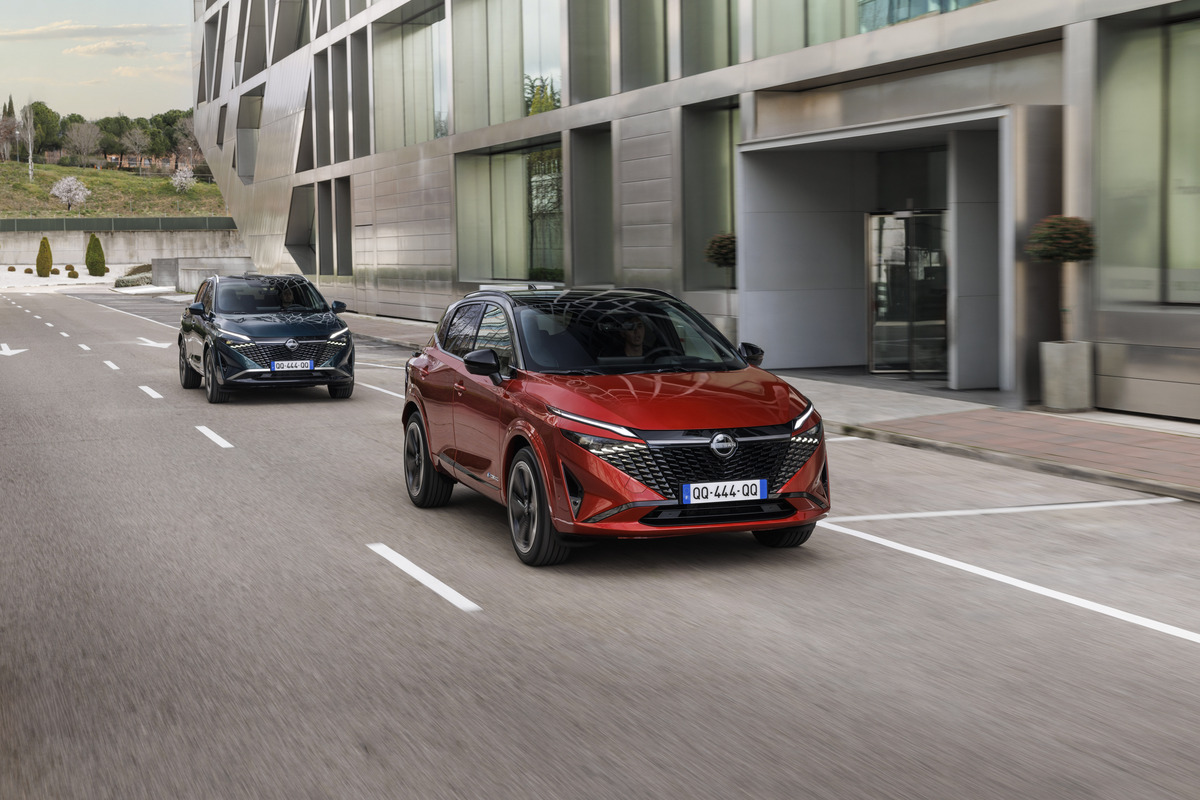
The Nissan Qashqai regularly suffers from air conditioning problems due to a leaking condenser, water leaks via the panoramic roof and worn seat upholstery in older models. These issues affect driving comfort and require timely maintenance to prevent further damage. Find out which problems you can expect and how to tackle them.
Why is the air conditioning not blowing cold air
Air conditioning that no longer cools is one of the most commonly reported problems with the Nissan Qashqai. The cause is often a leaking condenser, which allows the refrigerant to escape. Without sufficient refrigerant the system can no longer produce cold air. This problem occurs mainly in models built before the facelift.
In addition, every air conditioning system loses around 10 per cent of its refrigerant each year through normal evaporation. After four years this loss can rise to 50 per cent. If you have not had the air conditioning topped up for a long time, this may be the reason why the cooling performance has decreased.
Possible causes of air conditioning that does not cool:
- Leak in the condenser due to corrosion or damage
- Too little refrigerant due to normal evaporation
- Defective compressor that no longer drives the system
- Broken frost sensor that blocks operation
- Clogged cabin filter that obstructs the airflow
If in doubt, have a pressure test carried out at a garage. A specialist can check the system and trace any leaks. Repairing the condenser can cost several hundred euros, depending on the labour rate and the availability of parts.
‘ This service costs a few tens of euros and immediately improves air quality. ’
Smelly air conditioning caused by mould and bacteria
Besides cooling issues, owners also report a musty smell from the vents. This odour is caused by mould and bacteria that settle in the damp evaporator of the air conditioning system. With prolonged use the evaporator stays damp, creating an ideal environment for these organisms.
You can prevent this problem by switching off the air conditioning about 10 minutes before parking. This gives the evaporator the chance to dry out. If the smell is already present, have the system cleaned by a specialist. This service costs a few tens of euros and immediately improves air quality.
Water in the boot due to leaking panoramic roof
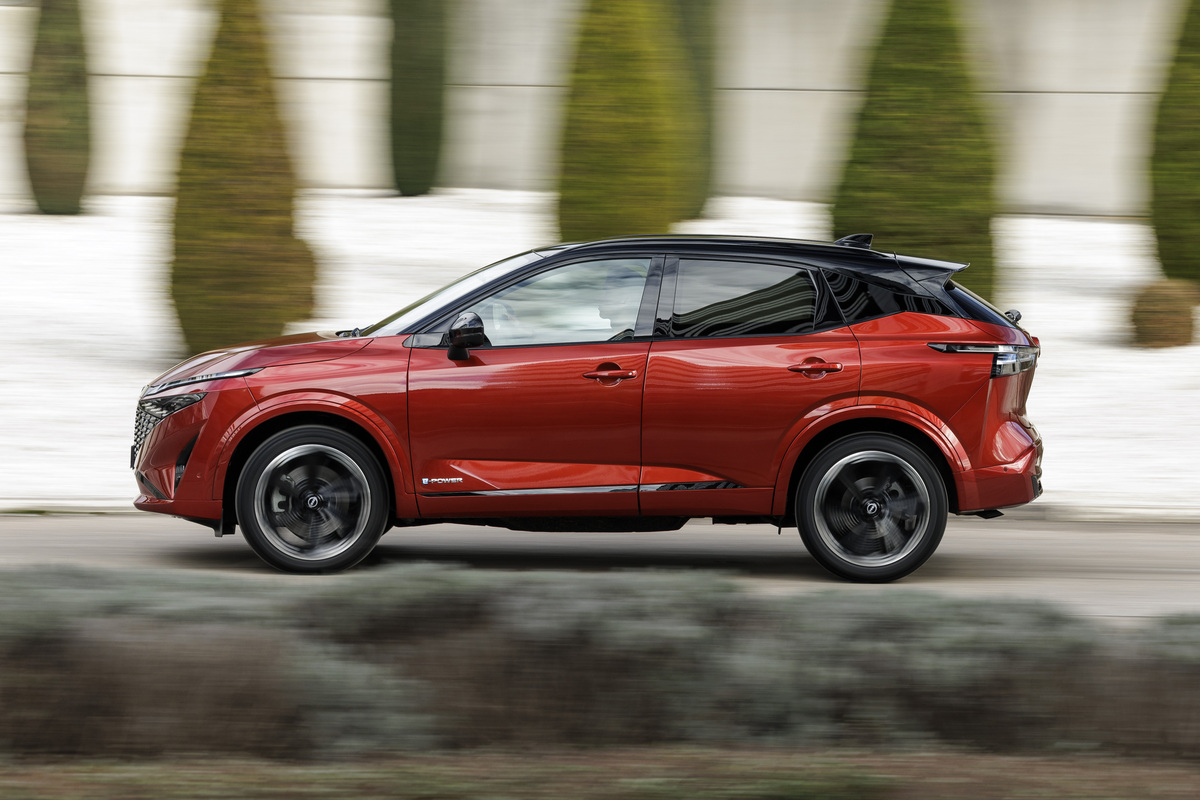
Owners of the Nissan Qashqai with a panoramic roof regularly report water leaks in the boot. The seal around the roof can wear or become damaged over time, allowing rainwater to enter. This problem not only causes damp, but can also lead to mould growth and an unpleasant smell in the interior.
Water ingress often occurs when the panoramic roof drains are poorly maintained. These drains become blocked by leaves, dirt or other debris. As a result the water cannot drain away properly. Instead, it finds its way inside through the seal or other vulnerable points.
Regularly check the drains of the panoramic roof and clean them if necessary. If the seal is damaged, have it replaced by a specialist. A new seal costs a few tens of euros but prevents expensive water damage to the interior.
Preventive measures against water leaks
- Inspect the seal of the panoramic roof during periodic maintenance
- Clean the drains at least twice a year
- If possible, park the car under cover in heavy rain
- Regularly check the boot for damp patches or unpleasant smells
Worn seat upholstery in pre-facelift models
Older examples of the Nissan Qashqai, especially those built before the facelift, suffer from wear to the fabric seat upholstery. The fabric shows wear patches more quickly than comparable models, particularly on the driver’s seat and the sides where getting in and out causes friction.
This wear affects both comfort and the appearance of the interior. With intensive use, visible wear patches can appear within just a few years. This issue is less common on later models, where Nissan has used improved materials.
For owners of pre-facelift models, various solutions are available. You can use seat covers to prevent further damage, or have the upholstery re-trimmed by a specialist upholsterer. Costs vary depending on the fabric chosen and the amount of work, but are often between 200 and 500 euros per seat.
‘ Replacing the flap motor solves the problem and prevents further power consumption. ’
Ventilation keeps blowing due to fault in flap motor
Some owners report that the ventilation keeps blowing continuously, even when the air conditioning is switched off. This problem is caused by a defective flap motor in the ventilation system. The flap motor controls the airflow and can jam or fail due to wear.
A defective flap motor not only causes nuisance from constant airflow, but can also drain the battery. If you notice this problem, have the system checked by a specialist. Replacing the flap motor solves the problem and prevents further power consumption.

Maintenance tips for an optimal air conditioning system
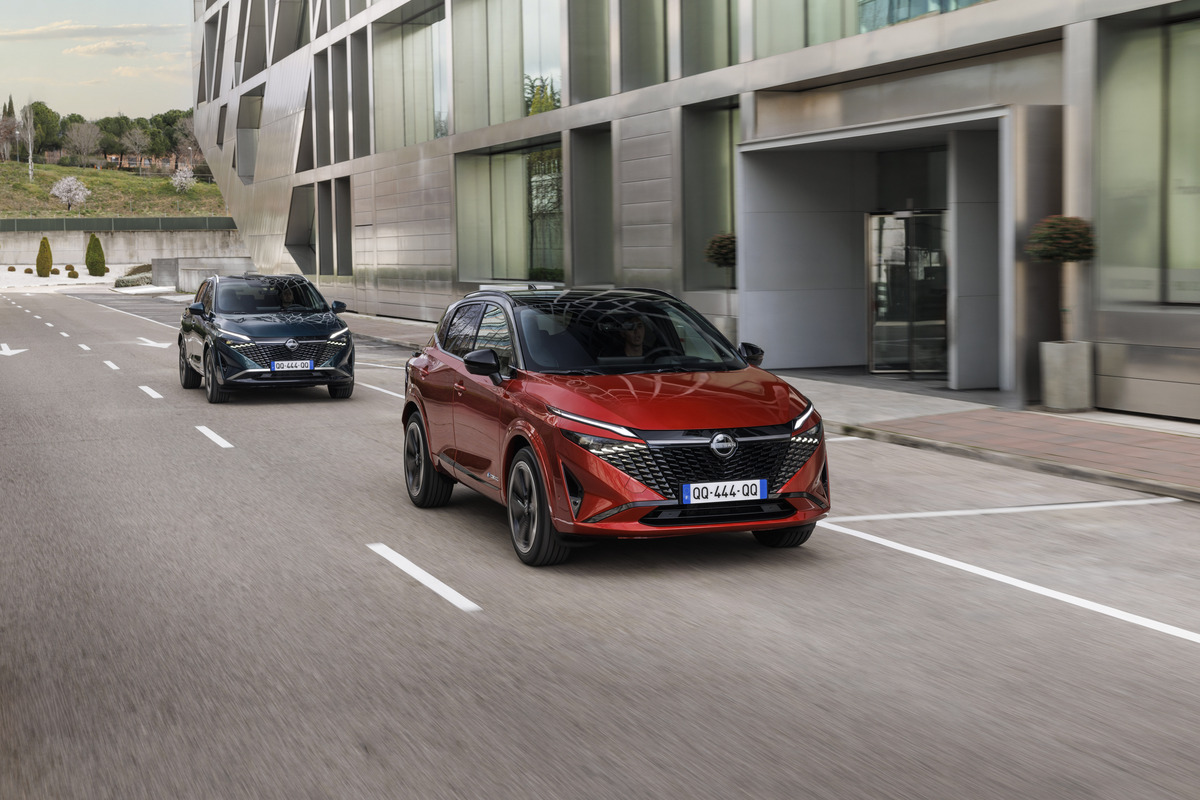
Regular maintenance keeps the air conditioning system of your Nissan Qashqai in optimal condition. Many problems can be prevented by taking action in good time. Below you will find practical tips you can apply straight away.
Have the air conditioning system topped up annually during the major service. This costs around 150 euros and restores cooling performance. Replace the cabin filter according to the manufacturer’s service schedule, usually every two years or every 30,000 kilometres. A clean filter improves airflow and prevents blockages.
To dehumidify or demist the windscreen, switch off air recirculation, switch the A/C button on and turn the temperature to warm. Direct the vents towards the windscreen and select a higher fan speed. This setting removes condensation quickly and safely.
When to visit a garage
Take your Nissan Qashqai to a garage if the air conditioning no longer blows cold air, even after topping up the refrigerant. A specialist can perform a pressure test and measure the temperature to determine the exact problem. Have leaks repaired professionally to prevent further damage to the system.
In more serious cases, such as a failed compressor or evaporator, the costs can rise sharply. A new compressor costs around 1,000 euros including fitting, while an evaporator can cost around 1,500 euros because a lot of dismantling work is required. Timely maintenance prevents small problems from escalating into these expensive repairs.
How much does air conditioning repair cost on the Nissan Qashqai
The cost of air conditioning repair varies greatly depending on the type of problem. Topping up the refrigerant is relatively inexpensive and costs around 150 euros. Replacing a leaking condenser is between 300 and 600 euros, depending on the garage and the part.
Major repairs such as replacing the compressor or evaporator are more expensive because a lot of dismantling work is required. For these repairs, expect to pay between 1,000 and 1,500 euros. Preferably choose an official dealer or an approved garage specialising in high-pressure air conditioning systems.
On the Carnews website you will find more information about common problems with different car brands and practical maintenance advice. Discover which other complaints Nissan Qashqai owners report and how to deal with them. Visit the website and stay up to date with tips that help you keep your car in top condition.
Frequently asked questions
Common symptoms are no or hardly any cold air from the vents, a noticeable musty or foul smell from the air conditioning and weak or blocked airflow due to dirty filters or sensors. The air conditioning may also cool irregularly or fail completely due to leaks or a defective compressor. Indirect comfort issues include moisture and water problems in the boot, which cause a clammy interior. In addition, faulty or unreliable parking sensors can reduce driving comfort.
The most common causes are leaking condensers, natural loss of refrigerant (up to around 50 per cent after 4 years), dirty cabin filters and mould formation in the evaporator, which leads to reduced cooling and unpleasant smells. You can prevent this by having the air conditioning checked and topped up annually, having leaks traced in good time and replacing the cabin filter regularly. Switch off the air conditioning about 10 minutes before parking so the evaporator can dry and mould has less chance to develop. In the case of persistent problems, have a professional pressure test and diagnostic check carried out to prevent larger and more expensive damage (such as a defective compressor).
Check and, if necessary, replace the cabin filter and make sure all vents are fully open for optimal airflow. Switch off the air conditioning 10 minutes before arrival so the evaporator can dry and unpleasant smells have less chance to develop. Use the air conditioning regularly and switch off the recirculation mode when demisting to dehumidify the interior more effectively. During the next service, have the refrigerant level and air conditioning pressure checked preventively and topped up if necessary.
Common air conditioning repairs on a Nissan Qashqai range from an air conditioning service/top-up at around €150 to replacement of the compressor (about €1,000) and the evaporator (about €1,500), mainly due to leaking condensers and loss of refrigerant. Because air conditioning is essential for comfort, a poorly functioning or unrepaired system can noticeably reduce the residual value, especially on newer cars. Well-maintained and demonstrably repaired air conditioning limits depreciation and makes the car easier to sell. However, structural or recurring air conditioning problems without a repair history can deter potential buyers and lead to a lower sale price.
Across the different generations of the Nissan Qashqai, air conditioning problems occur mainly due to leaking condensers, loss of refrigerant and sometimes defective compressors, which lead to poorly cooling or failing systems. On (especially older) models there are also reports of water leaks via the panoramic roof into the boot, resulting in a damp and less comfortable interior. In various model years the parking sensors also frequently display fault messages, which makes use and maintenance more sensitive. When buying, pay attention to good cooling performance, possible water damage in the boot and functioning sensors, and plan regular air conditioning servicing.