
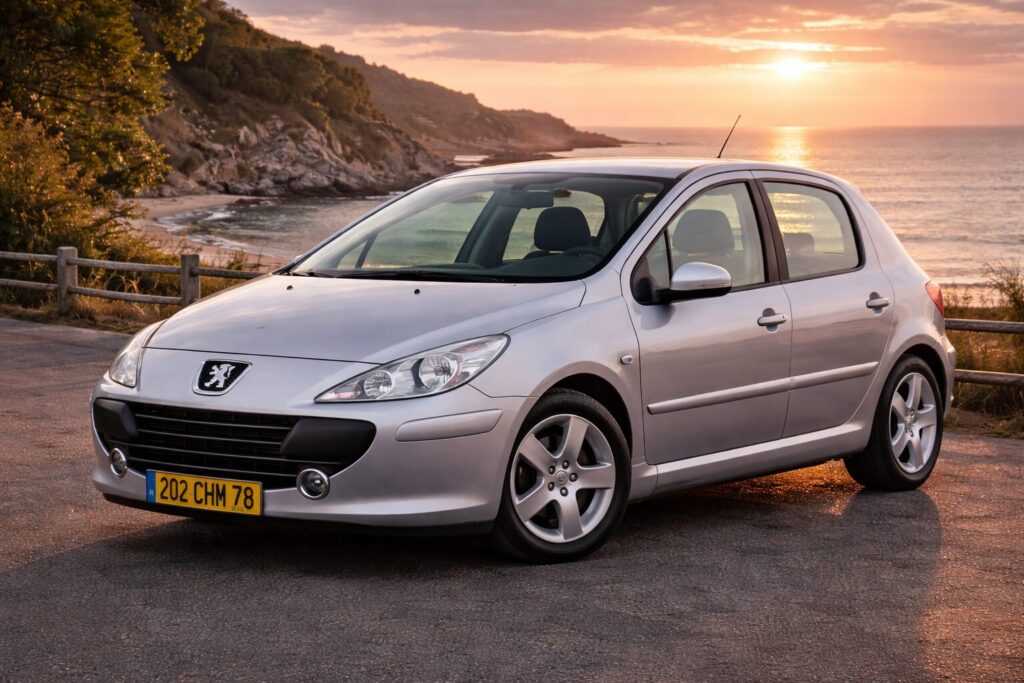
The Peugeot 307 regularly suffers from air conditioning and cooling problems that are especially frustrating in the summer months. The air conditioning does not cool sufficiently due to the lack of an interior sensor, which means manual adjustment is necessary, while cooling problems arise from leaks and a faulty clutch slave cylinder. Discover what causes these issues and how to solve them.
Cooling problems with the Peugeot 307 air conditioning
A common issue with the Peugeot 307 is air conditioning that does not cool properly. This occurs mainly in models with a dual-zone air conditioning system. This system has no interior sensor. Without this sensor, the system does not automatically adjust the interior temperature to the desired setting.
The result is that you have to adjust the air conditioning manually, especially on hot summer days. The outside temperature rises. Owners notice that the air conditioning produces too little cold air or stops cooling altogether. This makes journeys uncomfortable and forces the driver to intervene constantly.
A second cause of insufficient cooling is too little refrigerant in the system. The refrigerant level is too low. The compressor overheats. The system then activates a protection mode and switches the air conditioning off until the compressor has cooled down. You then have to wait and switch the air con back on. This often repeats itself during longer journeys.
‘ The air conditioning switches itself off to prevent engine damage. ’
Air conditioning switching off spontaneously while driving
Some owners experience the air conditioning switching off spontaneously. This often happens at high engine temperatures or low revs. This occurs when the condenser is not being cooled sufficiently. The condenser is the component that cools the refrigerant. In traffic jams or at low speeds, there is too little airflow to cool the condenser effectively.
The air conditioning switches itself off to prevent engine damage. At the same time the blower, the fan that blows air through the system, cuts out. The cooling fan does not run continuously at low speed. This is a problem when the air conditioning is on. In some cases this is due to a relay or wiring fault. Wires have been swapped. An earth wire is missing.
Cooling problems caused by leaks and faulty components
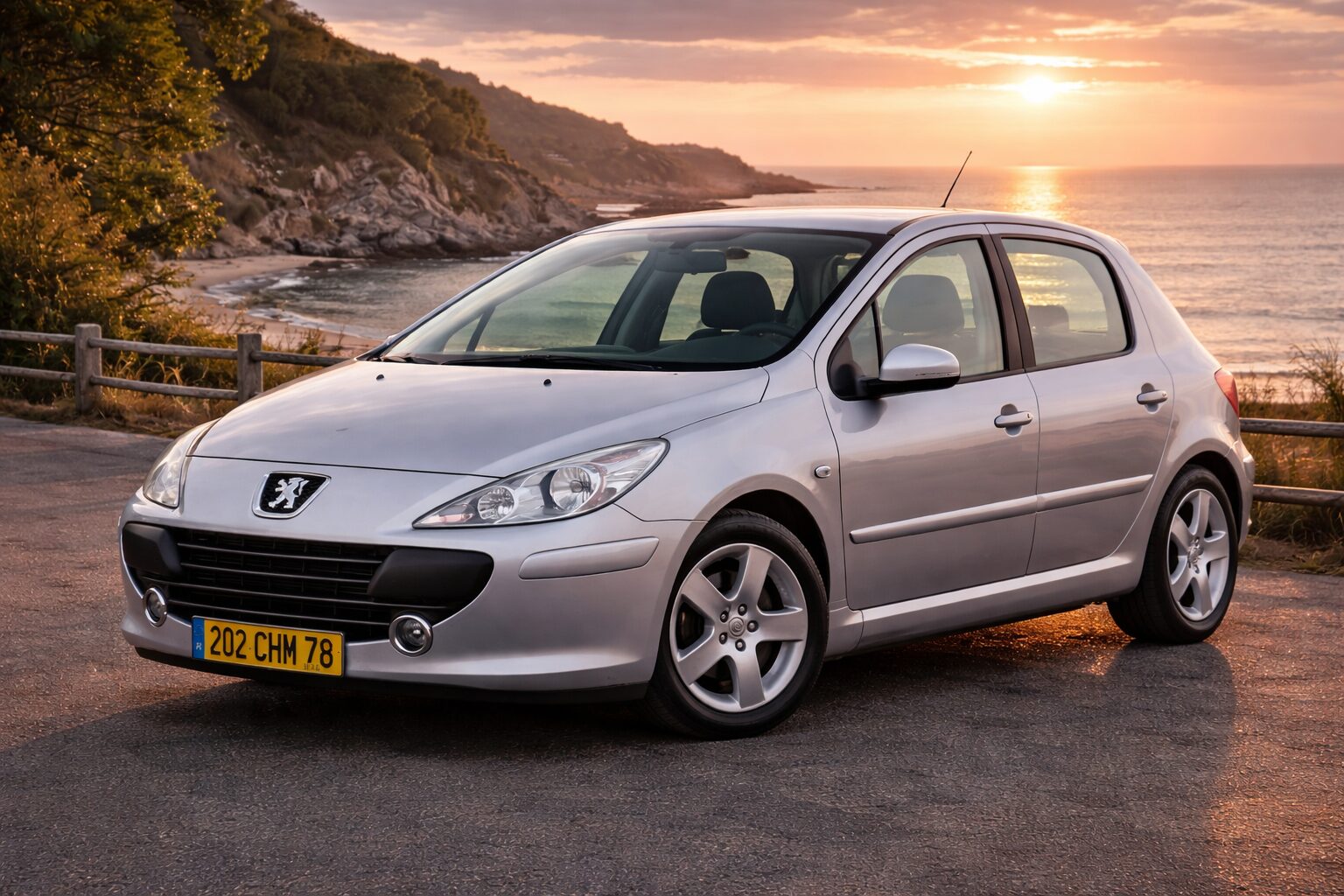
In addition to air conditioning faults, the Peugeot 307 struggles with structural cooling problems. A very common problem is a leaking cooling system. The coolant level drops. The engine overheats. This occurs mainly at low speeds or in traffic jams. The fan cuts in too late. The fan does not run continuously.
Owners report that the fan is only activated at an engine temperature of around 97 degrees Celsius. By then the air conditioning has already switched off. Airflow is no longer sufficient to provide cooling, causing the temperature to continue to rise. This leads to serious engine damage. The problem must be resolved in time.
Another very common cause is a faulty clutch slave cylinder. This cylinder works loose. At first glance this does not seem like a direct cooling problem. Nevertheless, it affects the overall running of the vehicle and causes additional faults. It is important to check this part during servicing.
How do you solve these problems?
The air conditioning does not cool properly because there is no interior sensor. For now, manual adjustment is the only option. On warm days pay close attention to the setting and adjust it regularly to achieve the desired comfort. Have the refrigerant level checked and topped up by a specialist garage. At the same time, have the system checked for leaks.
Carry out a number of checks yourself if the air conditioning switches off spontaneously:
- Inspect the coolant reservoir and top up if necessary
- Check whether the cooling fan runs continuously at low speed. Do this when the air conditioning is switched on.
- Test the relay
- Check the connectors for a missing or loose earth wire
- Visually inspect wiring and valves for corrosion or damage
If the fan continues to give trouble, replace the temperature sensor under the dashboard. This sensor is often the cause of a failing passenger compartment fan. The fusible link (fuse) itself remains intact. This is a relatively simple repair that you can carry out yourself or have done by a mechanic.
‘ Do not ignore these problems, because they lead to serious engine damage. ’
Preventive maintenance for cooling and air conditioning
Regular maintenance is necessary to prevent cooling problems. Replace the coolant every two years or every 45,000 kilometres, whichever comes first. Check the coolant level regularly and top up when needed. Keep an eye on the air conditioning refrigerant. Have it checked for leaks once a year.
Keep an eye on rising engine temperatures while driving. The temperature goes up. Change down to a lower gear. This raises the revs and helps the cooling system do its job. Switch the air conditioning off under full throttle. This reduces the load on the engine. If you are towing a caravan or carrying a heavy load, a thicker radiator is needed to provide extra cooling capacity.
Replace the thermostat in good time when it is faulty. Do the same for the water pump. Also replace a leaking reservoir. Do not ignore these problems, because they lead to serious engine damage. The electronics of the Peugeot 307 switch the air conditioning off in emergencies to protect the engine. This is only a temporary safeguard.
When professional help is needed
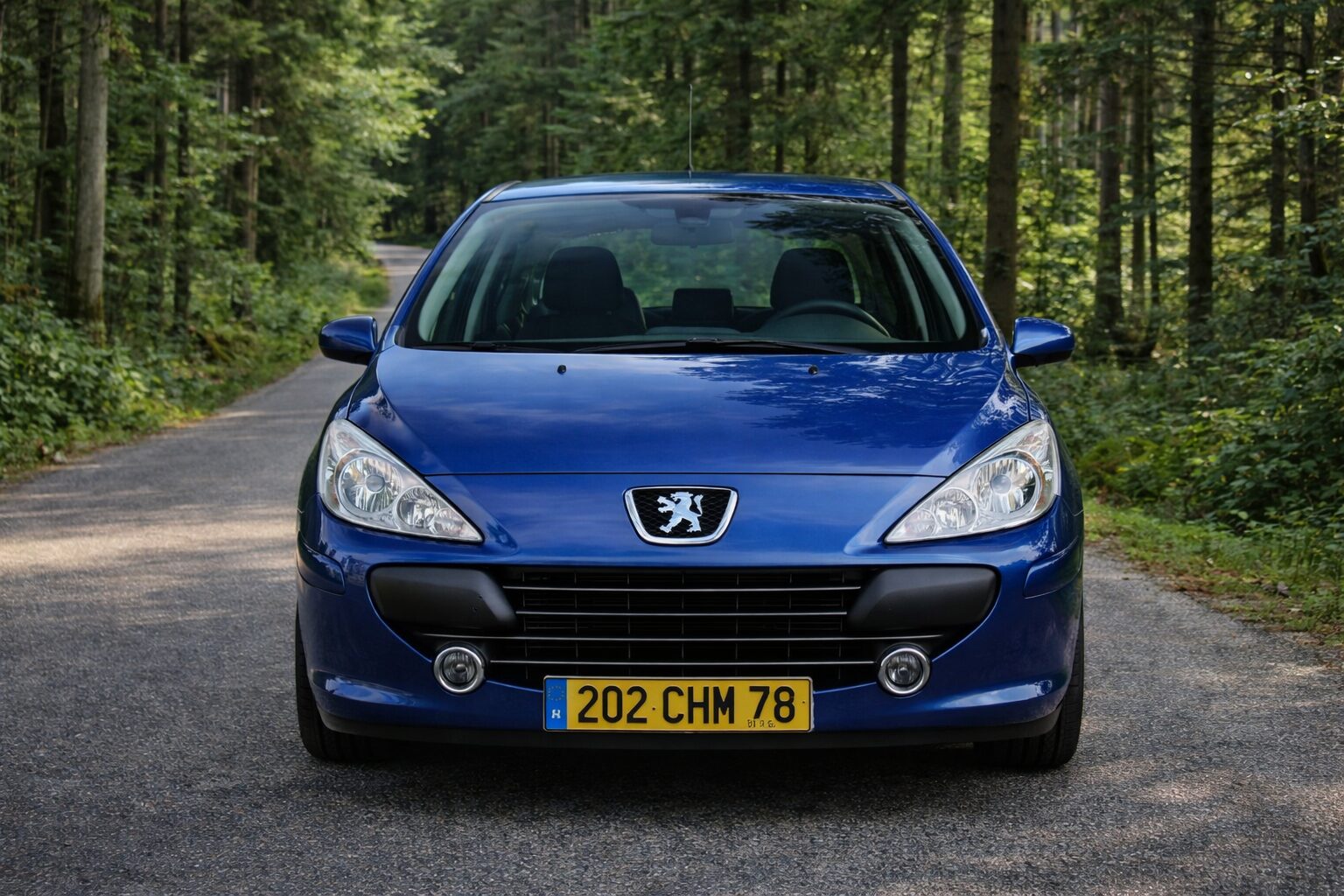
Some problems require professional diagnosis. This applies especially to complex electrical faults. A diagnostic tool reads the faults in the system. It provides clues about defective sensors, valves or wiring faults. Check the stepper motor for the valves and the wiring in the event of persistent problems. A professional diagnosis costs about 95 euros.
If there are leaks in the refrigerant system, costs will vary depending on the location and size of the leak. Have the system thoroughly checked. Replace defective components such as the condenser. Also replace any faulty pipes. Replacing the fan sensor is relatively inexpensive. You can often do this yourself. Problems with the cooling fan or relay involve medium-level costs.
Owners report that the air conditioning temporarily works again after topping up the refrigerant. The problem returns due to overheating of the condenser. A relay check often resolves the issue in such cases. Are you unsure about the cause? Then call in professional help. This prevents further damage to the engine or air conditioning system.
You can find more information and tips on Carnews
On the Carnews website you will find many more articles about common car problems, maintenance tips and practical solutions for different car makes and models. You are dealing with electrical faults. You have engine problems. You have maintenance questions. With us you will find reliable information that helps you move forward. Stay up to date and discover more useful tips on our website.
Frequently asked questions
Common symptoms are that the air conditioning cools poorly or not at all, sometimes works and then suddenly cuts out again, especially at higher outside temperatures or low engine speeds. You may also notice that the interior fan blows irregularly or stops altogether, or that the airflow does not switch properly between settings (windscreen/feet/vents) due to faulty flaps. With engine cooling problems, the temperature gauge rises quickly, especially in traffic jams or at low speed, and the cooling fan cuts in late or not at all. Sometimes you hear the cooling fan start briefly and then stop again, or you notice that the air conditioning switches off as soon as the engine temperature rises.
The most common causes are a lack of refrigerant due to leakage, which causes the compressor to overheat, and a poorly working or non-functioning cooling fan or condenser (for example due to defective relays, wiring or earth connections). Electrical problems are also common, such as corrosion in connectors, faulty sensors or issues with the flap actuators in the climate control system. In addition, general cooling system problems such as a defective thermostat, water pump or too little coolant can cause the air conditioning to be switched off as a safety measure.
You can check the coolant level yourself and top it up if necessary, and visually check for leaks on hoses, radiator and condenser. Switch the air conditioning on and see whether the cooling fan at the front starts running immediately at low speed; if it does not, then check the connectors and earth points for corrosion or loose contacts. Have the air conditioning system topped up in good time and checked for leaks if the air con still works but cools less and less effectively. In the event of overheating, keep an eye on your driving style: change down to increase the revs, avoid prolonged stationary running and switch the air conditioning off temporarily if the engine temperature rises quickly.
Have the air conditioning serviced annually: check/top up the refrigerant, test for leaks and clean the condenser so that the compressor does not overheat. Check the coolant level regularly and replace the coolant according to the schedule (about every 2 years) to prevent overheating. Have the cooling fan, relays and wiring checked, because when the air conditioning is switched on the fan must always run along at low speed. Keep the radiator and condenser free from dirt and leaves, and on hot days change down in good time so that there are sufficient revs and cooling.
It is necessary to call in a professional if the air conditioning no longer switches on at all, the engine temperature (especially in traffic jams or on hot days) rises quickly or the engine overheats, or if the cooling fails again shortly after topping up the refrigerant. Professional diagnosis is also required for recurring electrical faults (fan not starting, air conditioning switching off spontaneously, strange noises or fault codes). For simple jobs such as diagnosis and replacing a flap actuator or resolving a wiring/relay problem, costs are usually around €95–€150. For more extensive work, such as tracing and repairing leaks, replacing the condenser, cooling fan or larger cooling components, costs can range from several hundred euros to over €500, depending on parts and labour.