
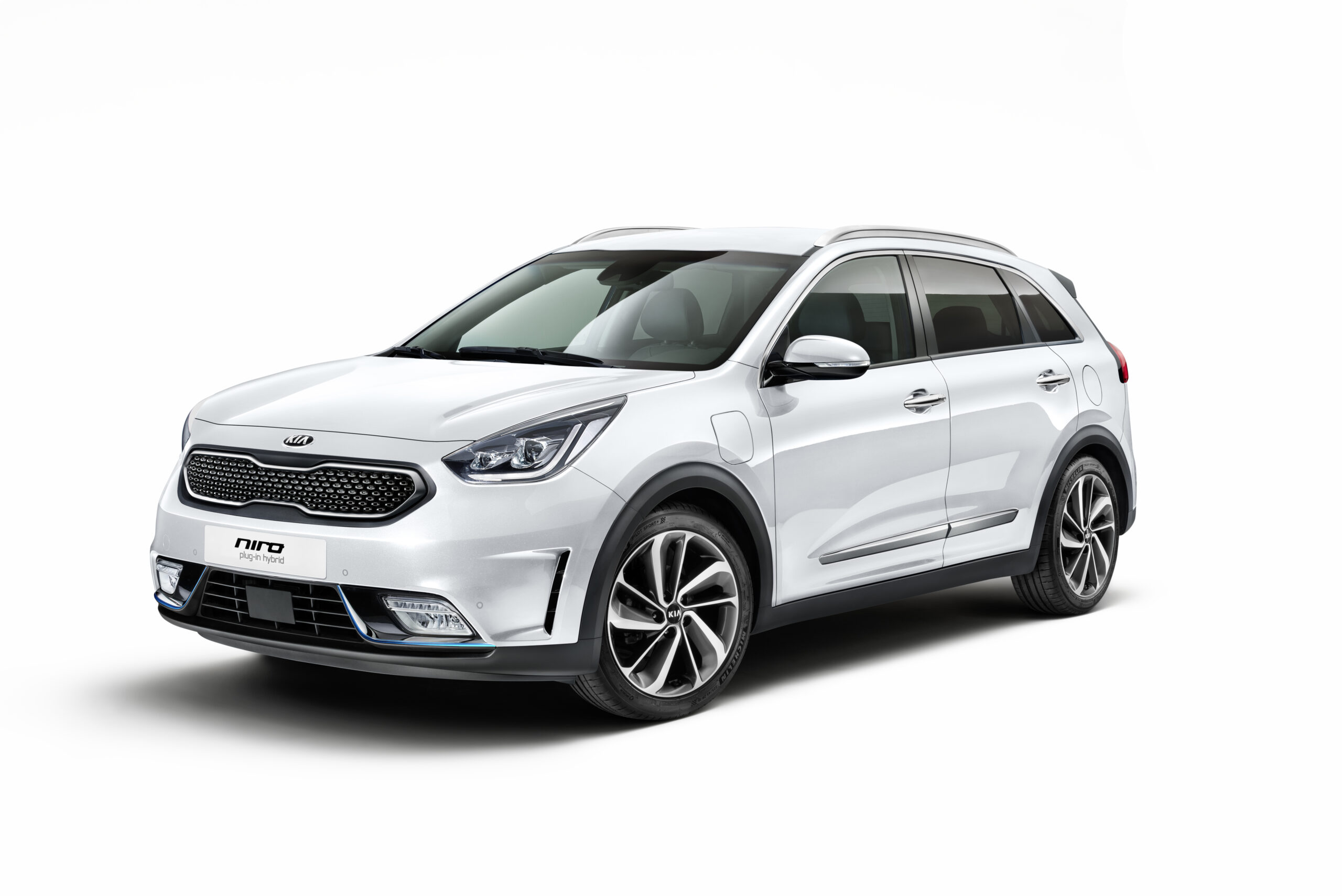
The air conditioning of the Kia Niro regularly cuts out due to a seized compressor and a leaking evaporator, with iron particles in the pipes making the problem worse. This fault occurs in both the hybrid and the electric version and results in warm air or no air at all coming from the vents. Discover what causes these problems and how to tackle them.
Why the air conditioning fails in the Kia Niro
The most common cause is a defective air conditioning compressor that seizes up. This happens because internal wear releases tiny iron particles that circulate through the entire air conditioning system. These particles then damage the evaporator, causing refrigerant to leak and the system to lose its cooling capacity. The Kia Niro particularly suffers from this after three to five years of use.
In addition, filters become clogged and electrical components such as relays (switches in the electrical system) and actuators (controlled components that operate flaps or airflows) fail. In the electric model, there is the added factor that the climate control depends on the high-voltage battery, which makes the electrical connections more prone to faults. The combination of mechanical and electrical problems unfortunately makes air conditioning failure in this model anything but rare.
‘ Many owners report lukewarm or completely hot air from the vents, even with the climate control set to the coldest temperature. ’
Recognisable symptoms of a faulty air conditioning system
When the air conditioning no longer works properly, you usually notice it straight away. Many owners report lukewarm or completely hot air from the vents, even with the climate control set to the coldest temperature. The compressor may also make strange clicking noises or fail to engage at all when you switch on the air conditioning.
Other signs are weak airflow, even at full fan speed, or fluctuating temperatures without changing the settings. In some cases, warning lights appear on the dashboard or the automatic climate control no longer works as expected.
Diagnosing the problem
Start with simple checks before looking at more complex causes. Check whether the fuses for the climate control are still intact. You will find these in the fuse box under the bonnet or behind the dashboard. A blown fuse is a cheap and quick fix.
Then replace the pollen filter, which is usually located behind the glove compartment. A clogged filter significantly restricts airflow. Next, feel the air conditioning pipes under the bonnet: one pipe should feel cold and the other warm. If both temperatures are the same, this indicates loss of refrigerant or a defective compressor.
For more detailed diagnosis, you need professional equipment. A leak detector can pinpoint exactly where refrigerant is escaping. An OBD scanner reads fault codes that indicate whether electrical components such as relays or sensors are causing problems. You can have this diagnosis carried out at the dealer or a garage.
Repairing the climate control
The repair depends on the cause. If the compressor has seized, it will have to be replaced. Because iron particles have spread through the system, you must also flush the pipes and check the evaporator for damage. This is specialist work costing between 800 and 1500 euros, depending on how badly the system is contaminated.
A leaking evaporator must also be replaced. It is often located behind the dashboard, which is labour-intensive. Costs range between 600 and 1200 euros. After that, the mechanic refills the system with refrigerant and checks that everything is properly sealed.
For simpler problems such as a defective relay or actuator, costs are limited to 100 to 300 euros. These parts are more accessible and quicker to replace. In the hybrid Niro, the high-voltage battery must always be switched off during work to prevent safety risks.
‘ Replace the pollen filter every 15,000 kilometres or once a year, especially if you often drive in dusty conditions. ’
Preventing air conditioning problems
Regular maintenance prevents many faults. Have the air conditioning system checked every year and have the refrigerant replaced if necessary. Replace the pollen filter every 15,000 kilometres or once a year, especially if you often drive in dusty environments.
Also use the air conditioning regularly in winter, at least once a week for fifteen minutes. This keeps the seals supple and prevents the system from seizing up due to lack of use. Clean the condenser at the front of the car with compressed air to prevent blockage by dirt and insects.
Specific points of attention for the electric model
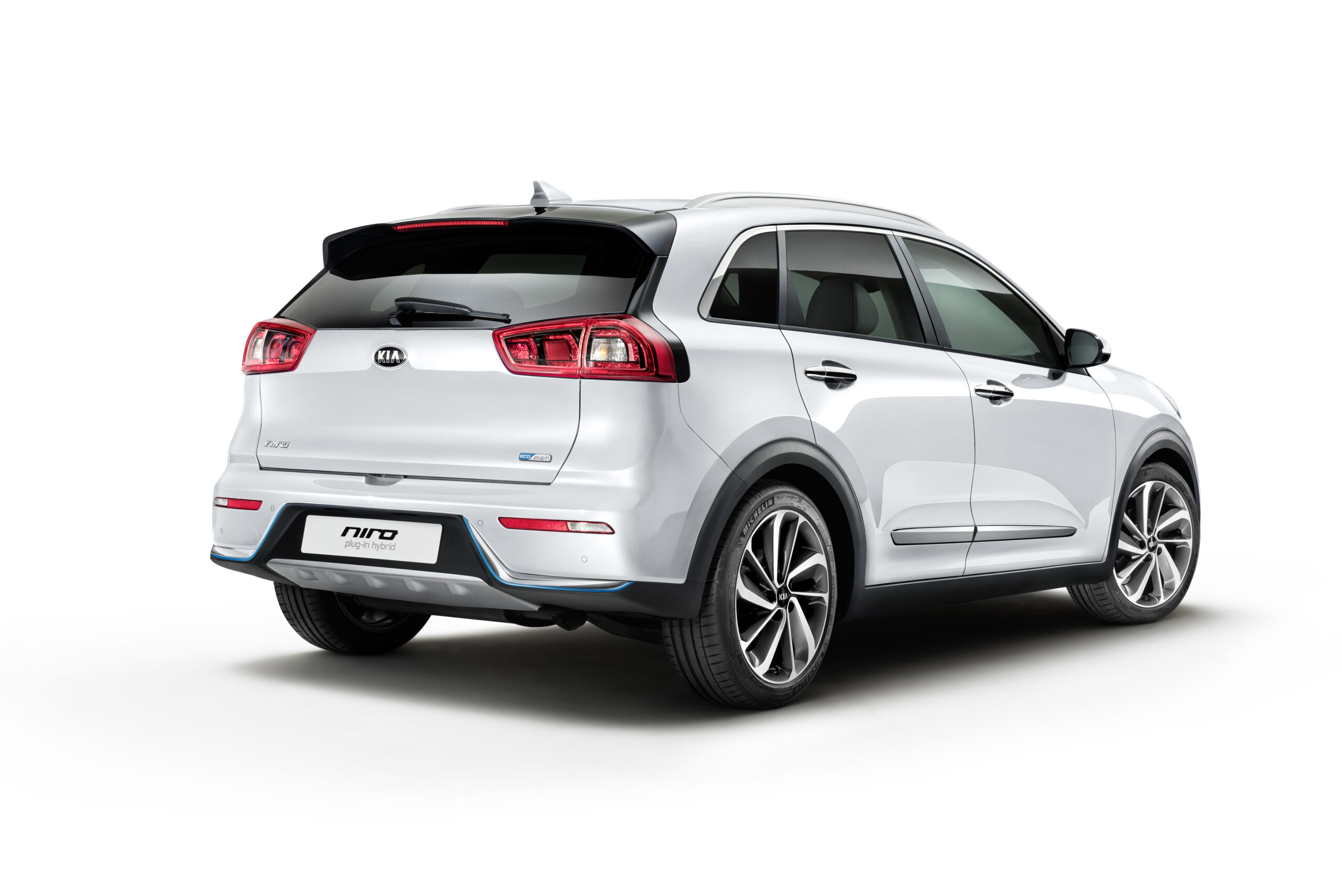
The Kia Niro EV has an electric compressor that runs directly off the high-voltage battery. This system is more sensitive to electrical faults than the mechanical version in the hybrid. Therefore, regularly check the electrical connections for corrosion, especially after winters with road salt.
With the EV model, also pay attention to the efficiency of the climate control. Extreme use of air conditioning or heating has a direct impact on the driving range. A defective system that constantly runs at full power can unknowingly drain the battery more quickly. Kia software updates sometimes solve energy management issues, so make sure your system is up to date.
When professional help is necessary
You can carry out simple tasks such as replacing the filter and checking fuses yourself. As soon as it involves topping up refrigerant or detecting leaks, a specialist is required. Refrigerant is under high pressure and requires certified equipment and expertise.
If problems persist after simple repairs or when fault codes appear, contact a Kia dealer. They have access to technical bulletins and software updates developed specifically for the Niro. Some faults are resolved with a software update of the climate control module.
‘ Genuine parts are more expensive but offer greater assurance in terms of fit and quality. ’
Costs of repairs and parts
The costs vary greatly depending on the problem. A simple service with filter replacement and system check costs between 50 and 100 euros. Topping up refrigerant including leak detection is between 100 and 200 euros. For more complex repairs such as replacing the compressor or evaporator, you pay 600 to 1500 euros.
The cost of parts depends on whether you choose genuine Kia parts or aftermarket alternatives. Genuine parts are more expensive but offer greater assurance in terms of fit and quality. For labour, garages charge on average 80 to 120 euros per hour, with compressor replacement taking four to six hours.
Experiences of Kia Niro owners
Many owners report that air conditioning problems only appear after a few years. The compressor often gives little warning before it fails completely. Some owners first noticed only weak cooling, after which all cooling function disappeared within a few weeks.
During repairs, the contamination from iron particles often turns out to be greater than expected. This makes flushing the system necessary, which increases the costs. Owners who had regular maintenance carried out suffered less from sudden failures. Detecting weak cooling at an early stage and taking action immediately prevents more serious damage.
More information about your Kia Niro
Air conditioning problems are annoying but solvable with the right approach. On the Carnews website you will find extensive information on many more technical aspects of the Kia Niro and other models. From battery issues to software faults, discover all the knowledge you need to maintain your car optimally and recognise problems at an early stage.
Frequently asked questions
You can recognise common air conditioning and climate control faults in the Kia Niro by lukewarm or no cold air, even though the air conditioning is switched on (often due to refrigerant leaks or compressor problems). Weak or no airflow at all from the vents usually points to a clogged cabin air filter or problems with the blower motor or blower relay. Illogical temperature changes (for example sometimes warm, sometimes cold) and poorly adjustable climate settings often indicate electrical faults or a defective blend door actuator. Strange noises from the engine bay or when switching on the air conditioning are an extra clue to compressor or fan problems.
The most common causes of air conditioning problems in a Kia Niro are refrigerant leaks, electrical faults in the climate control, a compressor that does not engage or is defective, and clogged (pollen) filters or blower issues. You can first check the air conditioning settings and fuses yourself, clean or replace the pollen filter (behind the glove compartment) and swap the blower relay in the fuse box under the bonnet with a similar relay to rule that out. You can also carefully clean the condenser in front of the radiator (not with too much pressure) to restore airflow. For refrigerant leaks and actual compressor or actuator problems, you will need a garage or air conditioning specialist.
Have the air conditioning/climate control checked every year or every 15,000 km for refrigerant level and leaks, and replace the interior/pollen filter in good time to maintain airflow. Keep the condenser at the front of the car free of dirt and insects, for example by carefully cleaning it with water or compressed air, so that cooling remains efficient. In the event of faults or unusual noises, have the compressor and electrical connections (fuses, relays, wiring) checked at an early stage to prevent consequential damage. When working under the bonnet, switch the hybrid Niro off completely to keep the system safe and free of faults.
Unresolved air conditioning faults can cause the compressor to be more heavily or irregularly loaded, leading to reduced cooling performance and increased wear on components. In the event of refrigerant leaks or a clogged filter, the system has to work harder to cool, which increases energy consumption and therefore fuel or power use. Poorly functioning climate control can also worsen demisting of the windows, which indirectly affects safety and driving comfort. Driving for a long time with a defective air conditioning system can ultimately lead to more expensive repairs, for example due to damage to the compressor or electrical components.