
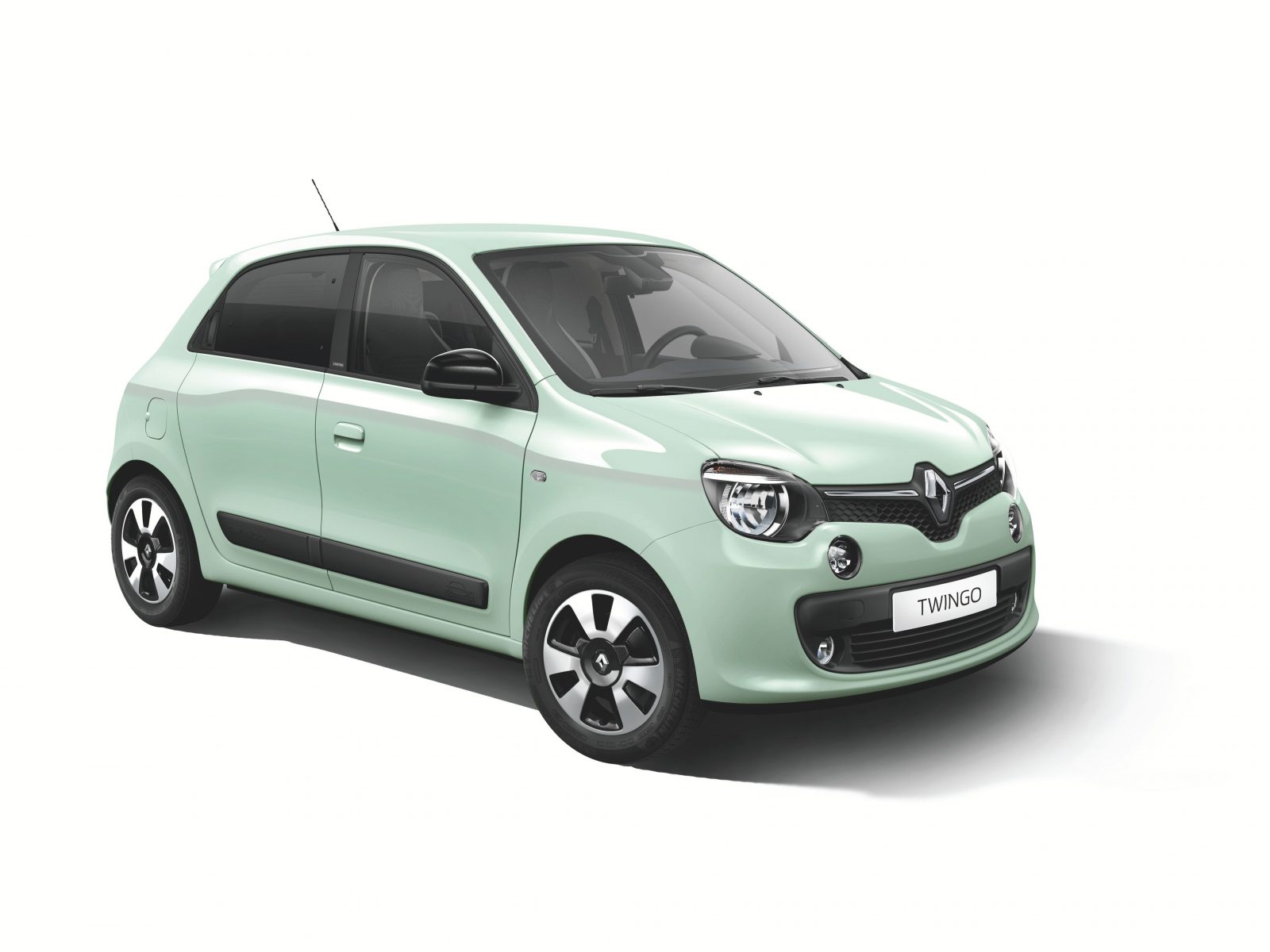
A faulty air conditioning condenser due to stone impact or wear means your air con no longer provides cooling. This problem occurs relatively often with the Renault Twingo and leads to high replacement costs. The Renault Twingo, especially from the second generation (2007 and later), regularly suffers complaints about the air conditioning system. Do you want to know why your air con is not working and what you can do about it?
Why is the air conditioning not working on a Renault Twingo?
The air conditioning in your Twingo can fail for several reasons. Many owners report that their air con blows lukewarm air or no longer cools at all. The causes range from simple blockages to defective components in the cooling circuit.
Most common causes:
- Low refrigerant level or leaks in the system
- Dirty or clogged cabin filter
- Compressor that does not engage
- Damaged or contaminated condenser
- Defective electrical components such as relays or fuses
A low refrigerant level often occurs due to small leaks in hoses, connections or in the condenser itself. Have this checked with a manifold gauge set that measures the gas pressure. You can find standard values in Renault’s diagnostic tables. On Twingo models from 2011 onwards, the compressor sometimes does start, but the low-pressure hose does not get cold.
Electrical faults also occur regularly. You then do not hear a click from the compressor clutch when you switch on the air con. This often points to a defective coil, relay or blown fuse. On the 2007 Twingo, the compressor relay (R5) is a known weak point.
‘ As a result, the system overheats and the cooling fails, even though the compressor is still working. ’
Condenser problems due to dirt and stone impact
The condenser is the heat exchanger in front of the radiator that cools the refrigerant. This aluminium part is vulnerable because it sits directly behind the grille. Stone chips, road dirt and insects damage or clog the fine fins.
Owners of Twingo models report that the build-up of dirt reduces heat dissipation. As a result, the system overheats and the cooling fails, even though the compressor is still working. It is a problem that mainly occurs on cars that are driven a lot in town or on poorly maintained roads.
A damaged condenser also causes leaks. Small cracks from stone impact allow refrigerant to escape. Without enough refrigerant, the system switches off to protect the compressor. Regular visual inspection helps to detect damage at an early stage.
How do I test the air conditioning condenser on a Renault Twingo?
Check the condenser in several ways. Start with a visual inspection. Open the bonnet and look at the condenser behind the grille. Look for visible damage such as dents, cracks or contamination between the fins.
For a thermal diagnosis, start the engine and set the air con to the coldest setting. Carefully feel the low-pressure hose that runs to the compressor. This hose should feel cold if the system is working properly. If the hose does not get cold while the compressor is running, this points to a problem with the refrigerant or condenser.
A pressure test provides certainty about the refrigerant level. You do this with an air conditioning manifold gauge set. Connect it to the system service ports. Too low a pressure means a leak, too high a pressure indicates blockages or a defective condenser. Compare the measured values with the specifications in the handbook.
Checks of wiring, relays and fuses are also important. Test the compressor relay with a multimeter or temporarily swap it with an identical relay from another circuit. Check the fuses, especially the MAXI40A fuse (a heavy 40 amp fuse for the air con and condenser fan). A blown fuse blocks the power supply to the air conditioning components.
Step-by-step quick test without tools
You can carry out a simple test without special equipment. Start the engine and switch the air con on to maximum cooling. Listen for a click from the compressor clutch. Then open the bonnet and feel the low-pressure hose. If it becomes cold but the air from the vents does not cool, the problem is probably with the cabin filter or the air ducts.
If the hose stays warm and you did not hear a click, then the cause lies with the electrics or the refrigerant. First check the fuses and relays. If these are fine, you probably have a lack of refrigerant due to a leak.
Maintenance prevents many air con faults
Regular maintenance significantly extends the service life of your air conditioning system. Clean the condenser annually with compressed air or special air con cleaner. Direct the jet from back to front to blow dirt out of the fins. Work carefully to avoid damaging the thin fins.
Replace the cabin filter every year or every 15,000 kilometres. A clogged filter reduces the airflow and puts unnecessary strain on the system. With a lot of city driving or dusty conditions, more frequent replacement may be necessary.
Use the air con regularly in winter as well. Let the system run for at least ten minutes once a month. This keeps the seals supple and prevents leaks. The refrigerant contains oil that lubricates the compressor, so regular use protects against wear.
‘ Genuine Renault parts are more expensive than aftermarket brands, but they always fit perfectly. ’
Cost of replacing the condenser on a Renault Twingo
The price of a new condenser is between 150 and 300 euros, depending on the model and year of your Twingo. Genuine Renault parts are more expensive than alternative brands, but they always fit perfectly.
The labour time for replacement is around two to three hours. A garage will charge between 200 and 400 euros for this, depending on the hourly rate. The total cost of replacement therefore comes to 350 to 700 euros.
After replacement, the system must be refilled with refrigerant. This costs an additional 50 to 100 euros. Garages will also carry out a leak test to check whether the system is properly sealed. This test is necessary to prevent you from losing refrigerant again in a short time.
Some insurance policies cover damage to the condenser if this is caused by stone impact. Check your policy conditions or contact your insurer. You will have to pay the excess, but it may still be cheaper than paying the full costs yourself.
Practical tips from owners
Many Twingo owners share their experiences on forums. A frequently mentioned solution for air con that suddenly cuts out in hot weather is replacing the relay. This only costs a few euros and often solves the problem.
Clean the condenser at every major service. Do not use a pressure washer, as this damages the fins. Low-pressure compressed air or special air con cleaner works better and is safer.
If problems persist, check the wiring to the condenser fan and the compressor. Loose or corroded contacts cause failures. A visual check of all electrical connections can reveal many issues.
If you are unsure about the cause, always start with the simplest checks. First replace the cabin filter, check the fuses and relays, and clean the condenser. These steps cost little and solve a large share of air con faults.
When should you visit a specialist?
You can solve some air con faults yourself, but others require specialist knowledge and tools. For leaks in the cooling circuit, you need vacuum equipment and a charging station. This is not a job for a home mechanic.
Electrical problems that go deeper than a relay or fuse also require diagnostic equipment. Modern Twingo models have an air con control unit that stores fault codes. A garage can read these out with a diagnostic tool and see exactly where the problem lies.
After every repair to the cooling system, have a leak test carried out. This prevents loss of refrigerant and the need to refill again. A professional test uses UV dye that makes leaks visible under special light.
On the Carnews website you will find much more information about common car problems, maintenance tips and technical explanations for various car brands. Discover more articles about the Renault Twingo and other models that help you maintain your car.
Frequently asked questions
Lukewarm air or no cooling often indicates a low refrigerant level due to leaks, or problems with the compressor or condenser. A weak airflow may point to a clogged cabin filter. If the compressor does not make a ‘click’, this may indicate electrical problems, such as a faulty relay or fuse. A dirty or damaged condenser reduces heat dissipation, which affects the efficiency of the entire air conditioning system.
The most common causes are a clogged interior filter or blocked air ducts, lack of refrigerant due to leakage, a compressor that does not switch on (relay/fuse/wiring) and a dirty or damaged condenser. You can check a lot yourself: assess the airflow from the vents, visually inspect the condenser for dirt or damage, and check fuses and relays or swap them with a working one. You can also start the engine, switch on the air con and listen for the compressor to ‘click’ and feel whether the low-pressure hose becomes cold. For pressure testing and detecting refrigerant leaks, professional equipment is usually required.
If you suspect an air con fault in your Renault Twingo, you can carry out some simple checks yourself. Check whether the airflow is weak; this may indicate a clogged cabin filter. Listen for a ‘click’ when you switch on the air con; no click may indicate an electrical problem such as a faulty relay or a blown fuse. Feel the low-pressure hose of the air con; if it becomes cold but the compressor does not run, there is probably an electrical problem. Also visually inspect the condenser for dirt or damage.
Car enthusiasts should know that the air con system of the Renault Twingo, especially models from 2007 onwards (Mk2 and later), often fails due to problems with the condenser, compressor, or electrical components such as relays and fuses. The condenser, a vulnerable aluminium part, quickly becomes dirty or damaged by stone impact, which affects efficiency. A dirty cabin filter, lack of refrigerant due to leaks, and a compressor that does not engage because of electrical faults are also common. Regular inspection, cleaning of the condenser and timely replacement of the cabin filter are crucial for the service life of the system.