
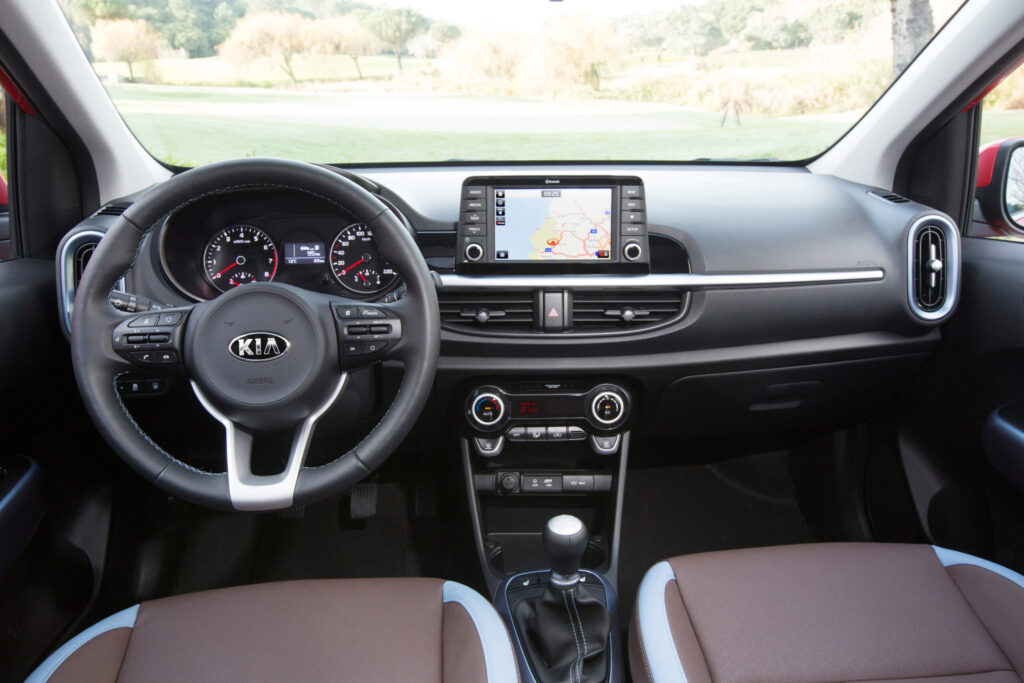
Poorly cooling or faulty air conditioning in your Kia Picanto causes loss of power and discomfort, especially in warm weather. Many owners notice that the cooling performance drops, the air smells musty or the air con works irregularly. These problems may be caused by a clogged cabin filter, a leak in the system or a fault in the air conditioning pump. Fortunately, many of these issues can be resolved with regular maintenance and targeted inspections.
The Kia Picanto is a compact and economical city car. This model is not spared from air conditioning problems. The issues range from reduced cooling to complete failure of the system. Because the air con is put under extra strain in warm weather, problems often appear precisely in summer. In this article you can read which issues occur regularly, what the causes are and which solutions are available.
Why the air conditioning in the Kia Picanto does not cool properly
The air conditioning in the Kia Picanto may fail to cool properly for several reasons. A common cause is a clogged cabin filter. This filter ensures that the air is cleaned before it enters the cabin. If the filter is full of dust, pollen and other contamination, the airflow is greatly reduced. The result is that less cold air comes out of the vents, even when the air con is on the highest setting.
Another very common reason is loss of refrigerant due to leakage. The air conditioning circuit consists of hoses, connections and components that can start to leak over time. Without sufficient refrigerant, the system can no longer produce cold air. Some owners report that the air con initially still works somewhat, but gradually cools less and less. This often indicates a slow leak in the system.
Sensor and electrical faults can also cause the air con to malfunction. Modern air conditioning systems are controlled by electronics and pressure switches. If a sensor sends an incorrect signal, the system switches itself off or works intermittently. This matches experiences where owners indicate that the air con sometimes works and sometimes does not.
Faulty air conditioning pump in Kia Picanto: symptoms and solution
A faulty air conditioning pump, also called an air conditioning compressor, reveals itself in several ways. The most noticeable symptom is that the air con no longer cools at all, regardless of the setting chosen. You often no longer hear a clicking sound when you switch on the air con. This clicking sound is the sign that the compressor is being activated.
Other symptoms are strange noises from the engine bay, such as rattling or grinding sounds. This may mean that the bearings in the compressor are worn. The engine can also be placed under extra load when the air con is on, which you notice as loss of power or even engine problems. In such cases, the compressor may seize or be internally damaged.
The solution for a faulty air conditioning pump is usually to replace the component. Repair is often no longer possible or not economically viable. Before proceeding with replacement, it is sensible to first have a full air conditioning check carried out. During this check, the system is examined for:
- Pressure and amount of refrigerant
- Leaks in pipes and connections
- Operation of sensors and switches
- Condition of the compressor and clutch
- Functionality of the evaporator and condenser
This check prevents you from unnecessarily replacing an expensive compressor while the problem lies elsewhere. If the air conditioning pump is indeed faulty, an approved garage or specialised air conditioning technician can replace it. Preferably use original or equivalent-quality parts to ensure service life and reliability.
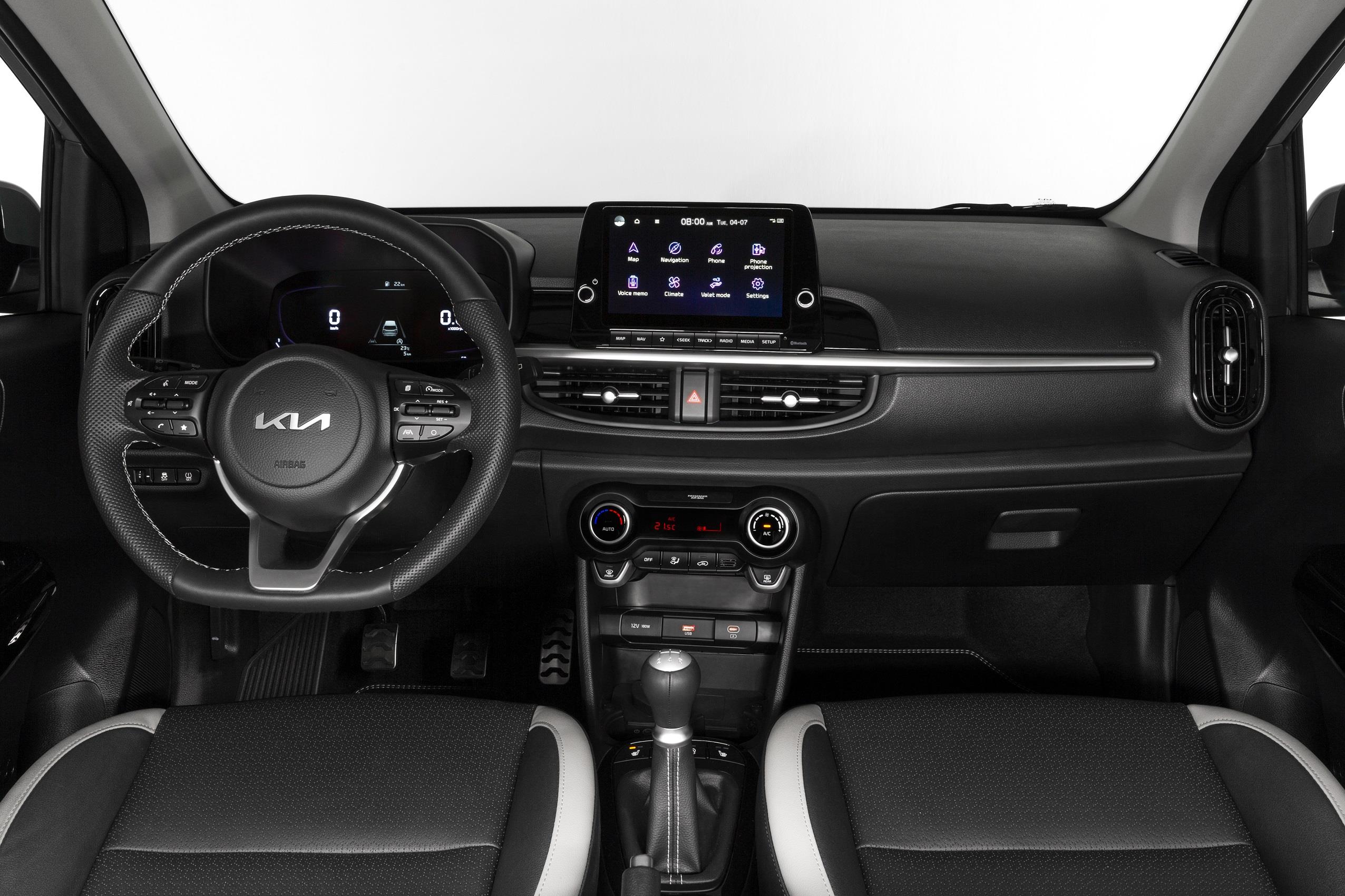
Common causes of air conditioning problems
Besides a faulty compressor and a clogged filter, there are other causes that lead to air conditioning problems. Moisture build-up in the system is one example. Moisture can enter through a poorly sealed circuit or condensation issues. This moisture can freeze in the expansion valve or evaporator, blocking the airflow.
The condenser, the component that dissipates heat, can also be damaged by stone chipping or corrosion. If the condenser is leaking or not functioning properly, the system cannot dissipate heat efficiently. As a result, the pressure in the circuit rises and the air con works less well or stops working altogether.
Another point of attention is the air conditioning drive belt. This belt drives the compressor and can wear or break over time. If the belt comes loose or snaps, the compressor no longer turns and the air con does not work. When checking the air conditioning, this belt should therefore always be included.
Musty air and odours from the air conditioning
Musty or unpleasant smells from the air con are a frequently heard complaint among Kia Picanto owners. The cause is often fungal and bacterial growth on the evaporator. This evaporator becomes cold and damp during use, providing an ideal environment for micro-organisms. When you switch off the air con, moisture remains behind and mould can develop.
The solution is to clean the evaporator with a special air conditioning cleaning agent. This product kills bacteria and fungi and leaves a fresh smell. It also helps to switch off the air con a few minutes before the end of your journey and set the fan to the highest setting. This way the evaporator dries out and micro-organisms have less chance to grow.
Costs of air conditioning repair for the Kia Picanto
The cost of repairing the air conditioning depends on the cause of the problem. A simple service, in which the refrigerant is topped up and the system is inspected, usually costs between 50 and 100 euros. This is preventive maintenance that Kia recommends having carried out every two years or every 30,000 kilometres.
Replacing the cabin filter is relatively inexpensive and generally costs between 20 and 50 euros, including labour. For many models you can also replace this filter yourself, meaning you only pay for parts. Check your Picanto’s owner’s manual to see where the filter is located and how to replace it.
If there is a leak in the system, costs are higher. Detecting a leak takes time and requires specialist equipment. Repairing a leaking pipe or connection can range from 100 to 300 euros, depending on the location and accessibility. Replacing the condenser or evaporator is more expensive and can run up to 400 to 600 euros.
The highest costs are associated with replacing the air conditioning compressor. Including labour and refilling the system, you can expect to pay 400 to 800 euros. It is therefore wise to have a thorough diagnosis carried out first before agreeing to this repair. Always ask for a quote and compare prices at several garages.
‘ A dirty filter burdens the system and reduces performance. ’
Maintenance tips to prevent air conditioning problems
Regular use of the air con, including in winter, helps to keep the system running smoothly. Run the air conditioning at least once a month for fifteen minutes, even if it is cold outside. This keeps the pipes lubricated and prevents seals from drying out and starting to leak.
Replace the cabin filter on time. A dirty filter burdens the system and reduces performance. Kia recommends replacing this filter at least every two years or every 30,000 kilometres. If there is a lot of dust or air pollution in your area, more frequent replacement may be necessary.
Have your air con checked periodically by a professional. A professional air conditioning check includes inspecting the refrigerant level, system pressure, leaks and operation of components. This prevents bigger problems and keeps costs manageable. Invest in this check every two years, especially if your car is older than five years.
Checks you can carry out yourself
You can carry out a few simple checks yourself to detect problems at an early stage. Check whether the airflow from the vents is sufficiently strong. If the airflow feels weak, the filter is probably clogged. Also check whether water droplets appear under the car when the air con has been running. This is normal condensation water from the evaporator, a sign that the system is working.
Pay attention to strange noises when you switch on the air con. A clicking sound is normal, but rattling or grinding noises may indicate a problem with the compressor or drive belt. Also check whether the air con only causes problems at certain temperatures or weather conditions. That can point to sensor or moisture problems.
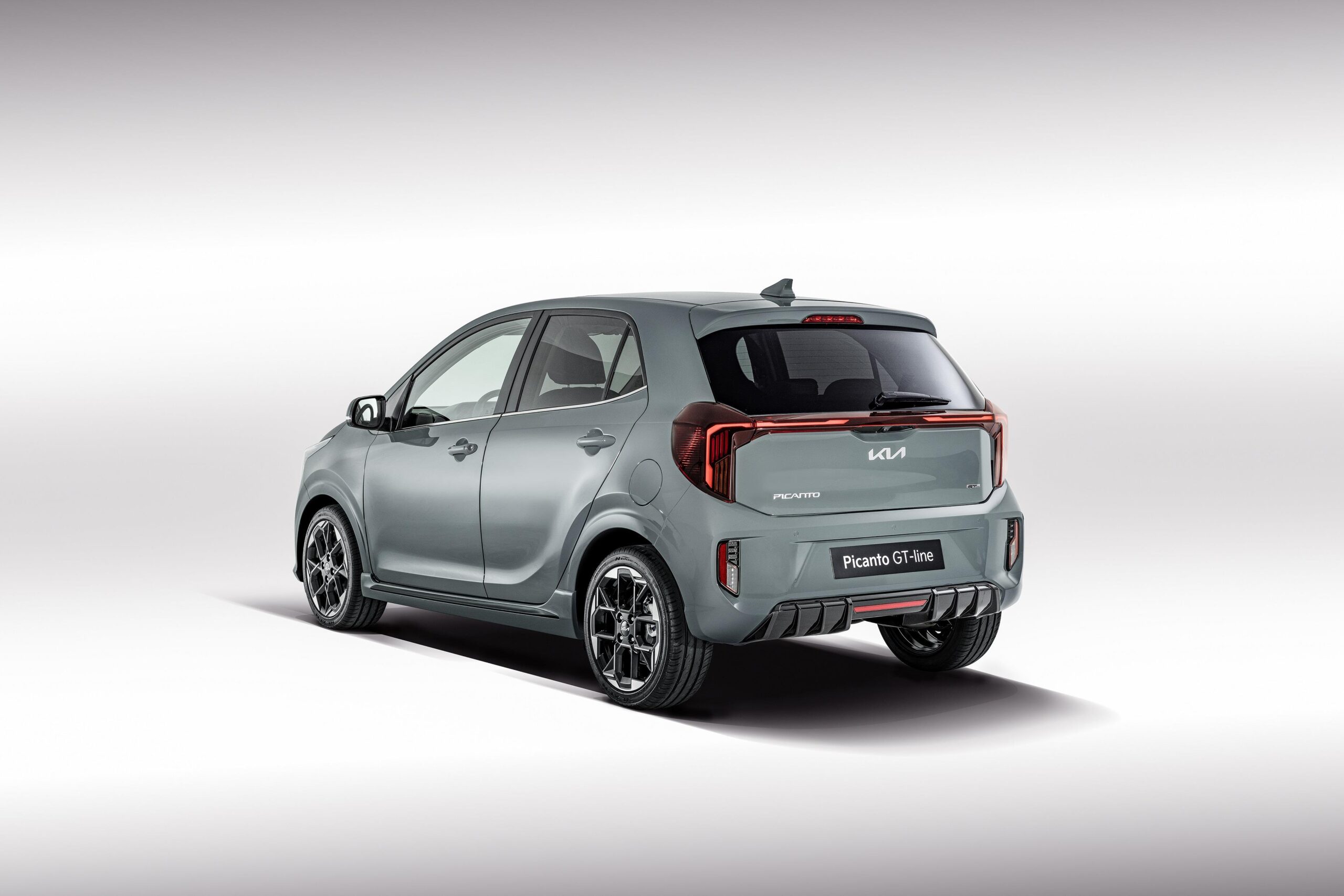
More information and tips about the Kia Picanto
Air conditioning problems are just one aspect of maintaining your Kia Picanto. On the Carnews website you will find extensive information about other common problems, maintenance tips and owners’ experiences. Whether you are looking for advice on engine issues, transmission or electronics, there is much more to discover. Visit Carnews and stay up to date with everything you need to know about your car.
Frequently asked questions
The most common air conditioning problems with a Kia Picanto are reduced or failing cooling and a musty or damp smell from the air vents. Often, a dirty or clogged cabin filter and overdue air con maintenance (not having it checked or refilled in time) turn out to be the cause. In addition, leaks in the air conditioning system and electronic or sensor faults occur, causing the air con to work only intermittently. In practice, the causes are therefore often relatively simple, such as the filter, moisture or small leaks, and less often a genuinely faulty compressor.
You can first check whether the airflow from the vents is normal and, if not, check the cabin filter for blockage or have it replaced. Pay attention to whether the air con actually switches on (compressor click, engine speed drops slightly) and whether the pipes under the bonnet become cold and damp; if not, there may be a refrigerant or pressure problem. Also check for musty smells and moisture in the car; this may indicate a blocked condensate drain or contaminated evaporator. If the problem persists or the air con works intermittently, have an air con check carried out so the system can be tested for leaks, pressure and fault codes.
You can check the cabin filter yourself and replace it (as a rule of thumb every 2 years/30,000 km) if it is dirty or clogged. Clean the air vents and make sure the air inlets at the base of the windscreen are free of leaves and dirt. Visually check that the condensate drain under the car is not blocked (with the air con running there should usually be some water dripping under the car). For topping up refrigerant, tracing leaks or fixing electrical faults it is more sensible to visit a garage.
The costs of having the air con of a Kia Picanto repaired can vary considerably, depending on the cause of the problem. As a rough guide, expect around €80–€150 for a simple air con check and refill, and several hundred euros (for example €300–€800 or more) if components such as pipes, condenser or compressor need to be replaced. It is often recommended to have a diagnosis or air con check carried out first to determine the exact costs.
Use the air con of your Kia Picanto at least once a week, even in winter, so the system stays lubricated and dry. As recommended, have an air con check carried out every 2 years or every 30,000 km and replace the cabin filter at the same time to prevent reduced airflow and musty smells. Occasionally check yourself for damp or oily patches under the car when using the air con, which can indicate a leak. If the cooling remains weak or intermittent, have a specialist check the system for leaks, pressure and electronic faults rather than just topping up the refrigerant.