
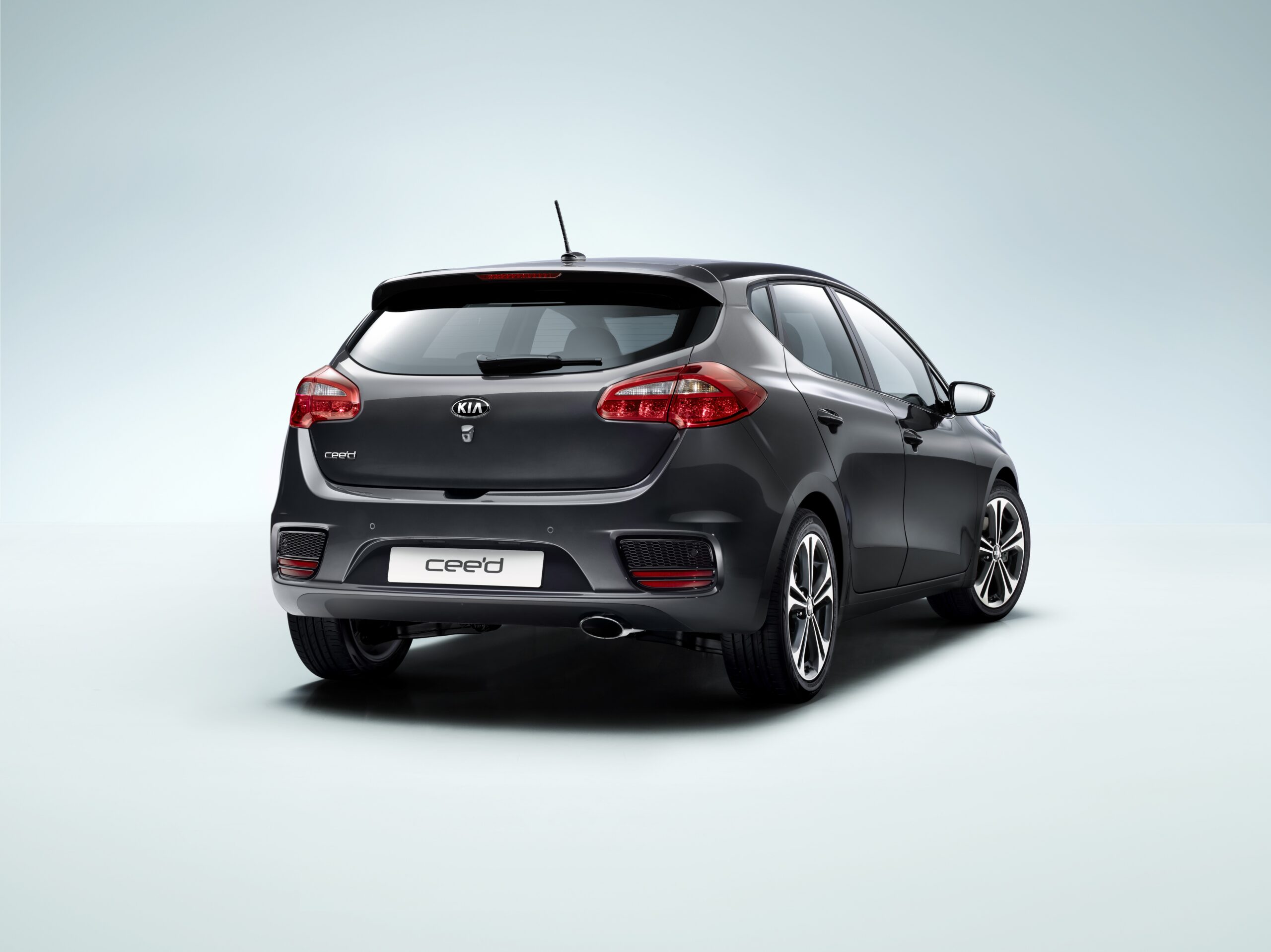
An air conditioning system that doesn’t cool, misted-up windows and warm air instead of refreshment are familiar complaints for many Kia Ceed owners. The cause is often leaks in the refrigerant or a failing compressor. If you keep driving with a faulty air conditioning system, it doesn’t just become uncomfortable; moisture in the car can also lead to damaged components. Fortunately, most problems can be solved with maintenance or a targeted repair.
Common air conditioning complaints with the Kia Ceed
The air conditioning in the Kia Ceed regularly suffers from faults. This applies especially to models from 2015 onwards and the third generation from 2018 and later. Owners report a wide range of problems that can seriously affect driving comfort. In some cars the air conditioning doesn’t start at all. Other cars only blow warm air or produce strange noises. These complaints are common with the Kia Ceed and can have several causes.
The most frequently reported symptoms are:
- Warm air from the vents, even though the air conditioning is switched on
- A compressor that does not engage or makes rattling noises
- Misted-up windows that do not clear
- A musty or unpleasant smell when the air conditioning is switched on
- Complete failure of the air conditioning system, sometimes together with other electrical functions
These complaints can occur on hot summer days. They also arise in damp weather. As a result, not only comfort suffers, but also visibility because of fogged-up windows.
‘ The compressor is another vulnerable component. ’
What causes a faulty air conditioning system?
A non-working air conditioning system often has a clear cause. The refrigerant in the system can leak away through damaged pipes or hoses. Without sufficient refrigerant, the air conditioning cannot produce cold air. Leaks arise due to wear, vibrations while driving or small cracks in the connections.
The compressor is another vulnerable part. This component pumps the refrigerant through the air conditioning system and runs along with the engine. In the Kia Ceed, the compressor sometimes wears out faster than expected. This mainly affects older models from the period 2010 to 2015. A broken compressor can cause clicking sounds, rattling or complete failure of the air conditioning.
In addition, blocked pipes can disrupt operation. Faulty valves or sensors also affect air conditioning performance. In newer models, software and electrical malfunctions also play a role. Owners report failure of the air conditioning. At the same time the radio, cruise control or infotainment system shuts down. These problems are often linked to faults in the electronics or blown fuses.
Another common complaint is a bad smell. This is caused by mould and bacteria in the evaporator, where moisture accumulates. This does not affect cooling performance, but it does make using the air conditioning unpleasant.
Can you top up the air conditioning yourself?
In theory it is possible to top up the refrigerant with a refill kit from a shop. In general this is not recommended without technical knowledge. The air conditioning system operates with specific pressure levels and quantities of refrigerant. Too much or too little can cause damage to the compressor and other components.
What’s more, topping up only solves the problem if there is a small pressure loss. Is there a leak? Then the refrigerant will escape again and the problem remains. A garage can pressurise the system with specialist equipment. The garage can then check where the leak is. Usually the leak is repaired first, before the refrigerant is topped up.
During an annual service or maintenance service, the refrigerant is often checked and the system can be topped up. The costs for this are around €150. This prevents bigger problems and keeps the air conditioning working properly. Anyone wanting to do the work themselves must take environmental legislation into account. Refrigerant may not simply be discharged and requires special disposal.
What are the repair costs for the air conditioning?
The costs of repairing the air conditioning depend on the cause. The required parts also determine the price. A simple check and topping up of the refrigerant is relatively inexpensive, whereas replacing the compressor can become quite costly.
An indication of the costs:
- Checking and topping up refrigerant: €100 to €200
- Tracing and sealing a leak: €150 to €500
- Replacing the compressor: €800 to €1,500, depending on the model and the garage
- Cleaning the system to remove bacteria and odours: €50 to €100
- Repair of electrical faults or software update: variable, often from a few tens to several hundreds of euros
With major repairs there are often additional costs. This is the case, for example, with a new compressor. In that situation the entire system usually needs to be flushed as well. This prevents dirt or metal particles from the old compressor from damaging the new one. The total bill can then rise to more than €1,000.
Preventive maintenance is therefore important. Have the air conditioning checked every two years or every 30,000 kilometres at a garage or Kia dealer. This way, small problems are detected in time and repair costs remain limited.
‘ Acting early prevents a small problem from turning into an expensive repair. ’
Practical tips to prevent air conditioning problems
With proper maintenance and a few simple habits you can extend the life of the air conditioning system. This also helps prevent faults. Use the air conditioning regularly, even in winter. This keeps the seals supple and prevents the system from drying out.
Keep the temperature moderate. A difference of no more than five degrees compared with the outside temperature is enough and prevents overloading the system. In extreme heat it is better to open the windows briefly first. This allows the worst heat to escape. Only then switch on the air conditioning.
Switch the air conditioning off about fifteen minutes before the end of your journey, but leave the fan running. This dries the evaporator and prevents moisture from building up. As a result, mould and bacteria have less chance to grow. An annual cleaning or disinfection of the system also helps against unpleasant odours.
Watch out for signals such as reduced cooling or strange noises. Fogged-up windows that do not clear are also a warning sign. Keep an eye on this. These can be early warnings of a leak, or may indicate a defective component. Acting early prevents a small problem from turning into an expensive repair.
For models with known software issues, an update at the dealer can help. This sometimes resolves electrical faults without any parts needing to be replaced.

When should you go to the garage?
Some air conditioning problems you can identify yourself. Most repairs, however, require professional help. Does the air conditioning still blow warm air after the refrigerant has been checked? Then the problem probably lies deeper. A faulty compressor requires diagnostics with specialist equipment. A faulty sensor or software issue also requires specialist diagnosis.
If you hear clicking, squeaking or rattling noises when switching on the air conditioning, contact a garage. This may indicate a compressor that is seizing up or other mechanical problems that can quickly get worse. If your windows remain misted up despite a working fan, it is also wise to have the system checked.
If the air conditioning fails together with other electrical functions such as cruise control, the radio or safety systems, there may be a broader electrical fault. This occurs more frequently with newer Kia Ceed models. It requires a thorough check of the wiring and electronics.
A reliable garage or Kia dealer can read out the system. This allows them to trace leaks and identify model-specific problems. If in doubt, an inspection is always sensible, especially before summer starts and you need the air conditioning most.
Want to know more about the Kia Ceed?
Air conditioning problems are just one aspect of looking after your car. Everyday use brings many more challenges. On the Carnews website you will find much more information about common issues, maintenance tips and experiences with different models. From engine problems to electrical faults and everything in between. Discover useful tips, practical advice and everything you need to know to keep your car in top condition.
Frequently asked questions
The most common air conditioning faults with the Kia Ceed are blowing only warm air, the air conditioning not switching on, unusual noises and foul-smelling air from the vents. Underlying causes are often refrigerant loss due to leaks, a prematurely worn or defective compressor, and blocked pipes or evaporator. In addition, with newer Ceed models software and electrical faults regularly play a role, such as fuse problems or faults in the control system. Regular checks for leaks, refrigerant level and a software diagnosis at the dealer are therefore essential.
Start the engine, set the air conditioning to “LO” or the coldest setting, set the fan to half to full speed and check whether the compressor can be heard switching on (a slight clicking sound in the engine bay) and whether the fan in the interior is blowing properly. Then check whether the air really becomes cooler than outside and feel at both centre vents whether the temperature is the same; if it stays warm, there may be too little refrigerant or a defective compressor. Check in the owner’s manual where the air conditioning/climate fuses are located and see whether any fuse has blown. If the air conditioning smells bad or the windows fog up quickly, cleaning the vents and evaporator with an air conditioning cleaner can be a first step, but if the air continues to stay warm, a visit to a garage is necessary.
You can check yourself whether the air conditioning switches on correctly (indicator light/setting), replace the cabin filter and clean the air vents. Clean the air ducts and evaporator with a special air conditioning cleaner from a shop to reduce smells and mould. Visually inspect the fuses related to the air conditioning/climate control and replace any blown fuse with exactly the same type/amp rating. Always leave checking or topping up refrigerant, tracing leaks and working on the compressor or pipes to a garage.
Typical repair costs for the air conditioning on a Kia Ceed range roughly from about €150 for just topping up and a basic check to around €1,000 or more when replacing a defective compressor, depending on leaks, parts and labour. Electrical or fuse problems are usually cheaper to fix, while extensive leaks or contamination can quickly drive up the price. You can save money by having the air conditioning checked preventively every two years, topping up the refrigerant in good time and keeping the system clean (for example, preventing bad smells and mould by switching the air conditioning off a few minutes before parking). Also compare quotes from a main dealer and a good independent garage and always ask for a diagnosis with a cost estimate first.
Yes, have the air conditioning checked preventively at least every two years or 30,000 km at a Kia dealer (refrigerant, leaks, pressure and compressor operation). Switch the air conditioning off 10–15 minutes before you arrive and let only the fan run to limit moisture and mould formation in the evaporator. Use the air conditioning now and then in winter as well to keep seals and compressor lubricated and to prevent leaks. Keep the temperature setting reasonable (preferably no more than about 5 °C below the outside temperature) to limit the load on the compressor and electronics.