

A defective air conditioning pump is one of the most expensive repairs your car can face, especially in models where this part is known as a weak point. The compressor in your climate control system pumps refrigerant through the system and ensures pleasant temperatures, but if it fails you are facing a bill ranging from several hundred to more than a thousand euros. Recognising the early warning signs can prevent costly consequential damage.
How to recognise a defective air conditioning pump
The most common indication is simple: your air conditioning blows lukewarm or warm air while you have set it to cool. This happens because the compressor no longer compresses and circulates the refrigerant. In many models, including the Seat Toledo, this is a common complaint that sometimes only appears after years of use.
In addition, you often hear extra noises. Rattling, ticking or a squeaking sound when switching on the air conditioning points to wear on the V-belt, a defective bearing or a slipping magnetic clutch. The compressor is activated via a clutch that connects the pulley to the engine. If the distance between the pulley and the magnetic plate deviates from the standard 0.4 to 0.6 millimetres, wear occurs.
Other signs are unpleasant smells from the vents, the air conditioning switching on and off very frequently, or even complete failure of the climatronic system (the automatic climate control that regulates temperature and air distribution automatically). In some cases, restarting the engine helps temporarily. This points more to electrical problems in the air conditioning module or sensors than to a direct mechanical defect in the pump.
‘ Lack of maintenance is an underestimated factor. ’
Common causes of air conditioning pump failures
In around half of all cases, the problem lies with the refrigerant. A leak in the system leads to a refrigerant level that is too low, so the compressor is not lubricated sufficiently. Without lubrication, the mechanism seizes or becomes badly damaged. Contamination of the refrigerant speeds up this process.
Mechanical wear due to age also plays an important role. The air conditioning pump contains moving parts that wear out over time, such as the control valve in variable compressors. A slipping V-belt or defective belt tensioner causes irregular drive, shortening the compressor’s service life.
Electrical faults also cause problems. Broken wiring, a blown fuse or faulty sensors can block the compressor. The air conditioning module sends signals to the pump based on pressure and temperature readings, and if that data is incorrect, the system switches off as a safety measure.
Lack of maintenance is an underestimated factor. Long periods without use dry out the lubrication, especially in winter. Dirt in the condenser or evaporator reduces efficiency, forcing the compressor to work harder and wear faster.

How much does air conditioning pump replacement cost
The cost of a new air conditioning pump varies greatly by make and model. For common cars, the price of the part is between 300 and 800 euros. On top of that come labour costs for removal, installation and refilling the air conditioning system with refrigerant. This work must be carried out by an F-gas-certified mechanic due to environmental legislation. This certification is mandatory for anyone working with fluorinated greenhouse gases in air conditioning systems.
In total, you often pay between 600 and 1,200 euros at a garage. For premium brands or models with specific air conditioning systems, costs can be even higher. Replacing only the control valve or sensors is cheaper and often costs between 150 and 400 euros, labour included.
Do not replace the entire compressor straight away without a diagnosis. First check whether sensors, fuses or the magnetic clutch are causing the problem. A systematic check prevents unnecessary expenses.
Can you drive without air conditioning
Technically, you can drive without a working air conditioning system. The car will start normally and the engine will run as usual. Safety risks are limited, unless condensation forms on the windows because the air is not being dehumidified. Modern air conditioning systems not only cool, but also remove moisture from the air.
Comfort is of course another story. In summer the car quickly becomes uncomfortably hot, which can affect your concentration. In winter you miss the rapid demisting of windows. Health complaints such as headaches can occur when driving for long periods in the heat.
One important point: do not ignore a broken compressor for too long. If the problem is due to metal wear in the pump, particles can circulate throughout the system and damage the condenser, evaporator or pipes. This leads to much higher repair costs than simply replacing the compressor.
‘ Preventive maintenance significantly extends service life. ’
How long do air conditioning pumps normally last
The average service life of an air conditioning pump is between 8 and 12 years, depending on use and maintenance. In cars where the air conditioning is used regularly and checked annually, the compressor often lasts longer. By contrast, pumps in cars where the air conditioning is not switched on for months wear out faster because the lubrication dries out.
Preventive maintenance significantly extends the service life. Switch on the air conditioning at least once a month in winter for a few minutes to circulate the lubricant. Have the refrigerant level checked every two years and topped up if necessary. Clean the condenser annually to remove dirt and insects that obstruct cooling.
Replace the pollen filter every year, because a clogged filter increases the pressure in the system and puts more strain on the compressor. Also regularly check the tension of the V-belt; a belt that is too tight or too loose causes wear.
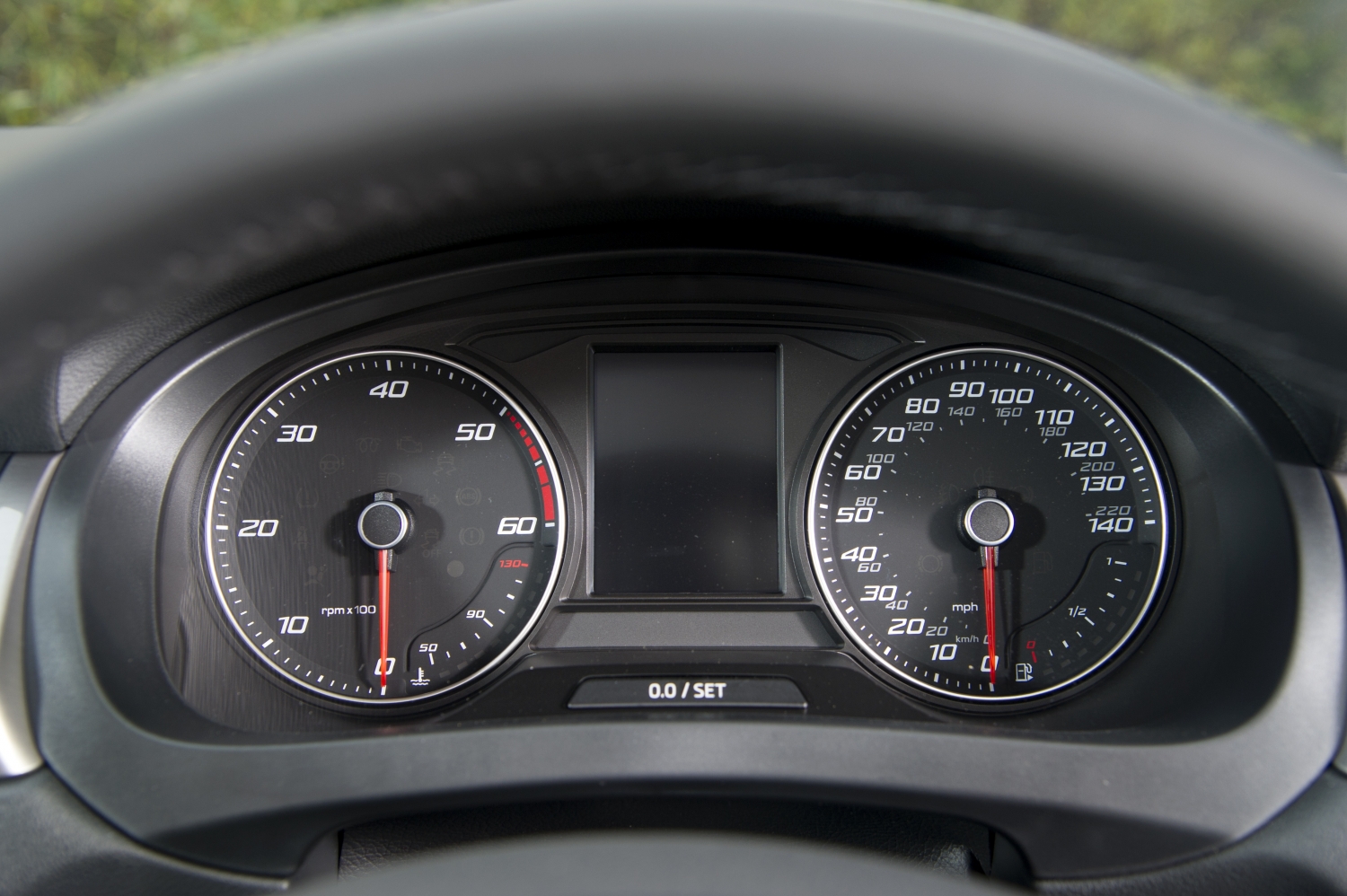
Diagnostic steps for owners
Start with a basic check. Start the engine and let it run at 1,500 to 2,000 revolutions per minute. Switch the air conditioning on at fan speed 2 or 3 and measure the temperature of the air coming out of the vents. If the difference from the outside temperature is less than 10 degrees, the system is not functioning properly.
Listen for extra noises when switching on. A clicking sound at the compressor is normal when the magnetic clutch engages, but rattling or squeaking points to wear. Visually check whether the pulley at the front of the compressor starts to turn as soon as the air conditioning is switched on.
If in doubt, have a pressure test carried out. A mechanic measures the static pressure with the air conditioning switched off and the operating pressure during use. Rapid pressure fluctuations point to problems with the control valve in variable compressors. Pressure that is too low indicates a leak or too little refrigerant.
Read any fault codes via the OBD port (the standardised diagnostic connection in your car, usually under the dashboard). The air conditioning module stores faults. These faults indicate whether the problem is electrical, mechanical or related to sensors. Resolve these codes first before replacing the compressor.
Tips to keep costs down
Always request multiple quotes from different garages. Price differences can be significant, especially for parts. Consider a reconditioned compressor instead of a new one; these are often 30 to 50 per cent cheaper and come with a warranty.
Have the system flushed after replacing the compressor. If the old pump has spread metal particles, the new part will quickly become contaminated again. This flushing costs extra, but prevents a second repair in the short term.
Check whether only the magnetic clutch needs to be replaced. This is located on the outside of the compressor and is relatively easy to replace, costing between 100 and 250 euros including installation. Some brands supply the clutch as a separate part.
Use the air conditioning regularly, even in cooler months. This prevents seals from drying out and lubrication from stagnating. A simple measure that postpones expensive repairs.
‘ On the Carnews website you will find extensive information on a wide range of car problems. ’
Find out more about car problems
Air conditioning pump failures are just one of the many technical challenges car owners face. On the Carnews website you will find extensive information on a wide range of car problems. Think of engine and transmission faults, electrical defects and maintenance tips. Discover practical guides, recognise symptoms at an early stage and learn how to keep costs down. Take a look and stay up to date with everything you need to know as a car enthusiast.
Frequently asked questions
You can recognise a failing air conditioning pump or problems with the climate control system by the fact that the air conditioning still blows, but only gives lukewarm or insufficiently cool air, even at maximum cooling. Other clear signs are rattling, ticking or slipping noises under the bonnet when the air conditioning switches on, or an air conditioning system that switches on and off very frequently for short periods. Musty or unpleasant smells may also come from the air vents, or a lot of moisture/condensation may remain in the car. Persistent failure or intermittent functioning of the climatronic system (sometimes only restarting helps) often points to electrical or sensor problems rather than just a mechanical defect in the pump.
Have the air conditioning checked annually by an authorised mechanic for refrigerant level, leaks and correct operation of the compressor. Clean or replace the cabin filter regularly and make sure the condenser and air ducts are free from dirt and leaves. Use the air conditioning system in winter as well (at least once a month) so that the compressor and seals remain lubricated. Pay attention to unusual noises or fluctuating cooling performance and have this checked immediately to prevent damage to the air conditioning pump and other parts of the climate control system.
Yes, a defective air conditioning pump or poorly functioning climate control system can increase fuel consumption, because the compressor adds extra mechanical resistance to the engine, especially if it seizes or runs under heavy load continuously. In modern cars, however, the compressor is often switched off automatically or its capacity is reduced to limit power loss, so the impact on performance is usually noticeable but not extremely large. If you drive with the air conditioning completely switched off and the pump free-running, the effect on consumption and performance is small. With a defect that makes the engine work harder (for example, a seizing pump or slipping clutch) you may notice a more obvious loss of power and higher fuel consumption.
Yes, you can first check yourself whether the air conditioning fuse is intact, whether the V-belt is still properly tensioned and does not look cracked or badly worn. Also check whether the condenser at the front (in front of the radiator) is not completely clogged with dirt and leaves, and replace or clean the cabin filter if it is old or blocked. Pay attention to whether you can hear the compressor/air conditioning pump engaging (click/slight drop in revs) when you switch on the air conditioning; if nothing happens, it may be an electrical problem or a lack of refrigerant. Anything involving refrigerant (leaks, refilling) and opening the system should be left to a garage.
The diagnostic costs for an air conditioning pump fault are usually around €50–€120, depending on the hourly rate and the test equipment required (pressure measurement, reading fault codes, leak detection test). For repairs you can roughly expect €300–€1,200 or more, ranging from replacing a control valve or sensor to complete compressor replacement including dryer, condenser and refilling. The price is mainly influenced by the type and age of the car, the extent of the damage (just valve/electrical or a mechanically seized pump), the availability of OE or aftermarket parts and the labour rates of the workshop. It also depends on whether additional work is required, such as flushing the system or fixing a refrigerant leak.