
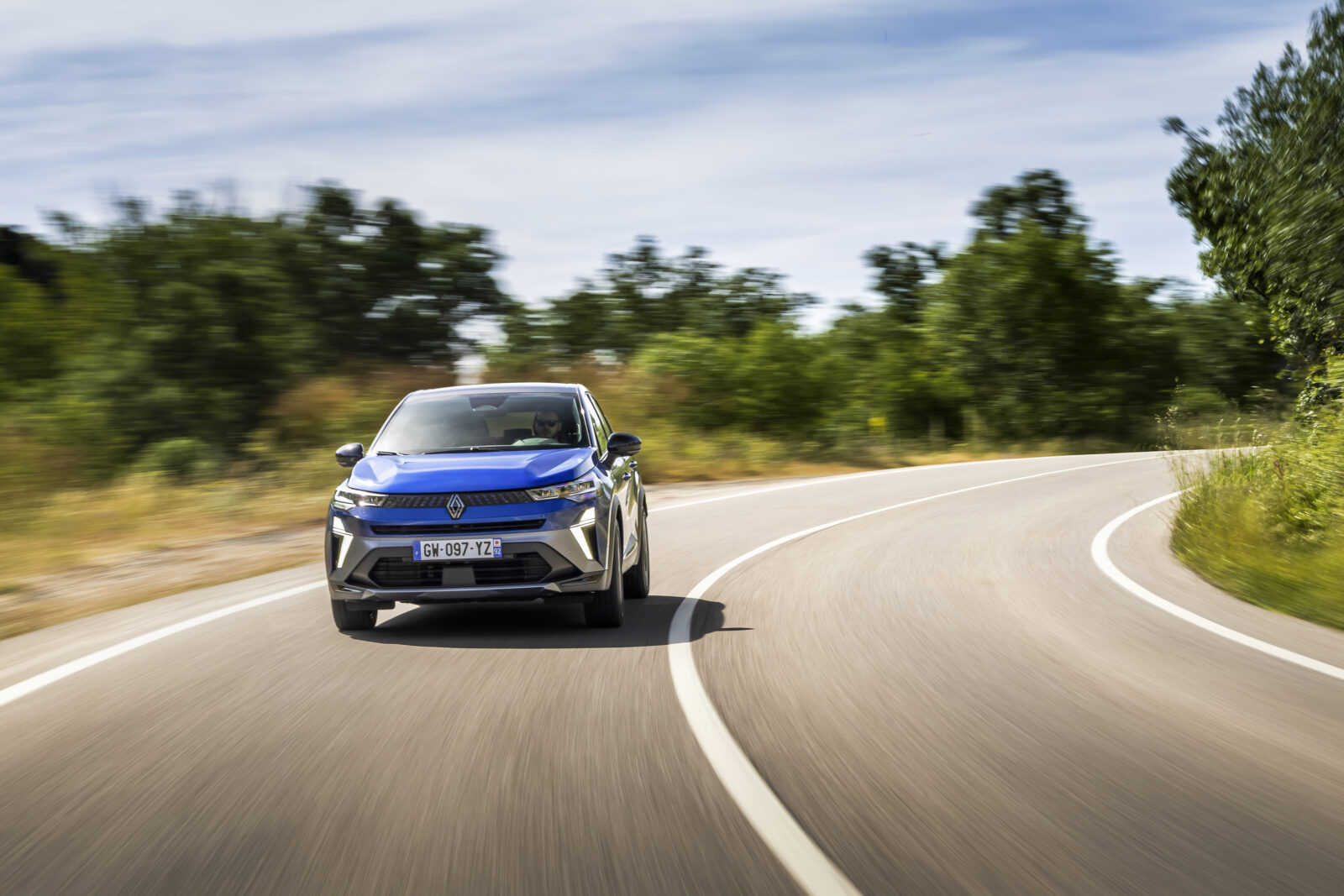
A clean air filter largely determines how well your engine performs. Dirt build-up in the air filter housing not only affects the intake air, but can also lead to noticeably higher fuel consumption and reduced engine torque. This problem especially builds up in models that do not receive enough attention during routine servicing. Discover why regular air filter maintenance is essential and how you can easily do it yourself.
Why air filter maintenance makes a difference
The air filter removes dust, dirt and insects from the intake air before it reaches the engine. Clean air ensures optimal combustion, which directly translates into better performance and lower fuel consumption. A clogged filter reduces airflow and forces the engine to work harder for the same power. This not only increases wear, but can also lead to higher emissions or a sooty smell when starting.
Owners of the Renault Captur report on forums that a dirty filter noticeably increases fuel costs. After replacement, these cars pull like new again. The compact housing of this model is easy to access, but it does not always get the attention it needs. Dirt build-up can therefore go unnoticed until performance clearly drops.
With intensive use or driving on unpaved roads, dirt builds up more quickly. City traffic with dusty air or gravel tracks accelerates this process. In such conditions, a clean filter not only performs better, but also protects the turbo and other sensitive engine components from premature damage.
How often should you replace the air filter
The standard recommendation for air filter replacement is around 20,000 kilometres or once every four years. You will find this interval in most maintenance schedules and it is suitable for normal use. In more demanding driving conditions it pays to shorten this interval to 15,000 kilometres. Think of regularly driving on dusty roads, gravel tracks or in urban air with higher fine dust concentrations.
Signals that indicate replacement is needed include:
- Poor acceleration or reduced engine torque
- Higher fuel consumption without any other clear cause
- Rough idling or a hesitant engine
- Visible dirt build-up on visual inspection
Always consult the owner’s manual for the exact specifications of your model. Intervals vary per engine type, for example between a 1.3 TCe (a compact turbocharged petrol engine) and dCi diesels (diesel engines with direct injection). Differences in model year and trim level also play a role in determining the correct replacement interval.
Replacing the air filter yourself saves money
Replacing an air filter is one of the simplest maintenance jobs you can do yourself. The job often takes less than ten minutes and saves labour costs of between 13 and 45 euros. The housing is usually easy to reach via the bonnet. You do not need any special tools.
Follow these steps to replace it:
- Open the bonnet and locate the black plastic box, often a rectangular panel on the passenger side
- Remove the clips or screws holding the housing in place
- Pull out the old filter and inspect it for dirt, tears or clumps
- Clean the inside of the housing with a damp cloth, do not use a pressure washer
- Fit the new filter in the correct position and press it firmly into place
- Close the housing and check that all clips click firmly into place
Choose a good quality filter, such as OEM parts or reputable brands. Cheap versions filter less finely and can cause engine damage. The ideal filter removes particles smaller than 3 microns (thousandths of a millimetre) from the air. The cost of doing the replacement yourself is between 20 and 50 euros for the filter itself.
What happens if you ignore dirt build-up
Ignoring dirt build-up leads to progressive deterioration of engine performance. The engine does not get enough air for optimal combustion, which shows up as reduced power and higher consumption. Owners report an increase of 5 to 10 per cent in fuel costs when the filter has not been replaced for too long.
With more severe contamination, further problems arise. The engine has to work harder to draw in enough air, which accelerates wear on parts such as the turbo. In extreme cases, a completely clogged filter can damage the mass air flow sensor or other sensors in the intake system. This results in significantly higher repair costs than simply replacing the filter.
Emissions are also negatively affected. Poor combustion due to a lack of clean air increases the production of harmful substances. During the MOT (periodic technical inspection), this can lead to a failure, especially with diesel engines where soot emissions are strictly monitored.
Can you clean the air filter yourself
Standard paper air filters are not designed to be cleaned. These filters are damaged by washing or blowing out with compressed air, causing them to lose their filtering ability. Replacement is then the only option.
Reusable cotton or foam filters can be cleaned. These filters, such as K&N versions often used by tuners, require a specific approach:
- Spray the filter with special cleaner and leave to soak for 15 minutes
- Rinse carefully with cold water from the clean side to the dirty side
- Allow the filter to dry completely naturally, do not use a hairdryer or heat source
- Apply filter oil according to the manufacturer’s instructions
Cleaning reusable filters takes more time than replacing a disposable filter, but delivers cost savings in the long term. Bear in mind that incorrect maintenance reduces filter performance and can cause engine damage. Always follow the manufacturer’s instructions carefully.
Practical tips for optimal air filter maintenance
Prevent water damage by not driving through deep puddles. Water in the air filter can damage the filter and in the worst case reach the engine. This leads to serious damage that is not covered by the warranty. Always visually check the filter for moisture after driving through puddles.
If you regularly drive in dusty environments, monthly checks are worthwhile. Remove the filter and gently shake it out, or blow it out with low-pressure compressed air from the clean side. This simple action extends its service life and keeps performance up to scratch.
Combine air filter replacement with other routine maintenance tasks. At the same time, check the oil filter and engine oil for complete engine care. This saves time and ensures that several wear-sensitive parts are checked in one go. For hybrid versions, note that some models have dual filters for different systems.
Owners who carry out their own maintenance report clear improvements. After replacement or cleaning, the engine pulls better, the throttle responds more directly and fuel consumption drops noticeably. These benefits make regular air filter maintenance one of the most cost-effective ways to keep your car in top condition.
Find out more about car maintenance
Air filter maintenance is just one part of complete car care. On the Carnews website you will find extensive information on engine problems, maintenance tips and practical guides for various models. From oil changes to diagnosing more complex faults, discover how to optimally maintain your car and save money.
Frequently asked questions
Air filter maintenance is crucial because a clogged filter restricts the air supply, making combustion less efficient and causing your engine to deliver less power and torque. In motorsport, where every fraction of a second counts, a clean, free-flowing air filter ensures optimal acceleration and throttle response. In addition, a fresh filter reduces the risk of increased engine wear caused by dirt particles, which improves reliability under high loads. Your fuel consumption and emissions also stay better under control, which is important during intensive and sporty driving.
Check the air filter at least every 20,000 km, but if you do a lot of city driving, short trips or drive on dusty roads, preferably every 10,000–15,000 km. If you usually drive calmly and mainly on motorways, checking it according to the normal maintenance schedule is generally sufficient. Replace the filter as soon as it is visibly dirty or you notice that consumption is rising and the engine pulls less eagerly. Always consult your car’s service booklet for the exact interval.
There are roughly three types of air filter: paper (disposable), foam filters and cotton (usually reusable, performance/high-flow) filters. Paper filters provide very good filtration, but offer the least improvement in airflow. For improved airflow and engine response, a high-quality cotton performance filter is generally recommended. Do make sure you choose a quality filter to maintain adequate filtration.
Yes, you can usually check and replace your car’s air filter yourself quite easily, as it is often easy to access under the bonnet. Doing it yourself saves garage labour costs and allows you to check the filter more often than the official maintenance schedule. A clean air filter provides better engine performance, potentially lower fuel consumption and less wear. You also get to know your car better, which means you will spot other problems sooner.
Signals of a clogged air filter include weaker acceleration, rough idling, a louder intake noise and sometimes a sooty smell or more exhaust smoke. Because of the reduced air supply the engine runs richer, which causes your fuel consumption to rise noticeably. Engine power and torque drop, which you will especially notice when pulling away and overtaking. In the longer term it can also cause extra wear and contamination in the engine, further degrading performance.