

The air suspension on the Audi A6 Allroad and C7 generation often fails after around 120,000 kilometres, with faulty compressors, air springs and sensors as the main culprits. This leads to uneven ride height, warning messages on the dashboard and costly repairs. For anyone who drives such a car or is considering buying one, it is important to know where the weak points lie and which symptoms you can expect.
When the air suspension first starts causing problems
The first signs of failing air suspension usually appear between 100,000 and 150,000 kilometres. The vehicle then slowly sags, especially at the rear, or no longer reaches the correct preset ride height. You may see the warning message “Air suspension: system fault!” appear on the dashboard. These complaints are common in Audi A6 models of the C7 generation and Allroad versions.
Some owners leave their car parked overnight. By the next morning the vehicle has slowly sunk down. This points to a loss of pressure in the system. Worn sealing rings in the compressor or small leaks in the air lines often cause this problem. The system then has to work harder to maintain the pressure. This additional load puts strain on the compressor and shortens its service life even further.
‘ The compressor is one of the most vulnerable components. ’
Causes of air suspension failures
Several components are responsible for faults. The compressor is one of the most vulnerable parts. It builds up pressure in the system. Over time the compressor no longer supplies sufficient air. Damaged sealing rings in the compressor cause a loss of pressure, meaning the vehicle can no longer maintain its height.
Ride height sensors measure the position of the suspension and send this information to the control unit. A faulty sensor passes on incorrect readings, causing the system to react incorrectly. This leads to fault codes such as C1046 and C1047. These codes indicate problems with the level control system.
On top of that, electrical issues disrupt the system. Poor electrical connections, blown fuses or faults in the control module are common causes. These result in system errors. The solenoid valves, which regulate the air pressure, also start to act up due to wear or contamination.
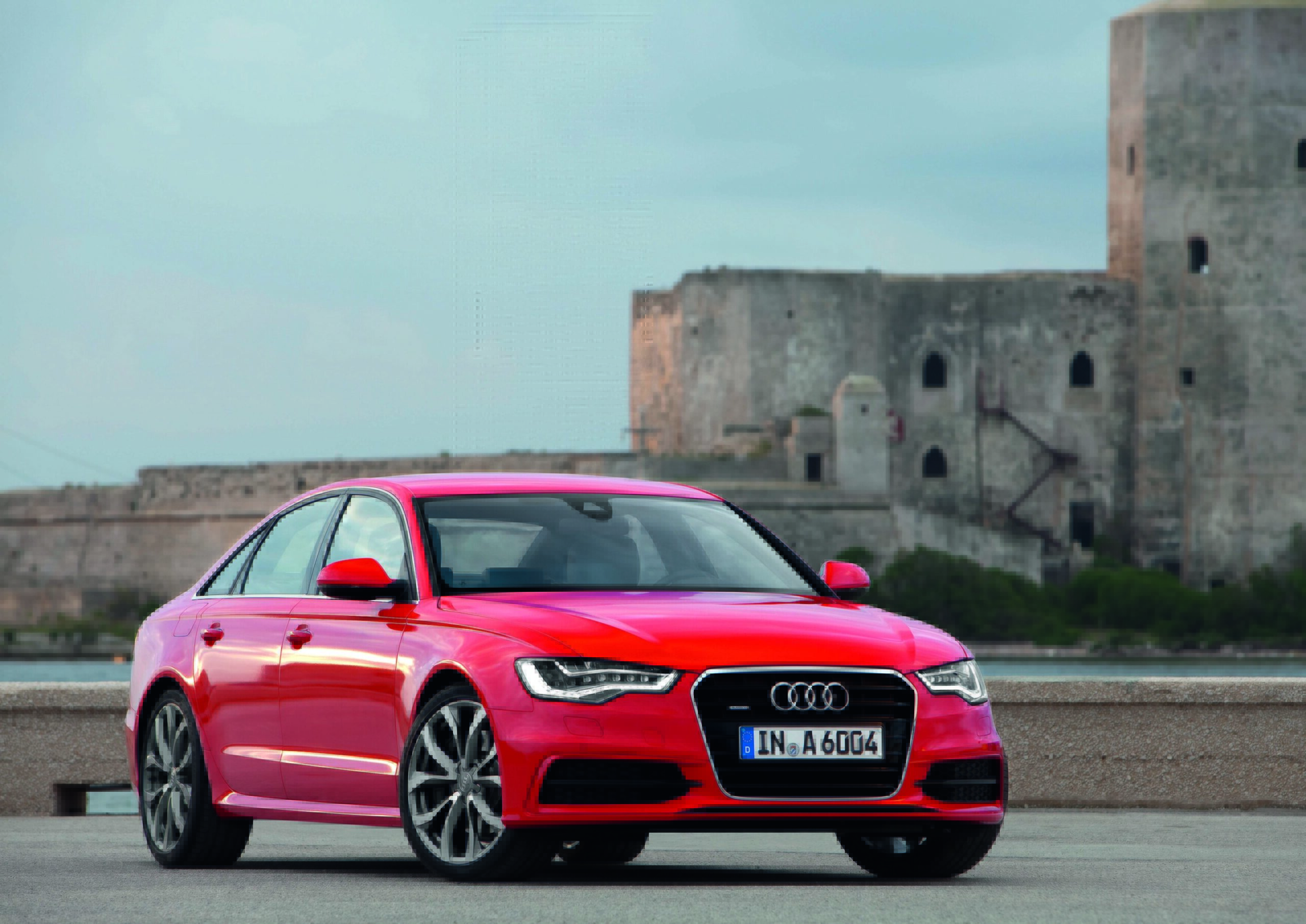
How do you test the air suspension on an Audi A6 C7?
You can carry out an initial basic check yourself. Leave the car parked overnight. Measure the ride height the next morning. If the vehicle has clearly sunk, this points to a loss of pressure in the system. Visually check whether any air lines are damaged. Look underneath the car for signs of leaks.
For a thorough diagnosis you need an OBD-II scanner – a diagnostic tool that reads fault codes. This reads out the stored fault codes. The control unit stores these codes. Common codes are C1046 and C1047, which indicate problems with pressure and ride height. Professional diagnostic tools such as VCDS – brand-specific diagnostic software for VAG cars – read the entire air suspension system and test it. This includes the individual sensors and valves.
Also test the compressor. Raise the vehicle manually via the MMI system – the operating system in the car. Listen to hear whether the compressor is running and pay attention to any unusual noises. A failing compressor often makes an abnormal sound and also cuts out prematurely.
What does an air suspension repair cost on an Audi A6 Allroad?
The costs vary greatly depending on how serious the problem is. The parts that need replacing also determine the final bill. A new ride height sensor costs €150 to €300 each, excluding labour. The Allroad usually has four sensors, so the costs quickly mount up.
Replacing the compressor is one of the more expensive repairs. A new compressor costs between €800 and €1,500, plus labour. Including fitting and calibration, the bill can rise to €2,000 or more. At specialist companies, overhauling the compressor is a cheaper alternative. The costs are around €500 to €800.
Several components can fail at the same time, which further increases the costs. Replacement of air lines, solenoid valves and sealing rings may be added on top. A complete overhaul of the air suspension system comes to between €3,000 and €5,000. Some owners therefore opt for a conversion to conventional suspension. This is often cheaper, but you lose the comfort and the adjustable ride height.
‘ In this generation the compressor is a well-known weak point. ’
Which generation has the most air suspension problems?
The C7 generation of the Audi A6, produced between 2011 and 2018, has the most reported complaints about air suspension. The models from the first years of production show more faults, particularly up to around 2014. The Allroad version is especially vulnerable. Its higher weight plays a role here, as does the frequent use of the adjustable ride height.
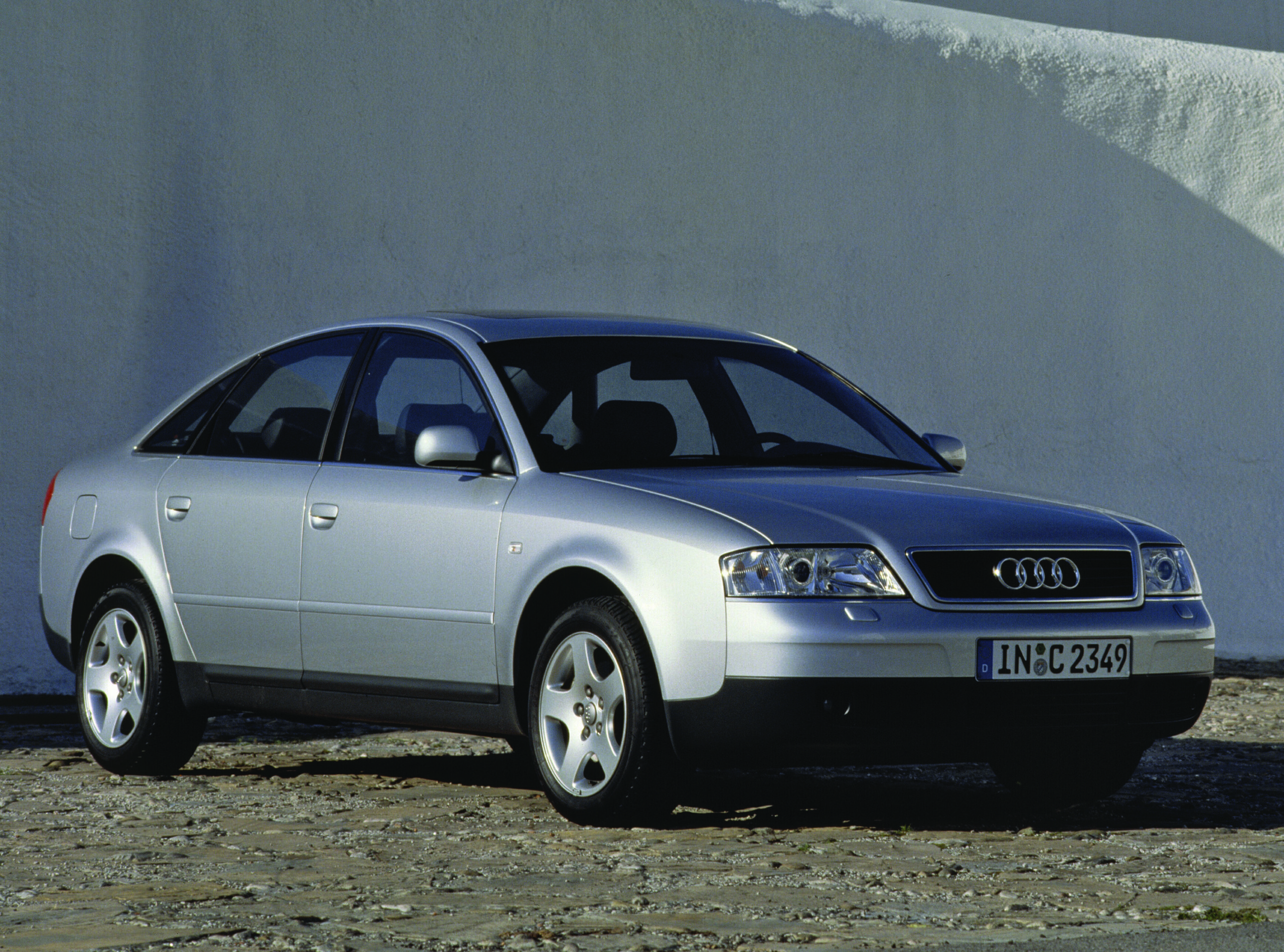
In this generation the compressor is a well-known weak point. Once the mileage reaches around 120,000 kilometres, the first symptoms start to appear. The C6 generation, its predecessor from 2004 to 2011, also had air suspension problems, but these were less common than with the C7.
Later C7 models, from model year 2015 onwards, are slightly more reliable thanks to improved components. Air suspension nevertheless remains a component that requires regular maintenance and attention. If you are considering a used Audi A6 Allroad or C7, have the condition of the air suspension thoroughly checked first. Do this before you buy.
Preventive maintenance and warning signs
Regular maintenance postpones problems and can also prevent them. Have the system checked annually by a garage that understands Audi systems. They will proactively inspect the system for leaks, wear and electrical issues.
Pay attention to early warning signs. The car rises more slowly after starting. You hear unusual noises from the compressor. The dashboard displays warnings. Respond quickly to these signals to prevent further damage. A small leak will get worse. The leak overworks the compressor, leading to a much more expensive repair.
Poorly maintained roads are demanding on the system. Avoid them where possible. Also avoid off-road use where you can. This puts extra strain on the air suspension and shortens its lifespan. The Allroad is, of course, intended for unpaved roads, so for this variant it is a trade-off between functionality and maintenance.
What to do in case of persistent faults
You try a manual reset via the MMI system. If this does not work, professional help is required. A garage with VCDS software can recalibrate the system. If you have replaced or removed sensors, their position must be reset. Calibration is essential in that case.
There is a persistent loss of pressure and several fault codes appear at the same time. Component replacement is then often unavoidable. Have an authorised technician carry out an extensive test of the system. The technician will use this to identify the exact cause, so you only replace defective parts and leave components that are still in good condition.
If the repair costs are extremely high, consider a conversion to conventional coil springs. This is a permanent solution, but you lose comfort and the adjustable ride height. The system is, however, more reliable in the long term. The costs of a conversion are between €1,500 and €2,500.
‘ On the Carnews website you will find more articles on common technical problems, maintenance tips and buying advice for various Audi models. ’
More information about Audi problems
Air suspension faults are just one of the points of attention on the Audi A6 Allroad and C7. On the Carnews website you will find more articles on common technical problems, maintenance tips and buying advice for various Audi models. You can see what other owners experience and read which solutions work best.
Frequently asked questions
Early signs are that the car noticeably sags (often at the rear) after parking, especially overnight, or that it rises slowly or unevenly when starting or while driving. You may also get messages such as “Air suspension: system fault!” or “Air suspension fault” on the dashboard. In addition, the compressor may cut in more often and for longer, or make more noise than normal, because it is trying to compensate for the loss of pressure. If you notice one or more of these symptoms, there is probably an incipient leak, sensor fault or compressor problem.
The most common causes of air suspension problems on an Audi A6 Allroad or C7 are failures of the compressor, which means insufficient pressure is built up, and air leaks in the air springs, hoses or seals. In addition, worn or defective ride height sensors regularly cause faults. Electrical problems such as poor connections, blown fuses or a fault in the control module are also common. Finally, the car slowly sinking (especially overnight) often points to small leaks in the system.
In principle it is not safe to keep driving for a long period with defective air suspension on an Audi A6 Allroad or C7, because the car will no longer sit at the correct ride height and often leans to one side. This can adversely affect handling, braking performance and stability, especially at higher speeds or in emergency situations. In addition, in the event of a leak the compressor often has to keep pumping, which can lead to overheating and total failure of the system. Other suspension components and tyres can also be subjected to extra stress and wear more quickly.
On average, the costs for repairs to the air suspension of an Audi A6 Allroad or C7 (such as compressor, leak tracing and replacements) are often between about €800 and €2,000, depending on the exact cause and whether several components have to be replaced. Genuine parts and dealer labour rates usually make this the most expensive option. More budget-friendly alternatives include having the compressor overhauled, replacing only the defective air spring or seal instead of complete units, and/or using good-quality aftermarket parts at an independent VAG specialist. These options can sometimes cut the total costs by up to half compared with dealer repairs.
Useful do-it-yourself checks include: a visual inspection for leaks (cracks in air springs, leaking lines, a corner of the car dropping after being parked) and listening to whether the compressor cuts in frequently or runs for a long time. Also check the fuses and relays for the air suspension and whether the connectors at the compressor, valve block and height sensors are firmly attached and clean. Measure the ride height at all four wheels (preferably on level ground) and compare left/right and front/rear to detect any corner that sits differently. If possible, use a basic OBD scanner to read the fault codes to see whether the problem lies with pressure build-up (compressor/leak) or with the sensors/control system.