

A faulty timing belt leads to engine damage, and the water pump must always be replaced at the same time. Both components are directly connected and a worn belt reduces the pump’s performance, causing overheating. Conversely, a seized water pump can cause the belt to snap. Read on to find out when replacement is needed and what the costs are.
The timing belt drives the water pump via the crankshaft. When the belt becomes worn, the efficiency of the water pump decreases. This can cause the engine to overheat. A seized water pump, in turn, puts enormous pressure on the belt, which can then break. This regularly happens around 150,000 kilometres when tensioners fail. The belt can then slip under the plastic cover, resulting in costly engine damage.
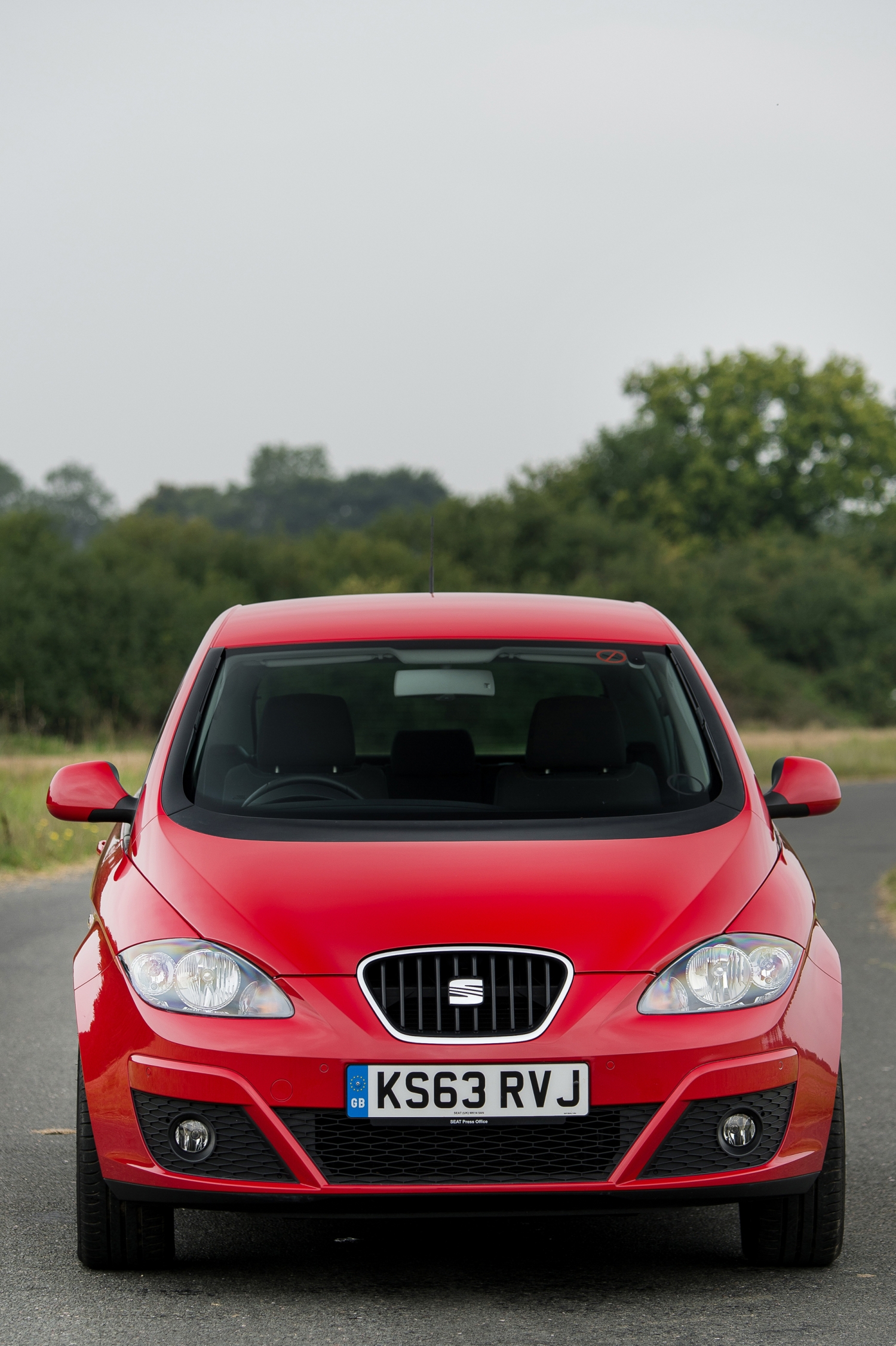
For models such as the Seat Altea with petrol engines, preventive replacement of both components at the same time is therefore sensible. It is also necessary. By replacing them simultaneously you avoid double labour costs. A later pump failure can end up being twice as expensive if the work has to be done all over again.
When should the timing belt be replaced
Most factory recommendations are between 90,000 and 120,000 kilometres, or between five and ten years. Whatever comes first applies. For petrol engines such as the 1.6 and 2.0 FSI, the interval is usually around 100,000 to 150,000 kilometres. Diesel engines with a timing chain, such as the 2.0 TDI, are often maintenance-free and last the lifetime of the car. Always follow the service schedule for your specific model.
Visual inspections during regular services are essential. Cracks, glazing or loose rollers are signs that the belt must be replaced immediately. Not sure? Then replace it preventively at around 150,000 kilometres. A sticker on the bonnet with the replacement date and mileage helps you keep track of this.
‘ In the best-case scenario you are stranded at the roadside, in the worst case the engine is a write‑off. ’
What happens if the timing belt snaps
In interference engines, pistons and valves collide when the belt snaps. This leads to serious engine damage. Repair costs can rise to more than 3,000 euros. In the best-case scenario you are stranded at the roadside, in the worst case the engine is a write‑off.
Faulty tensioners often fail at around 150,000 kilometres. The belt can then slip under the plastic cover and lose synchronisation between crankshaft and camshaft. The result is that valves and pistons hit each other while the engine is running. Preventive maintenance prevents this completely.
How much does timing belt maintenance cost
The costs for basic belt replacement with kit are between 800 and 1,500 euros, depending on the engine type. For a 1.6 engine you pay on average around 1,000 euros. Adding a water pump costs a further 200 to 400 euros, but this saves money in the long term. A later pump failure will again incur labour costs.
Dealers often charge 20 to 50 percent more than independent garages. A dealer price can rise to 2,200 euros for more complex engines. Independent garages often offer the same quality at substantially lower prices. Compare several quotes and ask for genuine or high-quality OEM components such as Gates or Dayco kits. These brands are known for their reliability.
Cost overview per component
- Timing belt with kit: 800 to 1,500 euros
- Water pump: 200 to 400 euros extra
- Tensioners and idler pulleys: included in kit
- Labour: 400 to 800 euros, depending on the garage
Should the water pump also be replaced
Yes, the water pump must always be replaced at the same time when the timing belt is replaced. The service life of the water pump is often shorter than that of the belt. Most pumps do not last two belt cycles. By replacing the pump at the same time you avoid having to pay labour costs again within a few years.
A complete kit contains the belt, tensioners, idler pulleys and water pump. This avoids double costs and ensures that all critical components are renewed at the same time. Owners regularly report that the water pump was already leaking while the belt itself was still in good condition. By replacing both at the same time you eliminate this risk completely.
Practical tips for timing belt maintenance
Always have the timing belt visually inspected during regular services. Cracks, glazing or loose components are warning signs. Use quality oil and avoid overheating the engine to extend its life. For chain-driven engines, it is advisable to have the tension checked from 150,000 kilometres onwards.
DIY replacement is not recommended for beginners. The job requires special tools and precise timing adjustment. Mistakes lead directly to valve damage. Always choose a reliable garage with experience in this type of maintenance. Schedule replacement in good time, ideally before you reach the maximum mileage.
Maintenance schedule in brief
- Check the service book for the specific interval for your model
- Plan replacement between 90,000 and 120,000 kilometres or after five to ten years
- Always replace belt, water pump and tensioners together as a complete kit
- Write the replacement date and mileage on a sticker under the bonnet
- Have the timing belt visually checked at every service
Prevention is better than repair
Timing belt and water pump maintenance is not a luxury but a necessity. The costs of preventive maintenance are nothing compared to the damage caused by a broken belt. By replacing both components simultaneously in line with the factory schedule you keep the engine in top condition. Choose genuine or high-quality OEM components and a reliable garage for the best result.
On the Carnews website you will find more information about engine maintenance, common problems and practical tips for different car brands. Discover which services your car needs and how to avoid costly repairs.
Frequently asked questions
If you postpone or skip maintenance on the timing belt, the belt can snap, causing pistons and valves to collide and often leaving your engine a write‑off. A worn or seized water pump can cause the timing belt to jump or snap, with the same serious engine damage as a result. You also risk the engine overheating due to a poorly functioning water pump, which can cause additional damage. In the end, repair costs can be many times higher than timely preventive maintenance.
You know your timing belt and water pump are due for replacement once the replacement interval in your service book has been reached (usually after a certain number of kilometres or years, whichever comes first). Also watch out for signs such as squeaking or ticking noises from the engine bay, coolant leakage at the water pump or an unstable engine temperature. If cracks, fraying or drying of the belt are visible during an inspection, you must have them replaced immediately. If in doubt, ask for a specific check of the timing belt and water pump at your next service.
The average costs for replacing the timing belt and water pump are roughly between €800 and €1,500, depending on engine type and garage. Dealers are often 20–50% more expensive than independent garages. You can save money by requesting multiple quotes, choosing a reputable independent garage and using good OEM parts instead of main dealer parts. Always have a complete set (belt, tensioners and water pump) replaced at the same time to avoid duplicate labour costs later.
Timely maintenance of the timing belt prevents it from snapping, which can cause severe engine damage and therefore a greatly reduced engine lifespan. A properly functioning water pump ensures optimum cooling, which limits overheating and wear of internal engine components. By replacing both preventively, you reduce the chance of expensive repairs and significantly extend the life of your engine. In addition, engine performance remains more stable because timing and operating temperature stay better under control.
In practice, replacing a timing belt and water pump is not a DIY job for beginners, because it is specialist work where mistakes can lead to serious engine damage. It requires special tools, exact engine timing adjustment and technical experience. Only very experienced hobby mechanics with good documentation and equipment can responsibly do this themselves. For most motorists this is therefore work for a professional.