
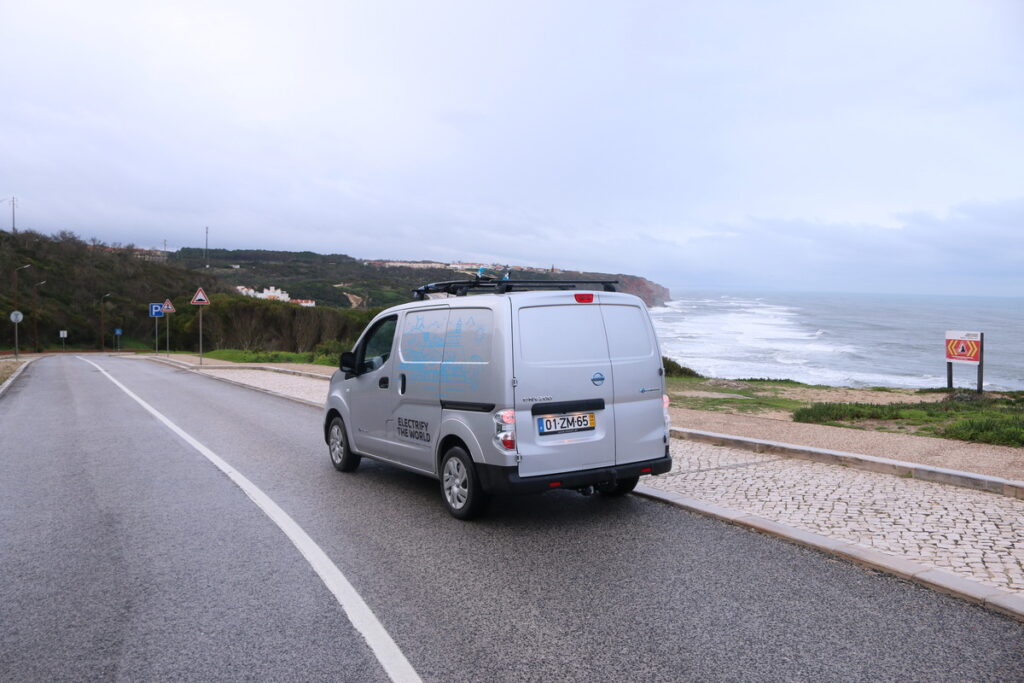
The Nissan NV200 costs an average of 645 euros per year in maintenance, with the transmission and tyres being the main points of attention. Repairs are usually not serious, but do occur with average frequency. Owners of this compact van can keep costs manageable with targeted checks and preventive maintenance.
What are the typical maintenance costs for an NV200?
The annual maintenance costs of a Nissan NV200 vary greatly depending on use and specification. With light use you pay around 250 to 500 euros per year. This mainly covers a minor service including checking fluids, filters and brakes. For normal use, costs rise to 500 to 900 euros per year.
With intensive business use or high mileage you will quickly reach 900 to 1,500 euros per year. Think of extra wear parts such as shock absorbers, wheel bearings and clutches. For more information about problems you may encounter, you can look at the Nissan NV200 page.
A standard service costs between 250 and 400 euros. A major service is clearly more expensive. The level of your maintenance costs mainly depends on the mileage, engine type, age of the vehicle and the quality of its service history.
Repair costs per component
The main cost drivers for the NV200 are the transmission and tyres. Manual versions suffer from clutch wear, which can occur particularly at higher mileages. Automatic versions can develop gearbox faults, although this is relatively rare.
For tyres you should allow for regular replacement, especially with heavy loads. Besides the transmission and tyres you can expect the following maintenance items:
- Brakes and brake discs: replacement when worn, often after 40,000 to 80,000 kilometres
- 12V battery: on average replaced every four to six years
- Fluids and filters: annually or according to the service schedule
- Shock absorbers and suspension: wear out faster especially with heavy loads
- Rust prevention: requires extra attention on older examples
The costs per component vary. A clutch replacement quickly costs 600 to 1,200 euros, depending on the version. A set of tyres ranges between 300 and 600 euros. Replacing brake pads costs around 150 to 350 euros per axle.
Is the Nissan NV200 cheap to maintain?
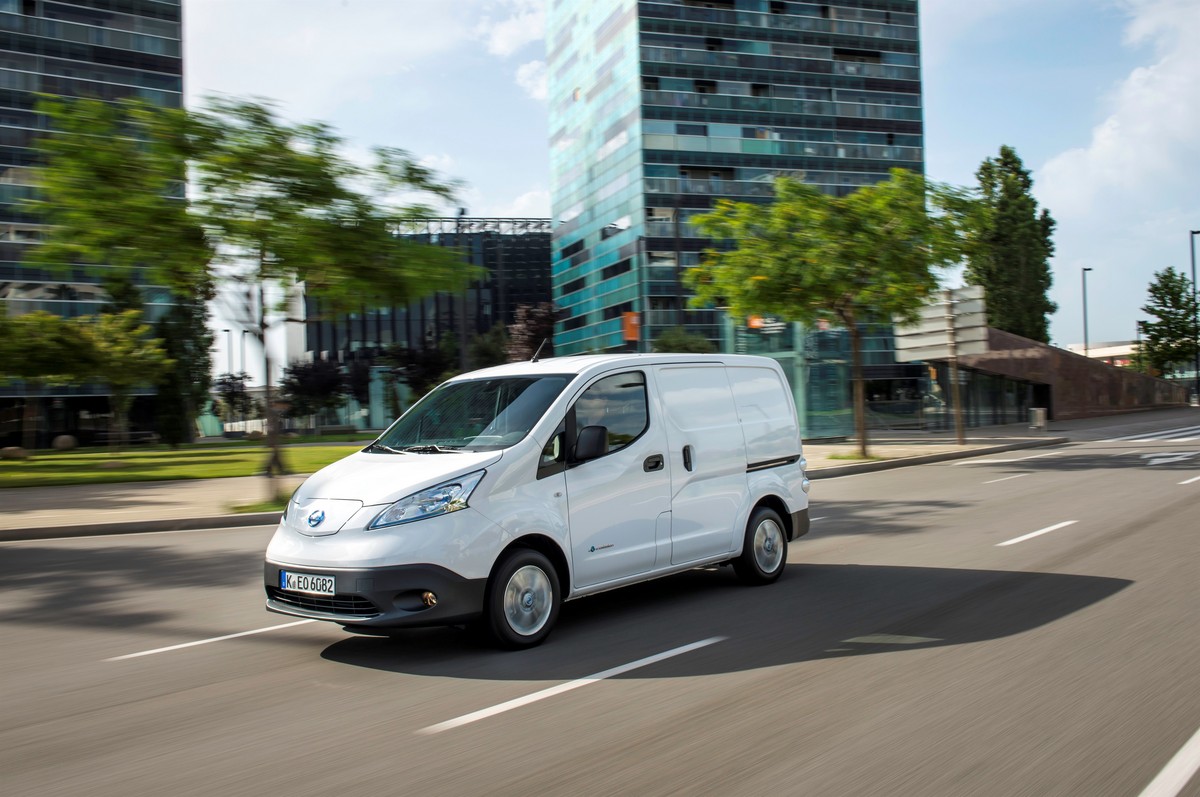
Compared with larger vans, the NV200 scores well on maintenance costs. The simple technology means straightforward repairs and affordable parts. However, the vehicle is not automatically cheap. The frequency of services and the rate of wear determine the costs. How much you actually spend depends on these factors.
The NV200 is often used purely as a work vehicle. This means that many examples have been used intensively and have carried heavy loads. As a result, wear to the chassis, brakes and suspension can be greater than in a comparable passenger car. When buying a used NV200, a complete service history is important to avoid hidden costs.
Differences between petrol, diesel and electric
The petrol version is usually the easiest to maintain. The technology is straightforward and parts are readily available. However, wear on the clutch and ignition components can play a role. For mixed use, the petrol version is often the most predictable choice.
For the diesel version, maintenance costs are generally higher. EGR valves, diesel particulate filters and injectors can lead to expensive repairs. Diesel engines make sense for high mileages. With shorter journeys, emission problems can push up costs.
The e-NV200 has lower routine maintenance costs. There are no oil changes, no exhaust components and no clutch to wear out. Tyres, brakes and suspension components will still need replacing. Be aware: a fault in the high-voltage battery or electric drive system can be expensive. Checks on the cooling system and battery are important for the electric version.
‘ The NV200 is prone to rust on the chassis and load floor. ’
Where does most of the money go?
The biggest costs are routine services, both minor and major. During these, oil, filters and fluids are renewed and wear-prone components are checked. In addition, brakes and tyres are recurring expenses. With intensive use, brake pads and discs wear more quickly.
A 12V battery generally needs replacing every four to six years. On manual versions, clutch replacement is a point of attention at higher mileages. Shock absorbers and other suspension components may need replacing sooner with heavy loads or on poor road surfaces.
Rust prevention is particularly important on older examples. The NV200 is susceptible to rust on the chassis and the load area floor. Regular washing and treating of the underside can prevent costly repairs.
Practical tips to reduce maintenance costs
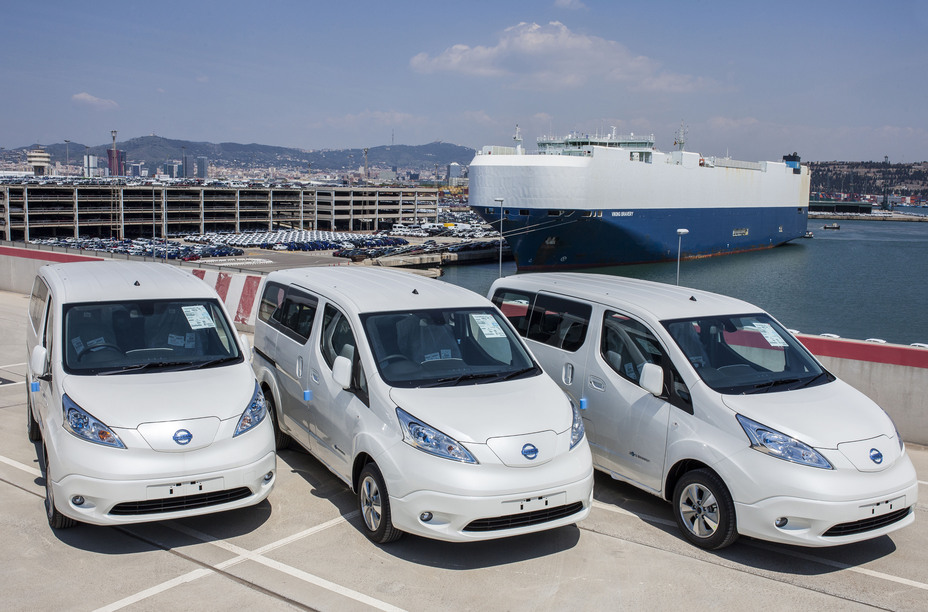
By acting preventively, you can avoid unnecessary costs. Have the vehicle serviced on time according to the manufacturer’s service schedule. Check tyre pressures regularly to prevent uneven wear. Replace air and oil filters according to the schedule to keep the engine in good condition.
For diesel versions it is wise to avoid short trips. Short journeys cause problems with the diesel particulate filter and emissions system. With heavy loads, have the brakes and suspension checked more frequently. Wash and treat the underside regularly against rust, especially in winter.
Use quality parts for repairs to wear-sensitive components. Cheap alternatives may seem like a saving in the short term, but often fail sooner. Keep all service invoices. This increases the resale value and gives future owners confidence in the condition of the vehicle.
Points to watch when buying and using
When buying a used NV200, the service history is crucial. A vehicle with documented servicing is cheaper in the long run than one with an unclear history. Deferred maintenance is a well-known risk with vans.
Pay extra attention to wear caused by loading. The rear suspension, load floor, brakes and clutch can wear particularly quickly under intensive use. Also check for towing or overloading damage. Many NV200s have been used as work vans and have done hard labour.
Do not just factor in scheduled service costs. Unexpected repairs, MOT (APK) failures and wear from city driving can significantly increase annual costs. A low purchase price is no guarantee of low total running costs.
‘ The condition of the battery is an important point of attention. ’
Owners’ experiences
Owners of the e-NV200 often report low maintenance costs and few mechanical issues. The quiet drivetrain and low service frequency are appreciated. At the same time, electric drivers indicate that you have to keep a close eye on the driving range, especially on cold days or with a full load. The condition of the battery is an important point of attention.
Users of the combustion-engine versions mention as an advantage that the technology is straightforward. Maintenance at a good garage remains reasonably affordable, as long as there are no major wear or emission issues. Diesel versions suffer from complaints about EGR problems and diesel particulate filter faults, especially on shorter trips.
Overall picture of maintenance costs
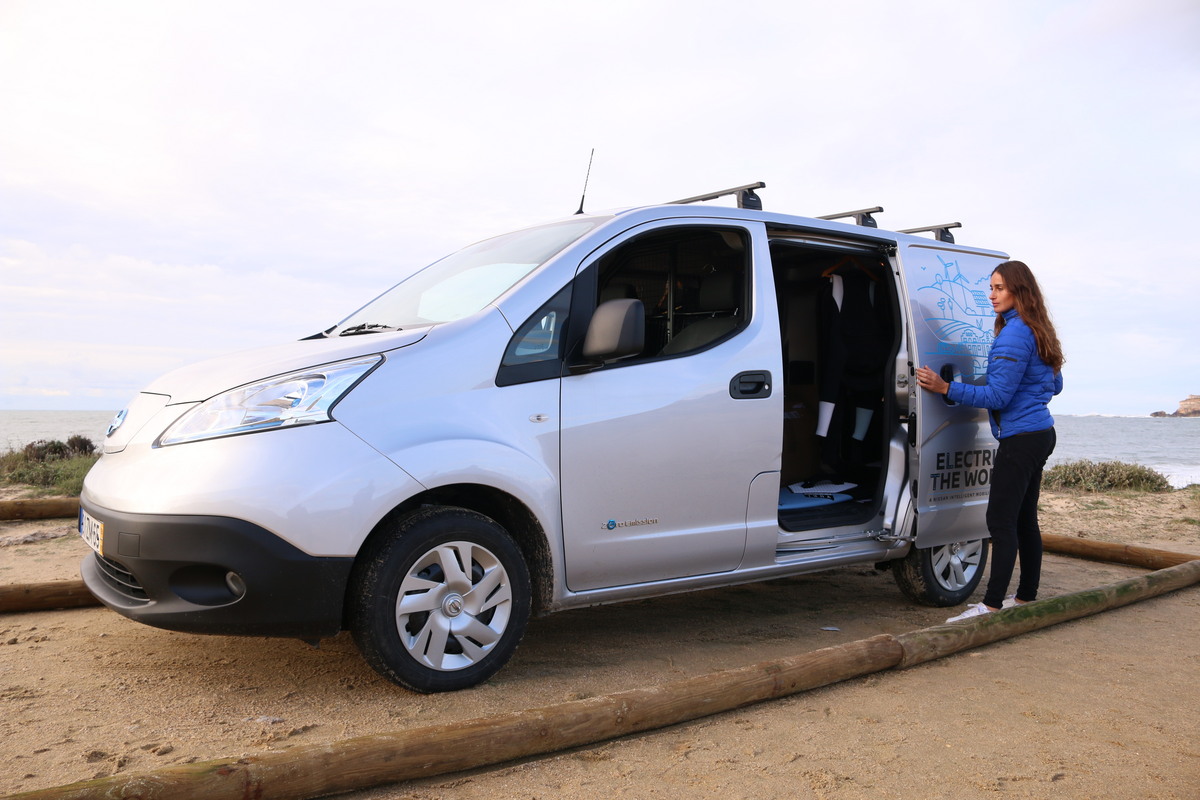
The NV200 is generally not an extremely expensive vehicle to maintain. For normal use you can expect to pay 500 to 900 euros per year. Intensive business use or neglected maintenance can push costs up significantly. The electric e-NV200 is often cheaper in routine maintenance, but requires extra attention to the battery and electronics.
The NV200 is a practical and affordable workhorse. However, the owner must take preventive maintenance seriously. A complete service history is the best guarantee of manageable costs. When buying, watch for wear caused by heavy use and pay extra attention to the chassis, brakes and suspension.
On the Carnews website you can find much more information on maintenance, common problems and practical tips for the Nissan NV200 and other models. Discover more articles and owner experiences to keep your vehicle in top condition.
Frequently asked questions
The average annual maintenance costs for a Nissan NV200 in the Netherlands are roughly between €500 and €900 per year with normal use. With light use this is more likely to be around €250–€500, while with intensive business use costs can rise to around €900–€1,500 per year. These amounts include routine services and normal wear parts, but exclude major, unexpected repairs.
For the Nissan NV200, the periodic services (minor and major services with oil, filters and checks) weigh most heavily in the annual costs. In addition, wear parts such as brakes (discs and pads) and tyres are important cost items. At higher mileages or with intensive use, suspension components (such as shock absorbers) and the clutch also make a noticeable contribution to annual costs.
The annual maintenance costs of the Nissan NV200 are usually in the middle range for light commercial vehicles and compact MPVs. Compared with similar vans, maintenance costs are usually slightly more favourable, mainly due to the relatively simple technology. In comparison with compact MPVs based on passenger cars, costs are often similar or slightly higher with intensive business use. The electric e-NV200 usually sits lower in terms of routine maintenance than both comparable vans and conventional MPVs, but major electrical repairs can increase total costs.
Yes, there are a few known points of attention on the Nissan NV200 that can affect maintenance costs. On diesel versions, the EGR/emission system, diesel particulate filter and injectors are potential cost items, especially with lots of short trips. With intensive loading or business use, brakes, clutch, suspension and rear springs wear faster. Older examples also require extra attention for rust and the overall condition of the chassis.
Plan maintenance preventively according to the factory schedule and use quality (if necessary aftermarket) parts to avoid expensive consequential damage. Regularly check tyre pressures, fluids and brake wear yourself so that small issues do not grow into major repairs. Adjust your driving style by pulling away gently, not overloading the vehicle on a regular basis and limiting short trips (especially with diesel) to reduce wear and faults. Finally, pay attention to rust prevention and cleaning of the chassis, because a solid, rust-free base prevents expensive welding and bodywork in the long term.