
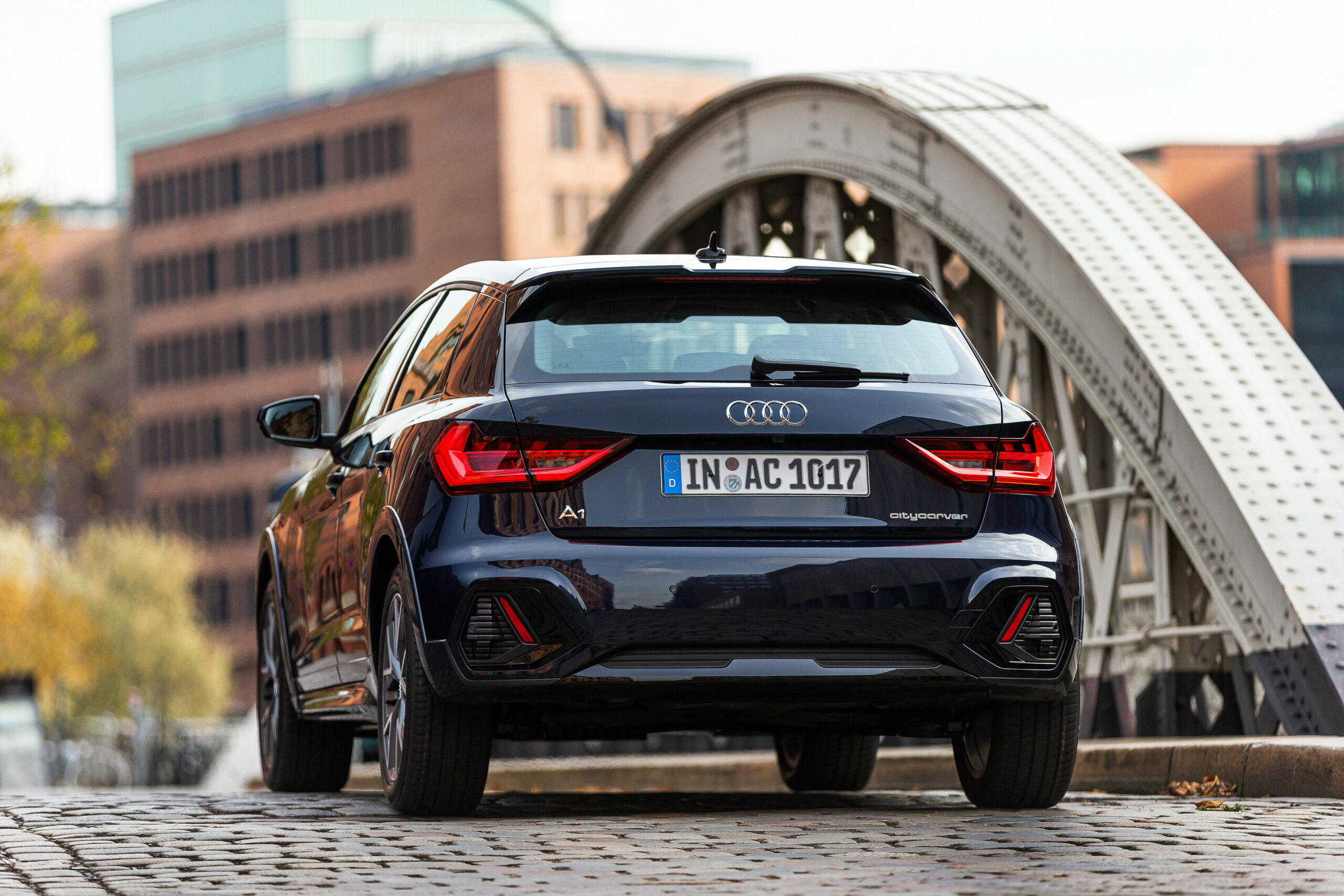
Repairs on an Audi A1 can quickly become very expensive: replacing a timing chain costs between €1,500 and €3,000, a turbo more than €2,000 and air conditioning repairs are around €1,300. Choosing a specialist garage instead of the official dealer can save you hundreds of euros. Read on to find out what repair costs you can expect and how to save money smartly.
Timing chain replacement costs thousands of euros
The timing chain is a frequent weak spot on the Audi A1, especially on models built before 2015. Owners regularly report rattling noises on a cold start, which often point to a worn timing chain tensioner. If you ignore these signs, the chain can jump or break. The damage will then quickly escalate into severe engine damage.
The cost of replacing the timing chain on an Audi A1 is between €1,200 and €2,500. On top of that there is usually seven to ten hours of labour, because the engine has to be partially dismantled. At a dealer you generally pay at the top end of this range, whereas a specialist Audi workshop often charges around €1,500 to €1,800 for the same job.
Note: on some engines the water pump also has to be replaced at the same time, which adds several hundred euros to the bill. As soon as you hear a rattling noise, have a diagnosis carried out straight away so you can prevent more serious damage.
‘ Repairs cost on average around €800, but full replacement is often needed. ’
Turbo expenses rise quickly
The small turbocharged engines of the Audi A1 are prone to turbo failures, where the bearings wear out or the blades get damaged. Power loss, smoke and whistling noises from the engine bay are common symptoms of a failing turbo. The cause is often oil contamination or worn bearings inside the turbo.
Repairs cost on average around €800, but full replacement is often needed. For that you pay between €1,500 and €3,000, depending on the engine and the workshop. On diesel versions the costs are usually at the top end of this range.
Regular oil changes and using the correct oil specification help extend the life of the turbo. At the first signs of power loss, it is better to have a diagnosis carried out immediately, before further damage occurs to the intake system.
DSG gearbox comes with high repair costs
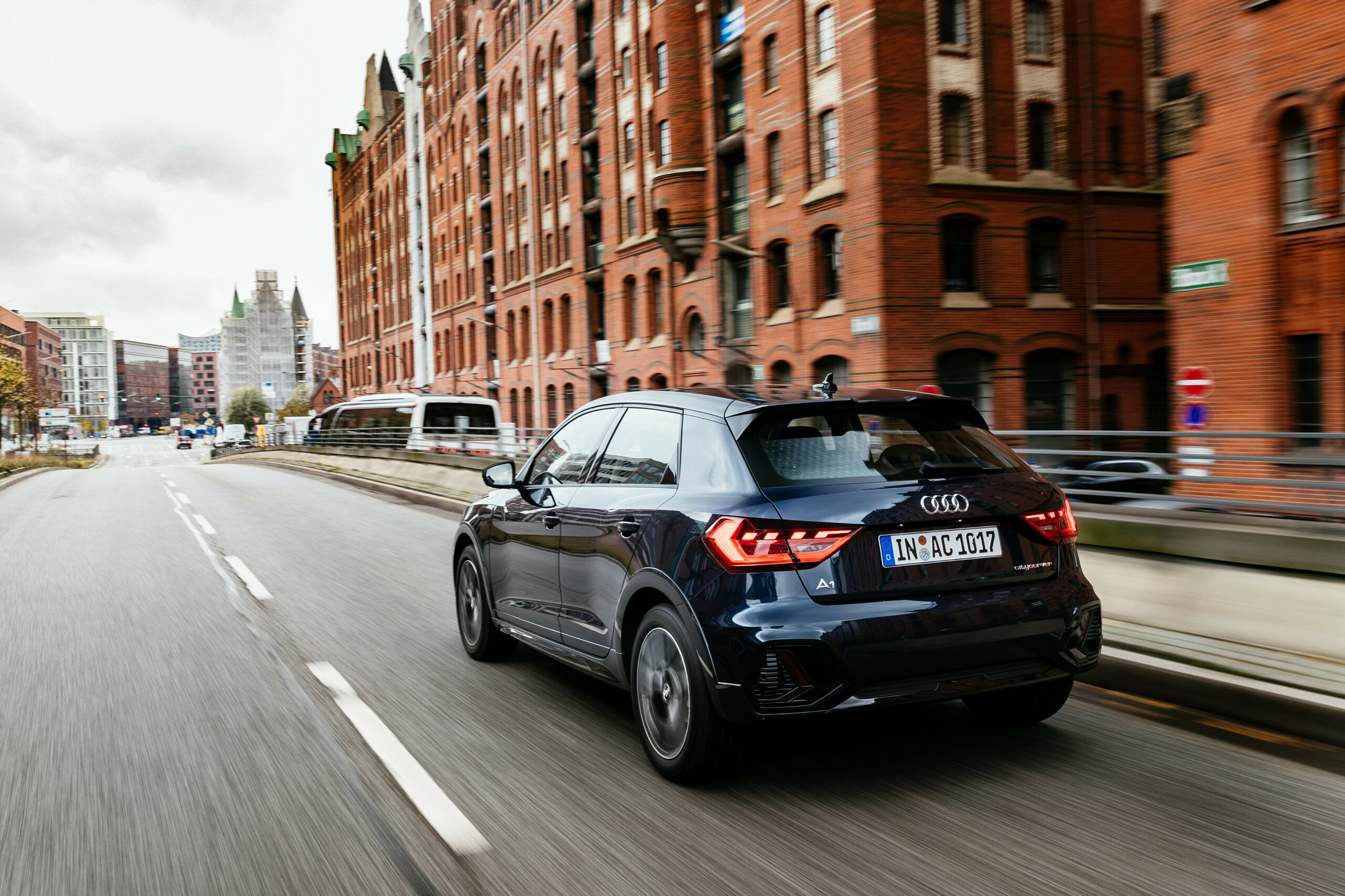
The automatic DSG gearbox in the Audi A1 causes problems for many owners. Jerky gear changes, delayed responses or suddenly dropping into neutral often indicate faults in the mechatronic unit. This electronic control unit forms the heart of the DSG and fails quite regularly.
Minor DSG repairs, such as clutch packs or parts of the mechatronics (the electronics that control the shifting), quickly cost between €400 and €900. In the case of more serious defects, a complete replacement is needed, with prices rising to €6,000 for a new automatic gearbox. On average, workshops charge around €1,900 for DSG-related repair work.
Preventive maintenance on the DSG is therefore sensible. Fluid changes every 60,000 kilometres, costing between €200 and €400, can help prevent major damage. At the first signs of shifting problems, have a diagnosis carried out immediately.
Air conditioning repairs require a sizeable investment
Air conditioning problems are common in the Audi A1. A non-functioning cooling system, warm air from the vents or strange smells often point to leaks in the air conditioning system or a faulty compressor. Leaks usually arise from ageing rubber seals or corrosion of the condenser.
Tracing and repairing an air conditioning leak costs between €150 and €400. If the compressor has to be replaced, the costs are between €800 and €1,300 including labour. For leaks in the condenser, which often occur due to stone chips, you pay between €400 and €700 for replacement.
An annual air conditioning service costing around €80 to €120 helps keep the system in good condition. During this service the refrigerant is checked and any small leaks are detected in good time.
Electrical faults cost time and money
Modern Audi A1 models are packed with electronics, which regularly leads to faults. Problems with the infotainment system, defective parking sensors or an alarm that goes off spontaneously are frequently reported complaints. The central locking and electric windows also sometimes malfunction.
Minor electrical repairs cost between €150 and €600. For more complex faults in the engine management unit or widespread sensor issues, costs rise to €1,000 to €2,500. A diagnostic test costs on average around €60 and can help identify the exact cause.
Many electrical issues are covered under warranty on newer models. Always check first whether you still have a warranty before incurring costs. With parking sensor problems, often only cleaning or re-adjustment is needed, which is much cheaper than replacement.
Common electrical problems
- Infotainment screen that freezes or does not respond
- Defective parking sensors due to moisture or corrosion
- Central locking that does not work
- Alarm system that goes off for no reason
- Faults in stability sensors
Suspension and shock absorbers need regular attention
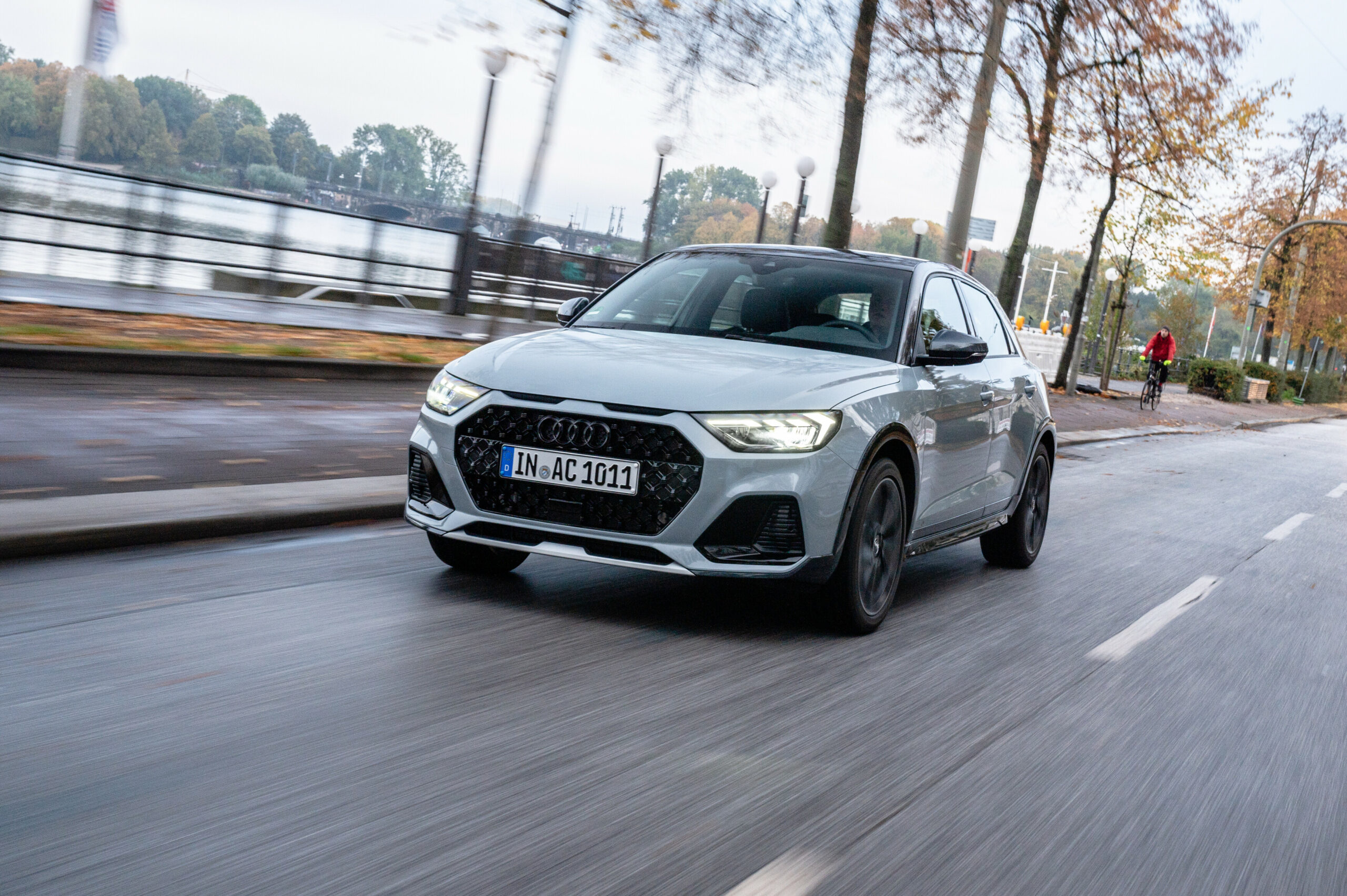
Shock absorbers and suspension components on the Audi A1 wear out through normal use. Clunking noises on bumpy roads, wandering steering or uneven tyre wear often indicate worn shock absorbers or control arms. The standard procedure is to replace per axle, so always in pairs.
Replacing shock absorbers costs on average between €300 and €650 per axle. For control arms and rubber suspension bushes you pay between €150 and €450. Total suspension repairs cost on average around €335 and account for 25 per cent of all repair claims.
Have the suspension checked annually during the MOT. Picking up early signs prevents minor wear damage from spreading to other components such as wheel suspension or drive shafts.
DPF and exhaust problems on diesel models
Diesel versions of the Audi A1 regularly suffer from problems with the diesel particulate filter (DPF). Especially with lots of short trips, the filter clogs up because the regeneration process does not start properly. Symptoms include a lit engine warning light, loss of power and higher fuel consumption.
DPF cleaning costs on average around €200. If cleaning is no longer possible, replacement is needed at a cost of between €1,500 and €2,500. The EGR valve also causes regular issues on diesels, with repair costs between €200 and €400 for cleaning or replacement.
Prevent DPF problems by regularly making longer journeys where the engine reaches operating temperature. This helps the particulate filter regenerate itself. Always use the prescribed engine oil. The wrong oil accelerates clogging of the filter.
Routine maintenance keeps costs manageable
Regular servicing is essential on a premium car like the Audi A1 to prevent major repairs. A minor service costs between €120 and €180, while a major service is between €210 and €320. During major services, engine oil and filters are replaced and you get a full inspection.
Maintaining the brakes is relatively affordable. For new brake pads and discs front and rear you pay between €200 and €380. On average, workshops charge around €135 for brake system maintenance. A new battery is also not a major expense at €120 to €220.
Choose a specialist Audi workshop instead of the official dealer. This often saves 30 to 40 per cent on labour costs, while the quality remains comparable. Always use genuine or high-quality aftermarket parts to prevent premature wear.
Typical maintenance costs at a glance
- Minor service: €120 to €180
- Major service: €210 to €320
- Brake pads and discs (full set): €200 to €380
- Battery replacement: €120 to €220
- Oil change: €150 to €300
Smart choices can save you hundreds of euros
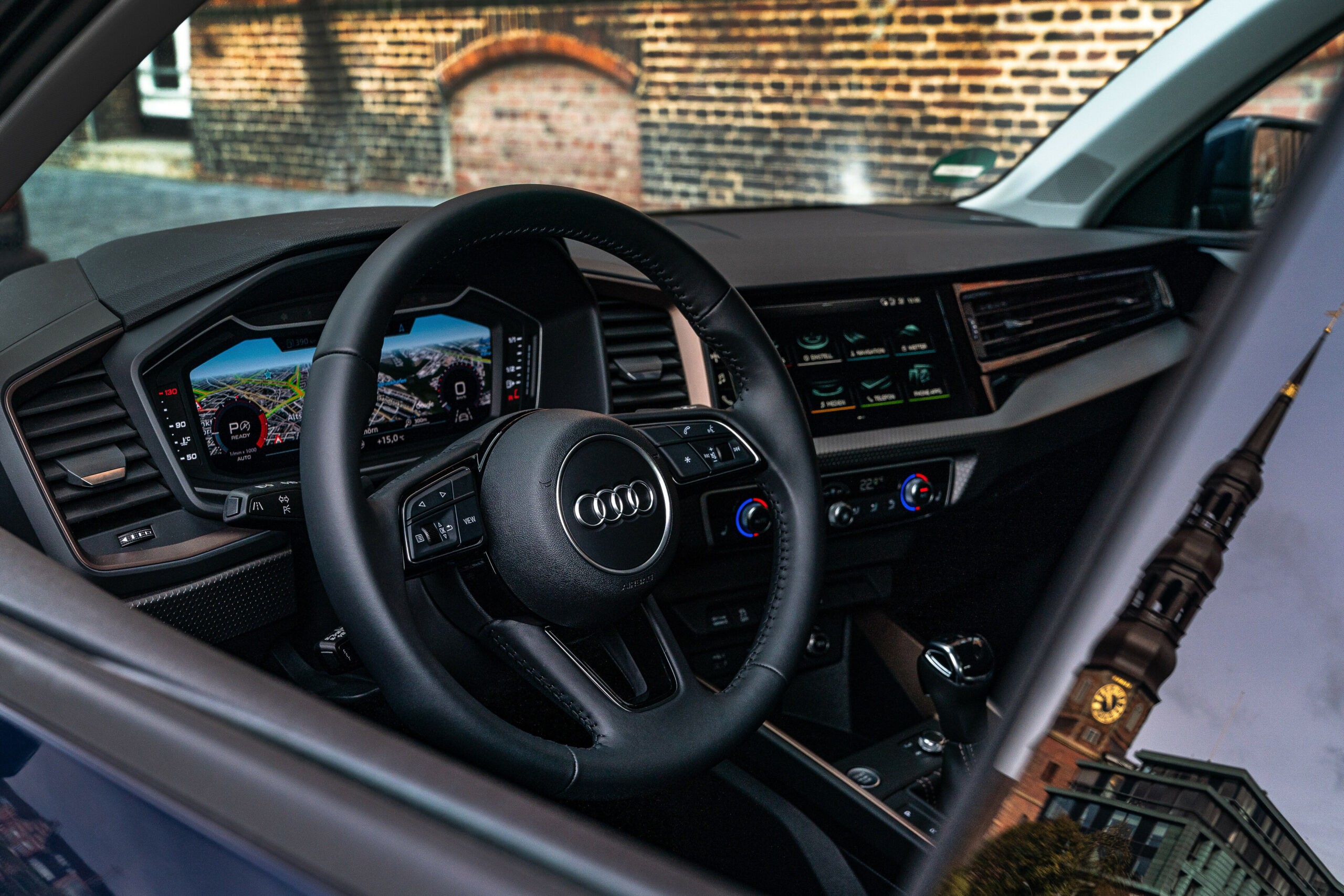
Total repair costs for an Audi A1 vary widely depending on the issue. Minor repairs usually stay under €600, medium-sized repairs cost between €400 and €1,500, and for major failures such as a new gearbox or turbo you will quickly pay €1,500 to €3,500 or more.
Always compare quotes from several workshops before having a major repair carried out. Independent specialists often charge significantly lower hourly rates than dealers, without compromising on quality. Also check whether you still have factory or extended warranty, as this can cover major expense items.
Preventive maintenance is an effective way to avoid high repair costs. Replace fluids and filters on time, listen for unusual noises and have a diagnosis carried out straight away if in doubt. Acting early prevents minor issues from developing into expensive repairs.
Do you want to know which other problems regularly occur on the Audi A1? View the full overview of common car problems and read which warning signs you should not ignore.
Frequently asked questions
Common faults on the Audi A1 include engine and turbo issues, DSG/gearbox problems, electronic defects (infotainment, sensors, alarm), suspension/shock absorber issues and DPF/EGR problems on diesel models. On average, an engine repair costs around £714 (turbo repair around £787, full replacement £1,500–£3,000; timing chain £1,200–£2,500). Gearbox repairs cost on average around £1,969, minor DSG work approximately £400–£900, while a new automatic gearbox can cost around £6,000. Electrical faults average around £207, suspension repairs around £336, DPF cleaning around £204 and brake repairs on average about £134.
Yes. Schedule all prescribed services on time (oil and filters, spark plugs, brakes) and at each service have the timing chain/belt, suspension and turbo checked both visually and acoustically to spot wear at an early stage. Change DSG transmission oil according to the factory interval, warm the engine up gently after a cold start and let the turbo idle briefly after hard driving to limit turbo damage. For diesel models, regularly make longer journeys at motorway speeds to prevent DPF clogging and EGR problems. At the first symptoms of electrical faults or shifting judders, have a diagnosis carried out immediately so that relatively small interventions can prevent costly consequential damage.
The total maintenance costs of an Audi A1 are generally higher than for high‑volume models in the compact segment, but comparable to other premium competitors such as the Mini and the BMW 1 Series. Repair costs for major work (engine, DSG gearbox, electronics) are above average due to the complex technology and premium parts prices. However, small and medium-sized repairs (brakes, suspension, minor electrical problems) remain broadly in line with other premium competitors. Overall, the Audi A1 can be regarded as average to slightly above average in terms of maintenance and repair costs within the premium B‑segment.
Watch out for unusual noises (rattling on cold start, whistling turbo, knocking in the suspension) and changes in driving behaviour such as jerky shifting, slipping or loss of power. Keep a close eye on warning lights, error messages on the infotainment screen and the radiator fan coming on more frequently. Regularly check for leaks, smoke from the exhaust, an uneven idle and increased fuel consumption. If in doubt, have a diagnosis carried out straight away, especially with DSG/gearbox problems and emission warnings (DPF/EGR), to prevent expensive consequential damage.
Common, well‑documented faults and correct repairs do not necessarily have to significantly reduce the residual value of an Audi A1, as long as they have been demonstrably and promptly rectified, with invoices and service history to prove it. Serious and costly problems such as engine or DSG gearbox repairs can negatively affect residual value, especially if they are recurring or have been poorly repaired. Regular and preventive maintenance reduces the likelihood of recurring defects, which inspires confidence in buyers and supports residual value. A car with many repeated or poorly carried‑out repairs, on the other hand, will be noticeably less attractive on the used‑car market.