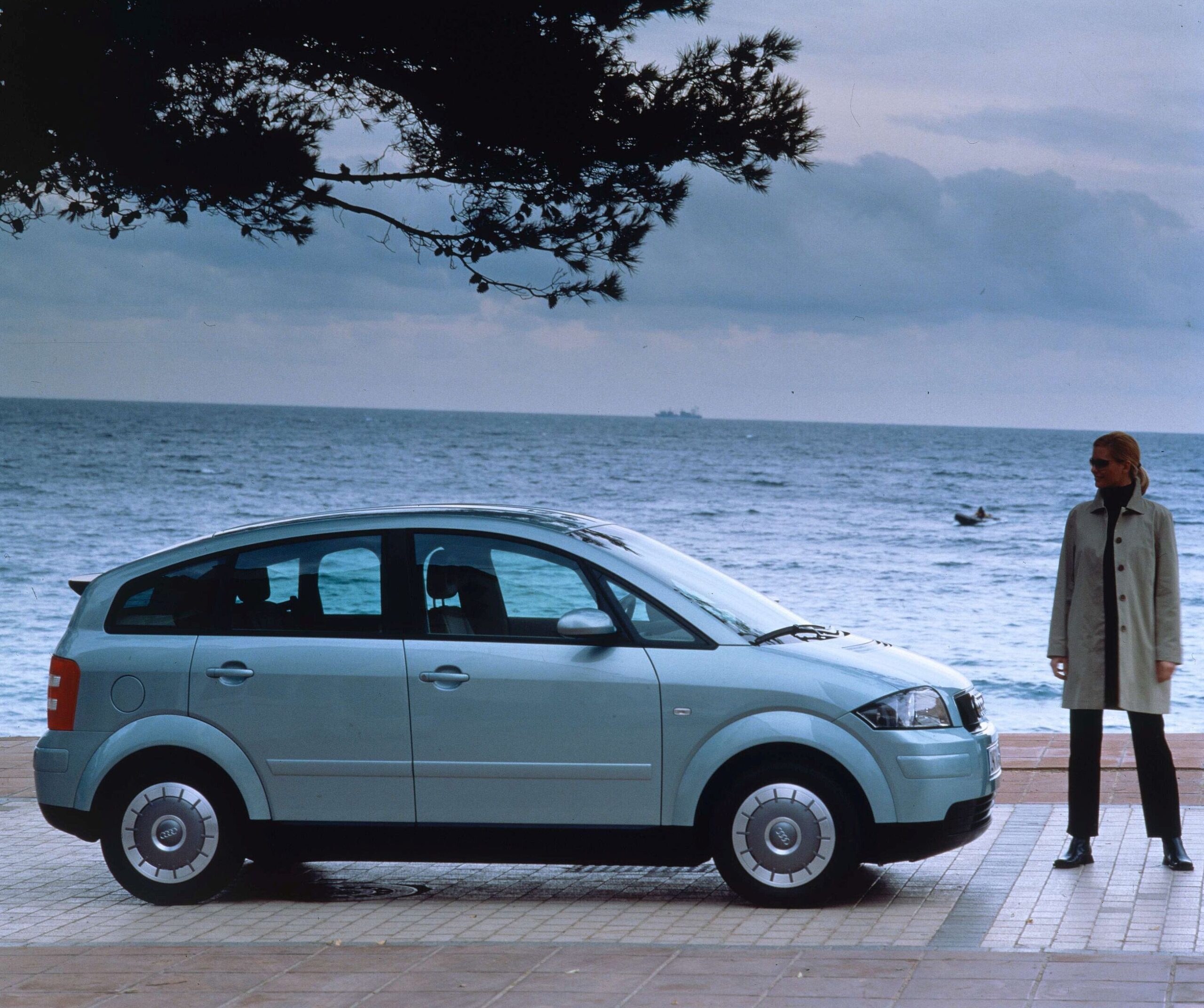
Audi A2: The Aluminium Pioneer with Practical Challenges
The Audi A2 remains a special chapter in automotive history, but it comes with specific points of attention that you, as an owner or buyer, should be well aware of. This compact hatchback from 2000-2005 combines advanced aluminium technology with characteristic vulnerabilities in its engine, electronics, and maintenance-sensitive components. Want to know what to look out for? Read on.
Many Audi A2 owners faced car problems with their Audi that stemmed directly from its costly construction and complex engineering. Nevertheless, this rare car still attracts enthusiasts.
Why the Audi A2 Remains So Special
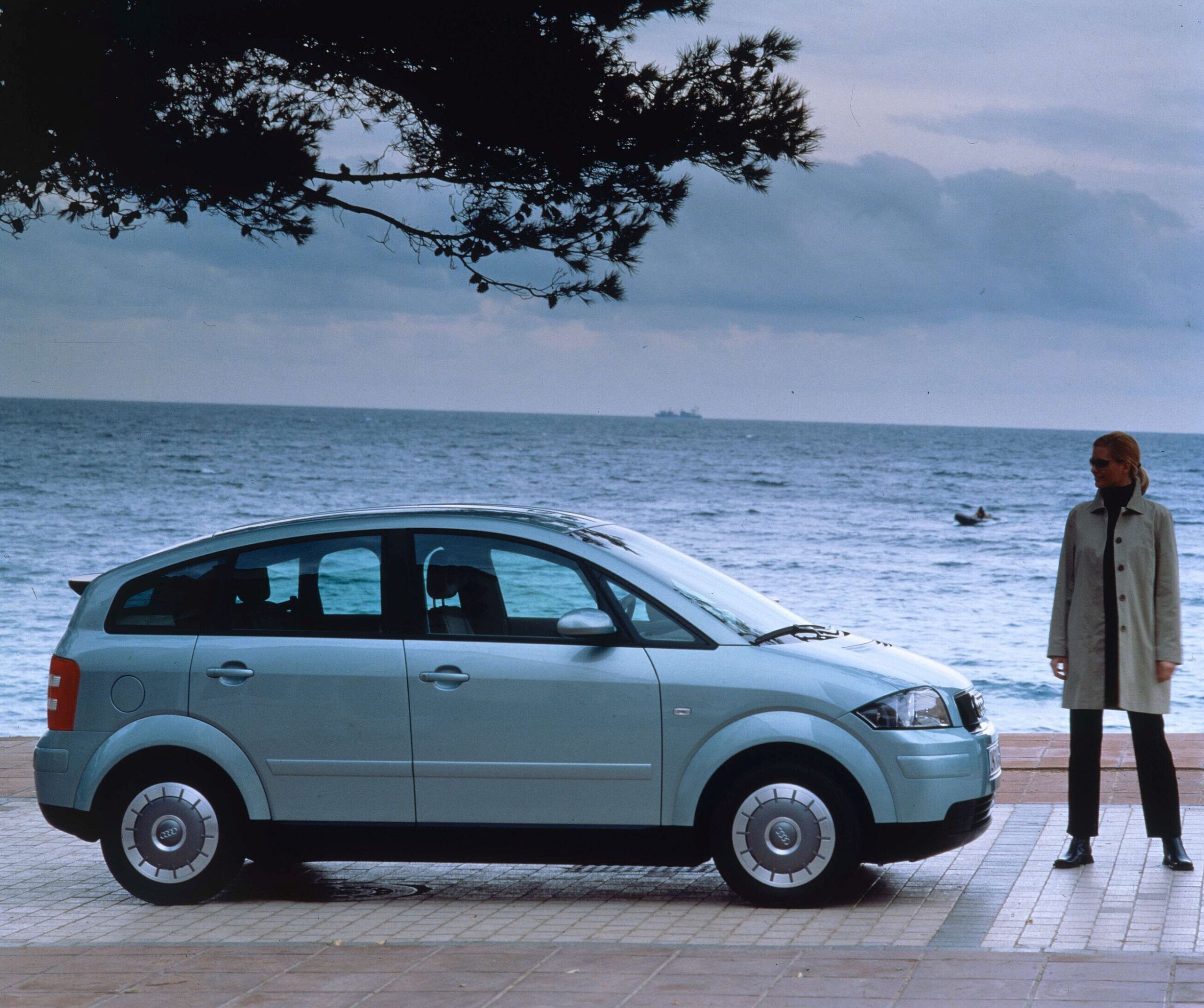
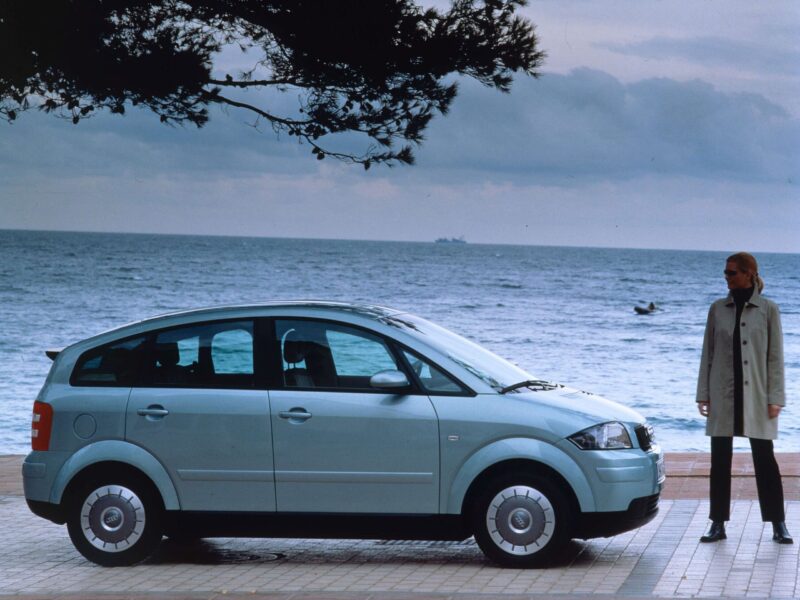
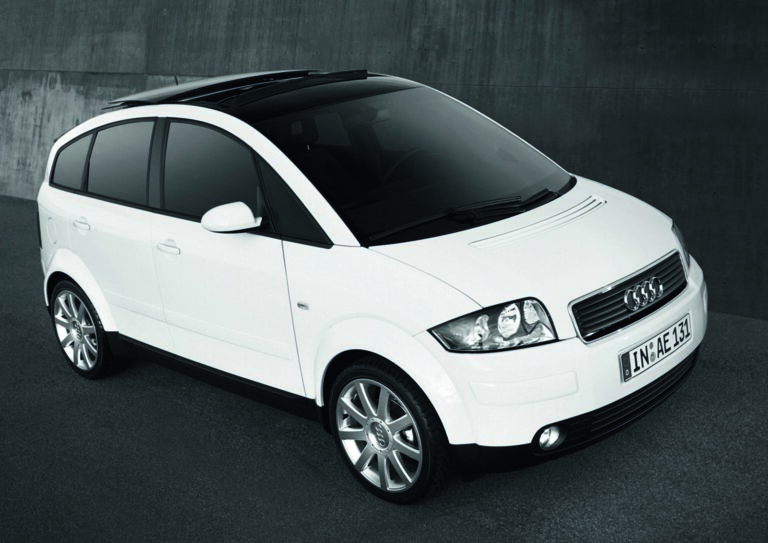
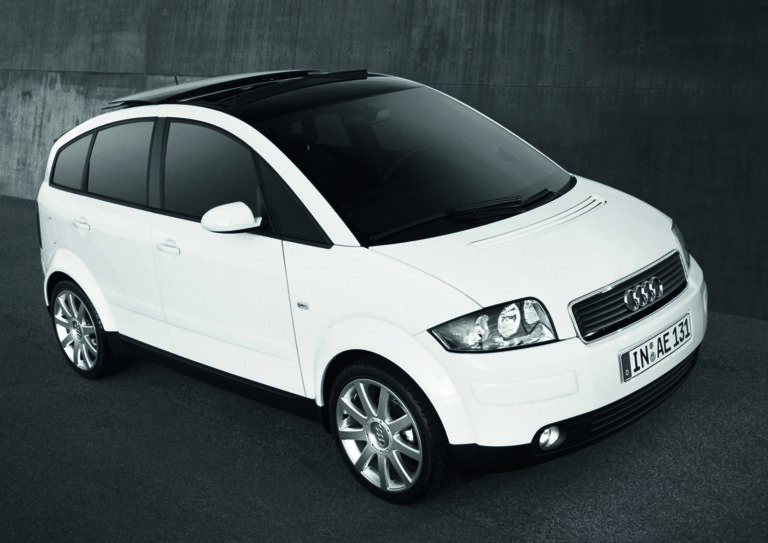
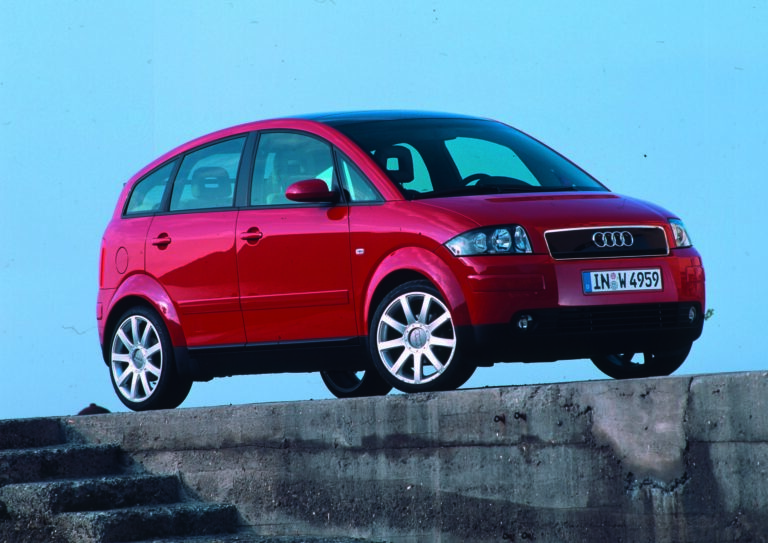
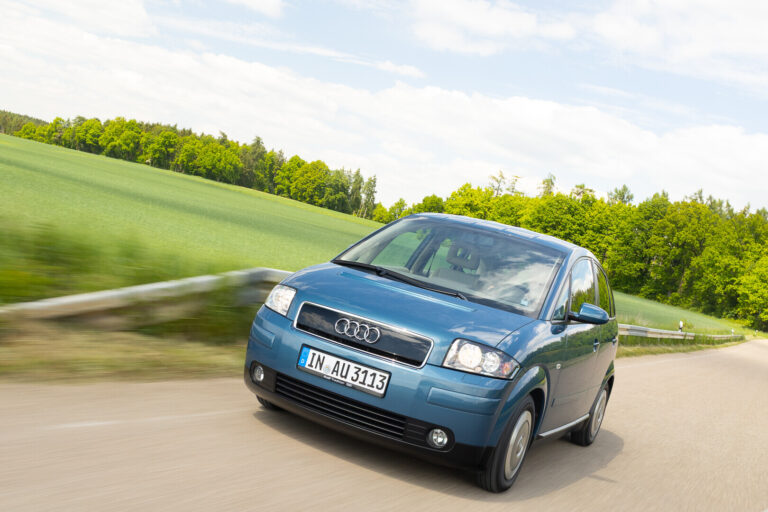
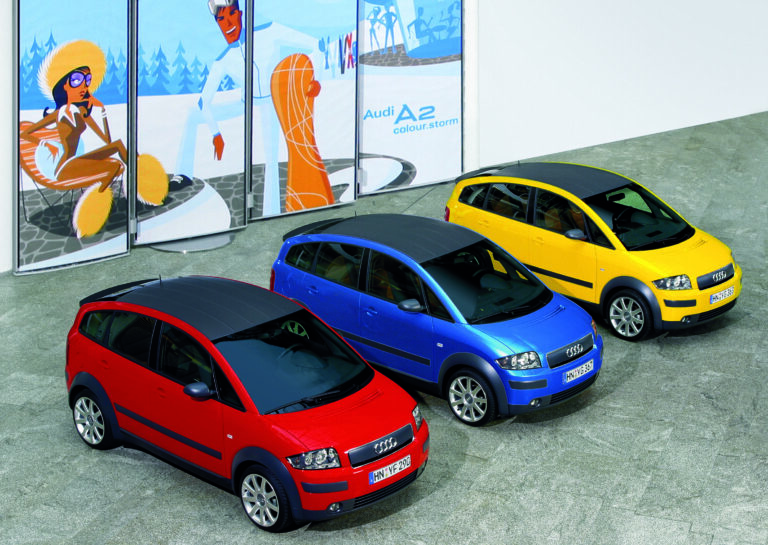
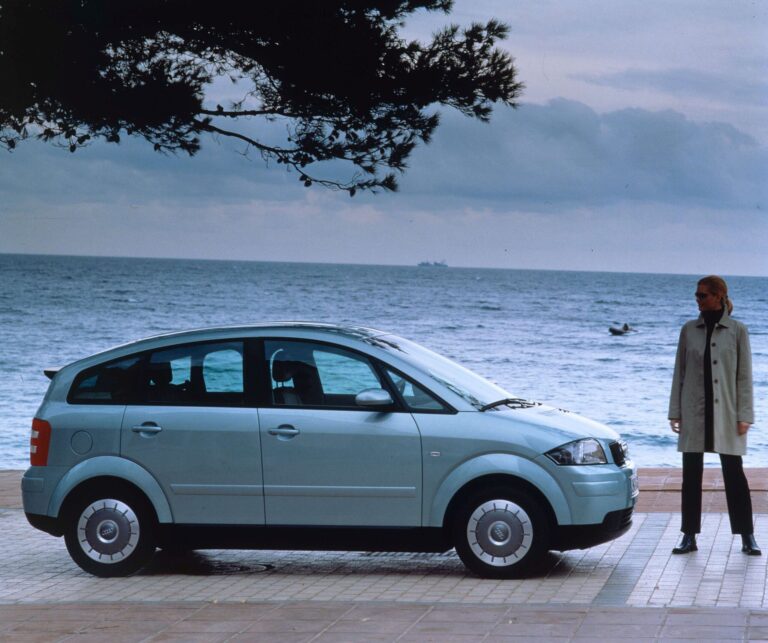
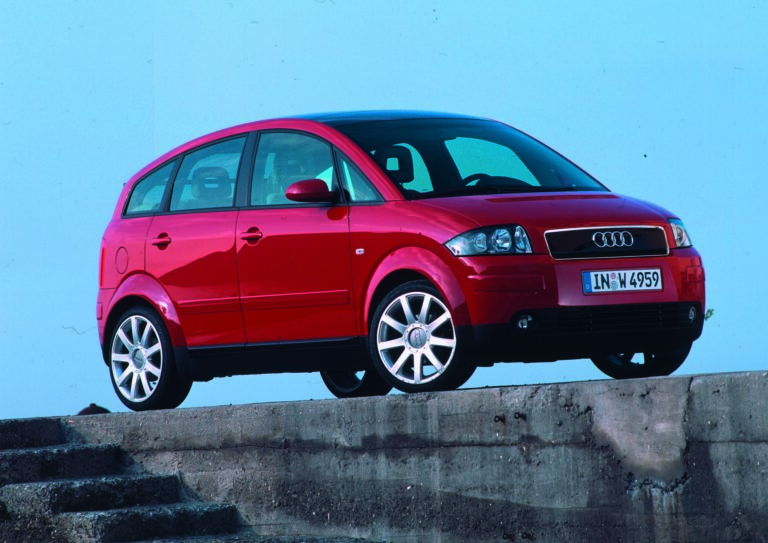
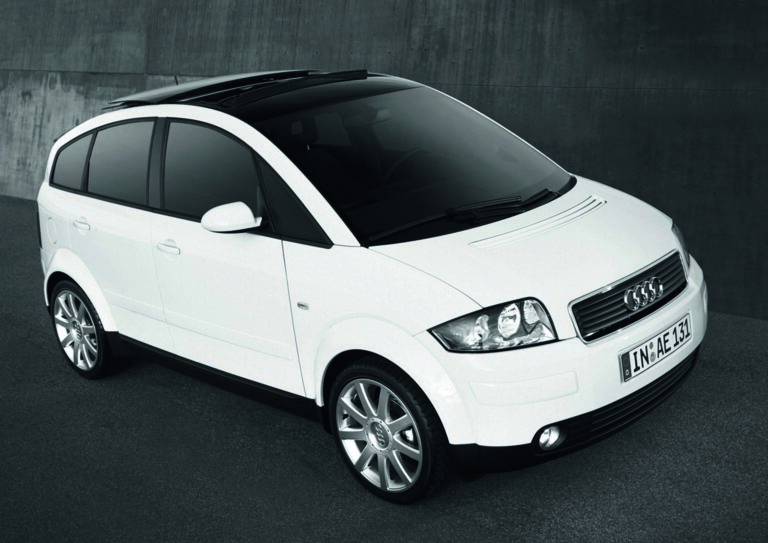
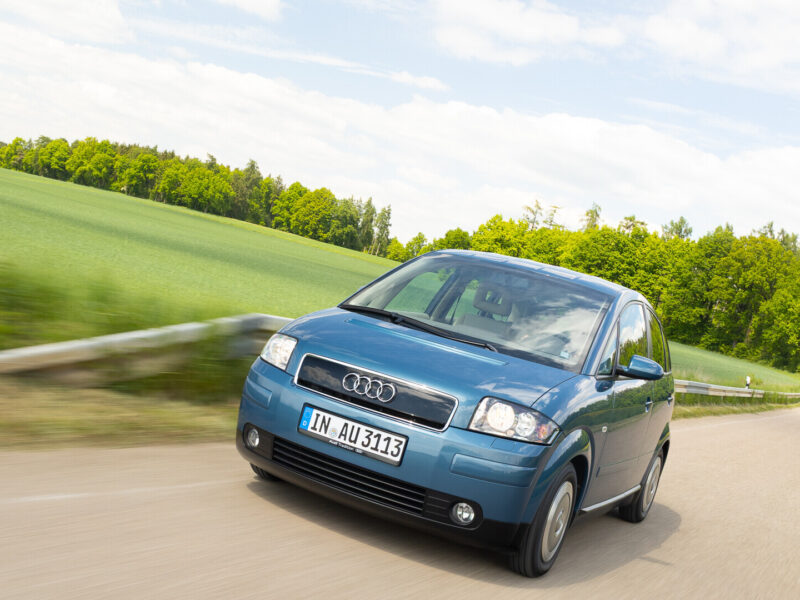
The A2 introduced Audi Space Frame technology (a construction where aluminium elements form the self-supporting frame) into the compact segment. The full aluminium body (the entire bodywork, including the frame, consists of aluminium) weighed only 153 kg, 40% lighter than steel alternatives. With a Cd value (drag coefficient, where a lower number indicates better streamlining) of 0.25 to 0.28, the car was among the most aerodynamic in the world. The 1.2 TDI 3L version (the extra-efficient three-litre version with a diesel engine) theoretically consumed only 3 litres per 100 kilometres, making it a collector’s item.
The construction also presented disadvantages. The aluminium components are susceptible to corrosion, and repairs to the ASF (Audi Space Frame) remain costly. Original parts have become scarce. The low weight of 825 to 1030 kg offered efficiency but also made the car vulnerable to wear and tear on specific components.
‘ The complex construction requires skilled maintenance. ’
General Points of Attention for Owners or Buyers
Always check the maintenance history before purchasing an A2. Its complex construction requires skilled maintenance. Have service intervals been consistently adhered to? Have original parts been used? These questions determine future reliability.
Watch out for corrosion. Aluminium rusts differently from steel, but magnesium wheels and certain frame components can show corrosion. Thoroughly check the wheels and inspect the underside of the car. Ask about the history of air conditioning maintenance and electrical systems, as these frequently cause problems.
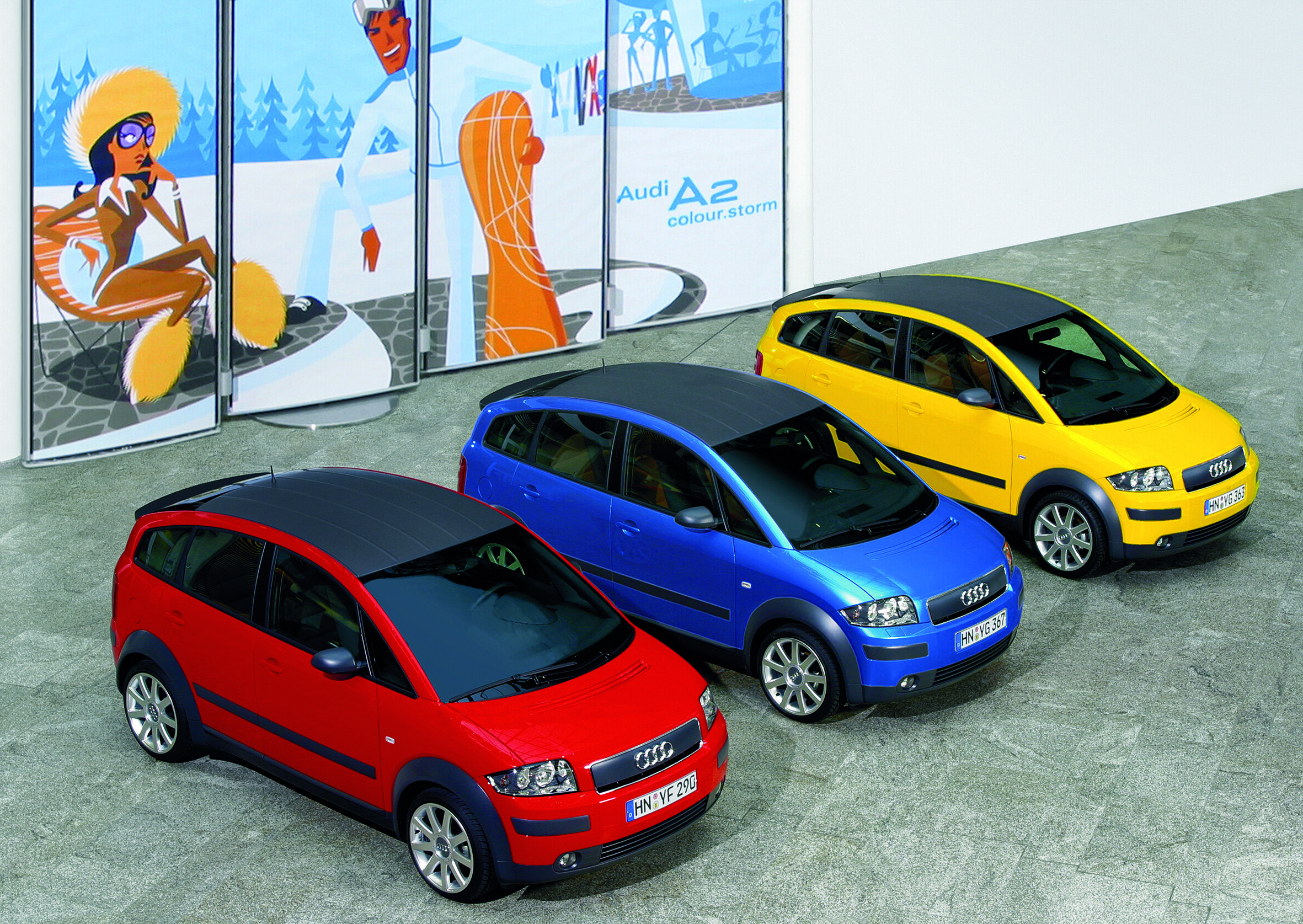
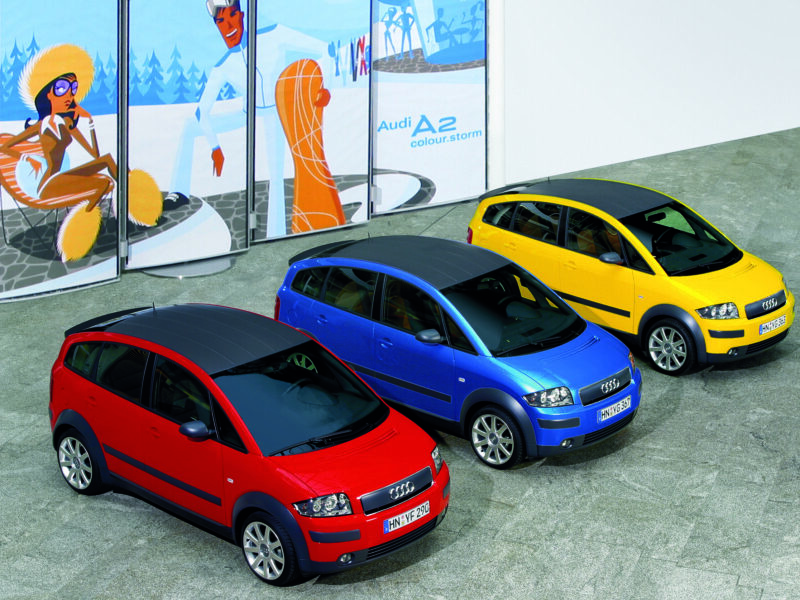
Engine Problems from TDI to FSI
The 1.4 TDI diesel with 90 hp (TDI stands for turbo-injected diesel engine) is common in used cars. This engine type shares technology with the VW Polo and is known for turbo problems at higher mileages. The turbocharger can show wear, resulting in power loss and smoke development. Replace the timing belt every 90,000 kilometres to prevent costly engine damage.
The 1.2 TDI 3L version (the extra-efficient three-litre version with a diesel engine), with only 61 hp, uses a variable geometry turbo (a turbo with adjustable vanes for optimal performance) and an aluminium block. This engine requires meticulous maintenance. The special 5-speed transmission with eco-mode (an automated gearbox with an economy setting) can malfunction, making repairs costly. Check if the engine shifts smoothly without hesitation.
The 1.4 petrol with 75 hp is considered the most reliable engine type. However, worn spark plug connectors and ignition coils can cause problems. The 1.6 FSI (FSI stands for direct petrol injection into the cylinder) suffers from clogged injectors, especially during short trips and when using cheap fuel. Have the injectors cleaned regularly.
Electrical System Malfunctions
The window mechanisms frequently fail. The electric motors for the windows can break, preventing you from opening or closing the window. Replacement costs time and money. Test all windows during a test drive.
The central locking system experiences malfunctions due to faulty actuators in the doors. Sometimes one door doesn’t lock with the others, other times the system doesn’t work at all. This problem is common in older models. Check that all doors lock correctly.
Dashboard warning lights can illuminate without an immediate clear cause for the driver. This often concerns error messages in the ABS module or engine management system. Always have these scanned, as they can indicate larger problems. Sometimes a software update resolves the issue.
‘ Replace worn bushes promptly for safe roadholding. ’
Chassis and Brakes: Comfort and Safety
The rubber bushes in the chassis (the suspension rubbers connecting the wheel suspension to the frame) wear out faster than in heavier cars. This leads to knocking noises over bumps and swaying in corners. Replace worn bushes promptly for safe roadholding.
Shock absorbers may need replacement after 80,000 kilometres. The light construction places higher demands on the damping system. Do you notice the car bouncing or feeling unsettled over bumps? Have the shock absorbers checked.
The braking system has specific weak points. Brake discs can wear faster due to the low weight, which alters the load on the brakes. Regularly check their thickness and replace them at the first signs of grooving. Brake fluid should be replaced every two years.
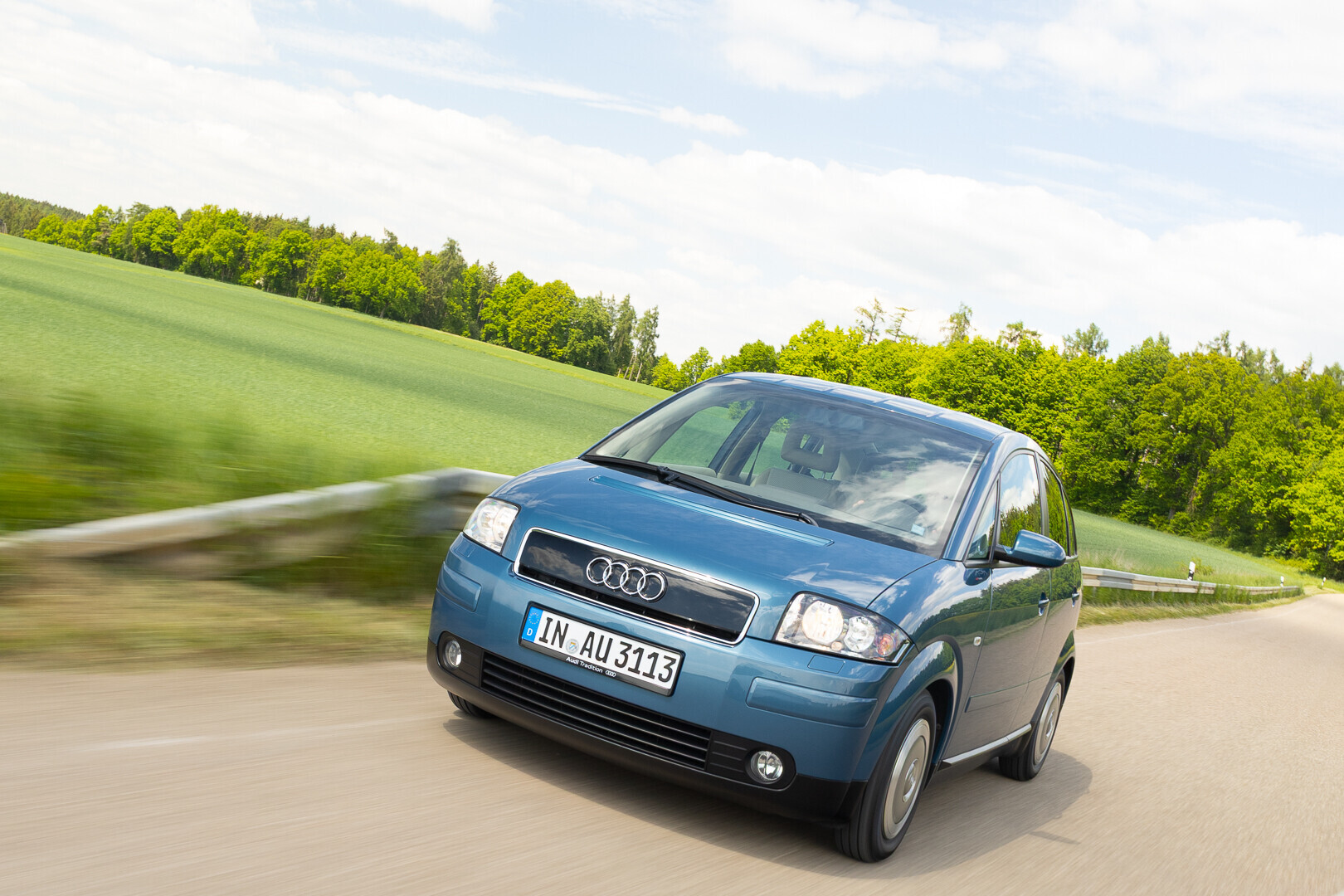
Interior and Exterior Details
The service flap can malfunction. This small hatch on the side provides access to important fluids. The hinge mechanism breaks easily, requiring replacement. Check that the flap opens smoothly and closes securely.
Door handles show wear. The plastic construction becomes brittle, causing them to break off. This problem is particularly noticeable in the 3L version with magnesium components. Replace damaged handles proactively.
The air conditioning system suffers from leaks in pipes or the condenser (the condenser is the component that dissipates heat and is located in front of the radiator). The condenser can be damaged by stone chips. This results in refrigerant loss and a non-functional climate control system. Have leaks professionally detected and repaired, as topping up yourself will not solve the problem.
Prevention and Maintenance for a Long Life
Strictly follow the maintenance schedule. The A2 is sensitive to deferred maintenance. Oil changes should be performed earlier than indicated in the manual, especially for diesel engines. Always use the correct specifications.
Protect the aluminium bodywork. Wash the car regularly and apply wax to prevent corrosion. Magnesium wheels require extra attention. Check them each season for white deposits.
Invest in good tyres. The low weight requires tyres specifically suited for light cars. This improves driving behaviour and extends the lifespan of chassis components. Check tyre pressure monthly.
‘ Accident damage to an ASF (Audi Space Frame) is difficult and costly to repair. ’