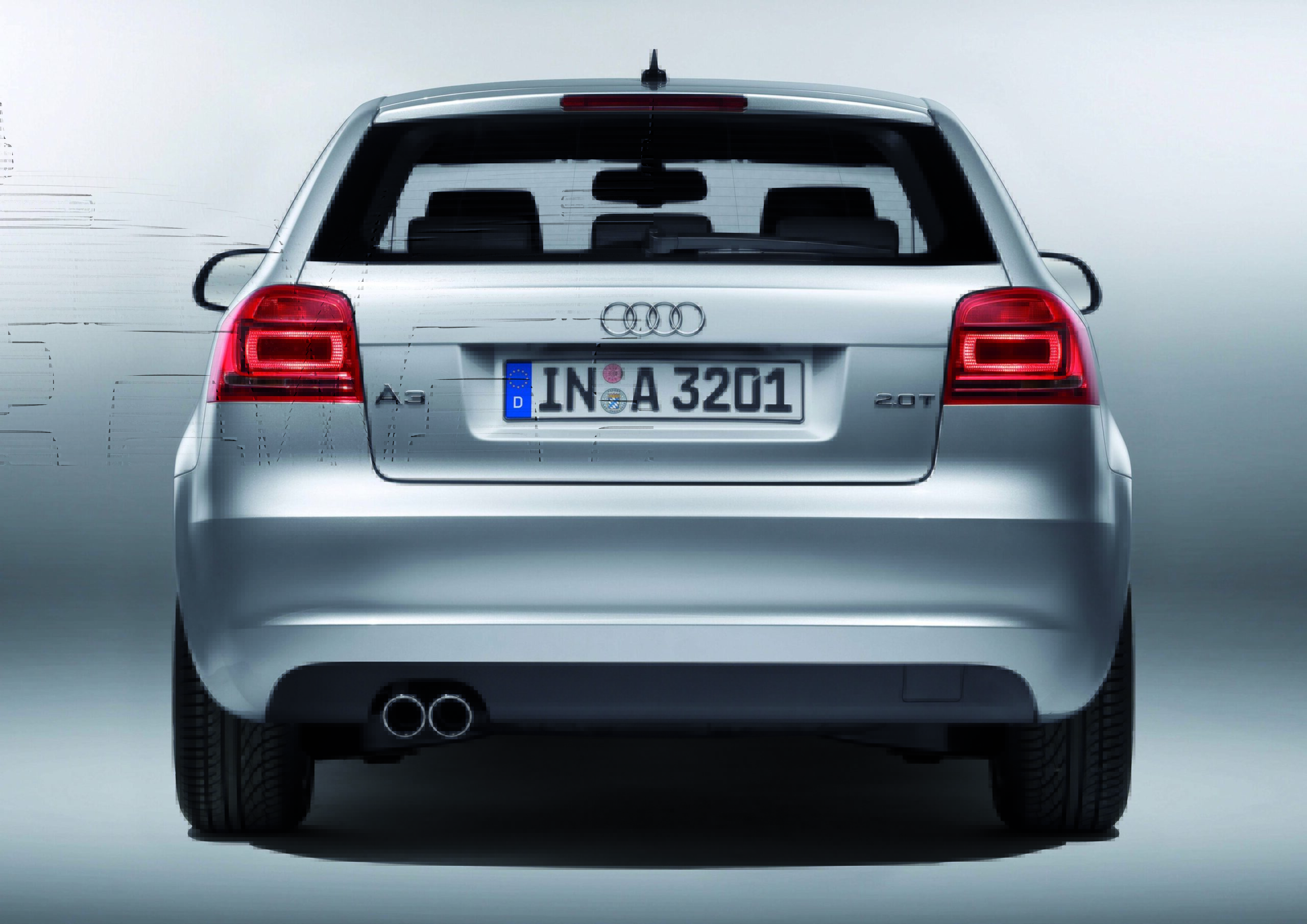
Audi A3: common problems and what you need to know
The Audi A3 is a popular compact premium saloon that promises quality and performance. However, this car has specific weaknesses that you, as an owner or potential buyer, should be aware of. Engine problems and electronic malfunctions occur regularly. These vulnerabilities require attention and timely maintenance. Read on to discover which problems are most common and how to recognise them before they lead to expensive repairs.
The Audi A3 combines driving comfort with a sporty appearance, but some model years suffer from recurring technical complaints. If you recognise the signs in time, you’ll save significantly and extend your car’s lifespan. Car problems with Audi are not uncommon, but with the right knowledge, you can prevent unpleasant surprises.
Audi A3 reliability under scrutiny
The Audi A3 enjoys a solid reputation in the premium compact segment. However, reliability varies greatly by generation and year of manufacture. Models from 2013 generally score better than older variants, mainly due to improvements in electronics and engine management. The expectation is that an A3 with correct maintenance will comfortably reach 200,000 kilometres, but certain weaknesses can significantly temper that expectation.
Owners regularly report malfunctions with the DSG transmission, oil consumption in TFSI engines, and electrical problems that are difficult to trace. The perception of Audi as a reliable brand sometimes clashes with reality once warranties expire and maintenance costs soar. Knowledge of specific points of attention helps you to check thoroughly and act preventively.
‘ They occur more frequently in specific model years and can entail significant repair costs if not addressed promptly. ’
Five common problems
With the Audi A3, certain complaints arise more often than others. Below you will find the most frequently reported problems that you, as an owner or buyer, should be aware of.
- High oil consumption in TFSI engines, especially in models up to 2015
- Defective mechatronic unit in the S tronic transmission
- Timing chain wear in early 2.0 TFSI variants
- Electronic malfunctions, such as sensors and multimedia units
- Problems with the EGR valve and DPF system in diesel engines
These five points constitute the majority of technical complaints. They occur more frequently in specific model years and can entail significant repair costs if not addressed promptly.


Engine problems with TFSI and TDI
The petrol TFSI engines are known for their powerful performance, but early versions suffer from consistently high oil consumption. This is particularly common in the 1.8 and 2.0 TFSI from the 2008-2015 period. The problem is caused by wear to the piston rings, allowing oil to enter the combustion chamber. Some owners have to top up oil every 1,000 kilometres, which is not only inconvenient but also indicates internal engine wear.
Another risk with these engines is the timing chain. Its tension can slacken over time, leading to rattling noises when starting or accelerating. If left untreated, the chain can snap, causing severe internal engine damage. Audi has acknowledged this weakness. The brand has implemented improvements in later model years.
Diesel engines, particularly the 2.0 TDI, suffer from clogged EGR valves and diesel particulate filters. The EGR valve (exhaust gas recirculation valve) recirculates exhaust gases back into the engine to reduce emissions. Soot and carbon deposits regularly clog this system, causing poor engine running, loss of power, and increased fuel consumption. The diesel particulate filter – the soot filter in the exhaust – can also become clogged during many shorter journeys, as regeneration (high-temperature self-cleaning) then occurs insufficiently.
S tronic transmission and its sensitivities
The seven-speed S tronic transmission is a variant of the DSG gearbox, a dual-clutch automatic. This automatic delivers smooth shifts and sporty performance. Nevertheless, there are regular complaints about the mechatronic unit, a combination of mechanical and electronic components that control the clutch. This unit can fail due to overheating, wear, or software errors.
Symptoms include jerky shifts, vibrations at low speed, or even the refusal to engage a particular gear. In more serious cases, the car enters limp mode, where only a limited number of gears remain available. Replacing the mechatronic unit is costly and can amount to several thousand euros.
The dual clutch itself also wears out faster with frequent stop-and-go traffic or aggressive driving. Audi has made adjustments in later software updates to reduce the load on the transmission, but older models remain susceptible. Regular checking of the transmission fluid and software updates can help prevent problems.
‘ That complexity also brings vulnerability. ’
Electronic malfunctions and sensors
Modern cars like the Audi A3 contain dozens of sensors and electronic modules. That complexity also brings vulnerability. Malfunctions with the lambda sensor (oxygen sensor for emission monitoring), mass airflow sensor (measures amount of intake air), and parking sensors occur regularly. These sensors are responsible for engine management, emission control, and driver assistance systems.
A defective lambda sensor leads to an incorrect fuel mixture, resulting in increased fuel consumption and poorer engine performance. The mass airflow sensor measures the amount of air entering the engine and can become fouled or fail. The consequence is erratic engine running and loss of pulling power.
The multimedia unit and the MMI system (Audi’s infotainment system) can also freeze or exhibit unpredictable behaviour. Screen freezes, failing Bluetooth connections, and problems with the reversing camera are regularly reported. Software updates resolve some issues, but hardware defects require replacement of the affected module.
Chassis and suspension under pressure
The Audi A3’s chassis is robustly designed for good road holding, but wear to wishbones, bushes, and shock absorbers is inevitable over time. Especially the bushes in the wishbone connections are susceptible to cracking and deterioration, particularly on poor roads or with sporty driving.
Knocking or thumping noises when cornering or going over speed bumps often indicate worn wishbone bushes. The shock absorbers can also show signs of leakage or reduced damping after 80,000 to 100,000 kilometres, leading to a wobbly driving experience and longer braking distances.
The electric power steering sometimes experiences malfunctions where the steering force suddenly changes or a warning light illuminates. This can indicate a defective steering sensor or a problem with the power steering module. Have this checked immediately, as failing power steering poses a safety risk.
Interior and exterior: minor annoyances
Besides technical problems, there are also minor annoyances that affect usability. Creaks in the dashboard or around the centre console are common, especially in older models. This is caused by the expansion and contraction of plastic during temperature changes.
Water leaks can occur at the doors or around the windscreen, often due to aged rubber seals or clogged drainage holes. Moisture in the car leads to condensation on the windows and can even cause mould formation. Therefore, regularly check whether the rubber seals are still flexible and if the drainage holes are clear.
Problems with the air conditioning, such as inadequate cooling or odours, also occur. A contaminated pollen filter or leaking AC lines are common causes. Replacing the pollen filter is a simple part of maintenance, but a leaking system requires professional repair and refrigerant top-up.
‘ Catching early signs saves you expensive repairs. ’