

Common Problems with the Audi TT
The Audi TT combines sporty design with everyday usability, but owners regularly report specific technical issues. The 2.0 TFSI engine is known for increased oil consumption. Additionally, electrical malfunctions and transmission complaints occur. This sports coupé has vulnerabilities you should be aware of before buying. Read on to discover what to look out for.
Many enthusiasts consider an Audi TT for its character and performance. However, it pays to be well-informed beforehand about potential problems with Audi models. This article provides a clear overview of the most commonly reported defects per generation. This way, you’ll know what to check for.
Why this overview of Audi TT problems?
Anyone considering a second-hand Audi TT will want to know what defects can occur. Some teething problems are typical for certain model years. Other problems affect all generations. This article provides insight into known weak points and helps you make an informed decision. Additionally, we offer tips to prevent problems or detect them early.
‘ Generally speaking: regular maintenance significantly increases reliability. ’
How reliable is the Audi TT per generation
The Mk1 (1998-2006) is known for a stiff aluminium Space Frame chassis but also has its share of teething problems. Early models suffered from stability issues, later resolved by suspension adjustments. The Mk2 (2006-2014) scores better technically thanks to improved electronics, but remains susceptible to oil consumption in the TFSI engines. The Mk3 (2014-2023) features modern technology such as matrix LED and adaptive damping. However, owners sometimes report software problems in the Virtual Cockpit and sensor malfunctions.
Generally speaking: regular maintenance significantly increases reliability. Models with Quattro drive and S tronic automatic transmission require more attention during maintenance. These models do offer superior traction and shifting performance.

Audi TT Engine Problems
The 2.0 TFSI engine is popular in the TT line but is known for increased oil consumption. This primarily occurs in models from before 2012 and is caused by wear to the piston rings. You’ll notice this by regularly topping up oil between services. Have this checked and inquire about the previous owner’s oil consumption.
Ignition coils sometimes fail, leading to engine irregularities and flashing engine lights. This problem occurs in all TFSI engines. You can resolve this by replacing the ignition coils. Turbo damage occurs after intensive use without sufficient cool-down time. Always let the engine run for a while after spirited driving before switching it off.
In the TT RS with the 2.5-litre five-cylinder engine, owners sometimes complain about problems with the camshaft adjuster. Symptoms include rattling noises when starting. Early inspection prevents costly repairs.
Transmission Problems: Manual and S tronic
Manual gearboxes in the TT are generally reliable. However, the clutch shows wear over time, especially in models that have been driven sportily. You’ll recognise this by a higher revving engine speed without corresponding acceleration.
The S tronic dual-clutch automatic transmission (also known as DSG) offers fast shifts but requires specific maintenance. Some owners report jerky shifts at low speeds. Others report a delayed reaction when pulling away. This often indicates wear of the dual clutch. Ensure regular maintenance of the transmission oil according to Audi’s specifications. A software update at the dealer sometimes resolves disruptive shifting behaviour.
‘ This brings with it a certain vulnerability. ’
Electrical and Electronic Malfunctions
The TT features a lot of electronics. This brings with it a certain vulnerability. Owners report sensor malfunctions, such as parking sensors giving false warnings or failing. The tyre pressure sensor also sometimes shows error messages without a clear cause.
The instrument cluster, especially the Virtual Cockpit in the Mk3, sometimes suffers from software problems. This manifests as a sluggish interface or failing functions. A software update at an authorised dealer often resolves this.
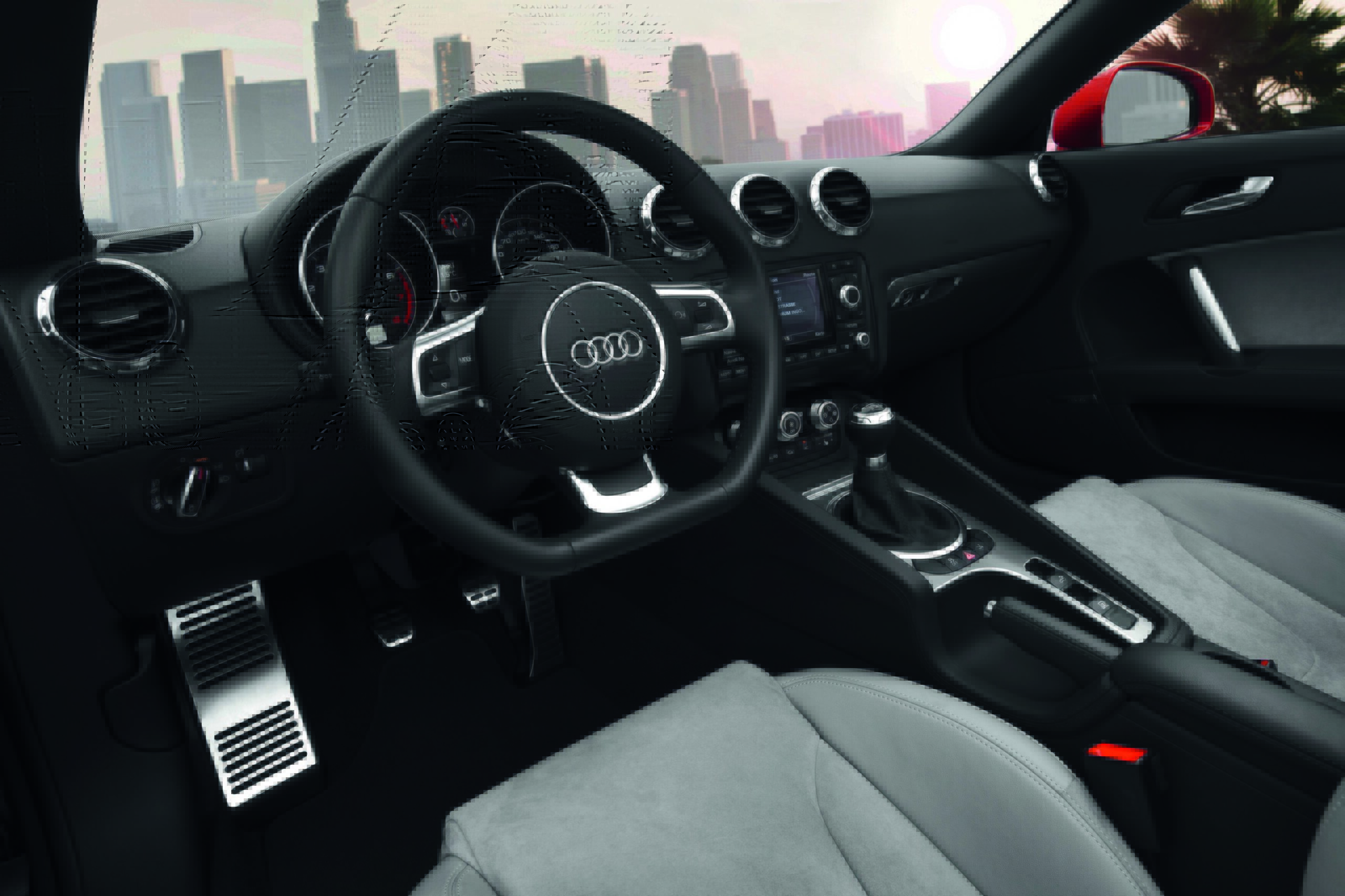
In older models, corrosion can occur at electrical contact points, leading to random malfunctions. Thoroughly check the operation of the electrically operated interior and the MMI system when purchasing.
Chassis, Suspension and Steering
The TT’s suspension is sportily tuned, which leads to faster wear of certain components. Wishbones and bushes sometimes show play after 80,000 to 100,000 kilometres. You’ll recognise this by knocking sounds over bumps or an unsettled ride.
Dampers wear out with intensive use, especially in models with Magnetic Ride. Replacement is costly but necessary for driving comfort and safety. Test the dampers by checking if the car bounces several times after a bump.
The electric power steering sometimes malfunctions. A warning light then appears. This is sometimes caused by a defective sensor or software problem. In rare cases, replacement of the steering pump is necessary.
Brake and ABS Problems
Brake discs and pads wear faster with sporty driving. This is not a defect, but it does require regular inspection. Worn brakes are recognisable by squealing noises or a longer braking distance. The TT comes standard with four disc brakes with ABS and Brake Assist.
ABS malfunctions are less common but sometimes occur due to a defective wheel speed sensor. You’ll notice this by a flashing ABS light on the dashboard. Have this checked immediately, as it affects the operation of the electronic stability system.
‘ Leather upholstery tears with insufficient maintenance. ’
Interior and Bodywork
The upholstery in the Audi TT is of good quality. However, with intensive use, the upholstery often shows wear. Pay attention to worn seats, especially the driver’s seat. Leather upholstery tears with insufficient maintenance.
The window mechanisms become slower over time or get stuck. This is due to contamination or wear of the guide rails. Lubricate these regularly to prevent problems.
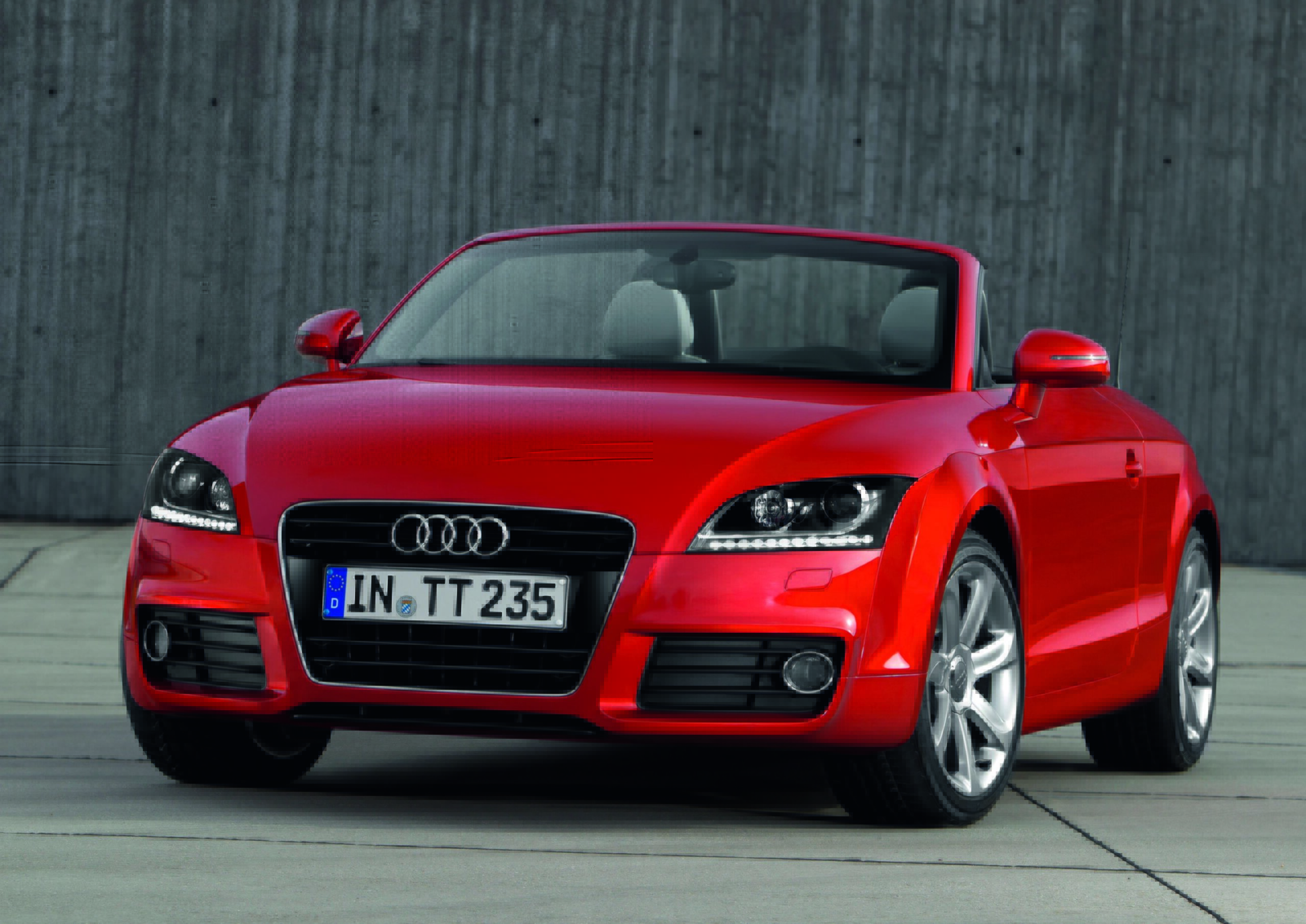
In the Roadster, the convertible roof and seals sometimes cause problems. Check the operation of the electrically operated roof. Look for leaks after rain. Replacing rubbers prevents further damage.
Prevention and Maintenance Tips
Adhere to Audi’s service intervals and always use the correct specification engine oil. For the 2.0 TFSI, this means premium-quality oil that meets VW standards. Check the oil level regularly and top up if necessary.
Have the S tronic transmission fluid changed every 60,000 kilometres. This extends the life of the clutch. Regularly test the operation of all electrical systems to detect malfunctions early.
Warm up the engine before driving sportily. Let it cool down after intensive use. This protects the turbo from premature wear. Replace ignition coils preventively if you want to avoid engine problems.
Checklist for buying a used TT
Check oil consumption by asking for the service history. Have top-ups been done between services? Also inquire about known repairs to the engine, transmission, or electronics.
Test all electrical functions, including the Virtual Cockpit, parking sensors, and MMI. Check the operation of the convertible roof on Roadster models. Ask about software updates and verify if they have been performed.
Look for play in the chassis and dampers. Take a test drive on bumpy roads to detect irregularities. Check the brakes for wear and ask about the replacement of brake discs and pads.
Inquire about the maintenance history at an Audi dealer. A complete logbook provides assurance regarding performed maintenance. Pay attention to mileage and check if it is consistent.
‘ The known problems are well-documented and often preventable with careful maintenance. ’
The Audi TT: Character with Points of Attention
The Audi TT remains an attractive sports coupé for enthusiasts of design and performance. The known problems are well-documented and often preventable with careful maintenance. Choose a model with a complete service history. Have an inspection carried out before purchase. This way, you can enjoy its sporty characteristics without unexpected surprises. A TT with the 2.0 TFSI and S tronic offers a good compromise between performance and daily use, provided you consider specific points of attention.