
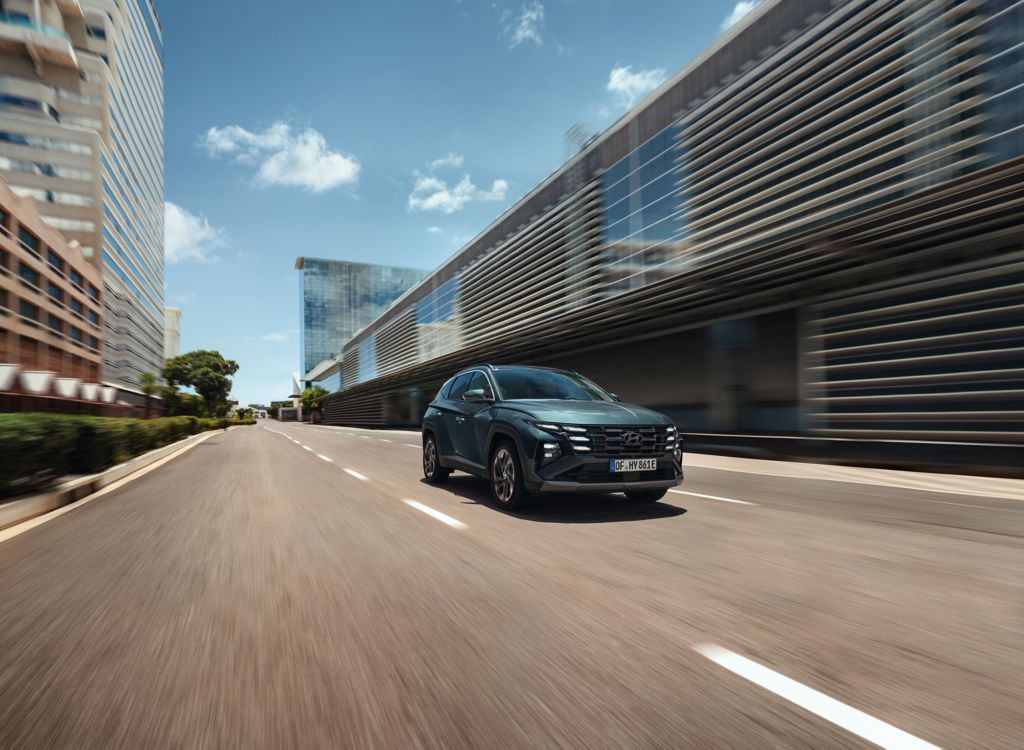
The automatic gearbox of the Hyundai Tucson regularly judders between 40 and 60 km/h, especially in models from 2015 to 2020 with a dual-clutch transmission. This problem is caused by contaminated transmission fluid and software that is not optimally calibrated for the dual-clutch automatic. A software update or flushing the transmission solves the juddering in many cases. What can you do yourself and when should you go to the garage?
What causes the automatic gearbox to judder?
The juddering in your Hyundai Tucson usually has a technical cause. The dual-clutch automatic is sensitive to contamination of the transmission fluid. When the oil becomes old or dirty, lubrication is reduced and shifting problems arise. This happens especially with cars that have driven more than 60,000 kilometres.
The transmission electronics also play a role. Sensors determine the shift points. These sensors can fail or send incorrect signals. Heat of around 30 degrees can temporarily trigger these sensor problems. In addition, the design of the dual-clutch automatic itself is a factor. Some production series naturally show small pauses when downshifting and little jolts between first and second gear.
Recognisable complaints with a juddering automatic
Many Tucson owners recognise the problem by specific symptoms. You feel little jolts while upshifting, especially at lower speeds and when the engine is still cold. When pulling away, the automatic can slip, which you can hear as increased revs without the car really accelerating.
Other common complaints are:
- Delay when downshifting, for example while overtaking
- Thumping noises at gear changes
- Oscillating revs when stationary
- Kickdown that does not respond
- Warning message on the dashboard with texts such as “gearbox fault”
The warning messages sometimes disappear by themselves after restarting the car. This often indicates a temporary electronic problem or a sensor that has been affected by heat.
Software update as the first solution
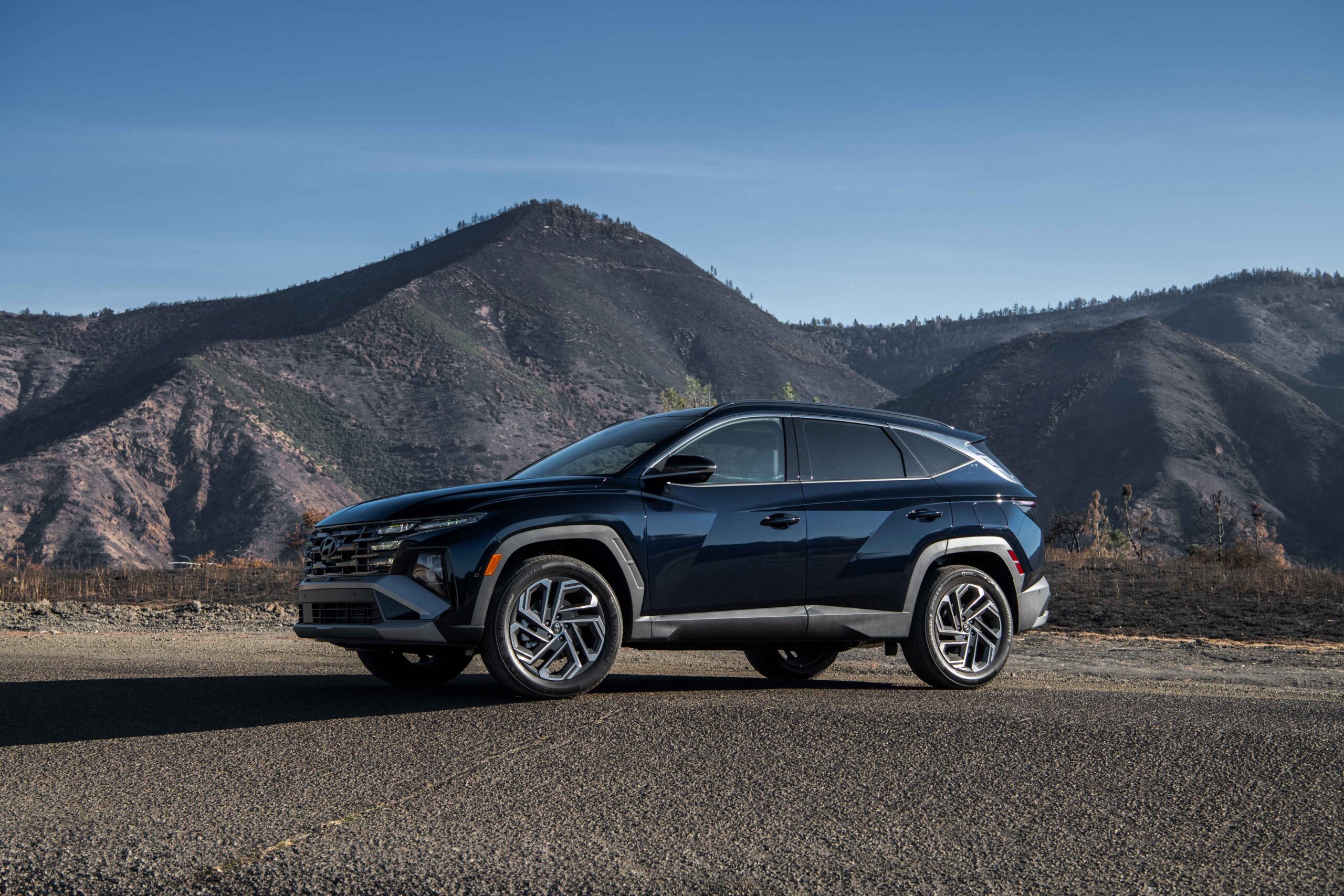
Hyundai has released several software updates for the Tucson III. These updates improve the shift programme of the dual-clutch transmission. They adjust the timing of the gear changes and ensure smoother transitions between gears. For many owners the juddering disappears completely after such an update.
Go to an official Hyundai dealer for the update. The mechanic connects the car to diagnostic systems to check whether new software is available. Installation usually takes less than an hour. Note: not all garages automatically carry out this update during regular servicing. So be sure to ask for it explicitly.
Flushing the transmission restores smooth shifting
When a software update does not help enough, the problem is probably with the transmission fluid. A full flush of the automatic replaces all old oil in the gearbox, torque converter, mechatronic unit and cooler. This is more effective than partially changing the oil using the traditional drain-and-fill method.
The Powerflush method works best. A specialised machine pumps new oil through the entire system while the old oil is drained off at the same time. This process thoroughly removes contamination and restores the correct viscosity of the oil. For around 70 per cent of Tucson owners with juddering complaints this solves the problem.
Plan a flush at:
- 60,000 to 80,000 kilometres
- A maximum of 90,000 to 120,000 kilometres
- Cars that are older than 8 years
Preventive flushing stops small complaints from developing into major damage to the gearbox. So do not wait until the juddering gets worse.
‘ This is a characteristic of the design and cannot always be resolved. ’
Adjusting your driving style can help
Some owners notice that the juddering decreases if they drive differently. Avoid sudden acceleration, especially in warm conditions. The transmission then responds more calmly and has more time to prepare shift points. Accept small delays when downshifting for overtaking manoeuvres. This is a characteristic of the design and cannot always be resolved.
Other owners report that shifting through firmly helps the automatic. The gearbox then responds better. From time to time, give it plenty of throttle in a safe place, such as on a motorway slip road. This can help to flush the gearbox and recalibrate the sensors. Resetting the system via the 12V button on the dashboard also sometimes works temporarily.
When should you go to the garage?
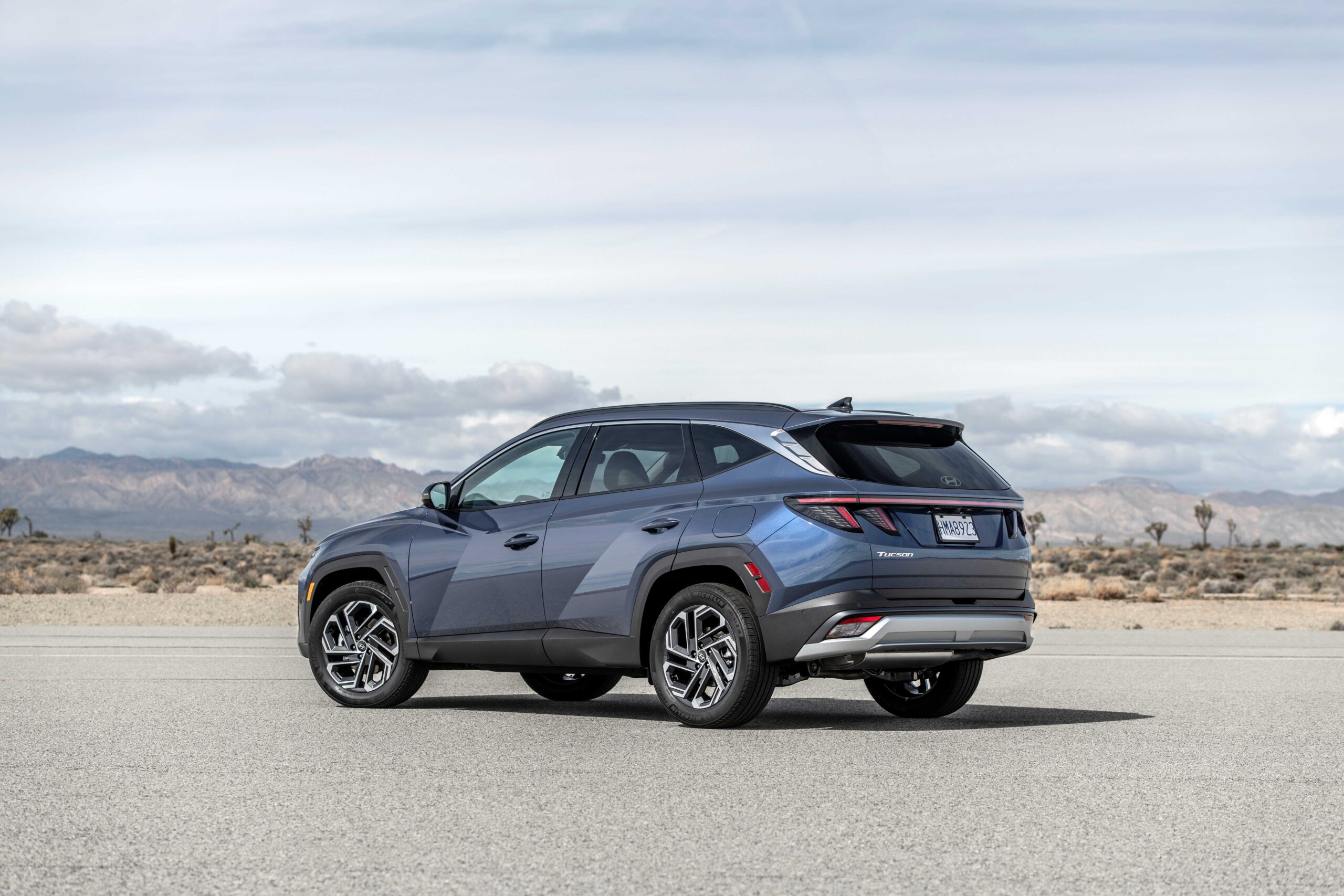
Certain symptoms require immediate action. Go straight to a garage if the automatic keeps slipping. The car then hardly accelerates or not at all. A limp-home mode, in which the car only drives in one gear, is also a warning sign. A check engine light that stays on and does not go out by itself requires diagnosis.
Have the car read at a Hyundai garage. The mechanic checks fault codes in the transmission system and then tests how the sensors work. Sometimes it turns out that a sensor or electronic component needs to be replaced. This is cheaper than a full gearbox overhaul, which can cost several thousand euros.
Preventive maintenance saves money
Regularly flushing the transmission is the best protection against expensive repairs. Stick to the recommended maintenance intervals, even if the manufacturer calls the transmission “maintenance-free”. In practice, the automatic definitely benefits from fresh oil.
Also check whether Hyundai has specific recall campaigns. This can differ per year of manufacture. For some series there are free software updates or even warranty schemes for transmission problems. Ask the dealer about any current campaigns for the Tucson.
‘ This transmission is prone to the complaints described. ’
Model years and their sensitivity
The Tucson III from the period 2015 to 2020 most often shows problems with the automatic. This generation has the 8-speed dual-clutch automatic. This transmission is prone to the complaints described. More recent models up to 2026 can also suffer from juddering, although Hyundai has now improved the design.
Not every Tucson has problems. Many owners do not experience a single jolt and are satisfied with the smooth operation. The complaints also vary depending on the production location and how the car has been used. Stop-start traffic and short journeys increase the risk of contamination of the transmission fluid.
Experiences of other owners
On forums and in user groups, Tucson drivers share their solutions. Some report that the juddering feels normal after a while and does not cause any further problems. Others are completely helped by a combination of a software update and an oil flush. A small proportion continue to have issues and ultimately opt for an overhaul or replacement of the transmission.
Hyundai has not yet announced a definitive, all-encompassing solution. The manufacturer deals with complaints on a case-by-case basis and advises you to have diagnostics carried out via the dealer. Warranty schemes may apply, depending on the car’s year of manufacture and mileage.
Practical steps for you
Start with a visit to a Hyundai dealer for a diagnosis and any software update. Ask explicitly about updates for the transmission. Have the automatic flushed if the car has driven more than 60,000 kilometres or is older than five years. Opt for a full flush instead of a partial oil change.
Monitor the behaviour of the automatic after the update or flush. Note exactly when the juddering occurs: at what speed, temperature and driving conditions. This information helps the mechanic with further diagnosis if the problem returns. Continue to carry out maintenance according to the schedule to prevent new contamination.
On the Carnews website you will find more information about common problems with various Hyundai models, maintenance schedules and tips for extending the life of your car. Discover which preventive measures you can take and how to find the best garage for your make and model.
Frequently asked questions
The most common cause of a juddering automatic gearbox in a Hyundai Tucson is contaminated or aged ATF fluid, especially at higher mileages (around or above 60,000 km). In addition, the design and calibration of the 8-speed automatic itself play a role, particularly when shifting between the lower gears and during downshifts. Faulty sensors or electronic faults in the transmission control unit can also cause harsh shifts and limp-home mode. High temperatures can temporarily worsen these electronic or sensor-related problems.
You can roughly assess yourself whether contaminated or old transmission fluid is likely to be the cause, for example if the automatic shifts jerkily mainly with a cold engine, at low speed or around 60,000+ km. You can also pay attention to slipping, delayed kickdown and any warning messages that sometimes disappear after a restart. However, the exact cause (e.g. sensors, electronics or internal wear) cannot reliably be determined yourself without diagnostic equipment. Always have a specialist read and assess the automatic gearbox before drawing conclusions.
Common repair options for a juddering automatic gearbox in a Hyundai Tucson are a full automatic transmission flush (Powerflush), partially or fully replacing the ATF fluid, and in persistent cases diagnosis and any software updates or repair of sensors/electronics. A full flush with quality oil on average costs around €350–€600, while a simple oil and filter change is often around €200–€350. More extensive work on the mechatronic unit or internal parts of the automatic can run to €1,000–€2,500, depending on the damage and type of transmission. In practice, for most Tucsons a professional flush around 60,000–80,000 km is usually enough to clearly reduce or eliminate the juddering.
Yes. Have the automatic gearbox fully flushed every 60,000–80,000 km instead of only replacing part of the ATF fluid, so that contamination and wear are limited. If you notice harsh shifting or slipping, have the transmission read immediately by a Hyundai specialist to prevent damage. Avoid prolonged heavy towing or hard acceleration at high temperatures to limit overheating of the gearbox. Regularly check for transmission software updates at the dealer.