
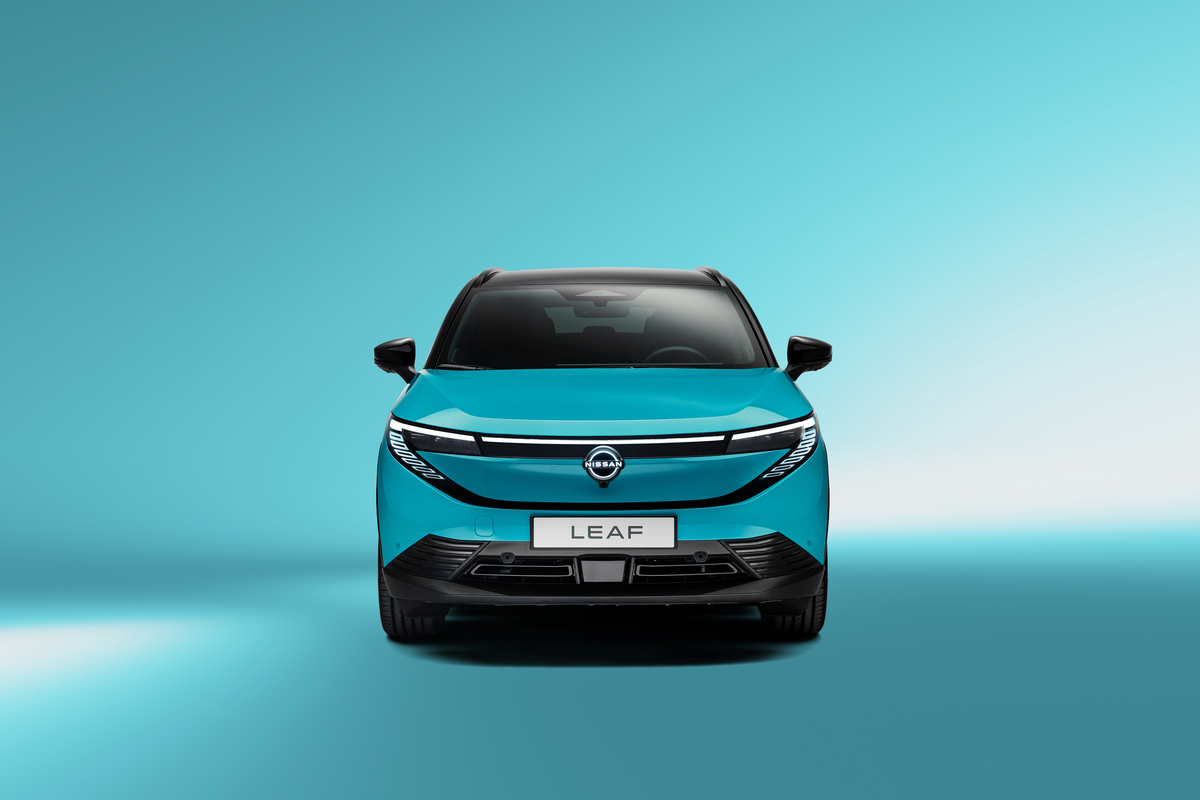
Battery degradation in the Nissan Leaf is significantly faster than in many other electric cars. This is due to the lack of active cooling in the first generations. After 5 to 10 years of use you often see that the range has been halved. Do you recognise this problem, or are you considering a used Leaf? Then it is good to know what to expect and how to limit further damage.
What is battery degradation?
Battery degradation refers to the gradual loss of capacity in your battery. You notice this as a shorter driving range. In the Nissan Leaf this happens faster than average because of the passive cooling system. This means that the battery only uses air cooling, with no active liquid cooling as in many other electric models.
The State of Health (SOH) indicates the percentage of remaining capacity, in other words how much battery capacity is still usable. A 2015 Leaf loses an average of 4.2% capacity. With a 2018 model with 66,000 kilometres, the SOH is often at 92%. This means the range drops from 147 kilometres to around 135 kilometres. Some owners report after intensive use an SOH of 92.7%, with a winter range of 180 kilometres and 270 kilometres in summer.
‘ The lack of active cooling is at the top of the list. ’
Why does the Leaf battery degrade so quickly
The rapid degradation has several causes. The lack of active cooling is at the top of the list. Heat while charging and driving puts disproportionate strain on the cells. This problem is mainly seen in the ZE0 generation from 2011 to 2017 with a 24 or 30 kWh battery.
Other factors speed up the process:
- Fast charging with DC increases the temperature and puts heavy strain on the cells
- Fully discharging below 20% or charging to 100% causes extra wear
- Extreme temperatures in summer and winter speed up imbalance between cells
- Outdated software does not optimise the battery management system
- Parking for long periods without driving leads to self-discharge
Lithium-ion batteries degrade on average by 1.8% per year. In the Leaf this percentage is often higher because of shortcomings in cooling. Users on forums therefore warn against the 30 kWh models, as the risk of insufficient range after degradation is high.
Symptoms of a degraded battery
You will notice battery degradation through various signs. The range decreases sharply, sometimes to half of the original value. Warnings appear on the dashboard, such as “EV system fault” with error code P0AA6. The car switches to turtle mode, where you cannot drive faster than about 50 kilometres per hour.
Cell imbalance in the battery pack is another symptom. This means that some cells discharge faster than others. You can check this with the Leaf Spy app, which measures SOH, cell balance and voltage.
How to measure battery degradation on a used Leaf
Before you buy a used Nissan Leaf, it is important to check the battery condition. The Leaf Spy app shows the SOH and cell voltage. Connect the app via an OBD2 adapter to the car’s diagnostic port. Check whether the SOH is above 85% for reasonable usability.
Ask the seller about charging habits. Was the car fast charged often? Has it stood still for long periods? This information gives insight into the expected lifespan. Also pay attention to the build generation. The ZE1 from 2018 with 40 kWh has improved cooling, but remains sensitive. The Leaf Plus from 2022 with 60 or 62 kWh performs better. Even so, this model still carries risks.
‘ Use DC fast charging as little as possible. ’
Tips to slow down degradation
Extend the lifespan of your Leaf battery with smart charging habits. Keep the State of Charge between 20% and 80%. Only charge to 100% for long journeys. Use DC fast charging as little as possible. For daily use choose Level 2 AC charging.
Where possible, park the car in the shade. Precondition the battery in extreme temperatures. Activate “Battery Care Mode” or “Long Life Mode” if this is available. Drive regularly to avoid long periods of inactivity. Install software updates as soon as they become available.
Monitor the battery status with telematics or the Leaf Spy app. This way you can spot problems early and take action before the damage increases.
What to do if the battery fails
With a failed battery there is often irreversible cell imbalance. Repairing individual modules rarely solves this. An upgrade to a larger battery pack from a write-off can be cost-saving. New batteries are expensive and not always worth the investment, especially in older models.
The Nissan warranty usually covers 8 years or 160,000 kilometres. Degradation is often excluded, unless it is caused by a technical defect. Discuss your options with a specialist before you decide on replacement.
Generations and differences in degradation
The first ZE0 generation struggles the most with degradation issues. The 24 kWh and 30 kWh versions are particularly sensitive because of the limited cooling. Owners regularly report that the range halves after 5 to 10 years.
The ZE1 generation from 2018 with 40 kWh has slightly better cooling, but does not fully solve the problem. An AutoWeek test showed 92% SOH after many kilometres, which is not bad. The greatest loss is caused by poor use, such as frequent fast charging and routinely driving the battery completely full or empty.
The Leaf Plus from 2022 with 60 or 62 kWh offers the greatest range and performs better. Even so, the passive cooling remains a weakness compared with brands that use active liquid cooling.
Do you want to know more about electric cars, maintenance and tips for your Nissan Leaf? On the Carnews website you will find extensive information about batteries, charging techniques and the reliability of different models. Discover what other owners experience and learn how to get the most out of your electric driving experience.
Frequently asked questions
The main causes of battery degradation in the Nissan Leaf are the lack of active thermal cooling, which means the battery often gets too hot, and frequent fast charging (DC), which puts extra strain on the cells. Consistently charging to 100% and deep discharging (<20%) also accelerates wear. Extreme temperatures (especially heat) combined with only passive air cooling amplify this effect. Long periods of standing still at a high state of charge and missing BMS updates can further worsen degradation.
Battery degradation gradually reduces the usable capacity of the Nissan Leaf’s battery, which leads to a noticeable reduction in range (for example, from around 147 km to about 135 km with an 8% loss). Because there is no active cooling, the Leaf can degrade faster than some competitors, especially with a lot of fast charging, high temperatures and frequent charging to 100%. As capacity drops, the driver needs to charge more often and the car becomes more sensitive to cold or hot conditions. In extreme cases the car may enter a limited “turtle mode”, with reduced performance to protect the battery.
A Leaf owner can limit battery degradation by usually keeping the state of charge between roughly 20% and 80%, and only charging to 100% shortly before a long journey. Limit frequent fast charging (DC) and opt as much as possible for slower AC charging at home or at a standard charge point. Avoid parking for long periods in extreme heat or cold by putting the car in the shade or under cover where possible, and use functions such as “Long Life Mode” or “Battery Care Mode” if available. Drive the car regularly and keep an eye on the battery condition with, for example, Leaf Spy and by having software updates carried out.
The health of a Nissan Leaf battery can most accurately be measured via the State of Health (SOH), read out with an OBD2 dongle and an app such as Leaf Spy. This shows, among other things, the SOH percentage, cell balance and individual cell voltages, which is far more precise than the bars on the dashboard. In addition, a dealer or specialist can produce an official battery report using diagnostic equipment. By comparing the measured SOH with factory values and real-world range you get a clear picture of the actual battery condition.
The battery of a Nissan Leaf typically lasts 8 to 15 years, depending on driving style, charging habits and temperature, with degradation often progressing faster than in EVs with active cooling. In practice, you see around 1.8–4% capacity loss per year, with older 24/30 kWh models being more prone to faster degradation. In cases of severe degradation there are options to replace the battery with a new or used (salvage) pack of the same type. In addition, specialist companies sometimes offer upgrades to larger battery packs from newer Leafs, which can increase the range.