
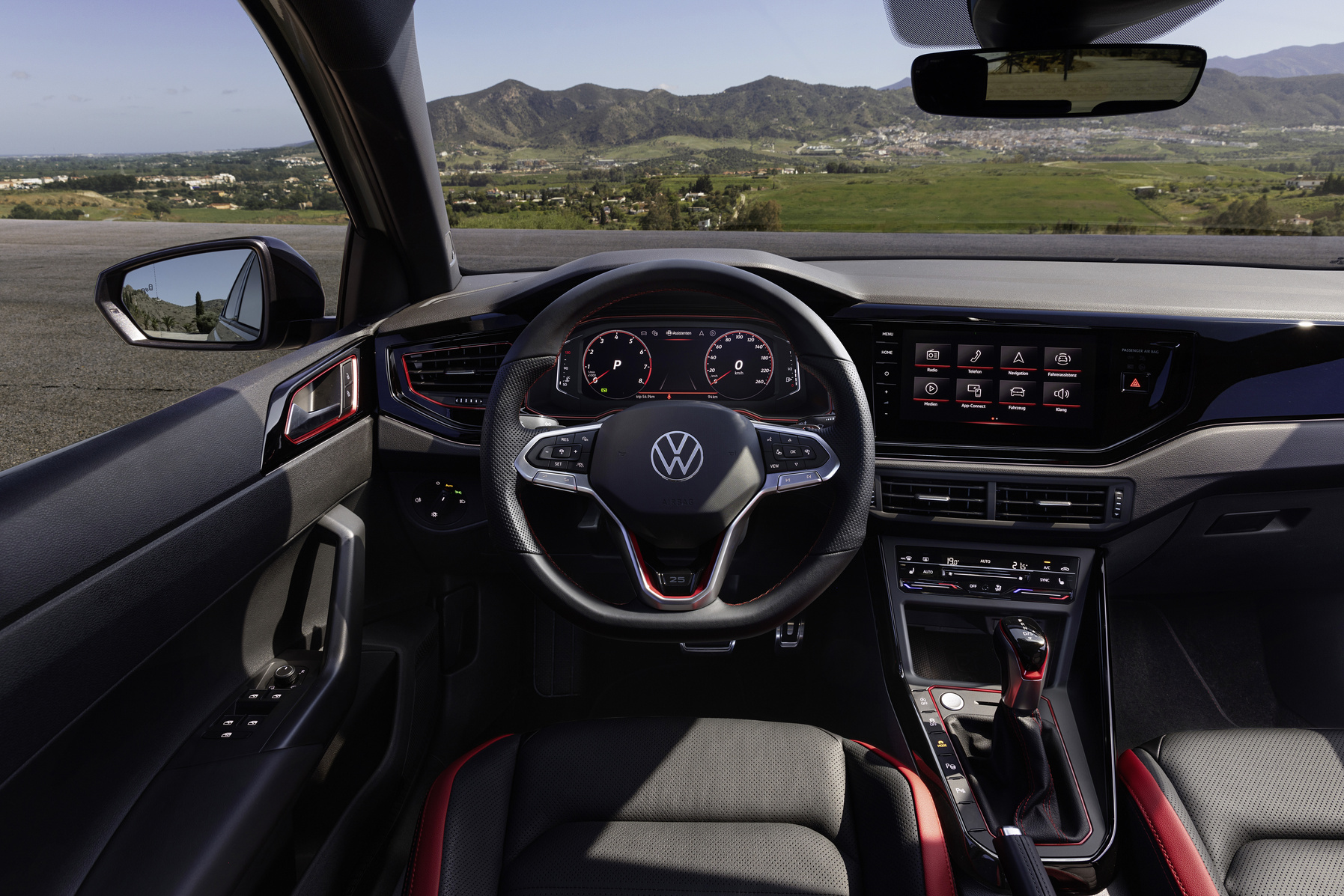
Parasitic current draw is a very common cause of battery problems in the Volkswagen Polo. Faulty alternators also regularly lead to issues. The battery discharges while the car is parked. The battery is no longer sufficiently charged while driving. The result is predictable: a car that won’t start and frustrated owners. This article explains the underlying causes of these problems. You’ll read which solutions really work.
Why the battery discharges while the car is parked
The battery sometimes runs down while the car is parked. This often points to parasitic current draw. Electrical components continue to consume power. The car is switched off, but certain systems remain active. Common culprits are a faulty sensor, an interior light or a relay switch. The interior light does not switch off automatically. The relay switch sticks.
Owners of the Volkswagen Polo regularly report problems with the Body Control Module (the central control unit for the car’s electrical systems). This module can cause a current draw of up to 50 milliamps. After two weeks of standing still, the car will no longer start. A healthy car consumes a maximum of 9 milliamps when it is switched off.
Corrosion on the battery terminals causes current leaks. Loose connections at the battery terminals also cause current leaks. Extreme temperatures make the problem worse. This applies to both heat and cold. Cold slows down the chemical reactions in the battery. As a result, the battery delivers less power. Heat promotes loss of moisture. Heat also accelerates battery wear.
‘ Flickering lights are a clear warning sign. ’
How to test alternator faults in the Polo
A faulty alternator does not charge the battery sufficiently. This happens while driving. It leads to frequent power problems, even with a new battery. The first symptom is often striking. The battery warning light on the dashboard stays on while driving. The battery light flickers while driving.
A mechanic performs a charging test with a multimeter. The engine is idling. The voltage should then be between 13.5 and 14.5 volts. If the value is lower, the alternator is not working properly. Abnormal noises from the engine bay can indicate problems. A faulty alternator winding can cause this. A defective bearing can also be the cause.
Flickering lights are a clear signal. This is especially noticeable at idle or when you switch on electrical consumers such as the heater. A specialist garage can carry out a parasitic current test. This test measures the exact consumption when the car is switched off. This test identifies which electrical circuits in the car are drawing current.
Common causes of battery problems
Battery problems in the Polo can have several causes. Systematically check where the problem lies. Then replace parts if necessary.
- Parasitic current draw caused by faulty sensors, alarm systems or lighting elements
- Faulty alternator that does not sufficiently charge the battery while driving
- Old or weakened battery that no longer holds a charge
- Corrosion or loose connections at the battery terminals
- Faulty Body Control Module with abnormally high current consumption
- Boot or glovebox lights that stay on
- Extreme weather conditions that affect battery performance
Practical solutions for a flat battery
First check the condition of the battery itself. An old battery does not hold a charge well. In that case, the state of the charging system is irrelevant. A test with a multimeter (a device for measuring voltage and current) provides clarity about voltage and charging capacity. Is the battery older than five years? Then replacement is necessary. Does the battery regularly drop below 12.4 volts? Then replacement is necessary in that case too.
Regularly check the battery terminals for corrosion and make sure the connections are firmly secured. Clean the terminals with a wire brush. Then protect them with contact spray. You are going to work on the battery. Always disconnect the negative cable first.
The battery regularly runs down without an obvious cause. In that case a parasitic current test is necessary. A mechanic carries out this test. The car is switched off. The mechanic measures the current draw and identifies which components are consuming current. A faulty Body Control Module (the central control unit for electrical systems) can be the cause. Replacement is then the only solution.
‘ A quality part is an investment. ’
When you should replace the alternator
A new battery discharges quickly. This often points to a faulty alternator. This component charges the battery while driving. If the alternator does not work, the car runs solely on the battery. The battery then becomes exhausted quickly.
There is suspicion of alternator faults. In that case, a professional diagnosis is needed. An authorised garage performs this diagnosis. The garage tests the charging voltage. The garage also checks the alternator winding and regulator. Unusual noises such as squealing or grinding indicate worn bearings. These bearings must be replaced.
Replacing the alternator is a specialist job. This work requires equipment and knowledge. The costs vary depending on the Polo model and year of manufacture. A quality part is an investment. This investment prevents the problem from recurring.

Preventive maintenance reduces battery problems
Regular longer drives (for example a weekly drive of at least 30 kilometres or half an hour) keep the battery healthy. Many Polo owners mainly drive short urban trips. The battery then does not fully charge. That’s why you should plan a drive of at least 30 minutes once a week. This charges the battery.
Always check that all lights are off before you park the car. Modern cars have automatic switch-off systems. However, faults can cause lights to stay on. A manual check takes just a few seconds. This check prevents a flat battery.
The car is stationary. In that case, switch off all electrical consumers such as the radio, heater and navigation system. Then switch off the engine. This reduces the load on the battery. It also reduces the load on the charging system. Pay particular attention to devices connected via the cigarette lighter or USB ports. These can be, for example, phone chargers or other accessories.
More information and tips about car problems
Battery and alternator faults occur more often in Volkswagen models. These problems can be resolved effectively with the right diagnosis and approach. The Carnews website provides more information about common problems in different car makes and models. You’ll find useful maintenance tips. The site offers technical explanations of faults. You’ll also find advice to help you avoid expensive repairs. Carnews offers reliable information for car owners.
Frequently asked questions
First fully charge the battery and leave the car parked overnight; if the voltage the next day (with everything switched off) is still around 12.5 V, the battery is probably fine and you should look for a parasitic draw. Then measure, with a multimeter in series between the negative terminal and the negative cable, the quiescent current (car locked, at least 20–30 minutes waited); anything above roughly 30–50 mA points to a parasitic leak. Pull the fuses one by one while monitoring the current to see at which fuse the current drops sharply; that’s how you find the guilty circuit. If the voltage drops significantly quite quickly without the quiescent current being too high, then the battery itself is defective.
Typical symptoms of a failing alternator in a Volkswagen Polo include a lit battery/charging warning light on the dashboard, dimming or flickering lights, difficulty starting, or a (new) battery that goes flat quickly. First check the battery terminals for corrosion and whether the cables are properly secured, and then measure the battery voltage with a multimeter: with the engine running it should be roughly around 13.8–14.4 volts. If the voltage stays around 12 volts or drops while the engine is running, the alternator is probably not charging properly. If in doubt, or if the readings are abnormal, it is sensible to have the charging system checked at a garage with professional test equipment.
Make sure all electrical consumers (interior lighting, radio, chargers, alarm accessories) are actually off when parking, and have a parasitic draw test carried out if in doubt. Clean the battery terminals regularly and check they are properly tightened, and periodically have the battery test and alternator charging voltage checked (at a garage). Ideally, regularly drive longer distances so the battery can be fully charged. At warning signs such as flickering lights, squealing belts or starting problems, have the alternator and any Body Control Module checked professionally in good time and replaced if necessary.
According to user experiences and workshop reports, there is no single specific Polo generation that structurally suffers from battery drain or alternator problems significantly more often than others; these issues occur across various model years. However, in some Polos, failures in the Body Control Module (BCM) are mentioned as a cause of parasitic leaks, which leads to the battery draining more quickly. A poorly functioning alternator or voltage regulator can also occur in all production series, especially at higher mileages. So it is mainly individual cars with electrical faults or wear, not one notorious series.
The most common causes of parasitic drain in a Volkswagen Polo are interior lights (boot/glovebox), faulty relays or sensors, alarm system run‑on, and problems with the Body Control Module (BCM) or accessories that remain “on”. You track this down with a parasitic current test: disconnect the negative battery terminal, place a multimeter in series and measure the quiescent current (after waiting a few minutes until the car has gone to “sleep”). Then pull the fuses one by one until you see at which circuit the current suddenly drops; that circuit is causing the leak. Then specifically check the relevant component (light, module, relay) and, in the case of BCM or complex module issues, have a professional diagnosis carried out.
Yes, replacing the alternator in a Volkswagen Polo is in principle a job that an experienced DIY enthusiast with solid mechanical skills can do themselves, provided they follow the official workshop manual. In addition to standard tools you will at least need a torque wrench, a multimeter (to check charging voltage), a good jack with axle stands and, in many cases, a tensioner or auxiliary belt tensioning tool. Depending on the engine type, special Torx/Triple‑Square (XZN) sockets may also be required to remove mounts or fixings. Always make sure the battery is safely disconnected first and the car is jacked up securely and safely.