
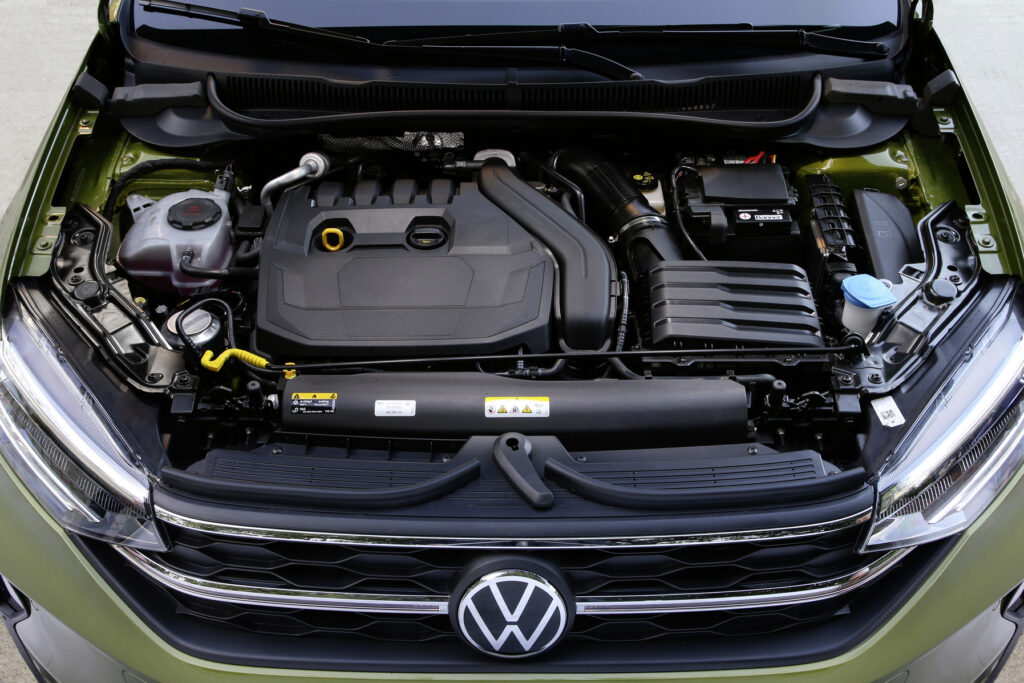
The VW Taigo regularly suffers from battery problems during cold weather, regardless of mileage or year of manufacture. Weak batteries that seem to work fine in normal use, suddenly reach their limit in frost. The result: a car that will not start, flickering warning lights on the dashboard and vague error messages. Sounds familiar? Then it is time to look more closely at what is going on under the bonnet.
Why your VW Taigo will not start in winter
Cold weather puts the 12V battery in your Volkswagen Taigo under heavy strain. Low temperatures significantly reduce the capacity of a lead-acid battery, while the engine actually needs more energy to start. In frosty conditions a battery can deliver up to 50% less effective power than at temperatures above zero. This means that a battery which is only just adequate in summer will fall short in winter.
At the same time, the engine needs more starting power because cold engine oil is thicker and offers more resistance. On top of that, comfort systems such as seat heating, heated mirrors, air conditioning and lighting are running at full power. That combination makes winter a critical period for batteries in the Taigo.
Drivers mainly report problems after a frosty night or after a period when the car has been standing still. Typical complaints are:
- Car will not start at all or only after several attempts
- Weak starter motor that turns slowly
- Warning messages about battery voltage on the dashboard
- Dimming of lights while starting
- Temporary faults in electronics or vague fault codes
‘ This process accelerates in wintry conditions and can lead to starting problems within a few weeks. ’
Short journeys make the problem worse
Many Taigo owners mainly use their car for short journeys: to work, to the supermarket or to drop off the children. That is bad news for the battery. A trip of less than 20 minutes does not give the battery enough time to recharge after starting. The alternator does supply power while driving, but the battery first has to recover the energy lost during starting.
In cold weather this problem is greater. The battery needs more time to charge fully and at the same time delivers less power. As a result, the battery becomes gradually more discharged, even if you drive every day. This process accelerates in wintry conditions and can lead to starting problems within a few weeks.
Therefore, make sure you take a longer drive of at least 30 minutes once a week. That gives the battery the chance to recharge fully again and prevents deep discharge. If you are going to leave the car standing for a longer period, consider using a battery charger to keep the voltage at the right level.
Standing still speeds up battery loss
A Taigo that stands still for days gradually loses voltage due to self-discharge and small consumers that remain active. Think of the alarm, the clock and the memory of control units. In frost, this battery loss can lead to a flat battery within a week. Regularly test the battery voltage with a multimeter if you rarely use the car. A healthy battery measures at least 12.4 volts when the engine is off.
Best battery upgrade for cold starts
If you repeatedly experience battery problems, upgrading to a high-quality battery is a sensible investment. Not every 12V battery is the same. Cheap replacements often provide less starting capacity and have a shorter lifespan, especially under harsh winter conditions. A premium-brand battery with a higher CCA value (cold cranking amps) offers more starting capacity at low temperatures.
When choosing a replacement battery, pay attention to the following points:
- CCA value of at least 600A for reliable winter starts
- Capacity in Ah that matches or is higher than the original specification
- Reliable brand with a minimum 3-year warranty
- Suitable type for start-stop systems where applicable
Some owners notice an improvement after switching to a higher-capacity battery. This provides extra reserve for cold starts and frequent use of electrical consumers. Have a specialist check the battery and advise you on the best type for your usage pattern.
Prevent battery problems in winter
Good maintenance and smart use help prevent starting problems. Small adjustments in your daily routine can be the difference between a reliable start and a flat battery on a freezing cold morning.
Limit power consumption when starting
Before you start, switch off all unnecessary consumers. That means: radio off, heater off, seat heating off and lights off. Every system draws power from the battery. By switching these off before starting, the starter motor has maximum power available.
Start the engine gently and do not crank for more than 10 seconds. If the car does not start, wait at least 30 seconds before trying again. That gives the battery time to recover and prevents extra strain that shortens its lifespan.
Have a weak battery checked immediately
You should not ignore a weak battery that is only just able to start the car. Deep discharge causes permanent damage to the battery and shortens its life. Have the battery charged immediately at a garage or with a home charger. Also test the battery for internal damage and loss of capacity. Many garages offer a free battery test.
If the battery quickly runs flat again after charging, there may be a parasitic drain or a fault in the charging system. In that case, also check the alternator and the voltage regulator. This prevents a new battery from suffering the same problem.
Regularly check the battery voltage
Measure the battery voltage with a multimeter at least once a month. A healthy battery measures between 12.4 and 12.7 volts with the engine off. Directly after driving, the voltage may rise to around 14 volts due to the alternator. If the voltage drops below 12 volts, charging is needed to prevent damage.
In cold periods in particular, keep a close eye on the voltage. This gives early insight into problems and prevents nasty surprises on cold mornings.
‘ That points to a general sensitivity of the standard 12V battery to wintry conditions, especially in combination with short journeys and frequent use of electrical consumers. ’
Signals from real-world use
Taigo drivers report strikingly frequent problems with starting performance in winter, even with cars that have low mileage. Typical complaints are flickering warning lights when starting, weak starting after a cold night and dashboard messages about battery voltage. Faults in the electronics also occur when the battery is weak.
These reports are consistent with a battery that does not provide sufficient capacity in wintry conditions. The problem does not seem limited to a specific model year or trim level. That points to a general sensitivity of the standard 12V battery to wintry conditions, especially in combination with short journeys and frequent use of electrical consumers.
Recognise these signals in good time and take action before the battery fails completely. That saves you mornings with a car that will not start and prevents damage to the battery from repeated deep discharge.

Winter-ready maintenance for your Taigo
Prevention starts before winter sets in. Schedule a check of the battery, the charging system and the electrical installation in the autumn. Have the battery tested for capacity and internal resistance. Replace any battery that is older than four years or shows signs of weakness. That prevents starting problems during the coldest period.
Make sure the battery terminals are clean and properly secured. Corrosion on the terminals increases resistance and reduces effective capacity. Clean the terminals with a wire brush and, if necessary, apply a protective spray.
For prolonged periods of inactivity, consider using a trickle charger or maintenance charger. This keeps the battery at the correct voltage without overcharging and prevents loss of voltage. This is especially useful if you use the car less in winter or park it for a long time at an airport or station.
Find out more about your Taigo
Battery problems are not the only issues Taigo owners encounter. On the Carnews website you will find much more information about common problems, maintenance advice and practical tips for your Volkswagen. Discover which warning signs you should not ignore and how to keep your car in top condition.
Frequently asked questions
Batteries in the VW Taigo perform less well in cold weather because low temperatures slow down the chemical reactions in the 12V lead-acid battery, which reduces effective capacity and voltage. At the same time the cold engine demands more starting current, which puts extra strain on the battery. Short journeys and longer periods of standing still in winter prevent the battery from fully recharging, which weakens it further. Additional power consumers such as heating, lighting and seat heating increase discharge and therefore the risk of starting problems and electronic faults.
To avoid battery problems in your VW Taigo during winter, it is wise to avoid as many short journeys as possible and regularly make a trip of at least around 30 minutes so the battery can charge properly. Before starting, switch off all unnecessary power consumers such as seat and mirror heating, fan on high and radio. Have an older or weak-feeling battery tested in advance and, if necessary, charged or replaced in good time, preferably with a premium brand. Start the engine in short attempts (a maximum of 10 seconds) and wait briefly in between so that you do not unnecessarily drain the battery.
Typical symptoms are difficult or slow starting, battery warnings on the dashboard, flickering or dimmer lights and sometimes strange electronic faults. Before starting, switch off all unnecessary consumers (seat heating, blower, radio, window and mirror heating). Ideally, take a longer drive of around 30 minutes so the battery can recharge. If the problem keeps coming back, charge the battery externally and have it professionally tested or replaced in good time.
Yes, the start-stop function can have additional impact on battery life at low temperatures. Because the engine is frequently switched off and restarted, the 12V battery is put under heavier and more frequent strain, while the cold already reduces its effective capacity. Especially on short journeys, the battery then has less time to recover fully. In severe cold it can therefore make sense to temporarily switch off the start-stop function to relieve the battery.
For a VW Taigo in colder climates a high-quality 12V lead-acid battery from a premium brand with a higher cold cranking current (CCA) than standard is recommended, so that the engine will start reliably at low temperatures. When replacing, preferably choose a battery with at least the same or slightly higher capacity (Ah) and CCA value than the factory-fitted one. Follow the correct dimensions, terminal layout and clamp type according to the specifications in the owner’s manual or from the dealer. In extreme cold a starter battery designed specifically for cold climates (with an increased CCA value) can offer extra reassurance.