

BMW X6: sporty design with technical points of attention
The BMW X6 combines the space of an SUV (Sports Utility Vehicle) with the dynamics of a sports coupé. This unique concept comes with specific technical characteristics and maintenance requirements. Engine issues, electronic faults and wear to the suspension occur regularly, especially on first- and second-generation models. For anyone considering buying an X6, or who already owns one, it is important to be aware of these points of attention and to maintain the car in good time. This helps you avoid expensive surprises and enjoy this striking model for longer.
A Sports Activity Coupé with a unique position
BMW introduced the X6 in 2008 as the first of its kind: a crossover between a tall SUV and a low-slung coupé. The brand calls this concept a Sports Activity Coupé (a combination of a high-riding car with coupé lines). The sloping roofline creates a sporty appearance but comes at the expense of rear headroom and practical luggage space. Nevertheless, the model became popular with car enthusiasts looking for a distinctive appearance and strong performance. The X6 shares its technical basis with the BMW X5, but receives a sportier setup and a lower centre of gravity.
The model is now in its third generation, with the latest version introduced in 2019. Older X6 models from the E71 generation (2008–2014) and the F16 generation (2014–2019) are widely available on the used car market. These older versions suffer technical problems more often than newer examples. BMW car problems are not uncommon on models with higher engine outputs and complex technology.
‘ These engines deliver impressive performance, but they also come with higher maintenance costs. ’
Why car enthusiasts choose the BMW X6
The appeal of the X6 lies in the combination of space, power and design. The model seats five people and comes with four-wheel drive, making the car suitable for long distances and changeable weather conditions. The engine range varies from six-cylinder petrol and diesel engines to powerful V8 variants such as the M50i and the M Competition (high-performance M version) with more than 600 bhp. These engines deliver impressive performance, but they also come with higher maintenance costs.
The sporty character is enhanced by adaptive suspension, large brakes and direct steering. For those who enjoy dynamic driving, the X6 offers a lot of driving pleasure. Even so, this model is more focused on road use than off-roading. Ground clearance is limited and the sloping roofline makes reversing less easy to judge.


What does its reputation say about reliability?
The BMW X6 scores variably when it comes to reliability. First-generation models (E71) suffer technical issues more frequently than later versions. Owners often report faults with the engine, transmission and electronics. The complexity of the technology plays a major role here. The X6 features systems such as adaptive suspension, electric power steering and advanced infotainment, all of which are prone to wear and failure.
Newer models from the third generation (G06, from 2019) show fewer problems, but are still relatively young to enable a complete assessment. Users appreciate the quality of the interior and the driving dynamics, but complain about high maintenance costs and recurring faults with sensors and electronic modules.
Common engine problems with the BMW X6
The BMW X6 is available with various engines, including the N55 and B58 six-cylinder petrol engines, the N57 diesel engine and the S63 and N63 V8 petrol engines (these are internal BMW engine codes). Each of these engines has specific weak points.
Timing chain and guides
The N55 and N63 engines are known for timing chain problems. This chain stretches due to wear on the tensioners and guides. Symptoms include a rattling noise when starting or at idle speed. If this is not rectified in time, the chain can jump or break, leading to serious engine damage. Replacing the chain and guides costs between 1,500 and 3,000 euros, depending on engine type and workshop.
Injectors and fuel supply
Diesel engines such as the N57 regularly suffer from clogged or leaking injectors. This results in uneven engine running, black smoke from the exhaust and increased fuel consumption. Replacing a single injector costs between 300 and 600 euros, excluding labour. On petrol engines with direct injection, the intake valves can become fouled, causing power loss and jerky performance. Cleaning the valves costs about 400 to 800 euros.
Oil leaks and turbos
Oil leaks occur on the N63 V8 engine, often from the rocker cover gaskets or the oil cooler. These leaks can lead to oil loss and overheating. Check the oil level regularly and have leaks repaired immediately. Turbo failures occur on both petrol and diesel engines, especially after 150,000 kilometres. Symptoms include loss of power, whistling noises and blue smoke. Replacing a turbo costs between 1,500 and 4,000 euros.
‘ Replacing the transfer case costs between 2,000 and 4,000 euros. ’
Transmission and drivetrain under strain
The BMW X6 comes as standard with an eight-speed automatic gearbox (ZF 8HP). This transmission has a reputation for reliability, but it does require maintenance. Some owners report jerky gear changes, delayed responses or slipping gears. This may indicate worn clutch packs or contaminated transmission oil. Change the transmission oil every 80,000 kilometres to prevent problems.
Transfer case and differentials
The X6’s four-wheel drive system uses a transfer case and front and rear differentials. The transfer case can show wear after intensive use, especially on high-output models. Symptoms include vibrations while accelerating or unusual noises when cornering. Replacing the transfer case costs between 2,000 and 4,000 euros. Differentials can leak or have worn bearings, which manifests as a droning noise while driving.


Chassis and suspension need attention
The BMW X6 often features adaptive suspension or air suspension, depending on the specification. These systems provide both comfort and sportiness, but are susceptible to faults. Air suspension can develop air leaks in the air springs or compressor, resulting in the car sitting crooked or sagging. Replacing a single air spring costs between 400 and 800 euros. The compressor costs 1,000 to 1,500 euros.
Shock absorbers and bushes
Shock absorbers wear out more quickly with sporty driving and poor road surfaces. Leaking shock absorbers lead to reduced comfort and poor roadholding. Replacement costs between 200 and 500 euros per unit. Control arm bushes and anti-roll bar bushes wear over time, especially on older models. This causes knocking noises over bumps and reduces stability. Replace bushes in good time to prevent further damage to the chassis.
Electronic faults and sensors
The BMW X6 is equipped with advanced electronics, including the iDrive system, adaptive cruise control, parking sensors and cameras. These systems are susceptible to software issues and defective sensors. The iDrive screen can freeze or respond slowly. This is often resolved with a software update at the dealer.
Sensors and wiring
Parking sensors and cameras can become dirty or fail, causing error messages. Clean the sensors regularly and have faulty units replaced. Wiring can corrode or break, especially in the rear door and tailgate. This leads to failure of lighting, cameras or electric tailgate operation. Repairing wiring costs between 200 and 600 euros.
‘ Brake discs generally need to be replaced every 60,000 to 80,000 kilometres. ’
Brakes, interior and other points of attention
The BMW X6 is fitted with large brake discs and callipers, often with M Sport specifications. These brakes wear more quickly with sporty use and require regular checks. Brake discs generally need to be replaced every 60,000 to 80,000 kilometres. Costs range between 400 and 800 euros per axle.
Interior wear
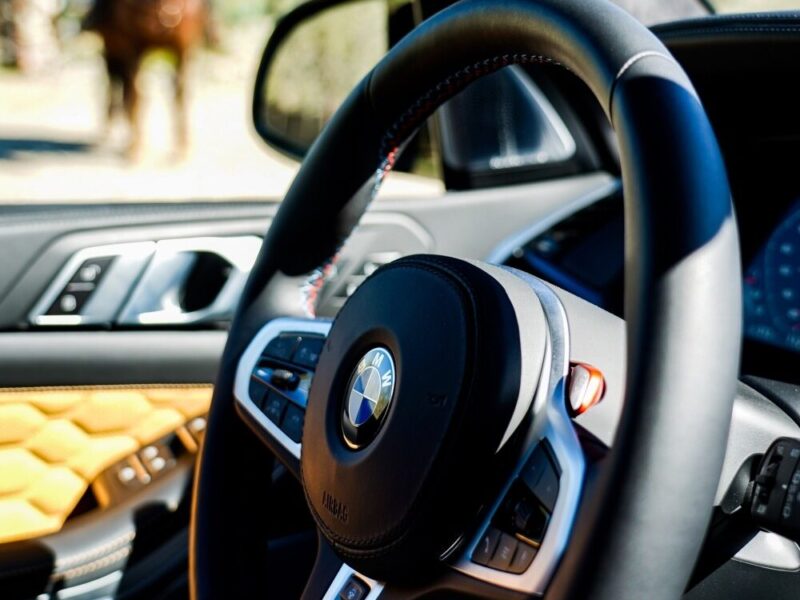
The X6 interior is solidly finished with leather, plastics and aluminium. Nevertheless, wear does occur on frequently used parts. The steering wheel can become shiny or worn, especially on leather versions. Buttons and switches may become loose or unresponsive. Heated seats can fail due to defective heating elements, with repairs costing 300 to 600 euros per seat.

Spot problems at an early stage
Early warning signs of problems can save a lot of repair costs. Watch out for the following symptoms:
- Rattling or ticking noises when starting indicate timing chain issues.
- Jerky or delayed gear changes point to transmission problems.
- Blue or black smoke from the exhaust indicates turbo or injector faults.
- Loss of ground clearance or a crooked stance points to air suspension problems.
- Warning lights for engine, transmission or suspension should be investigated immediately.
If in doubt, have a diagnostic test carried out at a specialist workshop. This costs between 50 and 150 euros and can prevent expensive surprises.
Preventive maintenance extends service life
Regular maintenance is essential on the BMW X6 to prevent major issues. Follow BMW’s service intervals, but consider the following additional measures:
- Change engine oil every 10,000 kilometres or annually, even with low mileage.
- Change transmission oil every 80,000 kilometres, even though BMW labels it as maintenance-free.
- Check the timing chain on models with N55 or N63 engines at around 100,000 kilometres.
- Clean intake valves on direct-injection engines every 60,000 kilometres.
- Have the air suspension checked annually for leaks and damage.
- Replace brake fluid every two years to prevent corrosion in the braking system.
These measures cost extra, but significantly reduce the risk of major failures.
‘ This costs between 150 and 300 euros, but can save you thousands of euros in hidden defects. ’
Checklist when buying a used BMW X6
If you are buying a used BMW X6, check the following points before making a decision:
- Request the full service history and check whether all intervals have been followed.
- Take a test drive and listen for unusual noises, vibrations or warning lights.
- Check the timing chain on petrol models, especially the N55 and N63.
- Test all electronics, including iDrive, cameras, sensors and seat heating.
- Inspect the chassis for leaks, damaged bushes and worn shock absorbers.
- Check the air suspension by setting the car to different heights and observing whether it maintains the chosen level.
- Ask about previous repairs to the engine, transmission or turbo.
Consider a pre-purchase inspection at an independent BMW specialist. This costs between 150 and 300 euros, but can save you thousands of euros in hidden defects.


How much do repairs on the BMW X6 cost?
The cost of repairs on the BMW X6 varies greatly depending on the type of problem and the workshop you choose. Below is an overview of typical costs:
- Timing chain replacement: 1,500 to 3,000 euros
- Turbo replacement: 1,500 to 4,000 euros
- Injector replacement (diesel): 300 to 600 euros each
- Transmission oil change: 300 to 500 euros
- Transfer case replacement: 2,000 to 4,000 euros
- Air spring replacement: 400 to 800 euros each
- Air suspension compressor: 1,000 to 1,500 euros
- Shock absorber replacement: 200 to 500 euros each
- Brake discs and pads per axle: 400 to 800 euros
At a main dealer, costs are usually 20 to 40 percent higher than at an independent specialist. Take these costs into account when purchasing and budgeting for an X6.
Is the BMW X6 worth the investment?
The BMW X6 offers a unique combination of design, performance and space. However, the model does require attention to specific technical aspects. Engine issues, transmission faults and electronic failures occur regularly, especially on older models. Maintenance costs are higher than for conventional SUVs, and repairs can become very expensive.
For those willing to invest in regular servicing and preventive measures, the X6 can provide years of enjoyment. Newer models from the third generation show fewer problems and are more reliable. When buying a used example, thorough research and inspection are essential to avoid unpleasant surprises. Weigh the model’s appeal against the potential costs, and make a well-informed choice.