
Unknown title
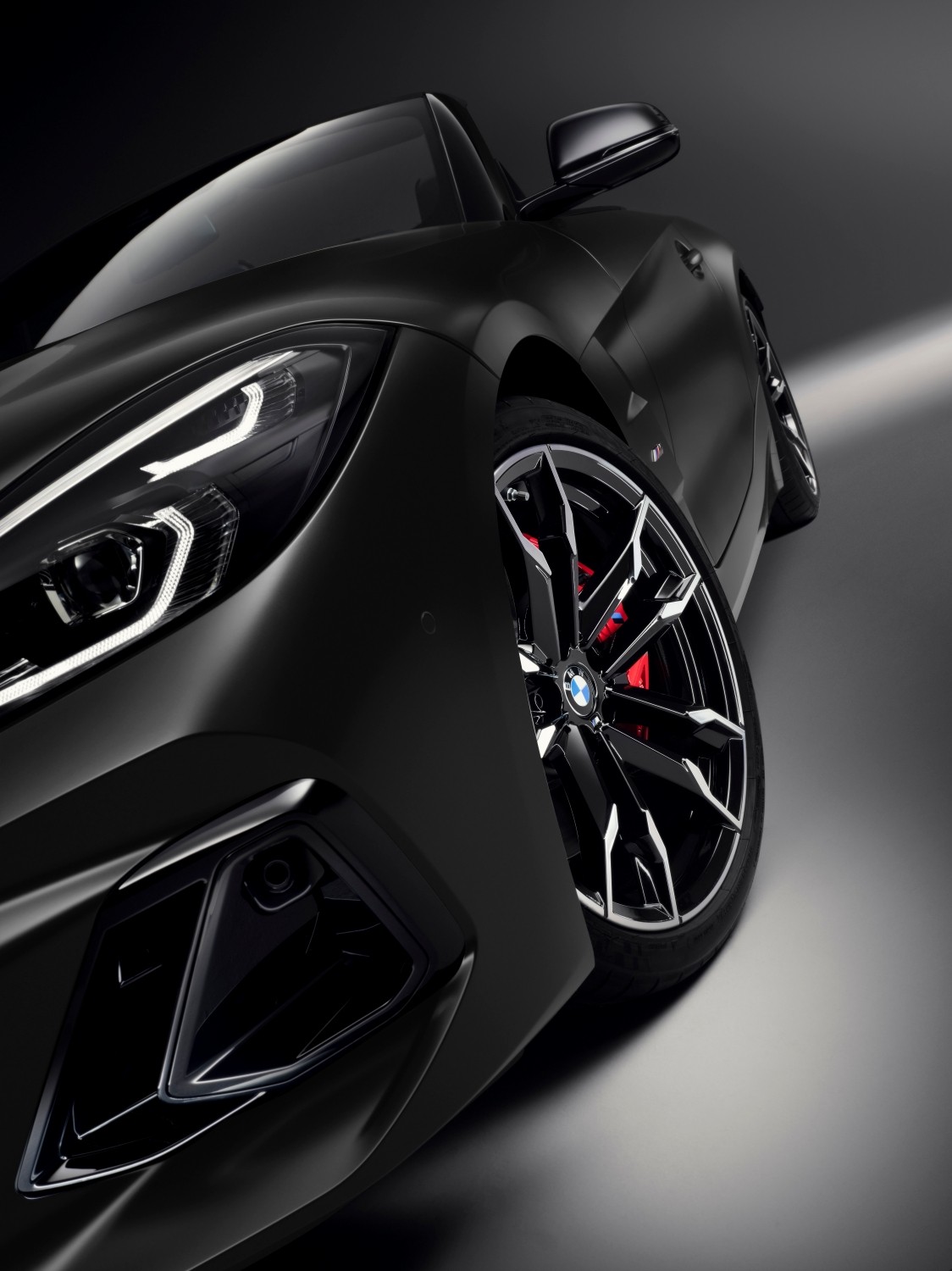
# BMW Z4: a roadster that demands attentionThe BMW Z4 combines sporty driving pleasure with open-top motoring, but it also has its weak points. From engine issues to electrical faults: different generations of the Z4 show specific shortcomings that can become very costly for owners. Anyone considering or already driving a Z4 would be wise to know about these problems. That way you avoid nasty surprises and keep the costs under control.
Three generations, each with its own character
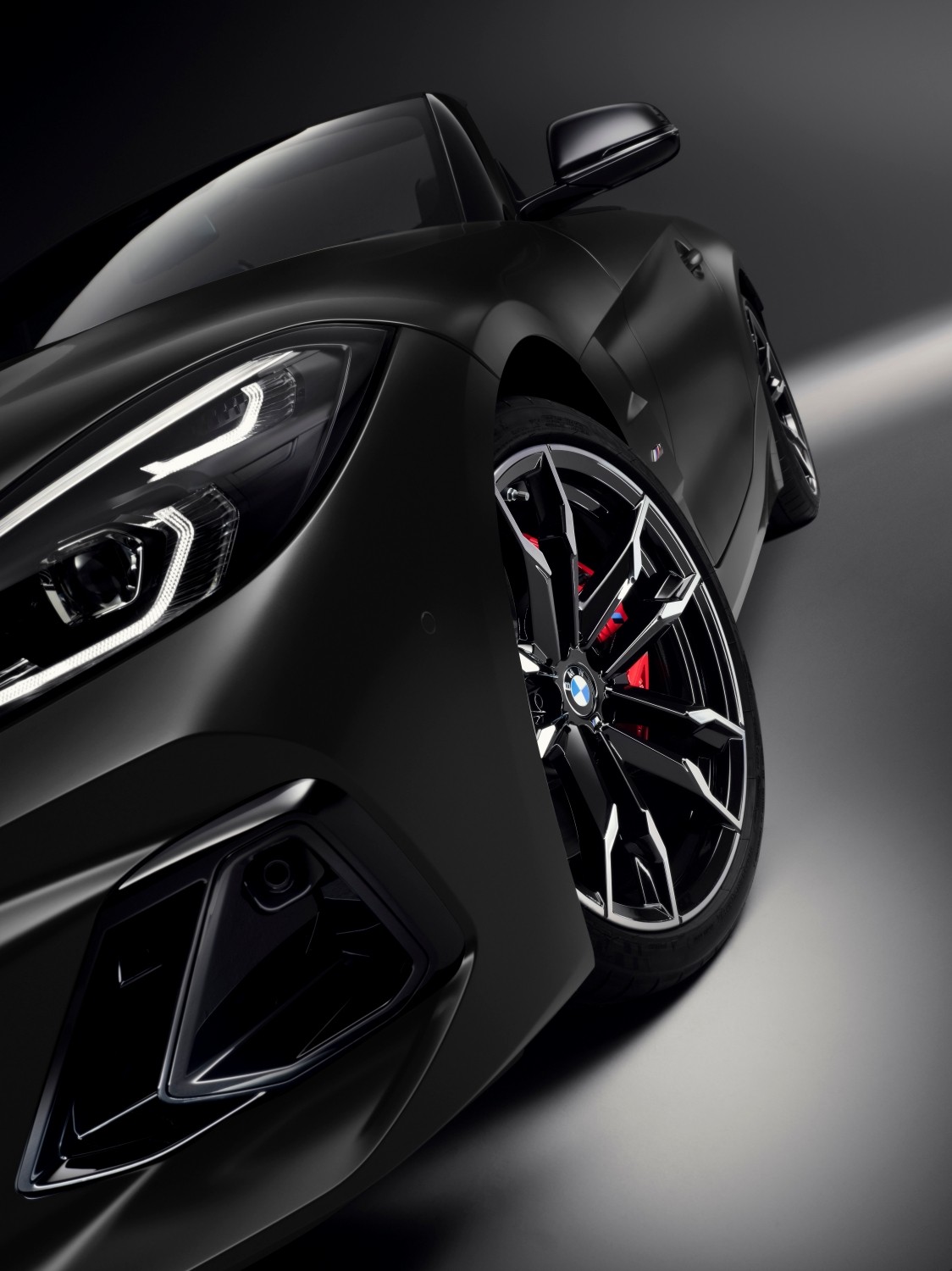
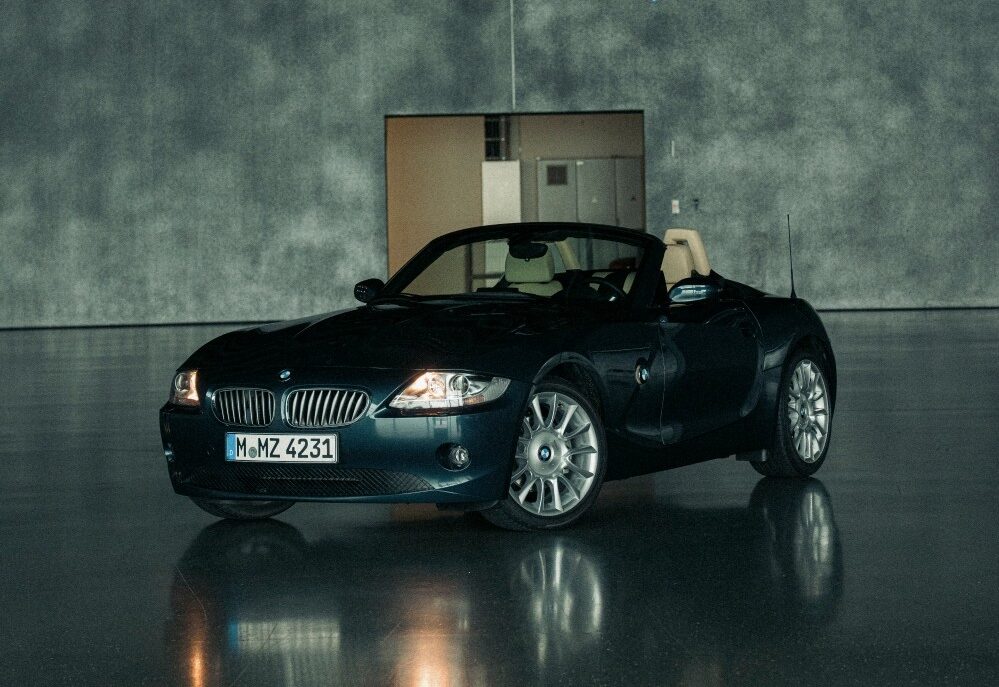
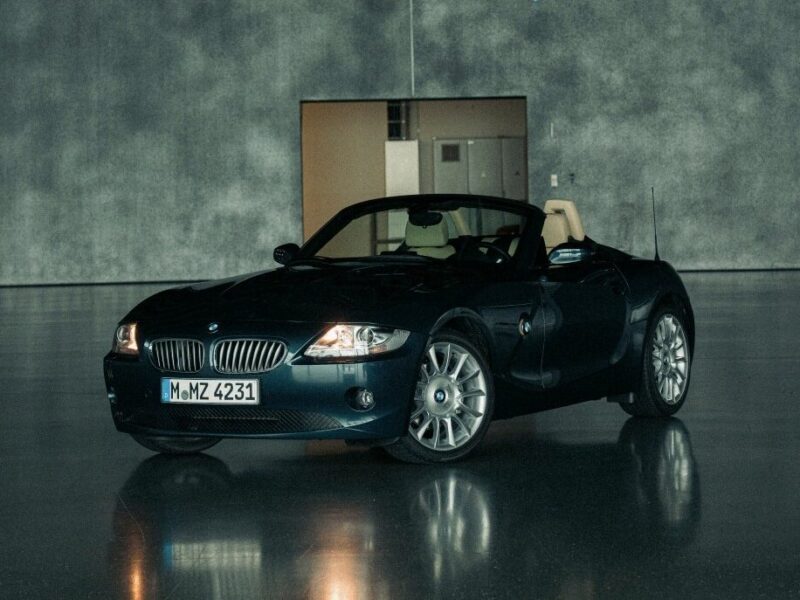
The BMW Z4 has appeared on the market in three different generations. The first generation (E85/E86, 2002-2008) combined the roadster with a coupé version. This generation had a distinctive design with a long bonnet. The second generation (E89, 2009-2016) gained a folding hardtop roof. Its looks became more mature. The latest generation (G29, from 2018 onwards) returned to a fabric convertible roof. This generation shares its technology with the Toyota Supra. Each generation has its own engine range, electronics and specific points to watch.
‘ Car problems with BMWs occur regularly, and the Z4 is no exception. ’
Reliability: realistic expectations
The Z4 is known as a sporty roadster with pleasant driving characteristics, but not as a low-maintenance model. Car problems with BMWs occur regularly, and the Z4 is no exception. Owners report various technical complaints ranging from minor electrical faults to expensive engine problems. Reliability strongly depends on maintenance history and driving style. A well-maintained Z4 with a full history offers more peace of mind than a car with gaps in its service book.
Engine problems by type
The six-cylinder petrol engines have several weak spots. In particular, the N52 (the naturally aspirated six-cylinder without turbo) and the N54 (the six-cylinder with two turbochargers) deserve attention. With the N54 turbo engine there are issues with the high-pressure fuel pump, the wastegate control valves (valves that regulate the turbo pressure) and the turbochargers themselves. Owners report loss of power, rough idling and faults that trigger limp mode. The N52 naturally aspirated engine (the version without a turbo) suffers from leaking rocker cover gaskets. Problems with the VANOS system (which varies the valve timing) occur regularly. Oil leaks from the oil filter housing gasket are also a familiar issue.
The four-cylinder engines in more recent models show different teething troubles (typical early-life weaknesses). The B48 engine (the modern four-cylinder turbo engine) can suffer from timing chain issues if maintenance is neglected. Regular oil changes are even more important on this engine than on the older six-cylinders. Coolant leaks occur with different engine types, often due to ageing plastic components in the cooling system.
Transmission issues with manuals and automatics
The manual gearbox is generally considered reliable. Wear of the synchromesh rings (which ensure smooth gear changes) can occur under hard use. Gear selection problems are sometimes caused by a worn clutch or issues with the hydraulic clutch actuation. Leaks in the clutch cylinder lead to poor shifting or complete failure.
The automatic transmissions require more attention. The six-speed automatic (ZF 6HP, the six-speed gearbox built by ZF) from the E89 generation (the second generation from 2009-2016) can show jerks during gear changes. The transmission may also refuse to engage a gear. This often points to worn mechatronic modules or contaminated transmission fluid. The eight-speed automatic in the G29 (the latest generation from 2018 onwards) suffers less frequently from these problems but still needs timely oil changes. Make sure the transmission oil is replaced according to schedule, even if BMW sometimes calls it “filled for life”.
‘ The electric power steering (EPS, the system that provides electronic steering assistance) has software problems in the E89 generation (the second generation from 2009-2016). ’
Suspension and steering under strain
The Z4’s sporty suspension gives sharp handling but demands regular maintenance. Bushes in the control arms and anti-roll bar links wear more quickly due to the firm set-up. Owners notice this through knocking noises over bumps or vague steering feel. Shock absorbers can lose effectiveness after 80,000 to 100,000 kilometres, leading to a floaty feel and reduced roadholding.
The electric power steering (EPS, the system that provides electronic steering assistance) has software problems in the E89 generation (the second generation from 2009-2016). The power steering can cut out or become heavy, often accompanied by a warning light. A software update sometimes fixes this. In other cases the EPS module (the electronic control unit for the electric power steering) needs replacement. When buying, check whether this update has been carried out.
Convertible roof: mechanisms with weaknesses
The fabric convertible roofs on the E85/E86 (the first generation from 2002-2008) and G29 (the latest generation from 2018 onwards) use hydraulically or electrically operated mechanisms. These mechanisms are prone to faults. Sensors that monitor the roof position can trigger error messages, preventing the roof from opening or closing. Leaks occur due to ageing seals, especially around the rear window and roof edges. Water in the boot or behind the seats is a sign of this.
The folding hardtop on the E89 brings its own problems. The mechanism uses multiple hinges and motors and needs careful lubrication. If neglected, motors can seize or hinges can stick. The roof then makes creaking noises. It can also stop halfway through its opening or closing movement. Regularly lubricate all moving parts and check the seals for cracks.
Electronics and sensors with quirks
Modern Z4 models have extensive electronics, and these frequently develop faults. The iDrive system (BMW’s central control and infotainment system) can freeze or respond slowly, often resolved with a software update. Parking sensors may give false warnings or stop working due to corrosion or damage. The reversing camera can become cloudy or fail due to moisture in the connector.
Problems with keyless entry (the system that lets you open the car without using the key) occur in the newer generations. The start-stop system (which switches the engine off automatically when stationary) also shows faults. The car may not respond to the key or may not start, usually due to a weak key battery or issues with the antenna modules. The climate control can fail, leaving the heating or air conditioning inoperative. This is often caused by defective control modules (the electronic units that control the climate system) or leaking coolant valves.
‘ A small rust bubble under the paint needs quick attention. ’
Interior and bodywork: wear and light rust
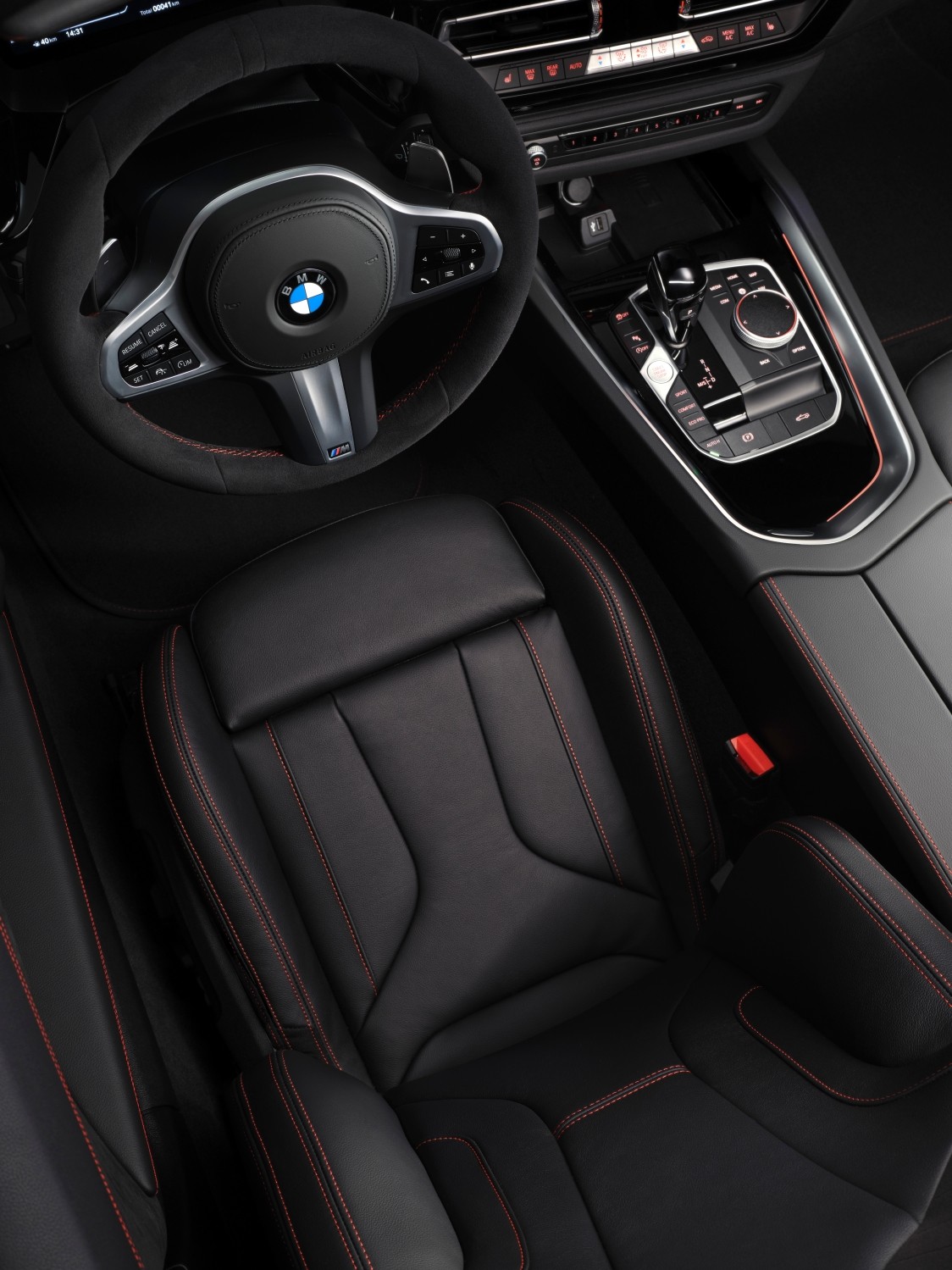
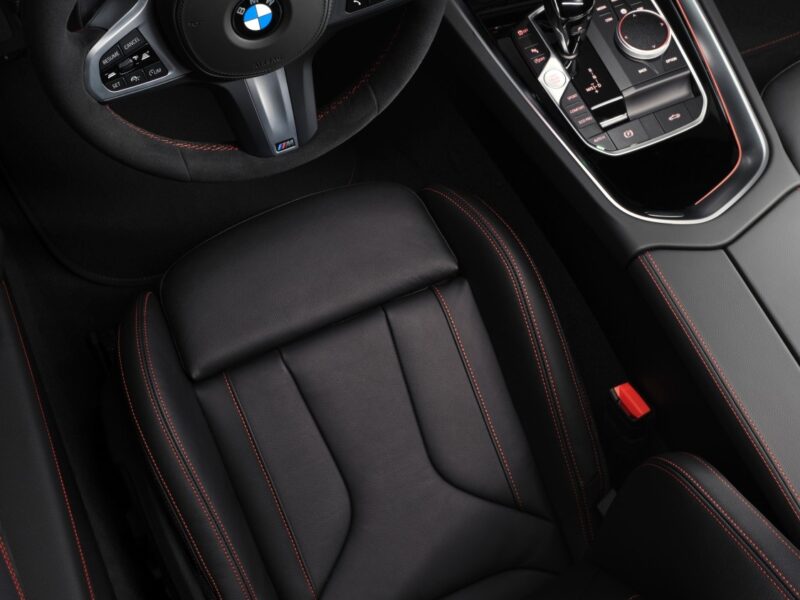
The Z4’s interior shows wear in the usual areas. The driver’s seat wears out, especially the side bolster and seat cushion upholstery. Creaks in the dashboard occur due to thermal expansion of plastic parts. The centre console and door panel can produce rattling noises, usually solved with additional retaining clips.
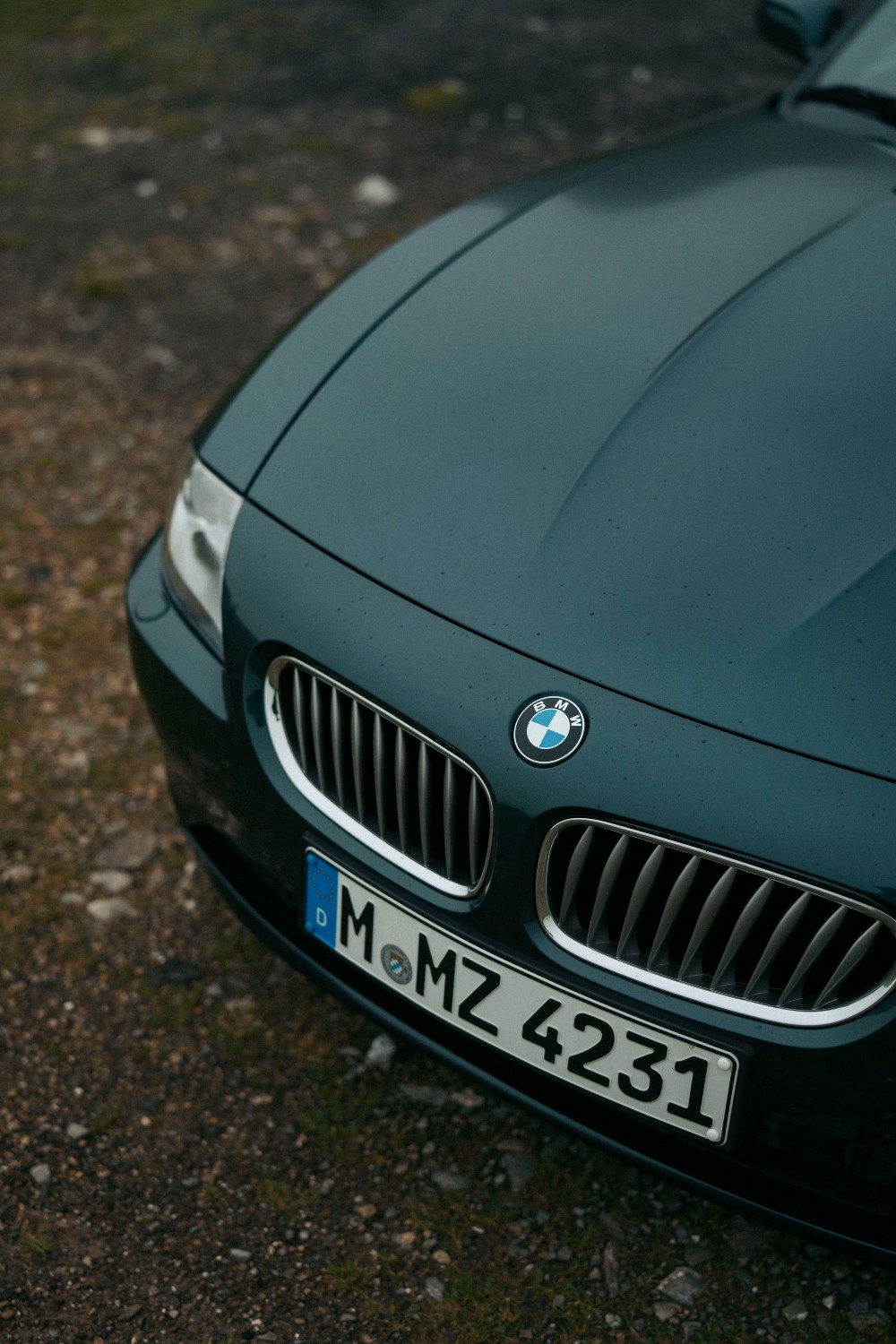
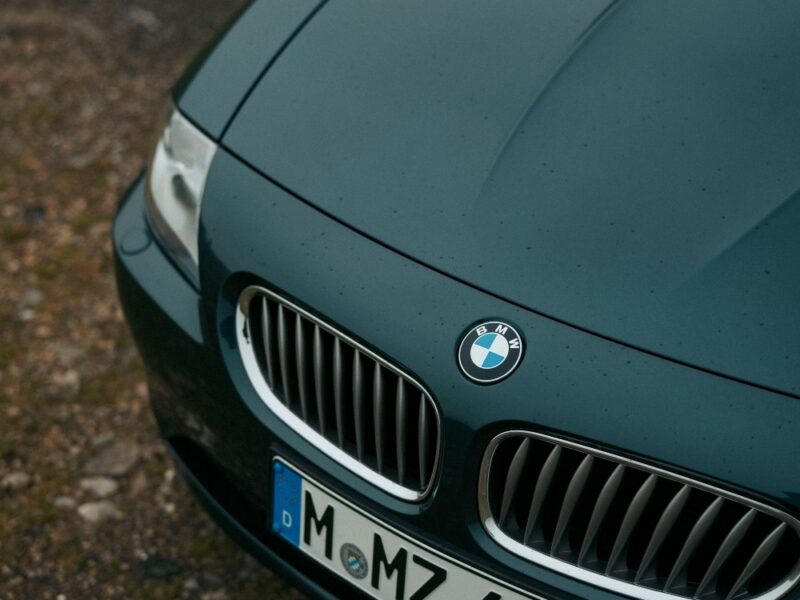
The bodywork shows mainly light rust on older examples. Check the wheel arches, sills and the bottom edges of the doors for corrosion. Stone-chip damage to the paint on the bonnet and front end is common because of the low nose. A small rust bubble under the paint needs quick attention, as it can spread rapidly.
Warning signs you should not ignore
Certain symptoms indicate early-stage problems that can quickly worsen. Watch out for the following signs:
- Unstable idling or vibration on start-up point to ignition coil or spark plug issues
- Loss of power or limp mode suggests turbo, fuel pump or sensor faults
- Clunking noises from the suspension when cornering or driving over speed bumps
- Jerks when shifting or refusal to engage a gear in automatics
- Warning lights for power steering, ABS or engine management
- Oil leaks under the car after parking
- Creaking noises when opening or closing the convertible roof
Do not ignore these signs. Early diagnosis prevents expensive repairs.
Preventive maintenance keeps problems manageable
Regular maintenance reduces the risk of major problems. Replace engine oil every year or every 15,000 kilometres, even if BMW specifies longer intervals. This protects the VANOS system and the timing chain from premature wear. Have the gearbox oil (the lubricant in the transmission) replaced every 60,000 kilometres. This applies regardless of any “filled for life” claims.
Check coolant and brake fluid annually and replace them according to the schedule. Inspect suspension and steering bushes every year. Replace them if they show cracks or swelling. Lubricate the convertible roof mechanism twice a year with a suitable lubricant. Keep the roof drains clear to prevent water leaks.
Software updates for the engine management (the electronic control of the engine) can prevent many faults. Updates for the transmission control (the electronic control of the gearbox) are also important. Have these carried out by a specialist BMW workshop. Use quality fuel and avoid short journeys that do not allow the engine to reach full operating temperature.
‘ The cost of this is nothing compared with the expense of hidden defects. ’
Buying tips for a used Z4
When buying a second-hand Z4, ask for a complete maintenance history. Check whether all recall actions (manufacturer-mandated repairs for known safety risks) have been carried out. Also check whether software updates have been installed. Test the convertible roof several times for correct operation and listen for unusual noises. Make sure all electronics work, including sensors, lighting and infotainment.
Take a test drive on different types of road. Pay attention to the behaviour of the shock absorbers, steering feel and gear changes. Put the car on a lift and check for oil leaks, rust spots and damage to the underside. Ask about the condition of the timing chain, especially on four-cylinder engines with high mileages.
If in doubt, have a pre-purchase inspection carried out by an independent BMW specialist. The cost of this is nothing compared with the expense of hidden defects. Avoid cars with incomplete histories or unclear accident damage. A Z4 with lower mileage and full documentation offers more peace of mind.
Knowledge makes the difference
The BMW Z4 offers sporty driving pleasure and open-top motoring, but it demands attention and maintenance. By knowing the common issues and acting preventively, you limit repair costs and extend the life of your roadster. Owners who invest in regular servicing and act promptly at the first symptoms enjoy their Z4 for longer. Money spent on a pre-purchase inspection and consistent preventive maintenance pays off in reliability and driving pleasure.