
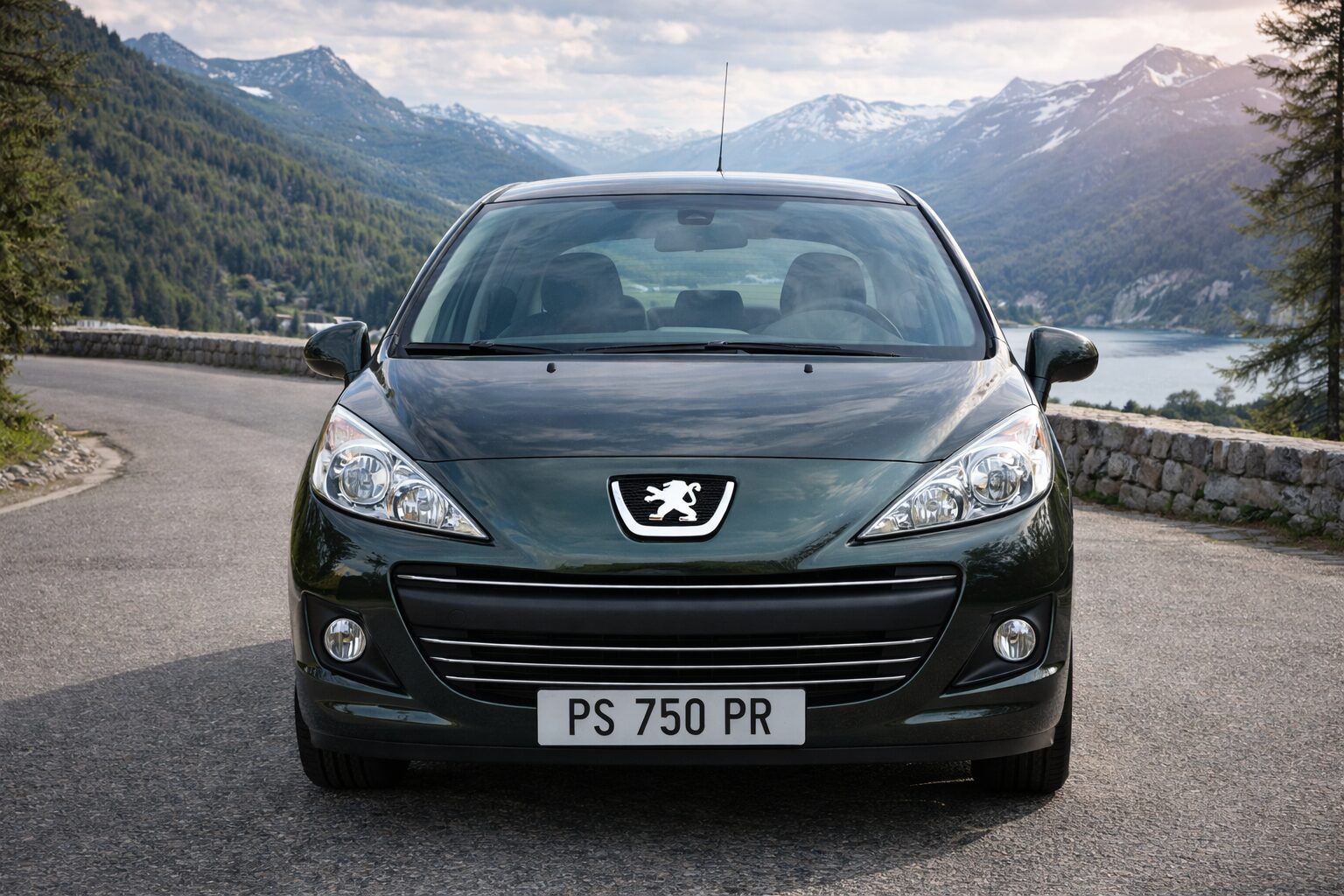
The boot of the Peugeot 207 stays shut more often than you’d like, especially on CC and SW models after 50,000 to 80,000 kilometres. Faulty locks, broken cables and corrosion on switches can cause the tailgate not to respond to the remote control or simply get stuck. This significantly affects the practical use of your car and, in combination with roof issues on the CC, can become even more frustrating. Find out what causes these faults and how to tackle them.
Why the boot of your Peugeot 207 won’t open
The Peugeot 207 suffers from a number of typical problems around the boot and tailgate. The electric actuator that should open the boot regularly fails due to overload, moisture or oxidation of the microswitches (small electrical switches in the lock mechanism). As a result, the system no longer responds to the button in the interior or the remote control.
In addition, the cables in the flexible sleeve between the body and the tailgate often break. This mainly concerns the green and blue cables, which can crack due to repeated opening and closing. Corrosion on the connectors is also a very common cause, especially when water has entered the lock mechanism.
On the CC models, the connection with the convertible roof plays an additional role. The locks there are protected, which sometimes causes the boot to refuse to open after operating the roof. A missing luggage net or a locking hook that is not properly engaged can block the system.
‘ However, this does not solve the underlying problem and calls for further diagnosis. ’
How to open a stuck tailgate
If the boot no longer responds, you can use the emergency release. This lever is located on the inside of the boot and is described in the manual. Using this mechanical release, you can open the tailgate from the inside, which is useful if you are stuck with an electrical fault.
Owners report that sometimes external obstacles also block the handle. Number plates or number plate holders that are mounted too high or too tightly can prevent the handle from moving. This is a simple but common mistake that you can check and fix yourself by moving or removing the holder.
On CC models it sometimes helps to press firmly on the tailgate, especially on the left rear side. This activates the locking hook and can offer a temporary solution if the mechanism has jammed. However, this does not solve the underlying problem and calls for further diagnosis.
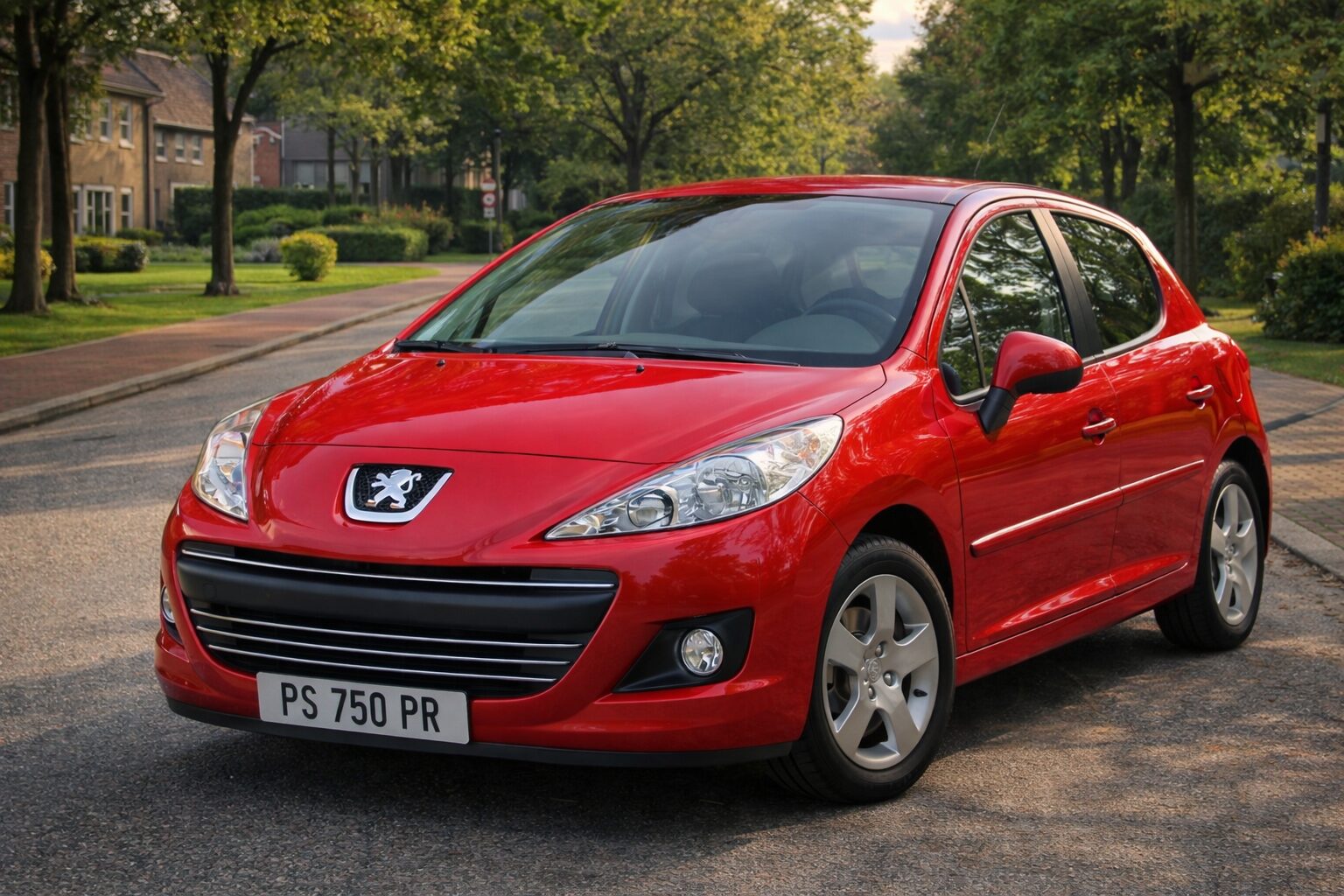
Typical weak points on the CC models
The CC version of the Peugeot 207 has specific issues due to integration with the convertible roof system. The boot is electronically linked to the roof control and has safety locks that ensure both systems cannot move at the same time. This can lead to error messages and beeping from the system, with the boot remaining locked.
In addition, the Bowden cables that operate the lock are prone to corrosion and breakage. These cables run through the flexible sleeve and are constantly in motion. Over time, the outer sheath can crack or the cables can rust, stopping the locking hook from engaging.
The gas struts that support the tailgate can also seize up after around 120,000 kilometres. This does not affect the opening itself, but makes using the boot heavier and can add extra load to the lock mechanism.
Cable breaks and corrosion as the main cause
Many faults stem from breaks in the wiring between the body and the tailgate. The flexible cable sleeve moves with every opening and is subject to wear. The green and blue wires break there most often, causing the electrical connection to the actuator to fail.
Corrosion on the connectors and switches is a second source of problems. Moisture entering through gaps in the tailgate attacks the contact points. Oxidation causes an interrupted or intermittent connection, with the boot sometimes opening and sometimes not. Cleaning the connectors and treating them with contact grease can resolve this.
The central locking system is also integrated with the boot system. Faults in this central electronic network can affect the tailgate, especially if error messages occur in combination with roof operation on CC models. A full diagnosis of the electrical system is then required.
‘ This prevents oxidation and significantly extends the service life of the electrical components. ’
Practical tips for maintenance and prevention
Regularly checking the lock mechanism and cables can prevent many problems. Every 30,000 kilometres, inspect the rubber sleeve for cracks and check the cables for breaks. Lubricate the moving parts of the lock and the hinges with a universal lubricant to counteract corrosion.
Clean the electrical contacts and connectors at the lock with contact spray and dry them thoroughly. Then protect the contact points with polfet (special grease for electrical contacts) to keep moisture out. This prevents oxidation and significantly extends the service life of the electrical components.
Also check that the number plate and any holders are not obstructing the handle. Remove obstacles that may block its movement. On CC models, you can check the roof connection by testing after each roof operation whether the boot still responds normally.
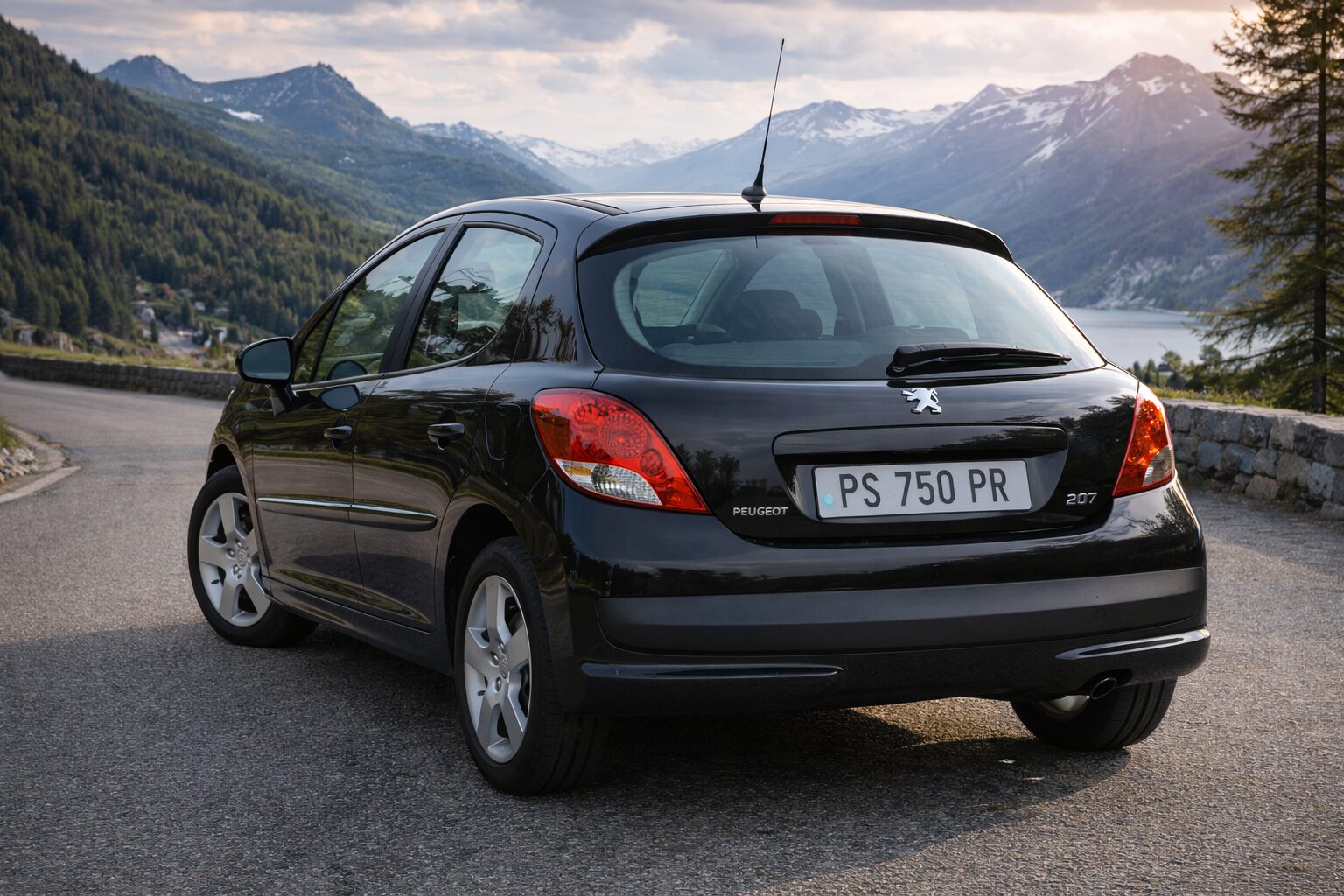
When you need professional help
If the emergency release does not work or you suspect that the actuator or microswitches are defective, professional diagnosis is recommended. Replacing the electric motor or the lock mechanism requires removal of the interior panel of the tailgate and knowledge of the electrical system.
Owners report that even after replacing the lock, problems can persist due to cable defects elsewhere in the system. Therefore, after assembly, test the entire system, including the remote control and the central locking. On CC models, the connection with the roof control must also be checked.
Complex electronic faults, such as problems in the central locking system or fault codes that do not disappear, require a diagnostic computer. A specialised garage can read the fault codes and recalibrate the system if necessary.
Common warning signs that call for action
Watch out for the following symptoms that indicate an impending fault:
- The boot no longer responds to the remote control, but sometimes still works with the interior button
- You hear a beep when operating the tailgate, but nothing happens
- The tailgate only opens partially or immediately drops back down
- On CC models, error messages about roof operation appear in combination with a locked boot
- You have to press hard on the tailgate before it locks or unlocks
These signs point to wear in the electrical or mechanical system and require inspection. Acting early prevents you from being completely locked out of the boot and saves higher repair costs.
‘ “This improves the connection and protects against moisture.” ’
Self-check steps you can take
Start by visually inspecting the cables in the rubber sleeve between the body and the tailgate. Open the tailgate and gently bend the sleeve to see if any cracks or breaks are visible. Check whether the cables are still firmly seated in the connectors.
Clean the connectors and switches at the lock of oxidation by disconnecting them and treating them with contact spray. Dry everything thoroughly and apply a thin layer of polfet to the contact points. This improves the connection and protects against moisture.
Test the emergency release from the inside of the boot to check whether the mechanism still works. See whether the handle moves smoothly and whether the tailgate actually unlocks. Lubricate the handle and the associated cables if they move stiffly.
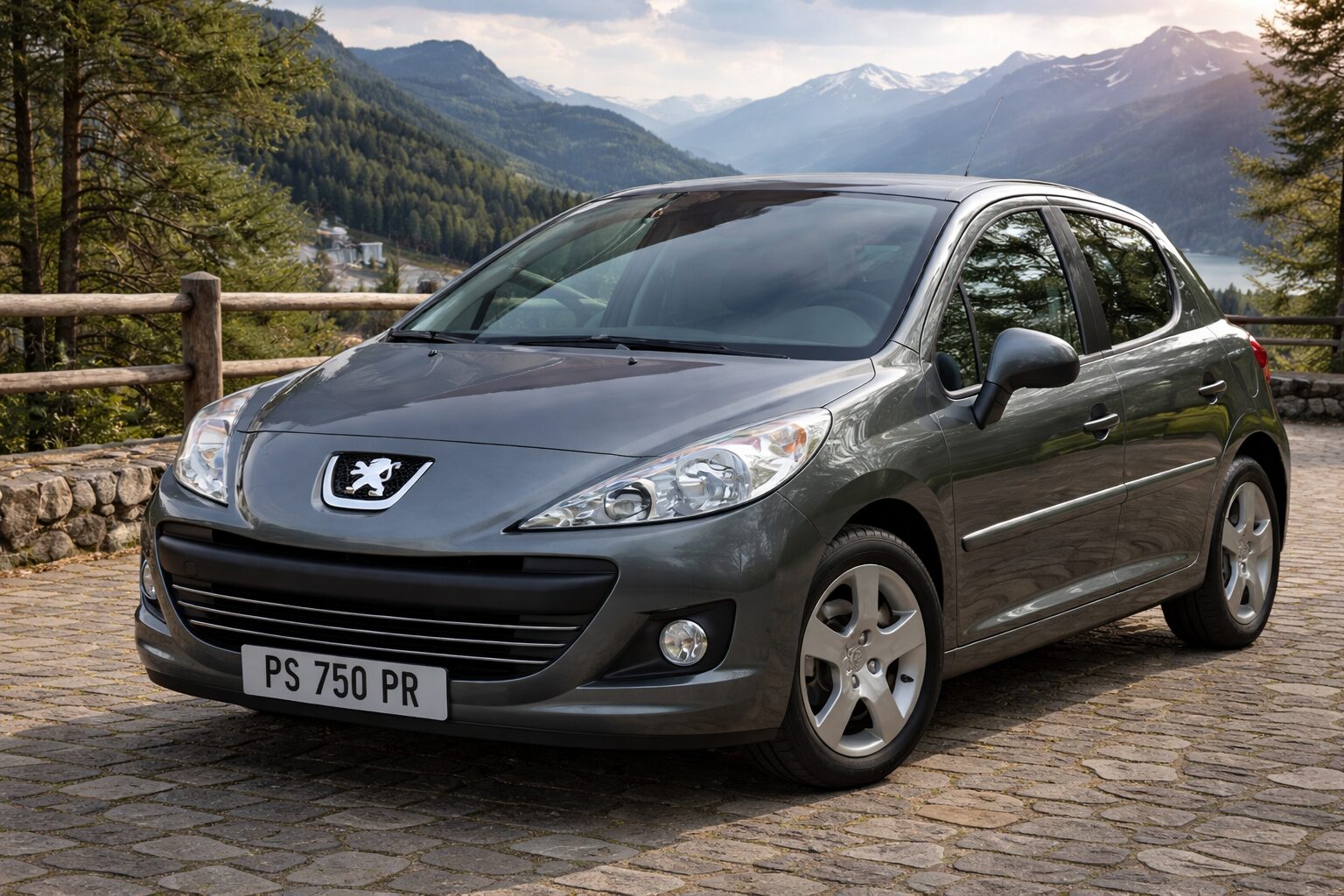
You can find more help and information at Carnews
The boot and tailgate problems of the Peugeot 207 are annoying, but with regular maintenance and timely checks they are quite manageable. On the Carnews website you will find much more information about common car problems, maintenance tips and practical guides for car enthusiasts. Discover more articles and increase your knowledge about your car.
Frequently asked questions
The most common problems are a poorly functioning electric actuator or microswitches in the lock, causing the boot sometimes not to open at all. In addition, cable breaks and corrosion in the wiring loom between body and tailgate often occur, which cause faults in the locking system. Mechanical problems such as seized gas struts or defective Bowden cables also result in a boot that does not open or close properly. On the CC version, faults in the connection with the convertible roof and the central locking system also regularly play a role.
Faults in the tailgate locking or opening on a Peugeot 207 are mainly caused by failure of the electric actuator and oxidised or defective microswitches in the lock mechanism. In addition, cable breaks or corrosion in the wiring loom and plug connections in the rubber sleeve between body and tailgate are very common. Corrosion or breakage of Bowden cables and mechanical blockages (such as seized gas struts or an overly tight number plate installation that blocks the handle) are also typical causes.
Yes, there are several do-it-yourself solutions for common problems with the boot or tailgate of a Peugeot 207. You can check the cables in the rubber wiring grommet yourself for breaks, clean and grease connectors and microswitches, and lubricate the lock mechanism and moving parts. You can also remove mechanical blockages such as incorrectly fitted number plates yourself and replace worn gas struts. The manual also explains how to open the boot via the internal emergency release.
The average costs for having the boot lock or electric actuator of a Peugeot 207 replaced or repaired are usually around €150–€300 at a garage, including labour. Repairing cable breaks or corrosion in the wiring loom usually falls in the €100–€250 range, depending on the labour time required. Replacing boot gas struts costs on average €80–€150 for parts and fitting together. For complex electrical problems (central locking/roof control on CC models) costs can rise to around €250–€500.
During maintenance, check the cables in the rubber wiring grommet for early signs of breaks and corrosion and treat plug connections with contact spray. Every 1 to 2 years, lightly lubricate the lock mechanism, hinges and gas struts with a suitable lubricant to prevent seizing. Clean the microswitches and remove moisture from the area around the catch so that moisture and oxidation do not get a chance. Finally, make sure that no accessories (such as number plate holders) press against the handle or catch that could later cause blockages.