
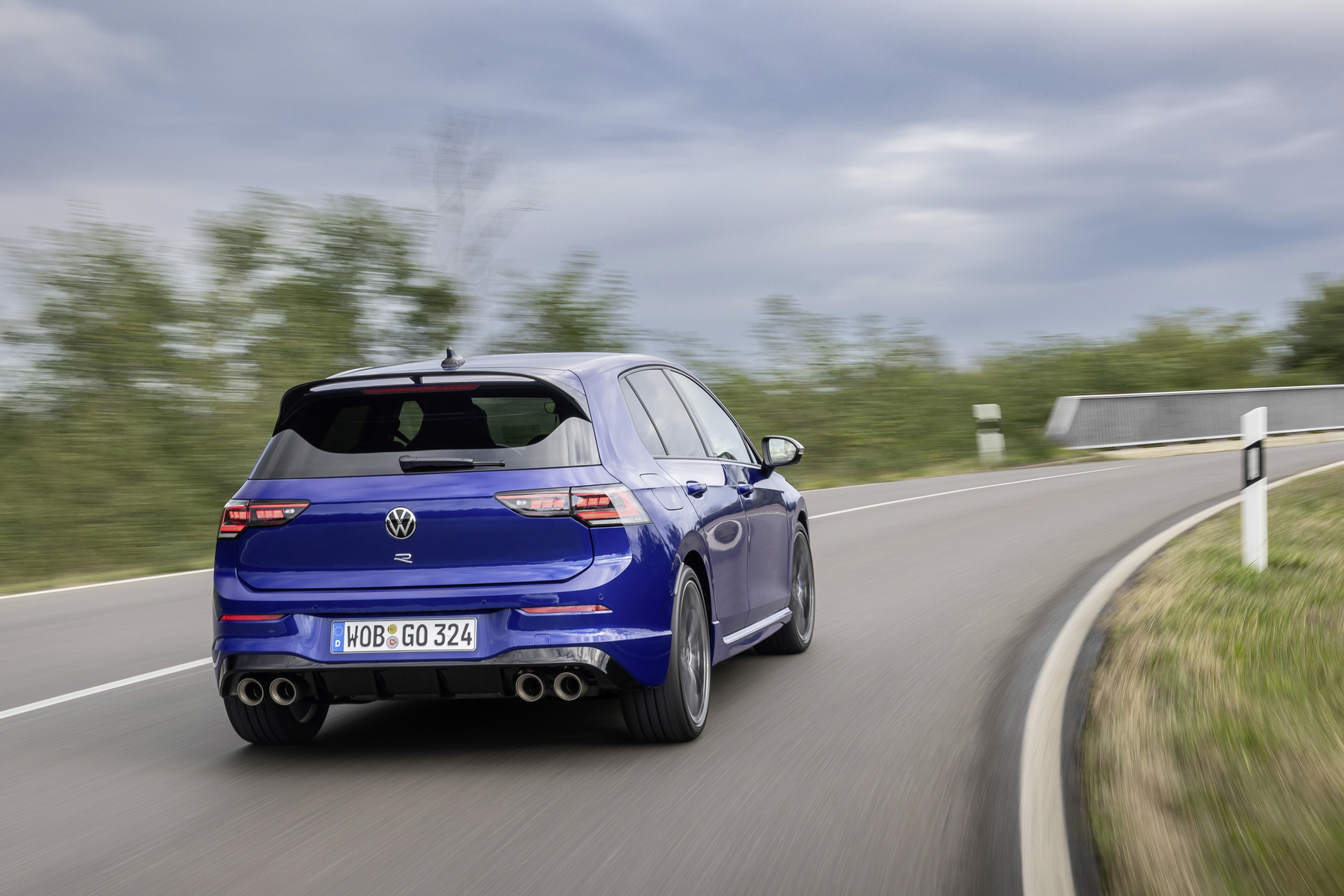
ABS faults, brake wear and a spongy brake pedal are among the common complaints with the Volkswagen Golf. The electric parking brake and strange braking noises also require regular inspection and timely replacement to keep driving safely. Discover what causes these problems and how to solve them.
Why is the ABS warning light on your dashboard illuminated?
The ABS warning light indicates that something is wrong with your anti-lock braking system. The most common cause is a faulty wheel speed sensor. This sensor measures the speed of each wheel and sends this information to the ABS system. If the sensor becomes contaminated or fails, you will immediately receive a warning.
But there are more possible causes for that warning light. A defective ABS control module due to corrosion or internal faults can trigger error messages. Damaged ABS rings or chafed sensor wiring will also activate the warning. Sometimes the cause is simpler: a brake fluid level that is too low or a blown fuse can already explain the problem. Many owners discover that dirt on the sensor is to blame.
With the Volkswagen Golf this problem occurs regularly, especially on models with high mileage. The ABS unit itself has an average service life of around 100,000 kilometres.
‘ With these steps, you can often pinpoint the exact cause without going straight to the garage. ’
How can you diagnose ABS problems yourself?
Start by checking the fuses. Open the bonnet and locate the fuse panel near the battery. On Golf Mk4 models, specifically check the 308 fuses of 30 amps. Replace them if necessary.
The next step is to read out fault codes with a diagnostic scanner. Use VCDS (diagnostic software for VAG vehicles), OBD11 (a diagnostic app with Bluetooth adapter) or a similar device. A common fault code is 00287, which points to a defective wheel speed sensor. After reading out the codes, follow these checks:
- Inspect the wheel speed sensors for contamination or damage
- Test the ABS fuse and relay
- Check the ABS pump and module for water damage
- Examine the communication wires, especially the orange-black and orange-brown wires on older models
- Check the power and earth connections to the module
With these steps, you can often pinpoint the exact cause without going straight to the garage.

Replacing the wheel speed sensor
The wheel speed sensor is often the culprit in ABS faults. Replacing it is a do-it-yourself job, but requires technical skill. First remove the wheel and free up the brake pedal and brake calliper. Carefully detach the sensor and clean the areas where dirt accumulates.
Install the new sensor with the correct connections. Make sure everything is properly secured. After replacement, you must erase the fault codes with your diagnostic scanner. Then test the system again to check whether the problem has been resolved. Take a short test drive and see whether the ABS warning light stays off.
How much does ABS unit repair cost?
If the ABS unit is faulty, there are two options. You can have the unit removed and repaired in a specialist workshop. This is the most affordable choice. The other option is to replace the unit completely and reprogram it. At an official Volkswagen dealer this can cost around €3,200.
Many owners opt for repair because it is considerably cheaper. The ABS unit is a known problem area on the Golf, especially with high mileage. Request several quotes from specialist companies that focus on ABS repairs.
‘ Deep grooves or uneven surfaces mean replacement is necessary. ’
Recognising brake wear on a used car
You are buying a used Golf. Check the brakes. During a test drive, listen for unusual noises when braking. Squeaking or grinding sounds point to worn brake pads or brake discs.
Also pay attention to how the brake pedal feels. Does it feel spongy or slowly sink to the floor? Then there may be air in the braking system or a leak. A properly working brake pedal feels firm and offers immediate resistance.
Visually inspect the brake discs through the spokes of the wheels. Deep grooves or uneven surfaces mean replacement is necessary. Ask the seller or dealer about the most recent brake service and, if in doubt, request an inspection by a mechanic.


Problems with the electric parking brake
The electric parking brake (EPB, Electronic Parking Brake) of the Volkswagen Golf can sometimes refuse to operate. This system replaces the traditional handbrake and actuates the brake callipers electronically. Owners report that the brake does not always engage or, conversely, will not release. This can be due to a software fault, a defective motor in the calliper or a problem with the control switch.
Start by checking the fuses associated with the electric parking brake. Then reset the system via the menu in your car. If this does not work, a diagnostic scan can reveal where the problem lies. Sometimes a software update is enough to solve the issue.
In the case of persistent problems, the calliper itself must be checked. The motor that operates the parking brake can seize due to corrosion or wear. Replacing the calliper will solve this, but it is a job for a specialist.
Solving brake noise
Strange noises when braking are annoying and can indicate various problems. Squeaking brakes are often caused by worn brake pads. Most brake pads have a built-in wear indicator that will squeak when replacement is needed.
Grinding noises are more serious. This means the brake pads are completely worn out and the metal backing plate is rubbing against the brake disc. This damages the brake discs and must be rectified immediately. Check the thickness of the brake discs and replace them if necessary.
Sometimes noises are caused by vibrating brake components. Loose or missing anti-rattle clips can cause vibration. Dirt between the brake pad and the calliper can also create noise. Clean the brake components and lubricate the sliding points with special brake grease.
‘ Replace worn components in good time to keep driving safely. ’
Preventive maintenance for your braking system
Regular maintenance prevents many brake problems. Check the brake fluid level every few months. A level that is too low can affect the ABS system and must be topped up immediately. Always use the correct specification of brake fluid as prescribed by Volkswagen.
Keep the wheel speed sensors clean. Washing your car regularly, especially after driving in muddy conditions, prevents dirt from building up on the sensors. This significantly reduces the risk of ABS faults.
Have the brakes checked by a mechanic at least once a year. This inspection includes measuring the brake discs and pads, checking for leaks and testing the ABS system. Replace worn components in good time to keep driving safely.
When should you go to the garage?
Although you can carry out many diagnostic checks yourself, there are situations where you need help. Contact a specialist if you cannot establish communication with the ABS module. Professional help is also needed if there are multiple fault codes that are not related to the wheel speed sensor.
Are you unsure about the power supply and earth connections? Then have them checked by a mechanic who is familiar with Volkswagen electronics. A defective ABS unit always requires professional repair or replacement. Do not attempt to repair this yourself without the proper knowledge and equipment.
If you are in any doubt about the safety of your braking system, you must always act immediately. Brakes are your most important safety feature and should never be neglected. A good mechanic can quickly determine what is going on and advise you on the best solution.
Want to know more about car problems?
On the Carnews website you will find extensive information about common car problems, maintenance tips and practical guides. Whether you want to know more about other models, specific technical issues or general car maintenance, there is something for everyone. Discover more articles and expand your knowledge about cars.
Frequently asked questions
The most common ABS problems with the Volkswagen Golf are caused by defective wheel speed sensors, contaminated or damaged sensors and wiring. Faulty ABS modules/ABS units also occur regularly, often due to internal corrosion or electronic malfunctions. In addition, a low brake fluid level, blown ABS fuses and contamination around the sensors often cause error messages and illuminated warning lights.
You can recognise failing brakes by a spongy or deeper-travelling brake pedal, a longer stopping distance, steering wheel vibration when braking or the car pulling to one side. A defective ABS system is often noticeable by an illuminated ABS warning light on the dashboard and the absence of the characteristic pulsing in the pedal during hard braking. Sometimes you also hear grinding or clicking noises when the ABS is activated, or you feel it intervening irregularly. If you notice these symptoms, it is sensible to have a diagnosis carried out immediately with an OBD/VCDS scanner.
The Golf Mk4 is known for problems with ABS fuses on the battery tray and defective wheel speed sensors. On many Golf generations (especially Mk4 and Mk5), faults in the ABS unit/pump around 100,000 km occur relatively often. Older generations more frequently have issues with corroded wiring and ABS rings, whereas in newer generations the electronics of the ABS module itself sometimes fail.
Yes, you can take preventive measures by regularly checking the brake fluid level and having it changed in good time according to the service schedule. During servicing, have the wheel speed sensors and ABS wiring visually inspected for dirt, corrosion and damage. Keep the wheel hubs and sensor areas as clean as possible, especially after driving in mud, road salt or wet conditions. At higher mileages (around 100,000 km and beyond), have the ABS unit and the electrical connections specifically checked by a specialist.
Defective brakes or a poorly functioning ABS system increase the stopping distance and make a Volkswagen Golf less stable under hard braking, especially on wet or slippery roads. Without a properly functioning ABS, the risk of wheel lock-up, skidding and loss of steering control increases significantly. This not only reduces driving performance (such as braking precision and control in emergency situations), but also greatly increases the risk of an accident. That is why ABS warnings and brake problems must always be diagnosed and resolved immediately.