
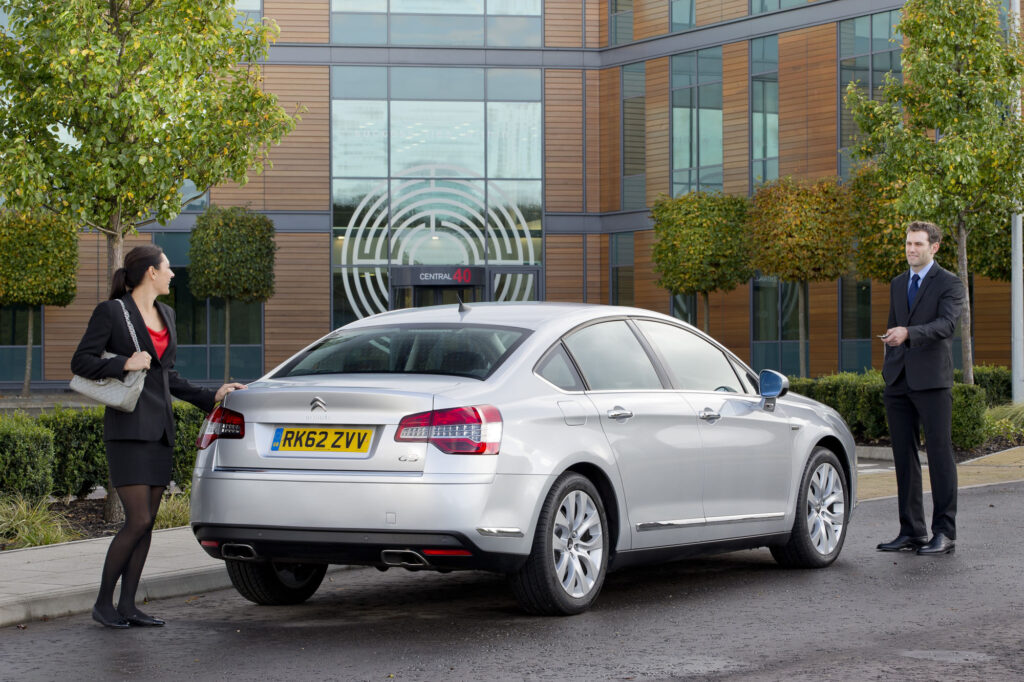
Premature brake wear, sticking brake callipers and a parking brake that will not release due to a seized mechanism can lead to a longer stopping distance and unsafe situations in the Citroën C5. These problems occur regularly across several model years. They need specific attention during maintenance and when buying the car. In this article you can read which symptoms appear, what the causes are and how to recognise the issues. You will also read how to tackle the problems.
Why does the parking brake on the Citroën C5 squeal?
A squealing parking brake on the Citroën C5 usually points straight away to wear or a mechanical fault. On many versions the Citroën C5 uses an electric parking brake instead of a traditional handbrake. This system works with a motor that drives the rear brake callipers. A worn motor or a contaminated mechanism causes squealing or clicking noises.
Possible causes of a squealing parking brake are:
- Corrosion or dirt in the mechanism due to moisture and road salt
- Worn cables or seized sliders
- Defective actuator or parking brake motor
- Lack of lubrication in the mechanical components
The noise usually occurs when you activate or deactivate the parking brake. In some cases the parking brake does not hold properly or will not release. The car is then stuck when you start it. This leads to a situation in which the car will not roll away or in which a warning appears on the dashboard.
Brake calliper failure on the Citroën C5: recognisable symptoms
A defective brake calliper causes various symptoms while driving. The calliper makes sure the brake pads are pressed against the brake disc. A sticking or poorly functioning calliper causes immediately noticeable problems.
The most common symptoms of a failed brake calliper are:
- Car pulls to one side when braking
- Overheated wheel rim or brake disc on one side
- Burning smell after driving
- Increased fuel consumption due to constant friction
- Uneven wear of brake pads or tyres
- Car feels as if the handbrake is still on
On older examples of the Citroën C5 it is common for guide pins or brake callipers to seize due to lack of maintenance. The weight and comfortable driving characteristics mean this problem sometimes only becomes noticeable at a late stage. If you notice any of these symptoms, have the brakes checked straight away. A seized calliper leads to overheating of the brake disc and in the worst case to brake failure.
Safety risk caused by defective brake callipers
A failed brake calliper brings immediate safety risks. The brake on one side does not function properly, which creates uneven braking power. This results in a longer stopping distance and less control over the car, especially in emergency situations. In addition, a seized calliper causes serious damage to the brake disc, which drives up repair costs.
Preventing premature brake wear on the Citroën C5
The weight of the Citroën C5 and an automatic transmission cause faster wear of brake pads and discs than on lighter cars. Urban and motorway driving accelerate the wear even further. Good maintenance and conscious braking extend the service life of your braking system.
Tips to prevent premature brake wear:
- Have the brake fluid replaced at least every two years
- Check brake pads and discs during routine maintenance
- Clean and lubricate brake callipers and guide pins regularly
- Use the parking brake regularly to prevent it from seizing
- Avoid aggressive braking and brake in good time
Many owners underestimate brake fluid as a maintenance item. Old brake fluid absorbs moisture, which leads to corrosion in the braking system and reduced braking performance. A Citroën C5 that is a bit older benefits from a proper maintenance history. That history makes reliable brakes possible. Without maintenance records there is a risk of expensive repairs.
Why do brakes wear faster with an automatic transmission?
With an automatic transmission the braking effect of the engine is largely absent, unlike in a manual car. As a result the entire braking force rests on the braking system, which leads to higher wear. An automatic also often brakes more gently and later. Drivers therefore tend to brake harder and drive less anticipatively.
Safety risks caused by brake problems on the Citroën C5
Brake problems on the Citroën C5 pose a direct safety risk. Worn brake pads or old brake fluid result in a longer stopping distance. That increased stopping distance leads to a collision instead of a safe stop in critical situations. A defective parking brake creates dangerous situations on a slope or when parking.
The main safety risks are:
- Longer stopping distance due to worn brake pads or degraded brake fluid
- Uneven braking power due to defective brake callipers
- Parking brake that does not hold on slopes
- Unexpected seizing of the parking brake while driving
- Failure of the electric parking brake system due to a weak battery
A weak battery causes a series of electronic faults in the Citroën C5, including problems with the electric parking brake. If the battery does not supply enough voltage, the parking brake will suddenly display error messages or will no longer release. This problem occurs more often than owners expect and is relatively easy to prevent by replacing the battery in good time.
Checkpoints when buying a used Citroën C5
When buying a used Citroën C5 you should thoroughly check the brakes and parking brake. Many problems can be recognised during a test drive. If you spot them in time, you avoid expensive surprises.
During a test drive, check the following:
- Does the car brake in a straight line without pulling to one side?
- Do you feel vibrations in the brake pedal or steering wheel while braking?
- Do you hear grinding or metallic noises when braking?
- Does the brake pedal respond immediately and predictably?
- Is there a warning light illuminated on the dashboard?
- Does the parking brake engage without delay or error message?
- Does the car remain firmly in place on a slope?
Also always ask about the maintenance history. A Citroën C5 with full service documentation is often more reliable than an example where maintenance has been postponed. Pay particular attention to when the brake pads, discs and brake fluid were last replaced. If you are unsure, have a garage read out the fault codes. That way hidden faults come to light.
Practical maintenance tips for reliable brakes
Regular maintenance prevents many brake problems on the Citroën C5. The electric parking brake and the weight of the car require extra attention during servicing.
Follow these maintenance tips for optimum braking performance:
- Replace the brake fluid every two years, regardless of mileage
- Clean and lightly lubricate brake callipers and guide pins at least annually
- Check brake pads and discs during the MOT or major service
- Keep the battery in good condition and replace it in good time
- Use the parking brake regularly to prevent it from seizing
- Do not ignore fault messages, even if they disappear temporarily
In damp or wintry conditions the parking brake and brake components are extra sensitive to rust. They also tend to stick more easily. Use the car regularly and do not leave it standing still for too long. If you do park the car for a longer period, do not apply the parking brake. Leave the car in gear. The mechanism will then not be stuck the next time you use it.
Discover more about the Citroën C5 on Carnews
Brake problems on the Citroën C5 demand attention. With the right knowledge and maintenance you can manage them well. A well-maintained C5 drives comfortably and reliably, but the brake and parking brake systems deserve extra checks when buying and during use. On Carnews you will find much more information about car problems. You will also find maintenance tips and practical advice. Discover more articles and expand your knowledge about your car.
Frequently asked questions
You identify common brake problems on a Citroën C5 by watching out for fault messages such as “parking brake faulty”, a parking brake that does not release properly or remains stuck, and unusual squealing or clicking noises when operating the electric parking brake. During a test drive, check whether the car brakes in a straight line, whether there are vibrations in the steering wheel or pedal, and whether you hear grinding or metallic noises, which can point to worn discs, pads or sticking callipers. Overheating wheels, a burning smell or uneven wear pattern of brake pads/wheels often indicate seized brake callipers or guides. Finally, check the service history (brake fluid, calliper maintenance, battery condition) because aged brake fluid and battery problems can trigger electronic brake faults.
The most common causes are a defective actuator/motor of the parking brake, worn or sticking cables and brake callipers, and electrical faults in the module, wiring or due to a weakened battery (voltage drop). You can roughly diagnose this yourself by watching for fault messages (“parking brake faulty”), the brake not releasing or engaging properly, abnormal squealing or clicking noises and the behaviour on a slope. Test the parking brake several times (on/off), with the car cold and warm, and listen to whether the motor sounds normal and whether the car remains firmly in place. If in doubt or if messages persist, reading out fault codes with diagnostic equipment is essential.
It is never really ‘safe’ to keep driving with noticeable brake problems: any deterioration in braking force, longer stopping distance, strange noises or pulling to one side when braking always means you should have it checked as soon as possible. You must stop immediately and call a garage (or roadside assistance) if a red brake warning light is on, the pedal sinks to the floor, the car pulls strongly to one side or there is a sharp burning or metallic smell/smoke at the wheels. Problems with only the electric parking brake (fault message but normal brake pedal and braking power while driving) are usually less acute, but must still be checked as soon as possible to prevent seizing or rolling away. If you are unsure about how serious it is, do not drive any further and have the C5 inspected; when it comes to brakes, caution always comes first.
Have the brake fluid changed in good time and have brake callipers, guides and cables periodically cleaned and lightly lubricated to prevent seizing. Keep the battery in good condition, because voltage drops can cause faults in the electric parking brake. Use the parking brake regularly, even with an automatic, so that the mechanism keeps moving and does not rust up. Do not ignore fault or warning messages from the brake or parking brake system, but have them read out and remedied immediately.
Yes, there are a few useful upgrades and points of attention. It helps, when replacing parts, to choose higher quality brake discs and pads (A-brand, preferably with coated discs) and to have the brake callipers, including guide pins, preventively cleaned and lubricated with the correct grease to avoid seizing. For the electric parking brake, a strong, healthy battery, well-protected wiring and regular use (not relying solely on the P position of the automatic gearbox) improve reliability. In addition, timely renewal of brake fluid and regular checks for rust and dirt on the rear brakes are essential for consistently good performance.