
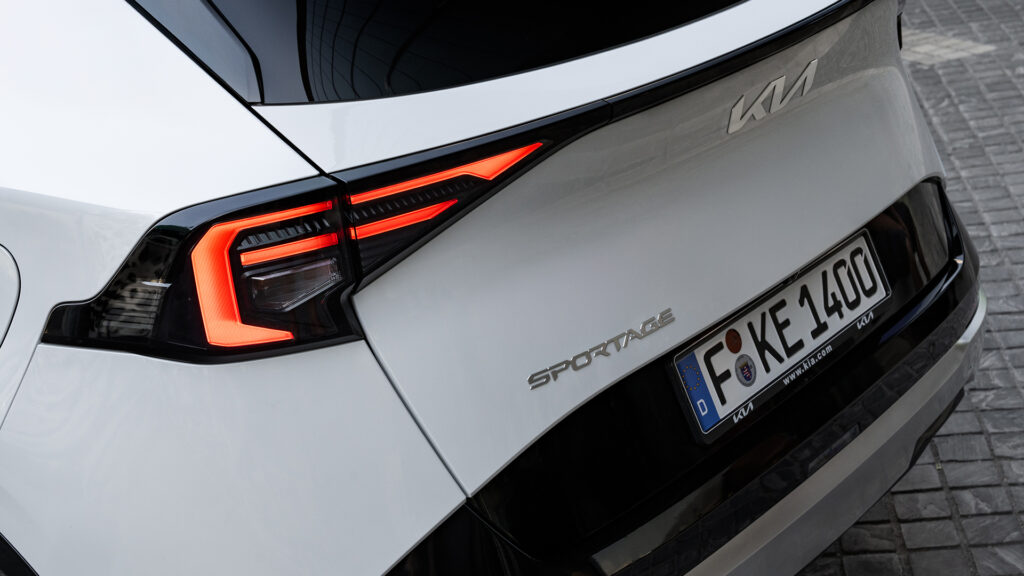
The Kia Sportage suffers from a striking number of brake problems, ranging from premature brake pad wear to sticking brake callipers and squeaking brake noises. The third generation in particular stands out negatively with brake pads that sometimes need to be replaced after only 10,000 kilometres. These problems regularly show up during MOT tests and through reports from owners. Do you want to know how to recognise these issues and what you can do about them?
Squeaking brakes Kia Sportage: normal or faulty?
You hear squeaking brakes on the Kia Sportage more often than you might expect. This noise is usually caused by wear indicators that make contact with the brake disc. When brake pads reach their minimum thickness, a metal tab starts squeaking to warn you.
In addition, squeaking can point to a lack of brake fluid or glazing on the brake pads. Glazing occurs when the brakes overheat and creates a hard, shiny surface. That surface brakes less effectively. It produces noise. This is mainly seen with aggressive braking or a lot of mountain driving.
If you hear a grinding or scraping sound, the problem is more serious. This indicates completely worn brake pads with metal scraping on metal. In that case the brake discs also become damaged. Take the car to a garage immediately.
Premature wear of brake pads
One of the most commonly reported issues with the Kia Sportage is the rapid wear of brake pads. Whereas with many SUVs you can expect 30,000 to 50,000 kilometres, some Sportage owners see their brake pads worn out after just 10,000 kilometres. This problem occurs mainly with the third generation from 2010 to 2016.
The cause probably lies in a combination of design choices and brake clips. The brake clips do not function optimally. Some owners have to replace their brake pads several times a year. This leads to high maintenance costs.
The fourth generation from 2016 onwards shows less extreme wear. Owners here also report that the brake pads wear faster than on comparable SUVs. If you drive a lot in city traffic or mountainous areas, this will accelerate wear even more.
Factors that worsen wear
Various conditions speed up the wear of your brakes:
- Frequent city driving with lots of stops and starts
- Mountain routes where you often have to brake downhill
- Aggressive driving style with hard braking
- Damp winters where salt and moisture attack the brake components
- Poor maintenance and postponed replacements
Recognising and repairing a sticking brake calliper on a Kia Sportage
Sticking brake callipers are also a regular occurrence on the Sportage. A brake calliper contains pistons that press the brake pads against the disc. Corrosion or damaged pistons cause callipers to seize. This creates dangerous situations.
You can recognise a sticking brake calliper by several signs. The car pulls to one side while braking. One side brakes harder than the other. The brake pedal can also feel heavy or sink further down than normal. Sometimes you even smell a burning odour by the wheels after braking. A sticking calliper causes constant friction.
A sticking brake calliper leads to uneven wear. The brake pads on the affected side wear much faster or not at all, while the brake disc is damaged due to overheating. Replace the brake calliper.
When should you go to the garage?
With certain symptoms you should drive straight to a garage. Stop driving and visit a garage when you notice the following:
- The brake pedal feels soft or sinks all the way to the floor
- The car pulls noticeably to one side while braking
- You smell a burning odour at the wheels
- The braking distance increases noticeably
- There is brake fluid under the car
Common brake problems Kia Sportage 2016–2022
The fourth generation Sportage has less extreme brake problems than its predecessor. These models were produced between 2016 and 2022. Certain issues do still remain. Owners still report faster wear than expected, although not as extreme as on the 2010–2016 models.
Leaks in the braking system also occur with this generation. These are faults where brake fluid escapes through ageing pipes or damaged pistons. Brake fluid leakage is caused by ageing brake lines or damaged pistons in the brake callipers. This leads to a soft brake pedal and a longer braking distance.
Owners of these models also regularly report squeaking and scraping noises. These issues often turn out to be linked to the quality of the replacement parts used. Cheap, lower-quality brake pads make the problem worse.
‘ Your driving style affects the lifespan of your brakes. ’
Maintenance and prevention for your braking system
Have your brakes checked at least twice a year. Have your brake pads inspected at least twice a year, especially if you drive a lot of kilometres. A visual check shows whether the pads are getting thin before they are completely worn out.
Also check your brake fluid regularly. This fluid absorbs moisture, which lowers its boiling point and worsens braking performance. Replace the brake fluid every two years in line with the manufacturer’s recommendations. Also regularly check the fluid level in the reservoir under the bonnet.
Your driving style affects the lifespan of your brakes. Anticipate traffic situations so that you need to brake less hard. In mountainous areas, use engine braking to reduce speed instead of constantly riding the brakes. This prevents overheating and significantly extends service life.
Choose quality parts
Choose original or high-quality parts. That extends service life and improves braking performance. Original Kia parts or brands with a recognised quality label offer better quality than cheap alternatives. Inferior brake pads wear out faster, make more noise and brake less effectively.
Have replacements carried out by an approved workshop with experience of Kia models. A mechanic who is familiar with the specific problems of the Sportage can better assess whether only the brake pads need replacing or whether the brake callipers also require attention.
Points to watch when buying a used Sportage
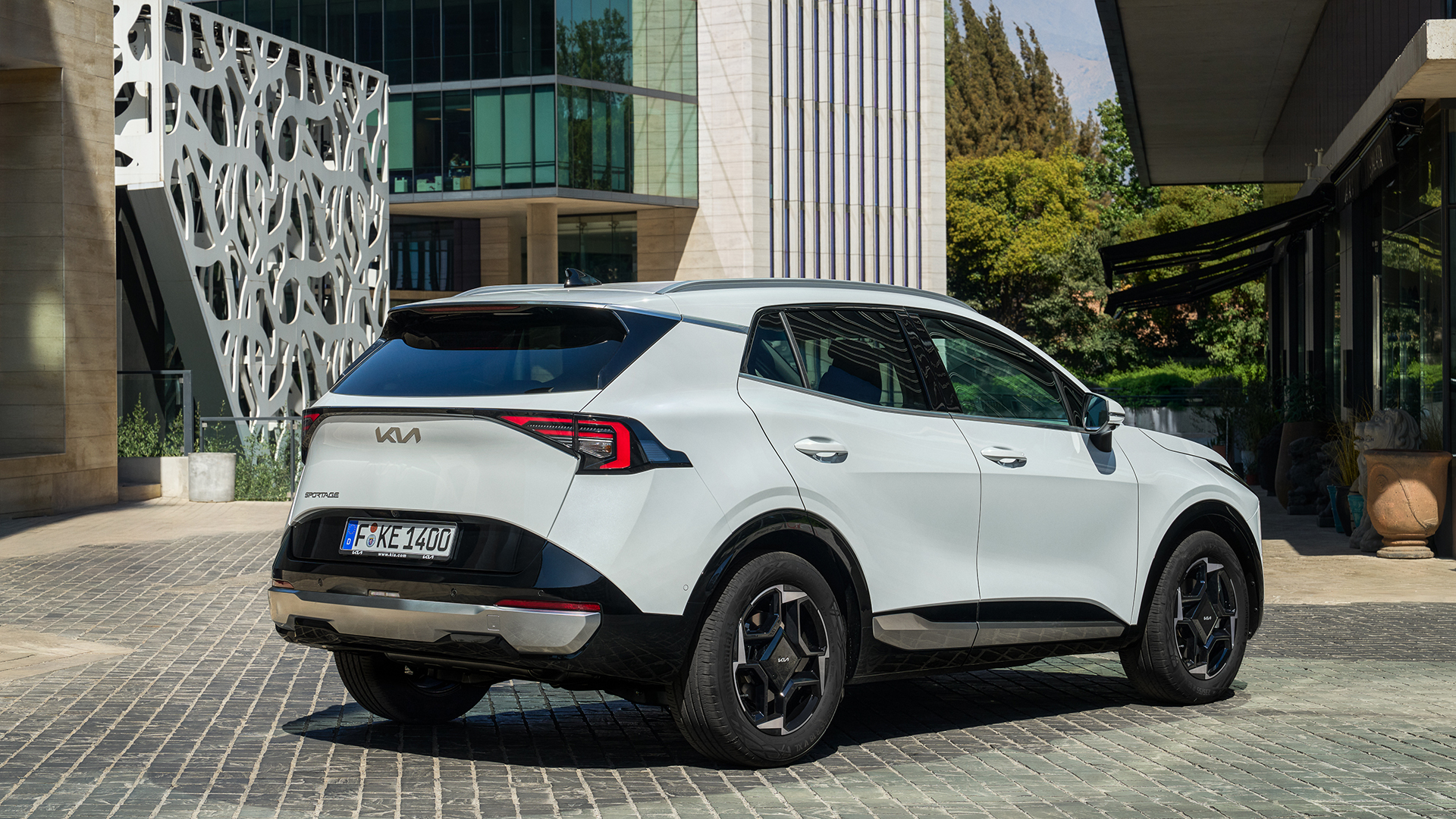
Are you buying a used Kia Sportage? Then pay extra attention to the braking system. Request the service history and check when the brakes were last replaced. Frequent replacements may indicate underlying problems.
Take a test drive and brake firmly to test performance. Listen for noises, check whether the car continues straight and how the brake pedal feels. A soft pedal or a car that pulls to one side is cause for concern.
If you are seriously interested, have an independent inspection carried out with specific focus on the braking system. The inspector will check the thickness of the brake pads, the condition of the brake discs and whether the brake callipers function correctly. For 2010–2016 models this check is especially important given the known issues.
Schedule your next brake check
Never ignore warning signs. A faulty braking system endangers your safety and that of other road users. If you have any doubts about noises, pedal feel or braking performance, have the car checked immediately by a skilled mechanic.
Schedule your next brake check in advance. Note when your brake pads were last inspected and make an appointment straight away if that was more than six months ago. This is especially important for Sportage models from 2010–2016, as it helps prevent expensive repairs.
Would you like to know more about maintaining your Kia? Then read our article on common engine problems with the Kia Sportage or take a look at the complete maintenance schedule for your Kia.
Frequently asked questions
The most common brake problems with the Kia Sportage are premature wear of the brake pads, squeaking or scraping brake noises and poorly functioning brake callipers. Squeaking brakes often indicate (almost) worn pads or slight contamination, while a scraping or grinding sound usually means that the pads are worn down and the disc is being damaged. A soft or spongy brake pedal, a longer braking distance or the car pulling to one side when braking often points to sticking or defective brake callipers or problems in the hydraulics. These symptoms should be seen as clear warning signs that immediate inspection and possible replacement of brake components is required.
The main causes of common brake problems with this model are premature wear of brake pads, defective or sticking brake callipers, possible design or production quality issues and insufficient or incorrect maintenance (such as brake fluid that is not changed in time). Heavy operating conditions, such as a lot of city or mountain driving and an aggressive driving style, also speed up wear. The possible consequences are a longer braking distance, irregular or pulling braking behaviour and, in extreme cases, (partial) brake failure. This has a direct negative impact on safety and can impair driving performance because confidence in the vehicle and control during emergency stops are reduced.
Common solutions include timely replacement of brake pads and discs, cleaning or overhauling sticking brake callipers and periodically changing the brake fluid in accordance with the manufacturer’s instructions. Doing it yourself is mainly responsible for simple jobs such as replacing brake pads or visually checking/cleaning brake components, provided you have the right knowledge, tools and a suitable workspace. It is advisable to call in a specialist if you experience issues such as a soft or sinking brake pedal, uneven braking, scraping or grinding noises, leaking brake fluid or if you are unsure about the cause. Especially with the Sportage 3, where brake problems occur relatively more often, a professional inspection is recommended if there is more going on than normal wear.
Regular maintenance is crucial: have the brake pads, discs and brake fluid checked at least twice a year and replace the brake fluid every two years in line with the manufacturer’s specifications. When replacing, choose original or high-quality brake components and avoid cheap counterfeits, as they wear out faster and can damage the system. Adjust your driving style by avoiding aggressive braking, anticipating traffic more in urban driving and using engine braking as much as possible in mountainous areas so that the brakes can cool down. Finally, regularly check for outstanding recalls and always have them carried out to remedy known manufacturing problems with the braking system.
Yes, there are performance-oriented and sometimes also more durable upgrades available, such as brake discs with better heat dissipation (grooved/drilled), brake pads with different friction materials and sometimes larger brake kits. Advantages include a shorter braking distance, less fading during intensive use (for example downhill or when towing a caravan) and possibly longer service life with the right combination of components. Disadvantages and considerations include a generally higher price, more brake dust or noise, potentially less comfort when braking with cold brakes and the risk of warranty or insurance discussions when using non-original, non-homologated parts. Always have such modifications tailored to your driving profile by a specialist, so that the balance between front and rear axle and overall safety are maintained.