
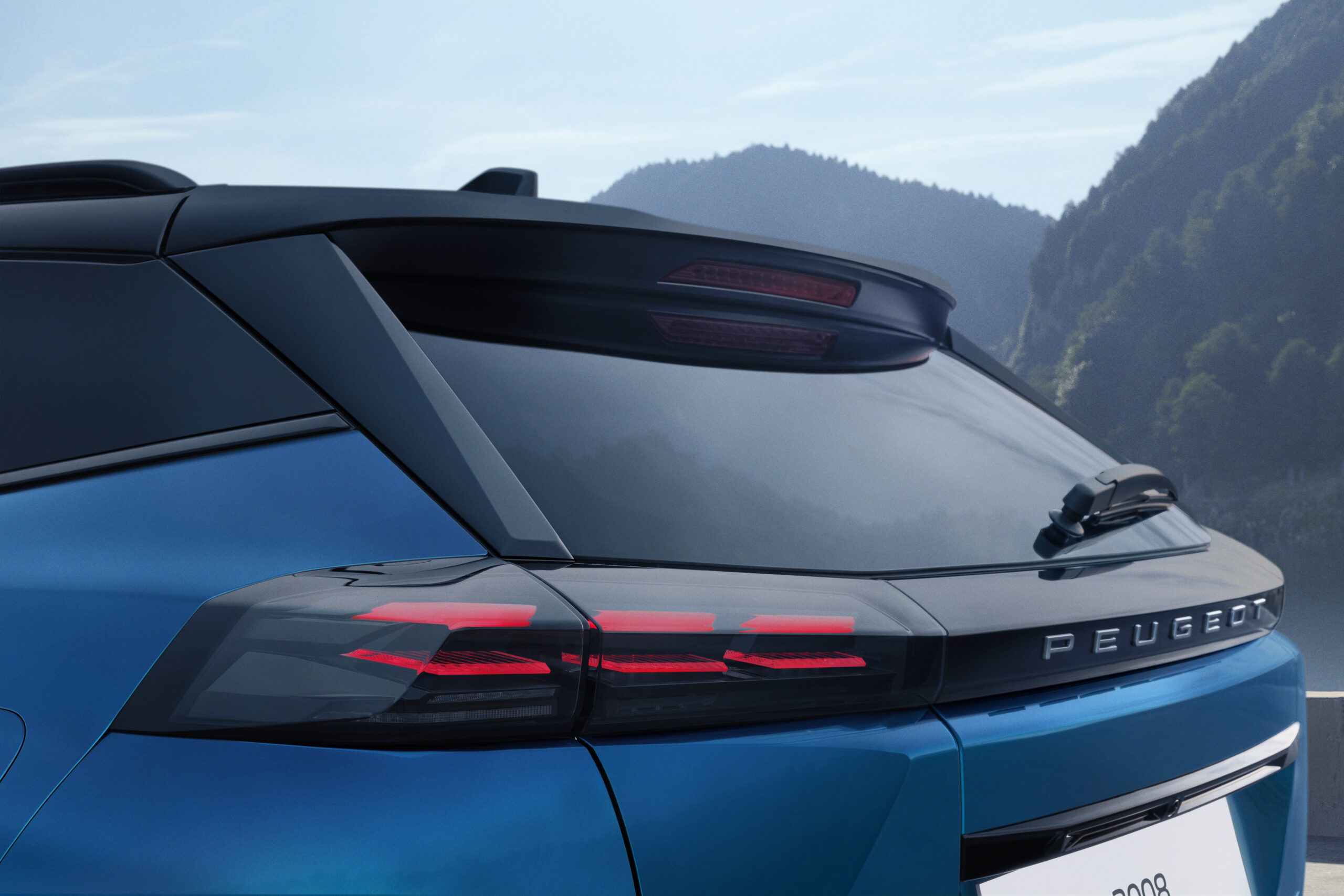
Premature wear of brake discs on the Peugeot 2008 leads to longer braking distances and real safety risks, especially from the fifth year of use onwards. This problem mainly affects models with the 1.2 PureTech engine, where brake pads and discs need to be replaced after just 30,000 to 50,000 kilometres. A combination of city driving, frequent start-stop actions and aggressive braking significantly accelerates wear. Read on to discover how to recognise these problems in time and what steps you can take to keep yourself safe.
Which brake system defects occur on the Peugeot 2008
The Peugeot 2008 suffers from several specific brake problems. These affect performance and safety. Brake pads wear faster than on comparable models, often due to intensive use in city traffic with lots of stop-and-go situations. Brake discs warp or develop uneven surfaces, which directly results in reduced braking power.
The electronic parking brake is another problem area. From 60,000 kilometres, faults occur regularly, where actuators or control units fail. This means that the brake does not engage or does not release when needed. Integration with the start-stop system makes the problem worse, especially on short journeys where weak batteries or faulty sensors on the brake pedal disrupt the system. The start-stop system is the system that automatically switches the engine off and on again when stationary.
Brake fluid deserves extra attention. Old or leaking fluid causes reduced braking performance or even complete failure of the braking system. The dashboard warning light gives an alert when fluid levels drop, but regular checks prevent more serious problems.
How do I recognise worn brake discs on a Peugeot 2008
Worn brake discs give off clear signals that you must not ignore. The most noticeable warning is a longer braking distance. You notice that you have to start braking earlier to come to a stop in time. The brake pedal feels softer and responds less directly than before.
Vibrations in the brake pedal indicate warped discs. When braking you feel pulsations. These can be felt through to the steering wheel. The vibrations are caused by uneven surfaces on the discs, which prevent the brake pads from making even contact. Squeaking or scraping noises while braking are another clear symptom of wear.
Error messages appear on the dashboard when the electronic braking system detects problems. The electronic parking brake does not respond or remains stuck on after stopping. Unusual noises when activating or deactivating the parking brake indicate mechanical problems in the system.
Symptoms that require immediate action
- Brake pedal goes further towards the floor than normal
- Noticeable vibrations or pulsations when braking
- Squeaking, scraping or grinding noises
- Dashboard warning lights for the braking system
- Electronic parking brake that does not respond or gets stuck
- Noticeably longer braking distance in emergency situations
Are brake problems common on used Peugeot 2008 models
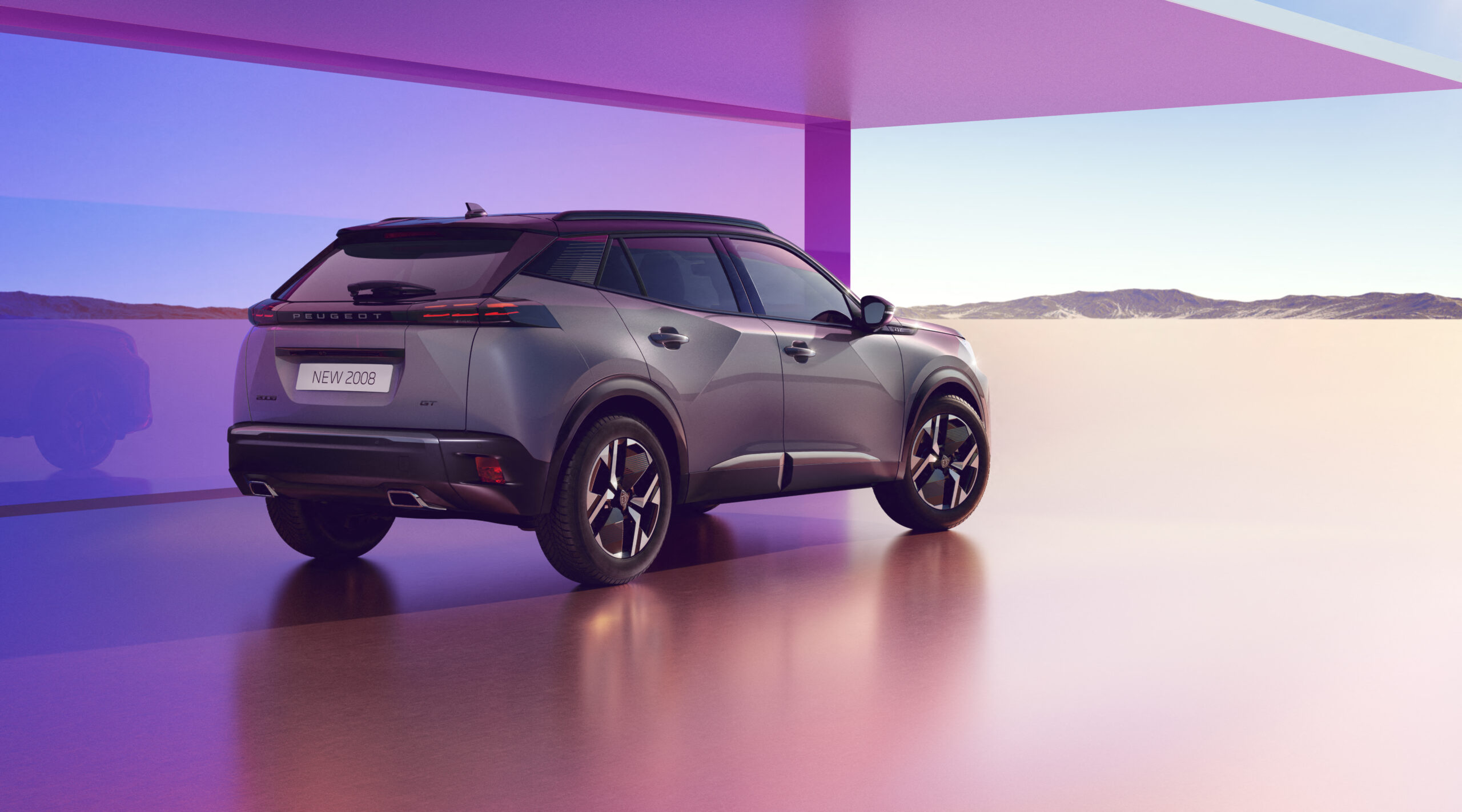
Used examples of the Peugeot 2008 show brake problems strikingly often. Owners report faster wear on the 1.2 PureTech engines, where brake discs have to be replaced after just 30,000 to 50,000 kilometres. This is very common with daily use in urban environments.
The electronic parking brake regularly fails in cold conditions or after a battery replacement. This problem mainly occurs on models from 2022 onwards that have reached 60,000 kilometres. Forum posts and owner experiences confirm that these are not isolated cases, but a structural problem.
The start-stop system contributes to accelerated wear. Frequent starts and stops place more strain on the braking system than traditional driving. Weak batteries in combination with sensors on the brake pedal lead to faults that affect the entire braking system. These problems arise especially on short journeys, where the battery does not fully charge.
What to do in case of brake failure in a Peugeot 2008
In the event of brake failure, every second counts. First of all, try pressing the brake pedal several times quickly in succession. This pumping can build up pressure in the hydraulic system and temporarily restore braking power. Shift to a lower gear to use engine braking to slow down.
Use the handbrake gradually and carefully. Pull it on slowly to prevent the wheels from locking and you losing control. In situations with an electronic parking brake, the system may still respond even if the brake pedal fails. Test this carefully while using engine braking.
Steer immediately towards the side of the road and bring the car to a stop in a safe location. Switch on the hazard warning lights and place a warning triangle. Do not drive the car again until a mechanic has inspected and repaired the braking system. If you have any doubts about safety, have the car towed instead of continuing to drive yourself.
Maintenance prevents brake problems on Peugeot 2008
Regular checks of the braking system extend its service life and safeguard safety. Have the brake pads checked every 10,000 kilometres. Replace them when their thickness is less than 2 millimetres. Check the brake discs for unevenness, cracks or warping every time you replace pads.
Brake fluid has a limited service life. Replace it every 2 years or every 40,000 to 60,000 kilometres to prevent hydraulic failure. Old fluid absorbs moisture, which lowers its boiling point and reduces braking power. A simple fluid check at the garage costs little but prevents a lot.
Your driving style has a direct impact on wear. Avoid hard braking and aggressive driving. Anticipate traffic situations so that you can slow down gradually rather than abruptly. This not only saves your brakes, but also fuel and increases driving comfort.
Inspection schedule for optimal maintenance
- Check brake pads every 10,000 kilometres
- Inspect brake discs every time pads are replaced
- Change brake fluid every 2 years or 40,000 kilometres
- Have the electronic parking brake tested at 60,000 kilometres
- Use an OBD scanner to check for fault codes when problems occur
- Carry out software updates for transmission-related brake issues

Diagnosis and repair of brake problems
Professional diagnosis starts with an OBD scanner that reads out fault codes. An OBD scanner is a device that reads fault codes from the engine management system. These codes show problems with the electronic parking brake, sensors or the ABS system. Software updates sometimes solve faults related to the transmission or the start-stop system.
In the event of vibrations and longer braking distances, you should go to a garage immediately. Neglect leads to dangerous situations. In that case, complete brake discs must be replaced instead of just brake pads. Always fit pads and discs at the same time to prevent uneven wear.
Choose quality parts for replacement. Cheap alternatives wear out faster and can compromise safety. Many owners solve problems through dealer updates or affordable aftermarket kits that are specifically designed for the Peugeot 2008. Test sensors and clean them after a battery replacement to prevent faults with the electronic parking brake.
Costs and service life of brake components
Brake pads for the Peugeot 2008 cost between 50 and 120 euros per set, depending on quality and brand. Brake discs range between 80 and 200 euros per pair. For a complete set of front and rear brakes, you should allow for 300 to 600 euros in parts, excluding labour.
Service life varies greatly depending on driving style and conditions. With normal use, brake pads last between 40,000 and 80,000 kilometres. Brake discs often last 80,000 to 120,000 kilometres, but on the Peugeot 2008 this average is lower due to premature wear. City use regularly halves these figures.
Repairs to the electronic parking brake are more expensive. A faulty actuator costs 200 to 400 euros. A new control unit can run up to 600 euros. Labour is on top of that. This usually means 1 to 2 hours of work at 80 to 120 euros per hour. Preventive maintenance saves these costs and significantly increases safety.
On the Carnews website you will find much more information about specific car problems, maintenance tips and owner experiences. Discover what other challenges the Peugeot 2008 presents and how you can tackle them. Explore the site for practical guidance to help you keep your car in top condition.
Frequently asked questions
Which specific “symptoms” point to common “brake system defects” on a Peugeot 2008 and how can I recognise them?
Common symptoms include a longer braking distance and a soft or spongy brake pedal, which indicates wear of the brake pads/discs or problems with the brake fluid. Vibrations in the brake pedal and squeaking, grinding or scraping noises when braking often point to warped or worn brake discs. A non-responsive or sticking electronic parking brake, sometimes with a warning on the dashboard, points to faulty actuators or sensors in the EPB. Unusual noises or the feeling that the car “sticks” after standing still can also indicate sticking brakes.
What are the most common “causes” of brake system problems on the Peugeot 2008 and how can I proactively “prevent” them?
The most common causes are premature wear or warping of brake discs and pads, aged or leaking brake fluid, and faults in the electronic parking brake (EPB), often at higher mileages. You can proactively prevent this by having the brake pads and discs checked every 10,000 km and having the brake fluid changed every 2 years (or 40,000–60,000 km). Drive defensively and avoid hard and prolonged braking to limit wear and heat build-up. If you notice vibrations, squeaking or dashboard warnings, have a diagnosis carried out immediately and ensure timely software updates and a healthy battery condition for the EPB.
Which “brake system checks” can I carry out myself on my Peugeot 2008, and when is it crucial to call in a “professional” for “safety”?
You can regularly check the brake fluid level in the reservoir yourself, listen for squeaking or grinding noises when braking and visually assess (through the wheels or with the wheel removed) the thickness of the brake pads and the condition of the discs. Also pay attention to changes in pedal feel (spongy, having to press further) and longer braking distances. It is crucial to call in a professional immediately if there are vibrations in the brake pedal, obvious wear or grooves in the discs, warning messages about the (electronic) parking brake or braking system, or leaking brake fluid. If you are unsure about the thickness of the brake pads or whether you need a brake fluid change, this should also be left to a professional for maximum safety.
How do “brake system defects” affect the “driving performance” and overall “safety” of a Peugeot 2008, especially under “intensive use”?
Brake system defects on a Peugeot 2008, such as premature wear of pads and discs or problems with the electronic parking brake, lead to reduced braking power and longer stopping distances. This has a direct negative impact on driving performance, because you can brake less precisely and decelerate less reliably, especially at higher speeds. Under intensive use (lots of braking, daily city traffic or mountainous terrain) these defects worsen more quickly, with more vibrations, fading and risk of overheating. As a result, overall safety decreases considerably, with a higher risk of emergency situations in which the car does not come to a stop in time.
What are the average “costs” for “diagnosis” and “repair” of common brake system defects on a Peugeot 2008 and which “repair options” are there?
The average costs for diagnosis of brake system defects on a Peugeot 2008 are usually around €50–€100, depending on whether there is only a visual inspection or also an OBD read-out and test drive. For common repairs such as replacement of brake pads and discs you generally pay between €250–€500 per axle, while resolving electronic parking brake problems (actuator/sensors) can run to around €300–€800. Cheaper options include repair with aftermarket parts or refurbishment of components (such as the EPB actuator), while more expensive but often more reliable options are original Peugeot parts and dealer repairs. In addition, you can opt for preventive maintenance (replacing pads/fluid in time, software updates) to limit later, more expensive repairs.