
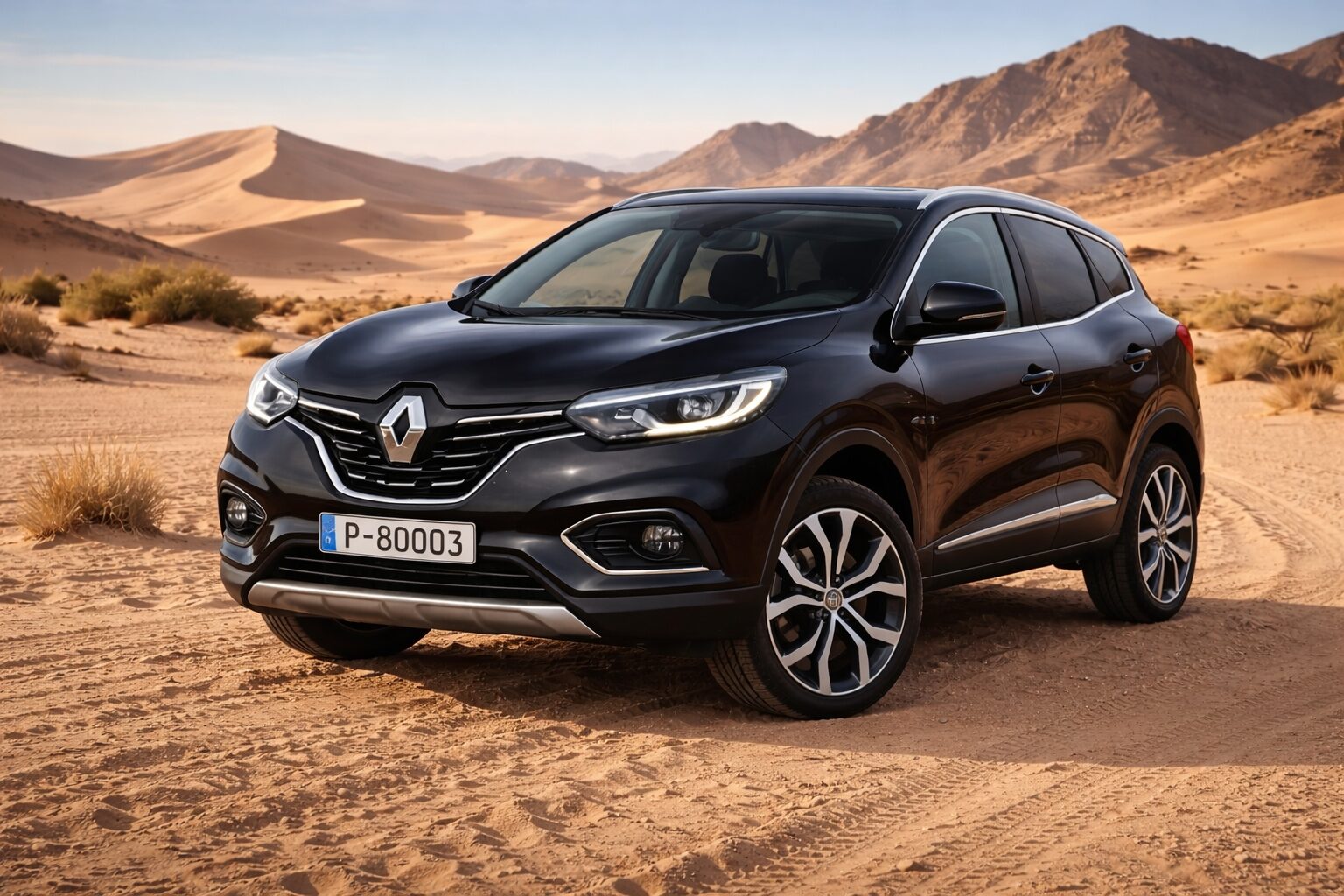
The Renault Kadjar suffers from accelerated brake wear and rust forming on the brake discs, even for owners with a calm driving style. This problem affects many models and can significantly reduce braking power. Regular inspection of the braking system is therefore not a luxury, but a necessity for safe driving. What causes this wear, and how can you avoid expensive repairs?
Why the brakes wear faster than expected
Owners of the Renault Kadjar report strikingly often that brake pads and brake discs wear out faster than on comparable models. This happens not only with an aggressive driving style, but also with economical braking behaviour. The braking system works with brake discs and brake pads which, through friction between them, slow the vehicle down. This friction causes natural wear, but in the Kadjar this process is faster than average.
The accelerated wear can have several causes. Higher friction due to a less-than-optimal tuning of the brake components plays a role. A heavily loaded vehicle also increases the strain on the braking system. In some cases, technical problems within the braking system itself point to a cause that goes beyond normal use.
The Kadjar is fitted with disc brakes with two wear indicators per axle. These sensors give a warning on the dashboard as soon as the brake pads are worn. This double warning system helps you intervene in time, but does not solve the underlying cause of the accelerated wear.
‘ This creates a vicious circle where the brakes become less effective and, precisely because of that, are used less. ’
Rust forming on brake discs with visible grooves
In addition to wear, rust forming on the brake discs is a very common problem. Many Kadjar owners see rust appear on the brake discs with their own eyes, sometimes after just a few weeks of standing still or in damp weather conditions. The rust develops mainly when the vehicle stands still for long periods or is regularly parked in a damp environment.
The combination of rust and wear causes visible grooves in the brake discs. These grooves reduce the contact surface between brake pads and discs, which leads to reduced braking power. In more serious cases, rust can lead to uneven wear and vibrations while braking.
The problem is more pronounced for owners who drive gently and rarely brake hard. Because the brakes are used so little, the layer of rust on the brake discs remains instead of being worn off by braking actions. This creates a vicious circle where the brakes become less effective and, precisely because of that, are used less.
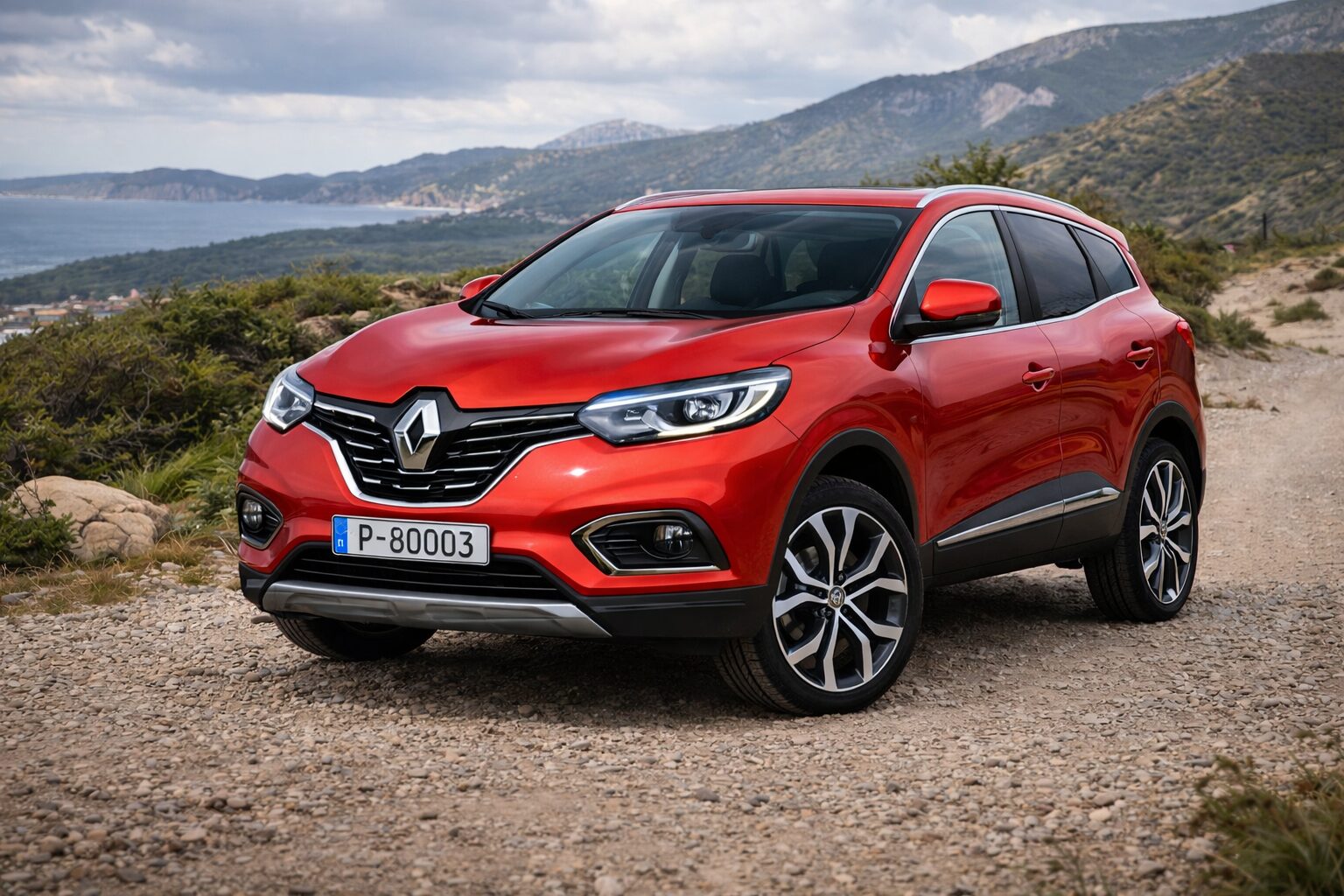
How to prevent brake rust on the Kadjar
Prevention starts with regular use of the braking system. By occasionally braking firmly on purpose in a safe location, you grind the layer of rust off the brake discs. This keeps the surface clean and dry. Note: this does not mean you should drive aggressively, but it does mean you should sometimes brake more firmly than strictly necessary.
Where you park makes a big difference. A dry garage protects the brake discs better than a damp outdoor space. When you park the vehicle for a long time, stay alert to possible rust formation and, after a standstill of more than two weeks, plan a drive with a few firm braking actions.
Protective coatings on brake discs can help, but are not suitable for every situation. Discuss this option with a mechanic after a thorough cleaning of the brake discs. Make sure that these coatings do not interfere with the braking performance itself.
How much does brake repair on the Kadjar cost
The costs of brake maintenance vary greatly depending on the situation. The garage will replace a wear indicator for an amount between 1 and 46 euros. The exact amount depends on the manufacturer and quality. This only concerns the part itself; labour costs are added on top.
Complete replacement of brake discs and brake pads quickly adds up to several hundred euros per axle. The exact price depends on the quality of the parts chosen and the garage’s labour costs. Some owners opt for more expensive brake discs with better corrosion resistance to limit future rust formation.
Early inspection prevents higher costs. If you detect rust or uneven wear in time, a thorough cleaning or partial replacement may sometimes be sufficient. If you wait too long, the damage to the brake discs can become so severe that only complete replacement remains.
‘ Old brake fluid absorbs moisture from the air, which promotes corrosion and reduces braking power. ’
Regular inspection as the basis for safety
Have the braking system checked at least once a year by a qualified mechanic. This inspection includes checking the brake pad thickness, the condition of the brake discs and the moisture content of the brake fluid. A mechanic recognises early rust formation and wear patterns before they lead to problems.
The brake fluid needs specific attention. Replace it every two years according to the manufacturer’s specifications. Old brake fluid absorbs moisture from the air, which promotes corrosion and reduces braking power. This simple maintenance job prevents more extensive damage to the braking system.
During the inspection, the mechanic can also check that the wear indicators are working correctly. These sensors can themselves also fail, meaning you will not receive a warning when the brake pads are worn. A functioning warning system provides an extra safety net for timely replacement.
Practical tips for limiting wear
Adjust your driving style to take the load off the brakes. Use engine braking on long descents instead of constantly pressing the brake pedal. This technique significantly reduces the strain on the mechanical brakes and extends their service life.
Overloading the vehicle increases the pressure on the braking system. Stick to the maximum load capacity and avoid unnecessarily heavy loads. A heavily laden Kadjar needs more braking power, which speeds up wear.
Watch out for the following signs that point to brake problems:
- Squealing or grinding noises while braking
- Vibrations in the brake pedal or steering wheel during braking
- Longer braking distance than normal
- Warning light on the dashboard
- Visible rust forming on the brake discs
If you notice any of these signs, book an inspection as soon as possible. Continuing to drive with faulty brakes puts you and other road users at risk.
Maintenance tips for a longer service life
Combine brake maintenance with routine services. This saves time and often money, because the mechanic can carry out several tasks in one visit. At every service, explicitly ask for the braking system to be checked, even if no warning light is on.
Keep documentation of all brake maintenance. This provides insight into wear patterns and helps with predicting future maintenance. Some problems occur periodically and are easier to recognise with a complete maintenance history.
If problems persist, consider getting a second opinion from another garage. Some mechanics have specific experience with the Kadjar and recognise model-specific problems more quickly. A specialised Renault dealer has access to technical bulletins in which the manufacturer’s solutions for known issues are described.
‘ On the Carnews website you will find extensive information on other common problems, maintenance tips and practical advice for your model. ’
More information about your Renault Kadjar
Brake wear and rust formation are not the only maintenance aspects you need to take into account as a Kadjar owner. On the Carnews website you will find extensive information on other common issues, maintenance tips and practical advice for your model. Discover more about the Kadjar and keep your vehicle in top condition.
Frequently asked questions
You can mainly recognise early wear or rust on your brakes by squealing or scraping noises when braking, and by a less direct or longer braking distance. Visually, you can look alongside the wheel rim or through the wheel: deep grooves, visible rust rings or a heavily affected (rough) brake disc are warning signs. Also pay attention to vibrations in the brake pedal or steering wheel while braking, which may indicate unevenly worn or damaged discs. If a brake warning light comes on on the dashboard, have the braking system checked immediately.
In the Renault Kadjar, brake wear and rust mainly occur due to normal friction from frequent and heavy braking, aggressive driving, driving with a heavy load and due to moisture or long periods of standing still, which cause the brake discs to corrode. Rust develops more quickly if the car is parked outside a lot, is driven little, or if the brakes are not used firmly, meaning rust is not “braked off”. You can prevent this by driving calmly and anticipating, not overloading the vehicle and using the brakes regularly in a firm but controlled way. Also have the braking system checked at least once a year and, if possible, park in a dry place to limit rust formation.
Rust on the brake discs of your Renault Kadjar can reduce braking power, especially during emergency stops or in wet weather, because the contact between pads and discs becomes less efficient. Severe or uneven rust can cause vibrations, squealing noises and a longer braking distance. In the long term, rust can lead to accelerated wear, cracks or thin spots in the discs, increasing the risk of brake failure. This is a direct safety risk, so timely inspection and, if necessary, replacement of affected brake components is essential.
Yes, there are possible upgrades, such as fitting higher quality brake discs and pads (for example coated or ventilated discs) that are more resistant to heat and rust. Anti-corrosion coatings or treatments can also be applied to brake discs and suspension components to limit corrosion. Regularly renewing brake fluid and fitting higher quality rubbers and seals around brake components also helps extend service life. Finally, an adjusted driving style (less hard braking, using engine braking) together with timely maintenance greatly reduces wear and extends service life.