
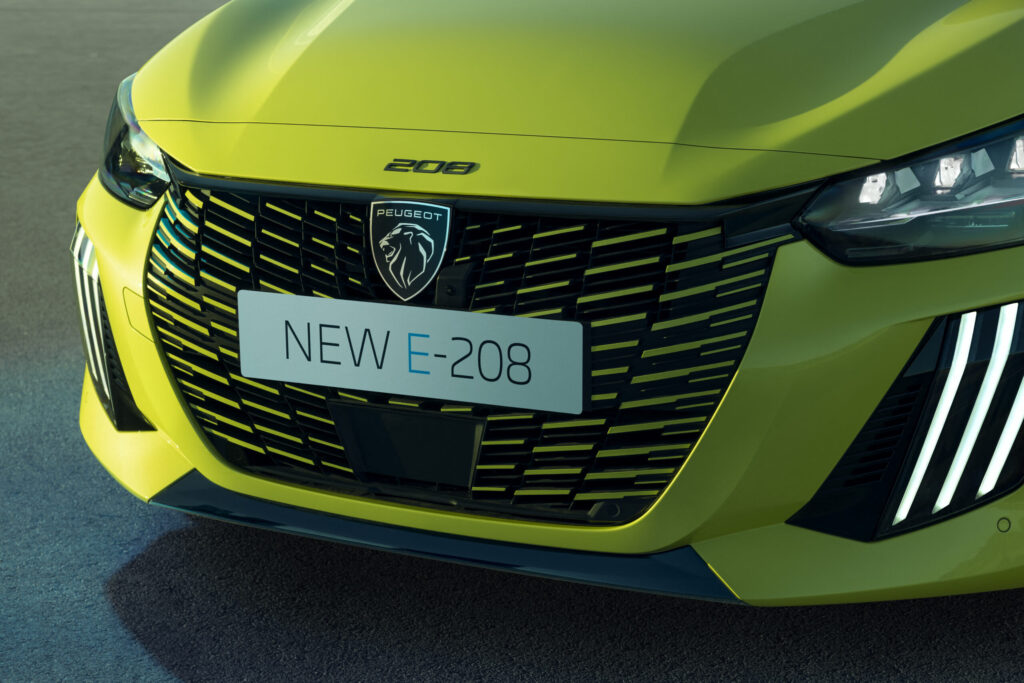
Braking in city traffic causes accelerated wear of discs and pads on the Peugeot 208, resulting in vibrations and longer stopping distances. For anyone considering a used one or already driving this compact city car, a thorough inspection of the braking system is essential rather than a luxury. Read on to know exactly what to expect and how to prevent problems.
How do brake pads and brake discs wear?
Every time you brake, the soft friction material of the brake pad is pressed against the harder brake disc. Each time, a small amount of material is worn away. Pads therefore wear faster than discs. When the lining becomes too thin, braking performance noticeably decreases and metal-on-metal contact occurs. This damages the brake discs further and often causes audible noises.
Brake discs wear due to a combination of heat, friction and corrosion. They can become thinner and also develop grooves. In addition, they can wear unevenly. On the Peugeot 208 this regularly leads to vibrations in the steering wheel or brake pedal, juddery braking, or a car that pulls to one side when braking.
Symptoms of worn brakes on the Peugeot 208
Premature wear of the braking system can be recognised by various symptoms. Typical warning signs are:
- Grinding or squealing noises when braking
- A longer stopping distance than normal
- Vibrations in the steering wheel or brake pedal
- The car pulls to one side when braking
- The brake warning light comes on
- Visible grooves, rust spots or thin discs
If the grinding or scraping is persistent, this usually indicates advanced wear. In that case not only the pads but also the discs have been damaged. This calls for immediate action to prevent further damage and dangerous situations.
How often should brake discs be replaced?
The lifespan of brake pads and discs depends heavily on your driving style. Lots of city driving, short trips, traffic jams and heavy braking significantly accelerate wear. Motorway driving, on the other hand, leads to less brake wear. With normal use, brake pads can last several years, but the Peugeot 208 is often used in urban traffic, which causes faster wear.
For a reliable check it is sensible to have the brake pads inspected regularly, preferably at every service. In case of visible wear or limited lining thickness, the pads should be replaced. Always check the discs when the pads are replaced, because visible grooves or uneven wear often make simultaneous replacement necessary.
When do you replace only pads and when also discs?
In some cases, replacing only the brake pads is sufficient. However, if the discs are too thin, grooved or unevenly worn, it is wiser to replace them at the same time. New pads that run in directly on a damaged surface wear faster and deliver less braking performance. On the Peugeot 208 it pays to have both axles thoroughly inspected, because wear at the front and rear does not always occur at the same rate.
A pronounced lip on the outer edge of the disc indicates wear and can be a sign that replacement is needed. Always have both sides of an axle assessed together and, in most cases, replaced together as well, to guarantee even braking behaviour.
Costs for new brakes on the Peugeot 208
The costs for brake discs and pads vary widely. This depends on several factors:
- The model year and specification of the Peugeot 208
- The front or rear axle
- The brand and quality of the parts
- Any sensors or warning systems
- The garage labour rate
In practice, the total costs for a set are considerably higher than for individual parts alone. This is especially true if you also have the brake discs and possibly brake fluid replaced.
For car enthusiasts it is wise not only to look at the lowest price, but also at durability, noise comfort and heat resistance. Cheap parts may cause more noise or wear more quickly, which in the long run leads to higher costs.
Practical tips for Peugeot 208 drivers
With a few simple measures you can limit brake wear and extend the lifespan of discs and pads. Brake gently and predictably, especially in city traffic, and keep sufficient distance to reduce the need for heavy braking. Have the brakes checked at every major service or whenever you notice suspicious noises.
Useful checkpoints are:
- Check the disc edge for a pronounced lip, which may indicate wear
- After fitting new parts, pay attention to bedding in the new pads and discs
- Use parts of suitable quality
- Always have both sides of an axle assessed together and, in most cases, replaced together
- Replace brake fluid regularly according to the service schedule, as this affects braking performance and safety
Real‑world experiences with the Peugeot 208
Drivers often report that the Peugeot 208 is prone to brake noise when the pads are almost worn out. This occurs mainly in damp weather or after the car has been standing still. It is also frequently mentioned that brake discs can quickly develop visible rust. This happens when the car is used very little. Forum posts and user feedback show that many short trips and urban use clearly cause more brake wear than long motorway journeys.
The Peugeot 208 is designed as a compact car that is often used in city traffic. That means lots of braking, often at low speed and over relatively short distances. It is precisely this usage profile that causes brake pads to wear faster than on a car that mainly does long journeys. In addition, even small irregularities in the brake discs can be noticed more quickly in terms of comfort and brake feel.
What should you pay extra attention to on the Peugeot 208?
Early warning signs should be taken seriously. These include:
- Squealing
- Vibrations
- A longer stopping distance
- A car that pulls to one side
When buying a used car, it is important to have the braking system thoroughly checked. Ask for the service history. If in doubt, have the brake discs and pads inspected by a specialist. This prevents unpleasant surprises and unexpected costs shortly after purchase.
Regular inspection, timely replacement and sensible driving help to keep costs down and safety high. The braking system of the Peugeot 208 needs attention, but with the right approach your car will continue to brake reliably and safely.
On the Carnews website you will find many more tips and information about maintenance, common problems and practical advice for your car. Discover more and stay up to date with everything you need to know as a car enthusiast.
Frequently asked questions
You can recognise brake wear on your Peugeot 208 by squealing or grinding noises, vibrations in the steering wheel or pedal, a longer stopping distance, a car that pulls to one side when braking, and visibly thin pads or grooved/rusty discs. Check whether the pads still have sufficient lining and whether the discs have any deep grooves or a pronounced lip around the outer edge. Replacement is necessary as soon as the pads are clearly thin, you hear metal-on-metal noise, or the discs are visibly scored, unevenly worn or too thin according to the manufacturer’s minimum thickness. Have the brakes checked at every service and usually replace discs at the same time as the pads if there is already clear wear or vibration.
For a Peugeot 208 there are broadly standard (solid or ventilated) brake discs, high‑performance sport or perforated/grooved discs, and matching pads in organic, semi‑metallic and ceramic variants. For everyday use, good‑quality standard ventilated discs with comfort‑oriented pads (low dust and noise), whether organic or ceramic, are most suitable. For a sporty driving style, heat‑resistant sport or performance discs with semi‑metallic or sport pads are a better match, as they offer more friction and less fading, but often produce a bit more noise and dust. Always have the choice tailored to your specific 208’s engine and equipment level and to your driving profile.
The average costs for replacing brake discs and pads on a Peugeot 208 are roughly between €250 and €450 per axle at an independent garage, depending on the brand of parts and the hourly rate. At a dealer this can be higher, towards €400–€600 per axle. Doing it yourself is possible if you are technically skilled and have the right tools, axle stands and knowledge of bleeding the system and correct torque settings. Bear in mind that mistakes in the braking system have a direct impact on road safety; for many drivers it is therefore advisable to have the work carried out by a professional garage.
You can maximise the lifespan of brake discs and pads by driving calmly and anticipating traffic: look far ahead, brake in good time and gradually instead of braking hard frequently. Always keep sufficient distance so that you have to brake less abruptly, especially in city traffic where a Peugeot 208 is often used. Make as much use as possible of engine braking (changing down in good time) instead of resting your foot on the brake pedal for long periods when descending or slowing down. Have the brakes checked regularly during servicing and drive new pads and discs in gently over the first few hundred kilometres to prevent uneven or accelerated wear.