
Damaged brake hoses with visible reinforcement material and brakes that do not run free pose serious safety risks that almost always lead to MOT failure. These defects can drastically reduce braking performance and make your car unsafe on the road. Find out which braking system defects are dangerous and how to recognise them in time.
Why brakes are important for MOT approval
The braking system is among the most important components checked during an MOT test. The performance of your brakes determines how quickly and reliably your vehicle comes to a stop, which has a direct impact on road safety. Just like tyres and steering, the brakes are a crucial component for passing the test.
During the test, the performance is thoroughly inspected on two main aspects: the functionality of the braking system and the even distribution of braking force across all four wheels. When using the footbrake, all brakes are engaged, while the handbrake is connected only to both rear wheels.
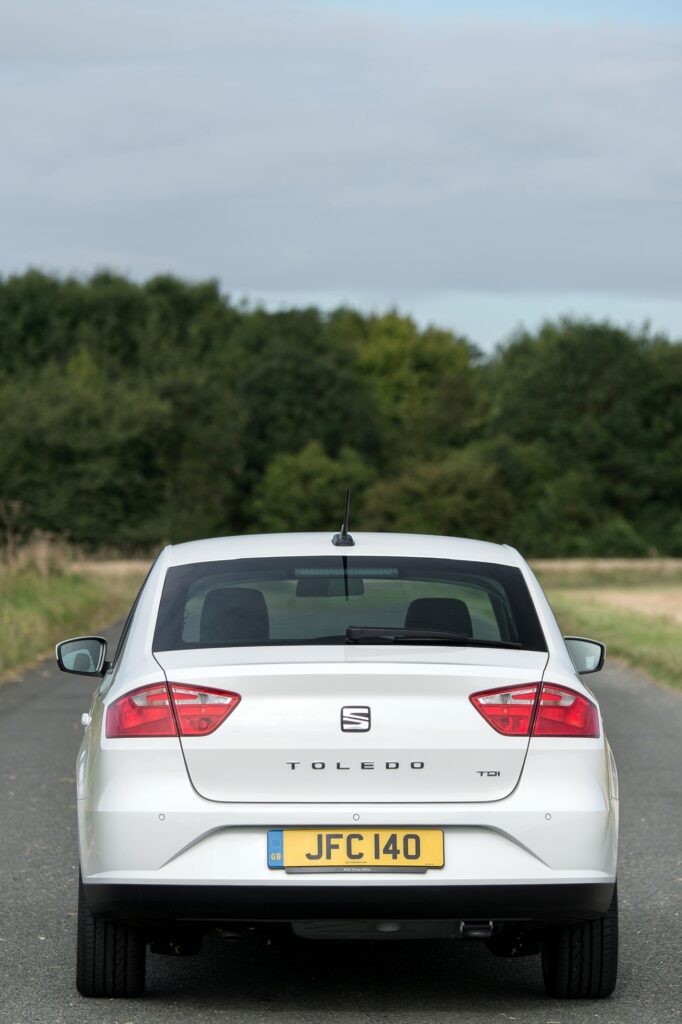
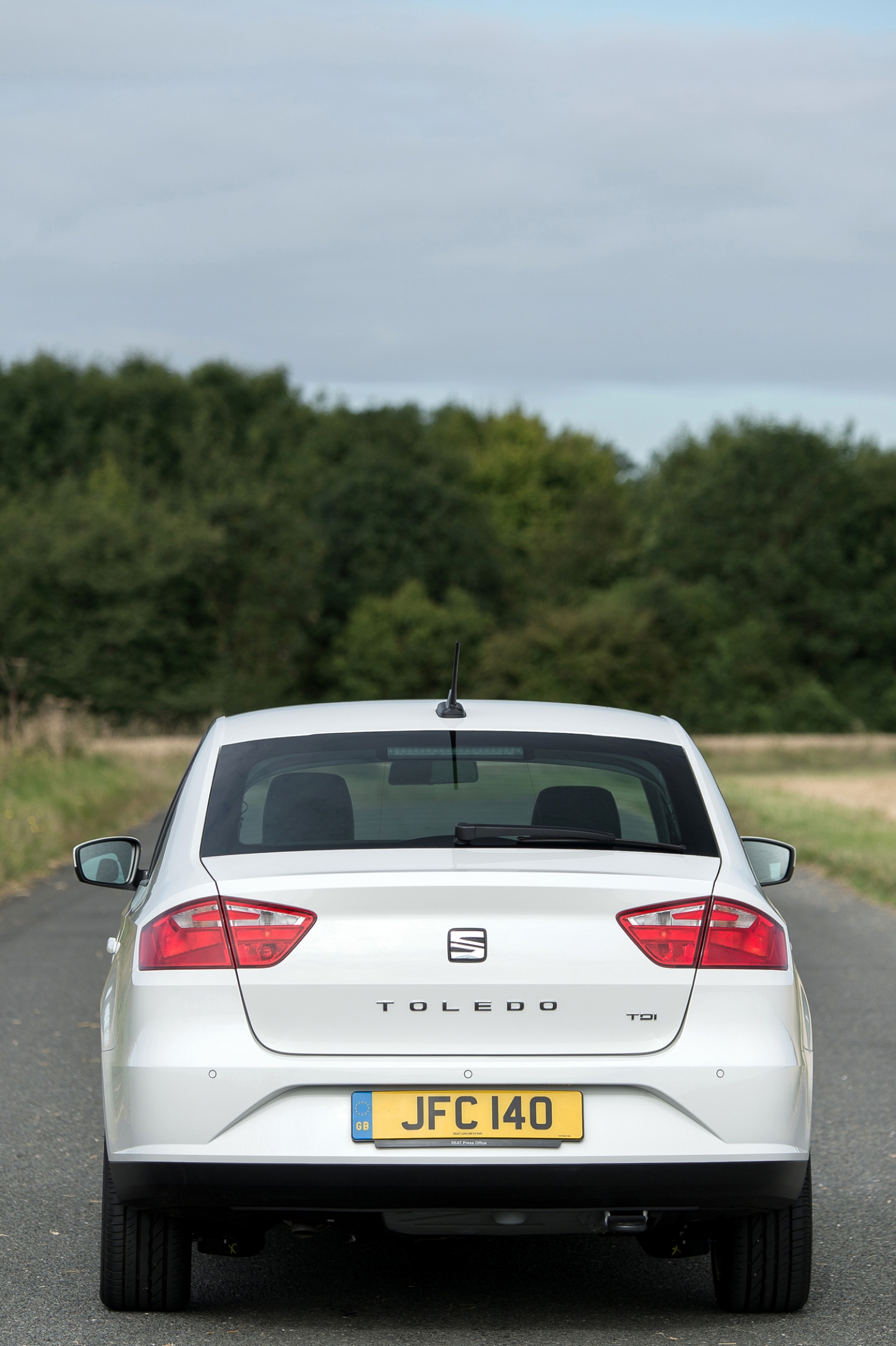
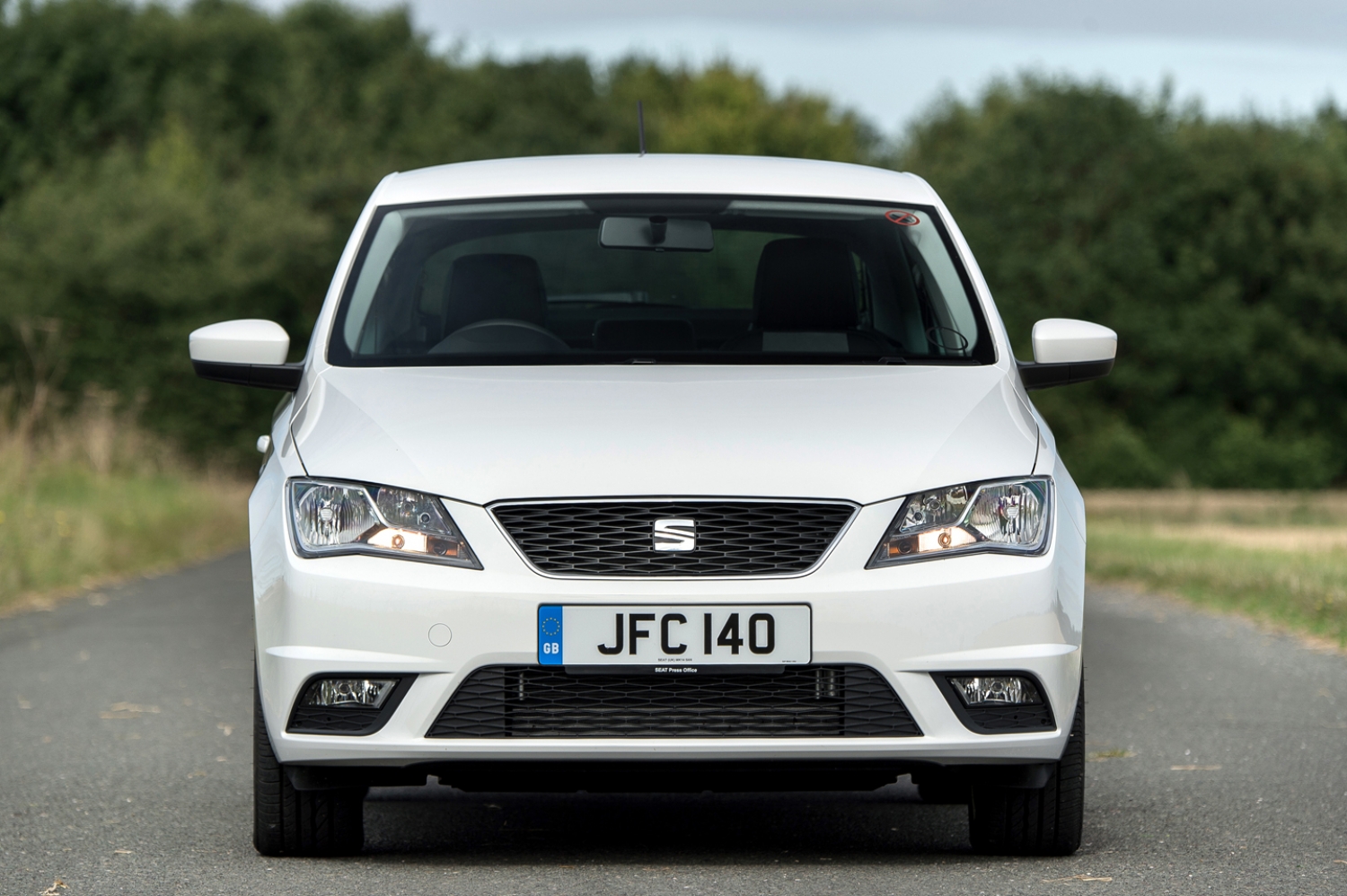
Brake problems occur regularly, even with models generally considered reliable. Owners of various brands, such as the Seat Toledo, sometimes report unexpected brake issues that can lead to failure at the test.
Signs of defective brake hoses
Brake hoses are essential for the hydraulic operation of the braking system. These flexible lines transport brake fluid under high pressure from the master cylinder to the brake callipers. Damaged brake hoses are dangerous and lead to MOT failure.
Recognise defective brake hoses by these features:
- Visible reinforcement material showing through cracks in the outer layer
- Bulges on the brake hose, indicating a break in the canvas (reinforcement material)
- Sharp kinks or heavy twisting
- Deformations in the hydraulic system
- Damp patches or oil deposits under the car
- Reduced braking performance or a spongy brake pedal
It is important to know that hairline cracks without visible canvas (the reinforcement material in the brake hose) are not an immediate reason for failure. However, as soon as the reinforcement material becomes visible or there is leakage, your car will fail the test. The tester can make a note of cracks that do not yet pose an immediate danger.
How can I check my brakes myself?
Regular checks of your braking system help you to detect problems in good time. You can inspect a number of things yourself before you take the car for its MOT.
Check the brake fluid level in the reservoir under the bonnet. The level must be between the minimum and maximum markings. A low level may indicate leakage or worn brake pads. Visually inspect the brake hoses for cracks, damage or swelling.
When driving, pay attention to these signs:
- Squealing or scraping noises when braking
- Vibrations in the steering wheel or brake pedal
- A spongy or soft-feeling brake pedal
- The car pulling to one side when braking
- A longer stopping distance than normal
- Burning smell after heavy braking
If in doubt, or when you notice any of these symptoms, have your braking system checked immediately by a garage. Waiting can lead to dangerous situations and often increases repair costs.
Why dragging brakes are dangerous
Dragging brakes are brakes that do not fully release after you take your foot off the brake pedal. This means that the brake pads continue to apply slight pressure to the brake disc even when you are not braking. This problem not only leads to MOT failure, but also causes various practical issues.
The consequences of dragging brakes are immediately noticeable. Brake discs and pads wear unevenly and much faster than normal. Constant friction generates excessive heat, which reduces braking performance and increases the risk of brake fade. Your fuel consumption rises because the engine has to deliver more power to overcome the braking force.
Dragging brakes arise for various reasons. Seized brake callipers due to corrosion or contamination are a common cause. Damaged or aged brake hoses can also prevent hydraulic pressure from being fully released. Sometimes the problem lies with the master cylinder, or the guide pins of the brake calliper are rusted solid.
Recognise dragging brakes by a burning smell after driving, noticeably hotter wheels on one side, or the car pulling to one side. Increased fuel consumption without another explanation can also point to this problem.
‘ Damage, cracks or fractures are immediate reasons for failure. ’
Brake discs and pads and the MOT
Brake discs and pads are closely inspected during the MOT test. To pass, these components must meet specific standards.
Brake discs may show a maximum of 50 per cent rust on the braking surface. Light surface rust is normal, especially on cars that are used infrequently. Regular braking usually grinds off this rust layer. However, brake discs must not be so worn that there is a risk of fracture. Damage, cracks or fractures are immediate grounds for failure.
Brake pads must have sufficient friction material. If wear is too severe, the metal backing plate comes into contact with the brake disc, causing intense wear and damage. This results in reduced braking performance and characteristic scraping noises. The tester checks the thickness of the friction material and the evenness of wear across all wheels.
How much does it cost to replace brake lines?
The cost of replacing brake lines varies depending on the type of line, the make of car and the complexity of the job. Brake lines consist of two types: rigid metal lines and flexible rubber hoses.
Replacing a flexible brake hose usually costs between €75 and €150 per hose, including labour. Most cars have four brake hoses, one per wheel. For the replacement of rigid brake lines, costs are higher, often between €200 and €400, because these lines run along the bodywork and are more difficult to access.
After replacement, the braking system must be bled. Air in the system significantly reduces braking performance. This procedure costs around €30 to €50 extra. Some garages charge an all-in price for replacement including bleeding.
It is sensible to act preventively. Have brake hoses replaced when they show signs of ageing, even if they are not yet leaking. This prevents unexpected repairs and MOT failure. Most manufacturers recommend replacing brake hoses every eight to ten years, depending on driving conditions.
Handbrake cable and wheel cylinders
The handbrake cable and wheel cylinders are also important inspection points during the MOT test. These components must be in perfect condition for the car to pass.
The inner cable of the handbrake must be completely intact. Any damaged or broken strand, even a single wire, is a reason for failure. Brake cables may be repaired in a sound manner. Applying tape or sealant for protective purposes is allowed, provided the underlying cable remains intact.
Wheel cylinders are essential for the hydraulic operation of the braking system. These cylinders convert the pressure of the brake fluid into mechanical force that presses the brake pads against the disc. Leaking wheel cylinders are an immediate reason for failure (a reason why the car does not pass the MOT) and a safety risk. Regularly check that the brake fluid remains at a sufficient level. A falling level often indicates leakage in cylinders or lines.
‘ Early detection prevents greater damage and higher costs. ’
Tips for getting your braking system through the MOT
With preventive maintenance, you can avoid unpleasant surprises during the MOT test. A few practical tips will help you keep your braking system in good condition.
Have your brakes checked annually, even if your car does few miles. Standing still accelerates corrosion and the ageing of rubber components. Check the brake fluid level monthly and top up when necessary with the correct specification of brake fluid. Visually inspect brake hoses for cracks or damage, especially on older cars.
Brake firmly on a regular basis to grind rust off the brake discs and to flush the system through. Rust formation can increase during long periods of non-use. Respond immediately to unusual noises, vibrations or reduced braking performance. Early detection prevents greater damage and higher costs.
Schedule your MOT test well in advance. This gives you time to have any defects repaired before the current MOT expires. Some garages offer a free pre-MOT check, during which your braking system is inspected for potential reasons for failure.
Find out more about car maintenance
A well-maintained braking system is essential for safe driving and passing the MOT. On the Carnews website you will find extensive information about various car components, common problems and maintenance advice. Discover more articles about the MOT test, engine problems and practical tips for car enthusiasts.
Frequently asked questions
The most common reasons are excessive wear, damage or cracking of brake discs and pads, causing braking performance to become insufficient or uneven. In addition, leaking or severely corroded brake lines and wheel cylinders lead to failure, because they affect hydraulic pressure and therefore safety. An uneven distribution of braking force between the wheels or a poorly functioning handbrake (for example due to defective cables) is also a typical reason for failure. Furthermore, severely kinked, deformed or canvas-broken brake hoses can lead directly to MOT failure.
Visually inspect the brake discs and pads for deep rust, cracks, grooves or very thin pads, and look for uneven wear left/right. Look along the underside of the car or in the wheel arches at the brake lines and hoses and check for rust (bulging or flaking lines), damage, bulges and leakage (wet spots). Check the brake fluid level in the reservoir and look around brake drums, callipers and connection points to ensure there are no traces of oil or fluid. While driving, pay attention to pulling to one side under braking, vibrations or a spongy pedal, as these can indicate MOT-relevant problems with the brakes or lines.
Warning signs include, among others, a spongy or deeper-travelling brake pedal, noticeably reduced braking performance or the car pulling to one side when braking, which can indicate leakage or unevenly operating brakes. Loud squealing or scraping noises when braking, vibrations in the pedal or steering wheel and a brake warning light on the dashboard are also clear signals. Visually, you can spot problems by looking for leaking brake lines or cylinders (wet spots), heavy rust or damage to brake lines, and bulges, cracks or deformations in brake hoses. If you see such signs, there is a good chance they will lead to a fail at the MOT.
Yes, there are upgrades such as braided stainless-steel (RVS) brake lines; these often provide a firmer pedal feel and less ‘sponginess’ because they expand less under pressure. For the MOT, the requirement is that brake lines (original or upgraded) are securely attached, not damaged, not heavily corroded and free from leaks. As long as these requirements are met and braking performance is good, braided steel lines are permitted from an MOT point of view. Have them fitted professionally and make sure they are approved specifically for your type of vehicle.
The average costs for replacing brake pads and discs are often between about €250 and €600 per axle, while complete replacement of (rusted-through) steel brake lines can amount to €300–€800 or more, depending on make, model and labour hours. When comparing quotes, look for a clear breakdown between parts and labour, which parts are being replaced exactly (pads only or also discs/lines), and whether premium-brand or budget parts are used. Check whether additional costs such as renewing brake fluid, wheel alignment or disposal charges are included. If in doubt, request at least one second quote for comparison and pay attention to warranty conditions for both parts and labour.