
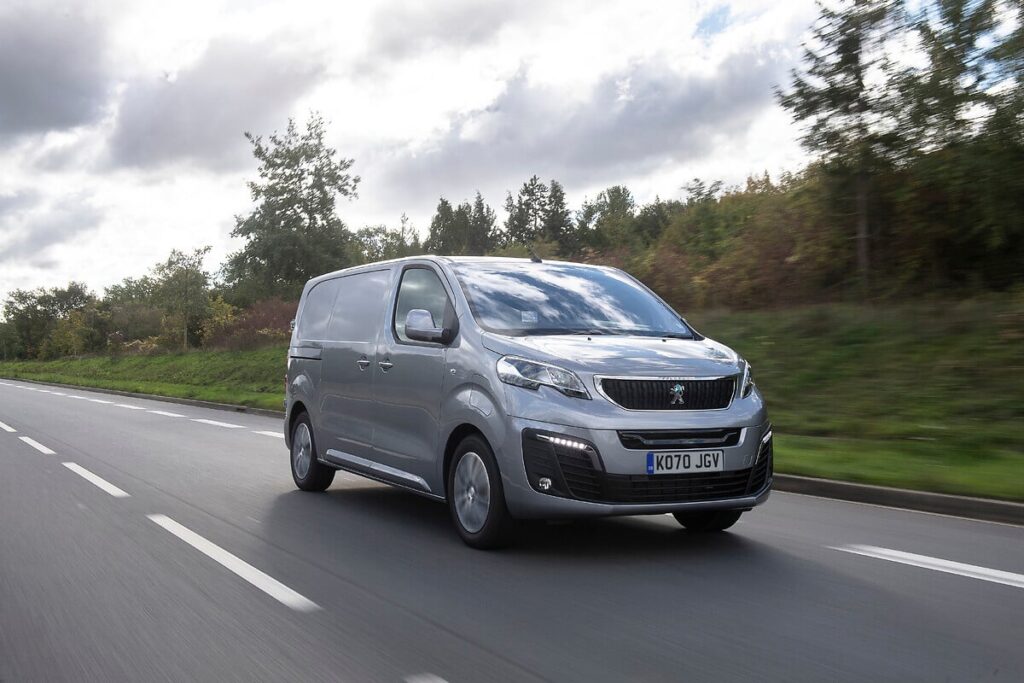
Brake light faults and excessive wheel suspension play are regularly reported as safety issues, especially on commercial vehicles that are heavily loaded. These faults can lead to MOT failure and driving situations where the braking performance is limited, with all the associated risks. For anyone driving a Peugeot Expert or a similar van, it is useful to know what to look out for and how to spot problems in good time.
Why the brake light on your Peugeot Expert is not working
A faulty brake light often comes from a broken switch behind the brake pedal. This switch detects when you press the pedal and switches the brake light on. Over time, the switch can become damaged through repeated use or contact with moisture. In addition, a blown bulb or a break in the wiring can be the cause.
First check whether all the lights at the rear are still working. If only one bulb has failed, you can simply replace the filament bulb. If both brake lights do not work, the problem is probably with the switch or a fuse. Most Peugeot Experts have a fuse box under the dashboard where you can find the correct fuse in the owner’s manual.
Owners sometimes also report that the brake light comes on by itself without the pedal being pressed. This often points to a poor earth or a broken switch that is sticking. In that case, the switch needs to be replaced to prevent the battery from discharging further.
‘ Dark or cloudy fluid contains moisture and reduces braking power, especially under heavy load. ’
How to check the brakes on a Peugeot Expert
A visual inspection is the first step. Look through the wheels at the brake discs and watch for deep grooves, rust or uneven wear. You can often also see the brake pads through the wheel: if less than three millimetres of material is left, they need to be replaced.
Test how the brake pedal feels while driving. A soft or spongy pedal can indicate air in the braking system or a leaking brake line. If the steering wheel vibrates while braking, the brake discs may have warped. This often happens with vans that are heavily loaded and then brake abruptly.
Have a mechanic check the brake fluid. The colour should be clear yellow or light brown. Dark or cloudy fluid contains moisture and reduces braking power, especially under heavy load. For a high-mileage Peugeot Expert, it is sensible to replace the brake fluid every two years.
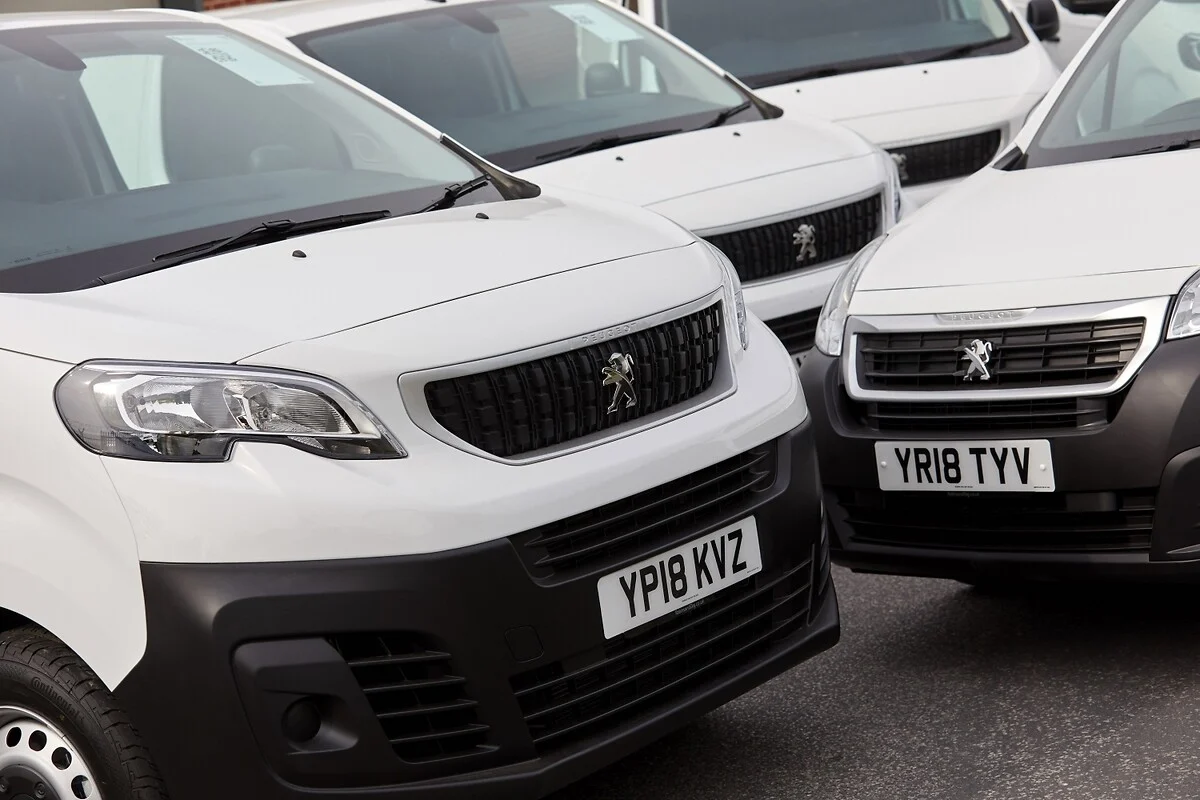
What excessive wheel suspension play means
Wheel suspension play occurs when components in the suspension wear out and gain more movement than they were designed for. This is often seen in rubber bushes, ball joints and wishbone rubbers. On a van that is heavily loaded, wear on these parts is accelerated.
The effects of too much play are noticeable while driving. The steering can feel less precise and the vehicle may pull to one side while braking. In some cases you will hear a knocking or banging noise over bumps. These are signs that one or more parts in the wheel suspension need attention.
A mechanic checks for play by lifting the wheels and shaking them at specific points. Excessive movement indicates worn components that need to be replaced. Have this checked in time, because play in the wheel suspension can negatively affect braking performance and causes uneven tyre wear.
Brake problems with the Peugeot Expert in practice
Owners of the Peugeot Expert regularly report problems with the brake light and sensors, especially on vehicles older than five years. The combination of high mileage, heavy loads and use as a workhorse makes certain parts more prone to wear. That does not mean the model is unreliable, but it does mean that preventive maintenance remains important.
In addition to brake light faults, problems with the steering knuckle are also reported. The steering knuckle is the part where the wheel bearing and wheel suspension come together. Excessive play in this area can lead to an MOT fail during inspection and requires replacement. This type of problem often shows up as a rumbling noise that gets louder when cornering.
Brake problems are more common on examples that are used intensively in urban traffic with lots of stop-and-go situations. The brakes are then worked harder than with steady motorway use. Therefore, allow for shorter maintenance intervals if you often make short journeys with frequent braking.
‘ So regularly check whether the sensors are clean and have warning messages read out straight away at a specialist garage. ’
The importance of ABS and modern safety systems
ABS prevents the wheels from locking under heavy braking and helps to keep the vehicle steerable. For a van such as the Peugeot Expert this system is valuable, because a heavy load increases the chance of wheel lock-up. The ABS controls the brake pressure at each wheel and ensures that you can keep steering during an emergency stop.
Modern versions of the Peugeot Expert are often equipped with additional systems such as emergency brake assist and lane-keeping assistance. These ADAS functions warn of impending danger or intervene when the driver does not react in time. This increases safety, but their operation depends on clean sensors and properly functioning software.
Some owners find that ADAS systems sometimes intervene unexpectedly or give warnings. Dirt on the sensors, incorrect tyre sizes or software faults can be the cause. So regularly check whether the sensors are clean and have warning messages read out immediately at a specialist garage.
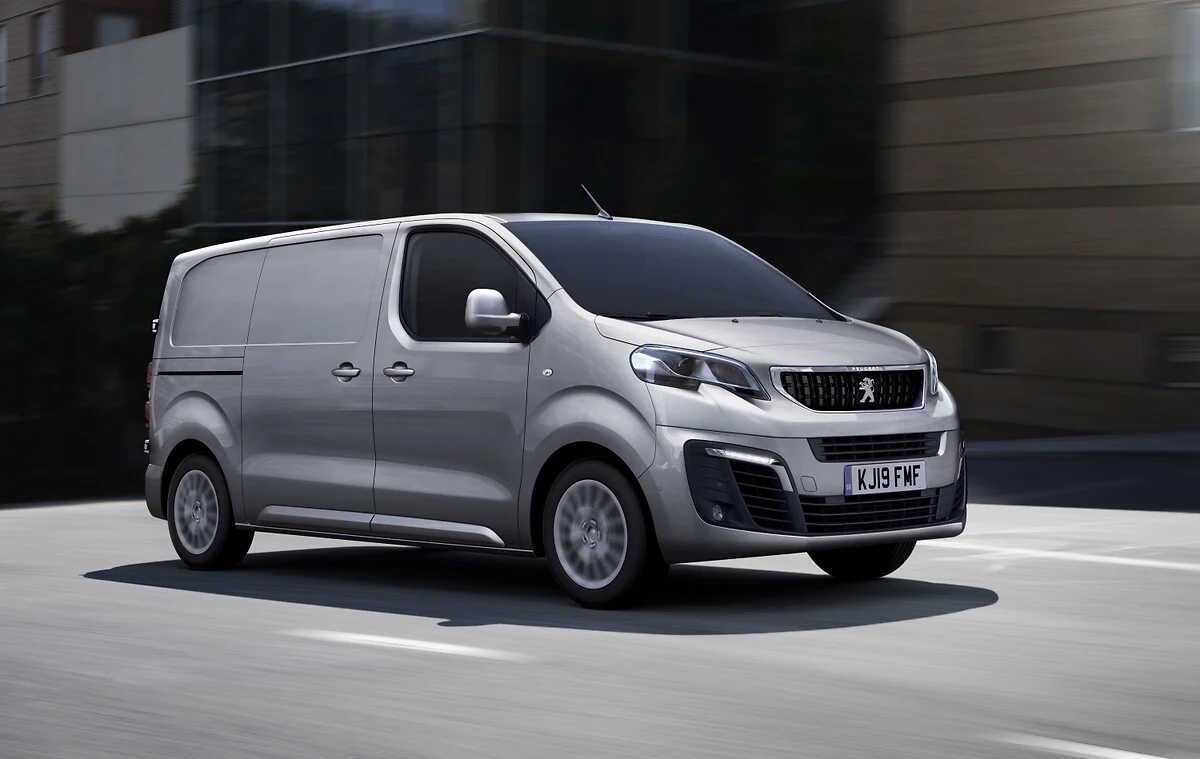
Practical tips for safe braking with a full load
A fully loaded Peugeot Expert has more mass to slow down than an empty van. Therefore keep a greater following distance and anticipate traffic situations earlier. The braking distance increases with weight, especially on wet or slippery roads where grip is limited.
Before setting off, check that the load is properly secured. Shifting cargo under braking can change the centre of gravity and affect stability. Distribute the weight as evenly as possible across the load area and place heavy objects low down and against the bulkhead.
Also pay attention to tyre pressures. Too low a pressure increases the risk of overheating and uneven wear, which negatively affects braking performance. Consult the owner’s manual for the correct pressure when fully loaded and measure the pressure regularly, especially before longer journeys.
Maintenance that prevents brake problems
Have the brake pads and brake discs checked at every service. Worn brake components reduce safety and can cause additional wear on other parts. Most garages measure the thickness of the brake discs and the remaining material on the brake pads.
Replace the brake fluid every two years. This fluid attracts moisture, which lowers the boiling point and increases the risk of vapour lock under heavy braking. Fresh fluid ensures consistent braking performance, even during long descents or heavily loaded journeys.
Regularly check that the brake light and other lights are working. A faulty brake light increases the risk of a rear-end collision and will cause an MOT fail. You can easily test the brake light by having someone stand behind the vehicle while you press the brake pedal.
‘ A pedal that sinks a long way or all the way to the floor is a warning sign that needs immediate action. ’
When you should go to the garage for a brake check
Go straight to a garage if you notice any of the following symptoms. A soft or spongy brake pedal points to air in the braking system or leaking components. A pedal that sinks a long way or all the way to the floor is a warning sign that requires immediate action.
Squealing or screeching noises while braking are also a reason for a check. They can indicate worn brake pads where the wear indicator is touching metal. Vibrating or knocking noises often point to warped brake discs or loose components in the wheel suspension.
If the ABS light or other warning lights on the dashboard are illuminated, have them read out. Modern systems record fault codes that indicate where the problem lies. A specialist mechanic can analyse these codes and carry out the correct repair.
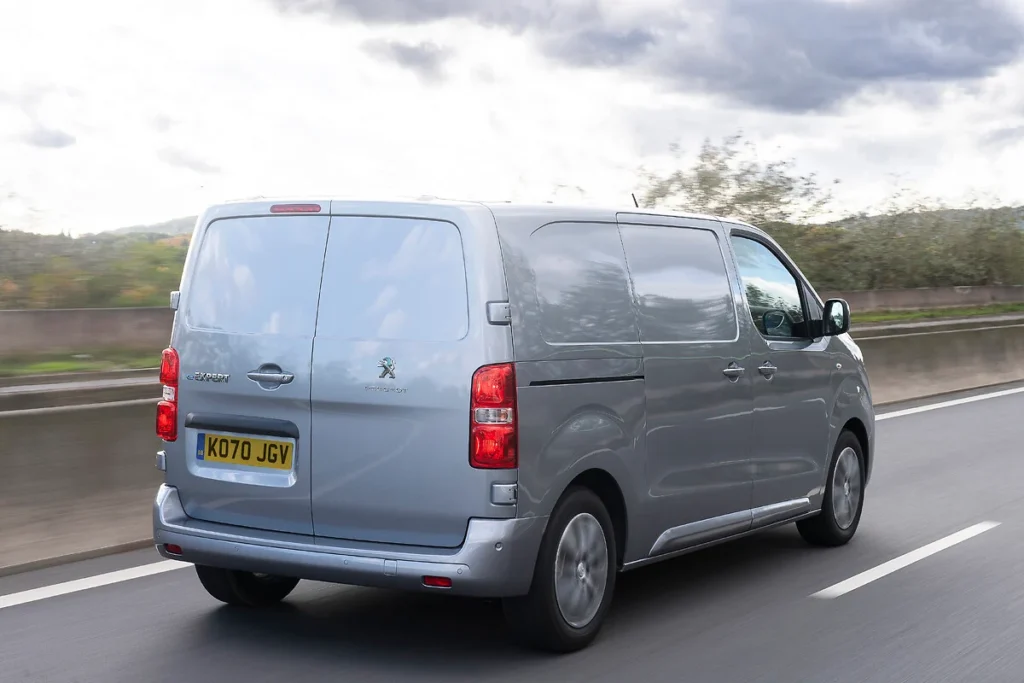
Discover more about car safety and maintenance
Brakes and safety systems are the foundation of safe driving, but there is more to discover about maintaining and improving the performance of your car. On the Carnews website you will find extensive information on common car problems, maintenance tips and practical advice for different makes and models. Discover what other car enthusiasts share and learn how to spot and tackle problems at an early stage.
Frequently asked questions
Ceramic brakes are lighter than steel brake discs, which reduces unsprung weight and allows the car to respond faster and more precisely in corners. Under repeated heavy braking they cope better with heat, so braking performance remains more consistent and fade more or less disappears during circuit use. As a result, longer stints at high speeds can be driven without a noticeable loss of braking performance. The downside is that ceramic systems are more expensive and for road use they sometimes warm up less quickly than steel brakes.
Important active safety systems in modern cars include ABS (prevents the wheels from locking under heavy braking), ESP/ESC (stability control that intervenes when skidding is imminent) and traction control (prevents wheelspin when accelerating). In addition there are autonomous emergency braking systems (AEB) that automatically brake in the event of an impending collision, and various ADAS systems such as lane-keeping assist, blind spot warning and adaptive cruise control. These systems help prevent accidents by maintaining grip and stability, using the braking distance effectively and warning the driver in good time or even intervening. As a result, they reduce both the likelihood of collisions and the severity of any crashes.
It is advisable to upgrade your braking system once you start doing track days more often, if your brakes show rapid fade under repeated heavy braking, or when your engine power and speed have clearly increased compared with the standard set-up. For motorsport enthusiasts, high-performance brake pads and ventilated or drilled brake discs are often the first and most effective step. After that you can consider braided steel brake lines and high-temperature brake fluid to maintain a more consistent pedal feel. For intensive circuit use, a larger big brake kit and well-balanced brake cooling provide the most complete upgrade.
Signs that brake maintenance is needed include squealing or grinding noises when braking, a vibrating or soft brake pedal, an increased braking distance, warning lights on the dashboard and a car that pulls to one side under braking. In such cases, have the brake pads, discs and brake fluid checked and replaced if necessary as soon as possible. For optimum service life, brake progressively rather than harshly, keep a sufficient following distance and avoid driving unnecessarily with very heavy loads. Also schedule periodic maintenance in line with the manufacturer’s schedule so that wear is detected in good time.
ABS (anti-lock braking system) prevents the wheels from locking during hard braking so that you can continue to steer and keep the braking distance under control, especially on slippery surfaces. ESP (stability programme) monitors the direction of travel and intervenes by braking individual wheels and reducing engine power if the car is about to break away (understeer or oversteer). Traction control limits wheelspin when pulling away by reducing engine power or braking a spinning wheel so that the driving forces are transferred to the road more effectively. Together they improve driving dynamics by giving you more grip, stability and controllability in a wide range of conditions, such as wet, slippery or uneven roads.
For normal road use, standard or high-quality OEM brake pads and discs are usually sufficient and more cost-effective than extreme ‘performance’ variants. Sport brake discs and aggressive sport pads mainly deliver their benefits under repeated, prolonged heavy braking, such as on the track or in very mountainous terrain. On the road they can actually have drawbacks, such as more wear, more brake dust, more noise and sometimes less braking performance when cold. They are therefore usually only a worthwhile investment if your car is very heavily loaded or you regularly drive in a sporty way or on track days.