
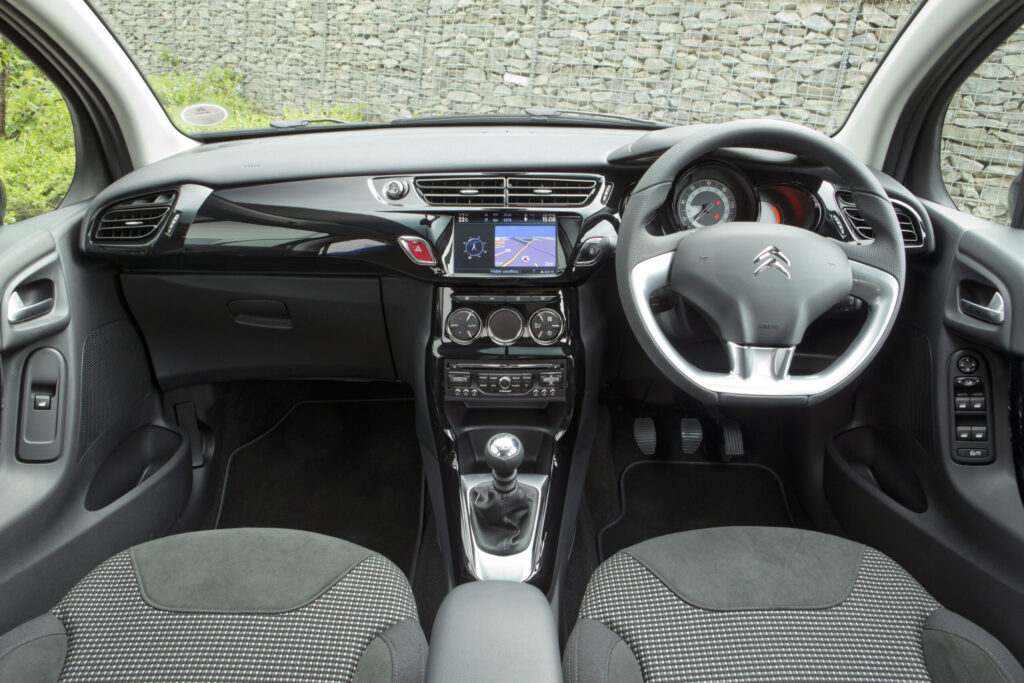
A blank screen suddenly lights up. Then an ominous thump sound comes from the dashboard. This BSI issue in the Citroën C3 Aircross is a common software glitch that frustrates owners. Fortunately, it’s easy to fix by temporarily disconnecting the battery. Even in new models this fault can return unexpectedly. How do you tackle this and prevent it from happening again?
What is the BSI and why does it cause problems?
The BSI acts as the central control unit of your car. This module manages communication between all the electronic systems such as lighting, windows, air conditioning and central locking. In the Citroën C3 Aircross, faults regularly occur in this electronic brain. This is especially common in the petrol models from 2020 onwards.
Battery problems trigger BSI faults. The module does not go into sleep mode correctly when the battery is disconnected. This leads to software corruption. Owners report that this mostly happens after battery replacement or with a weakened battery.
Recognisable symptoms of a faulty BSI are:
- Lights that suddenly switch on or off by themselves
- Air conditioning that does not respond
- Central locking that fails
- Communication problems with diagnostic scanners
- Starting issues without an obvious cause
- Multiple faults after fitting a new battery
How do you reset the BSI in the Citroën C3 Aircross?
The BSI reset is a soft reboot that restarts the electronic systems. This procedure usually works within fifteen minutes and saves you an expensive trip to the garage. Make sure all doors are closed, except for the driver’s window, which you leave open for access from outside.
Preparation before disconnecting
The preparation determines whether the reset will succeed. The BSI must be fully in sleep mode before you disconnect the battery. Follow these steps carefully:
- Switch off all systems: radio, lights, wipers and air conditioning
- Close all doors and leave the driver’s window open
- Open the bonnet (where the battery is located)
- Wait at least 3 minutes before you continue
- Disconnect the negative terminal of the battery
- Wait 15 seconds with the battery disconnected
This three‑minute waiting time is necessary. Even opening the bonnet activates the BSI. Without this waiting period the module can be damaged by corruption.
Reconnecting and restarting the systems
After disconnecting, reconfiguration follows. This reinitialises the BSI without faults:
- Check that all doors are closed and the key has been removed
- Reconnect the battery by tightening the negative terminal
- Do not open any door and wait 10 seconds
- Switch on the dipped headlights via the open driver’s window
- Insert the key into the ignition and turn it to the ‘on’ position without starting
- Start the engine and test the various systems
- Press and hold the lock button on the key fob for 10 seconds
- Open and close a door to test the central locking
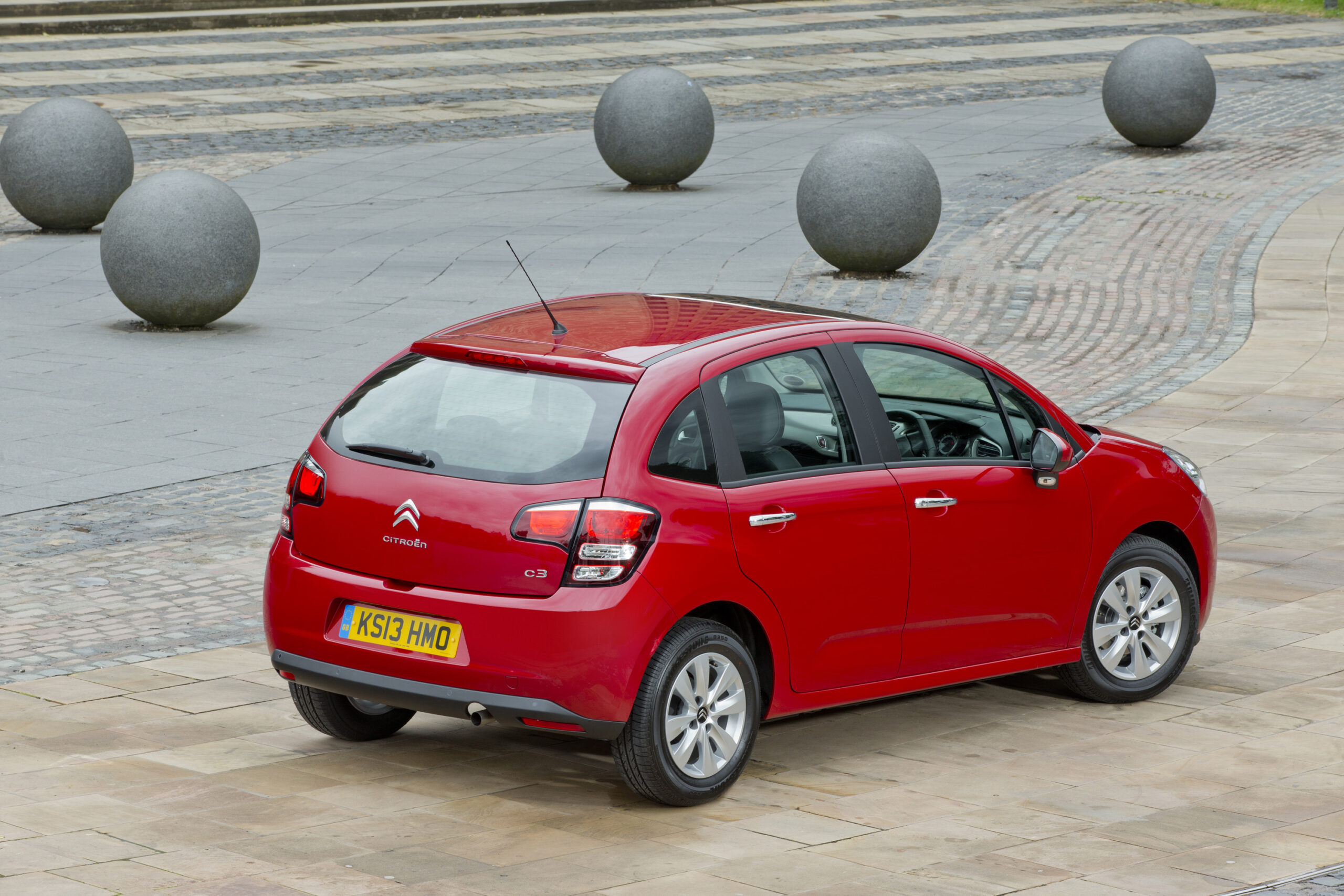
Disconnecting the battery to fix infotainment in the C3 Aircross
The blank screen of the infotainment system is often the first sign of a BSI fault. By disconnecting the battery following the procedure above, the screen usually comes back to life. This works because the BSI restarts and restores communication with the display.
For the C3 Aircross with the 1.2L petrol engine from 2020 there is an extra tip. First check the 70A BSI fuse in the fuse box under the bonnet. This is a large red fuse at the top of the box. A blown fuse causes identical symptoms, but only needs replacing rather than a reset.
When testing the electronics after the reset it is sensible to fully open and close all windows several times. This recalibrates the window controls and prevents problems with automatic closing.
Thump sound after blank screen: what is happening?
The thump sound you hear after a blank screen is the BSI trying to restart itself. This noise comes from the relays in the dashboard. These relays switch rapidly when the module attempts to reinitialise. It is a mechanical sound from electromagnetic switches turning on and off.
This sound in itself is not harmful, but it does indicate an active fault. Without intervention the BSI can remain stuck in a restart cycle, which drains the battery and can disrupt other systems. The reset breaks this cycle and allows the module to start up correctly.
When does the problem return?
Some owners of new C3 Aircross models report that the fault returns. This happens even after a successful reset. It is usually caused by a weak battery that cannot maintain stable voltage. Measure the battery voltage with a multimeter. A healthy battery shows at least 12.6 volts with the car switched off.
For cars with start‑stop systems the type of battery is important. Always use an AGM battery. This is a special battery with fibreglass mats that absorb the acid solution. This battery withstands frequent charge and discharge cycles. A standard lead‑acid battery can weaken more quickly in start‑stop systems and cause BSI faults.
Useful tips from C3 Aircross owners
Owners share valuable real‑world experiences. They have solved this fault themselves. One owner mentioned that disconnecting the battery immediately without any waiting time completely blocked the BSI. A correct reset restored everything. Another reports that air‑conditioning problems after battery replacement disappeared thanks to the combination of checking the fuse and performing a reset.
A few tips that emerge from these experiences:
- Always wait at least 3 minutes between opening the bonnet and disconnecting the battery
- Use the open driver’s window to operate systems without opening doors during the reset
- Test the 70A BSI fuse before carrying out the full reset procedure
- Measure the battery voltage regularly, especially on cars older than three years
- Check that you have an AGM battery in models with start‑stop technology
For more complex diagnostics an OBD scanner can read BSI‑related fault codes. Common codes for this fault start with UCH (Unité Centrale Habitacle), the French term for BSI. If the scanner cannot communicate with the BSI, this points to a more serious defect.
When is professional help needed?
If the reset does not work or the fault returns within a few days, the BSI module may be defective. Do not replace the module immediately, because a thorough reset with longer waiting times often still solves the problem. Try the procedure again with a waiting time of 5 minutes instead of 3 minutes before you disconnect the battery.
Persistent problems may point to:
- A defective BSI module that needs replacing
- Blown fuses in the engine compartment
- Wiring problems around the BSI connection
- Faults in the communication system that connects all modules
PSA Group is the parent company of Citroën. This manufacturer officially recommends this reset procedure. It helps you avoid BSI corruption after work on the battery. If you carry out the procedure yourself, you can easily save several hundred euros in diagnostic and labour costs.
More information about the Citroën C3 Aircross
BSI problems are quite common in this compact SUV. On the Carnews website you will find extensive information about common faults, maintenance tips and owner experiences with different generations of this model. Discover more about the C3 Aircross and other Citroën models so you are better prepared for technical issues and servicing.
Frequently asked questions
You usually recognise a BSI fault in your C3 Aircross by several “strange” electrical issues at the same time, such as lights or wipers turning on by themselves, air conditioning not working, poor central locking or starting problems, especially directly after a battery job. With a purely battery‑related problem you mainly notice hard or non‑starting, weak or flickering lights and voltage issues after the car has been standing still for a while, without all sorts of random electronic functions dropping out. If the trouble starts immediately after a battery change or loss of voltage and several systems misbehave at once, this points more towards the BSI (or BSI fuse) than just the battery. In that case also check the 70A BSI fuse in the engine‑bay fuse box and consider a BSI reset.
You can carry out a BSI reset yourself if the car still starts, the problems arose after a battery change or voltage drop, and all cables and fuses (such as the 70A fuse at the BSI) appear visually fine. Then strictly follow the described procedure with waiting times, doors closed and no electrical consumers switched on, so that the BSI can correctly go to sleep and wake up again. Go straight to a garage if the reset has no noticeable effect, the car no longer starts, fuses keep blowing or there seem to be obvious wiring/CAN‑bus issues (for example many different faults at once). Also, if battery problems keep returning despite a good battery and a correct reset, professional diagnostics are wiser than continuing to experiment yourself.
Common causes of BSI and battery problems in the Citroën C3 Aircross are voltage drops due to an ageing or weak battery, incorrect or rushed battery changes (which prevent the BSI from going into sleep mode) and blown fuses such as the 70A BSI fuse in the engine compartment. Power interruptions or poor contacts in wiring and clamps can also confuse the BSI, resulting in all kinds of electrical faults. You mainly prevent this by using a high‑quality battery (for start‑stop preferably an AGM type), checking the voltage regularly and always observing the prescribed waiting times when disconnecting the battery so the BSI can properly “sleep”. Check and maintain battery terminals and fuses, and after a battery change carry out a proper BSI reset procedure if needed.
Unresolved BSI or battery problems can lead to failure or unpredictable behaviour of electronic systems such as lighting, air conditioning and central locking. In the end this may cause starting problems or complete breakdown of the car. Long‑term voltage issues can also damage the BSI module or fuses, resulting in costly repairs. Reliability and safety (for example due to failing lights or locks) can also be compromised.