

The Audi A1 combines a premium look with compact dimensions, but without a thorough inspection you are guaranteed to be buying trouble. Early TFSI engines in particular, from the period 2010–2015, suffer from timing chain problems, turbo issues and water pump failures that can lead to serious engine damage. Fortunately, the well‑known Audi A1 weaknesses can be uncovered with a well thought‑out check before you buy.
The timing chain and oil servicing are decisive
The 1.2 and 1.4 TFSI engines supplied up to 2015 have a timing chain that stretches and can break. On a cold start you will then hear a rattling noise from the engine bay. If the chain does break, this causes internal engine damage and repairs can run into the thousands of euros. For every used car, ask for the service history and check whether the chain has been inspected regularly.
Oil servicing plays a major role with these engines. Use quality oil with 5W‑30 specification and preferably replace it every 15,000 kilometres or once every two years. Many owners follow the factory interval of 30,000 kilometres, but that interval is too long for the sensitive timing drive. Have the chain checked every 60,000 kilometres to keep clocking up trouble‑free miles.
‘ A faulty turbo will easily cost you between 1,500 and 2,500 euros to replace, including labour. ’
The turbo and water pump need extra attention
The turbo on TFSI engines is sensitive to wear, especially when the engine is not warmed up properly or is pushed too hard during short trips. During the test drive, check whether the turbo comes in smoothly without whistling or squealing. A faulty turbo will easily cost you between 1,500 and 2,500 euros to replace, including labour.
The water pump is electrically driven and can fail without warning. This causes the engine to overheat, with a risk of cylinder head damage. During your test drive, keep an eye on the temperature gauge and check that the cooling system is working consistently. Ask whether the water pump has ever been replaced as a precaution, especially on used cars with more than 80,000 kilometres on the clock.
Spark plug leads and coils are vulnerable on early models
Due to moisture ingress, spark plug leads and coils wear faster than expected. As a result, the engine starts running on three cylinders, which you immediately notice from engine vibrations and loss of power. Visually inspect under the bonnet to see whether the leads and coils look tidy, without cracks or traces of moisture. Replace coils preventively after 50,000 to 70,000 kilometres to avoid breakdowns.
Carbon build‑up on the intake valves is common with direct‑injection engines. This leads to loss of power and an uneven idle. Clean the valves every 60,000 kilometres and use intake additives every 30,000 kilometres. Also check whether the air filter is clean, as a clogged filter speeds up the build‑up.
The 1.0 TFSI is the safest choice
Post‑2015 models with the 1.0 TFSI three‑cylinder engine are technically more reliable. This engine does not suffer from chain stretch and delivers enough power for everyday use. Fuel consumption remains low and maintenance is straightforward. If you want a worry‑free used car, choose a post‑2015 example with this powertrain.
Do note that the 1.0 TFSI is also prone to carbon build‑up due to direct injection. Apply the same maintenance advice as for the older engines. Use quality spark plugs and keep the intake system clean. This will keep the engine running smoothly and prevent faults.
S tronic automatic requires a test drive and diagnostics
The S tronic automatic, a DSG variant, normally shifts seamlessly and without jolts. Only the rev counter should show movement during gear changes. Early versions up to 2014 are prone to faults. During the test drive, check that the gearbox shifts smoothly in all modes, including at low speed and when pulling away from a standstill.
A common issue is a defective internal seal that causes the main fuse to blow. The car will then no longer shift and has to be transported to a garage. Post‑2015 models have fewer complaints, but you still need to stay alert. Ask whether the automatic gearbox has ever had a software update or mechanical overhaul.
Also check these points on the automatic
- No extra noises such as ticking or grinding sounds while shifting
- Smooth gear changes both when accelerating and braking
- No warning lights on the dashboard while driving
- Ask for the transmission service history

Fuel pump often fails after 80,000 kilometres
The fuel pump is a very common weak point on the A1. After roughly 80,000 to 100,000 kilometres the pump can fail, meaning the engine will no longer start or may cut out while driving. Check whether the owner has already had the pump replaced as a precaution. During the test drive, the engine must not hesitate or misfire under acceleration.
With any used car, always have a diagnostic check carried out with an Audi scanner. Fault codes in the fuel system will indicate whether the pump is weakening or already causing issues. If it has not yet been replaced, budget between 400 and 700 euros for a new pump including fitting.
Service history and MOT data are indispensable
A complete service history tells you whether the car has been maintained according to schedule and whether known issues have been tackled preventively. Use the RDW database to check whether the year of manufacture, mileage and any theft records are correct. A gap in the service history is a warning to ask more questions or walk away from the deal.
Also check the MOT (APK) history for recurring defects. If tyre pressure, brakes or exhaust frequently show red flags, that points to careless maintenance. In addition, check the condition of the tyres: uneven wear between left and right indicates problems with the suspension or wheel alignment.
‘ That points to a contaminated evaporator. ’
Air conditioning and interior also deserve a check
The air conditioning needs annual maintenance of the refrigerant and evaporator. Check that the cooling works properly and whether there is a musty smell coming from the vents. That points to a contaminated evaporator. Replace the cabin filter every 15,000 kilometres to keep smells and dust out.
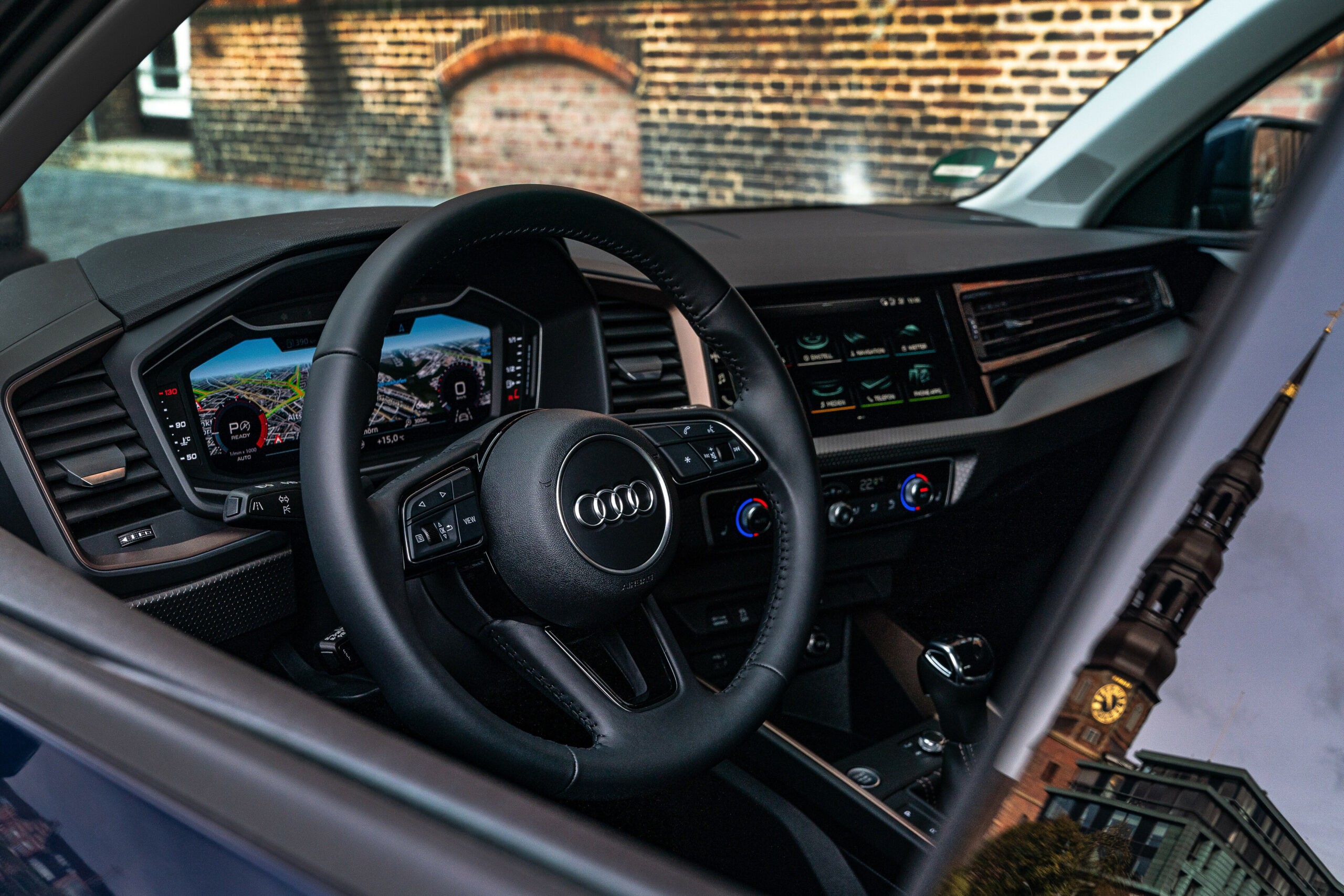
Inspect the interior for wear on seat upholstery, steering wheel and gear lever. Many used cars have a modest basic equipment level because the new price was high at the time. Look for better‑equipped versions such as Pro Line Business, Pro Line S or S line with 17‑inch wheels, xenon headlights and eye‑catching colours such as blue, red or white. These provide a greater premium feel.

Best avoid diesels unless you drive a lot of miles
The 1.6 TDI diesel has low fuel consumption of around 3.8 litres per 100 kilometres, but owners report more issues than with the petrol versions. Scratched alloys and complaints about reliability are frequently mentioned. Only choose diesel if you drive more than 20,000 kilometres per year and the fuel savings outweigh the higher maintenance costs.
For shorter journeys and mixed use, the 1.0 TFSI is the better choice. This engine fires up immediately, runs smoothly and remains economical without the downsides of a particulate filter and EGR valve that require extra attention on diesels.
Budget for unexpected costs and choose wisely
A used Audi A1 from the period 2010–2015 costs between 6,000 and 12,000 euros, depending on mileage and trim level. Post‑2015 models with the 1.0 TFSI are priced between 9,000 and 14,000 euros. In addition to the purchase price, factor in possible costs for chain replacement, turbo repair or automatic gearbox issues. Budget at least 1,000 to 2,000 euros extra for maintenance in the first year.
Avoid cars without a service history or with a low price that seems too good to be true. Those used cars often hide underlying defects. Focus on models with low mileage, a full service history and preferably the 1.0 TFSI engine. That way you buy a reliable A1 that lives up to its premium image.
‘ Invest 50 to 100 euros in an inspection and save yourself thousands of euros in repair bills later on. ’
Test drive and diagnostics are your best tools
Plan an extensive test drive in which you try all speeds and conditions. Listen for engine noises on a cold start, check the shift behaviour of the automatic and watch out for warning lights. Drive both in town and on the motorway to properly assess turbo and transmission. Do not hesitate to ask for a second opinion from an independent mechanic or inspection centre.
Always have diagnostics carried out with professional equipment. This reveals fault codes and latent problems before you buy. Invest 50 to 100 euros in an inspection and save yourself thousands of euros in repair bills later on. With this preparation you can drive away in your Audi A1 with peace of mind.
On the Carnews website you will find much more information about common car problems, maintenance tips and buying advice for various makes and models. Discover handy checklists and practical articles that help you find a reliable used car.
Frequently asked questions
The Audi A1 models with the 1.0 TFSI petrol engine (from around 2015) are regarded over the years as the most reliable, with relatively few known structural problems. The older 1.2 and 1.4 TFSI engines from before 2015 more often have issues with, among other things, the timing chain and are therefore less advisable. The 1.6 TDI diesels are, according to owner experiences, actually known as less reliable and are usually discouraged, unless used strictly for a lot of motorway driving.
With an Audi A1, pay particular attention to rattling or clattering noises on a cold start (this may indicate a stretched timing chain, especially on 1.2/1.4 TFSI engines before 2015) and to an engine that runs unevenly or hesitates (possibly due to worn coils or spark plug leads). During the test drive, check that the S tronic/DSG automatic shifts completely smoothly and without delay, and listen at all speeds for any noises from the gearbox. Make sure the engine is not overheating (water pump/cooling), that there is no noticeable loss of power and watch out for smoke, vibrations or juddering under acceleration. Finally, look for uneven tyre wear and any noises from the suspension that may indicate alignment or suspension issues.
On older Audi A1s (especially up to around 2014) the DSG/S tronic quite often suffers faults, such as hesitant shifting or electronic failures that mean the car no longer wants to change gear. The later versions (after about 2015) are noticeably improved, but still depend heavily on good and timely maintenance. Repairs to a faulty DSG/S tronic can range from a few hundred euros (software, minor components) to well over a thousand euros in the case of serious internal damage or a rebuild. Also allow for periodic servicing of the automatic (oil/service), which usually costs a few hundred euros.
Always ask for a complete, verifiable service book or digital service history (with invoices) and check whether the service intervals make sense in relation to the car’s age and use. Compare the mileage with RDW data (MOT/APK history) and look out for suspicious jumps or long periods without a recorded reading. Check whether wear to the interior and exterior matches the stated mileage (wear on the steering wheel, pedals, driver’s seat). If in doubt, have a pre‑purchase inspection carried out, during which the mechanic also reads the engine management system for mileage and service data.