
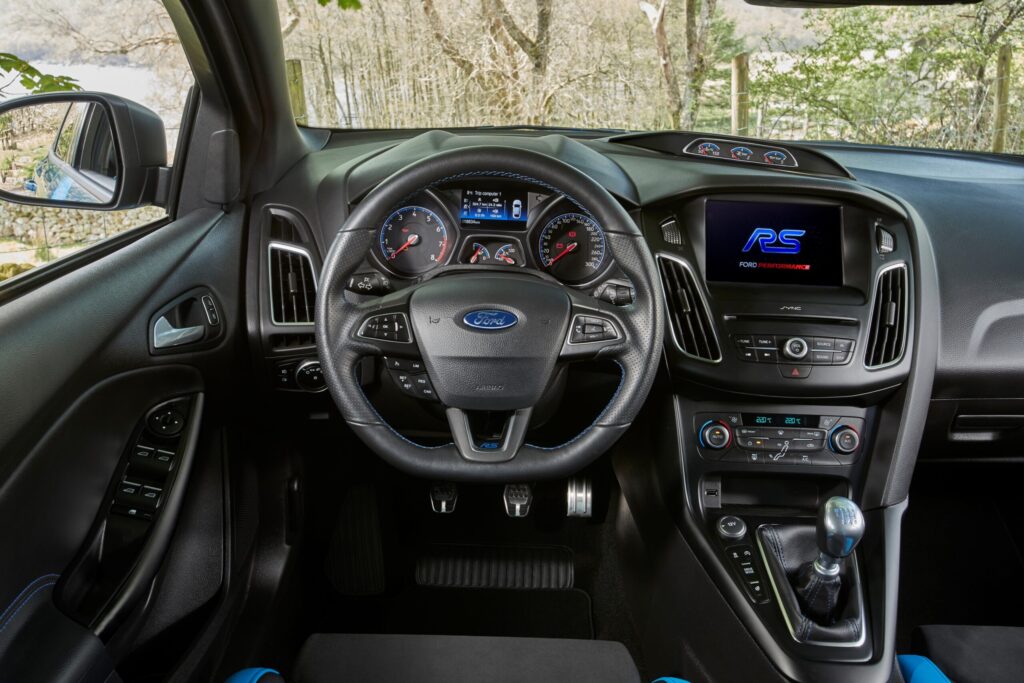
A used Ford Focus can be an excellent buy. Do be critical though. Check the cooling system, timing belt, PowerShift automatic gearbox and rust spots to avoid costly surprises. Pay close attention to these points and you will make a well-considered choice.
Why the Focus is a popular used choice
The Ford Focus has attracted buyers for years who are looking for an affordable and practical car with excellent driving characteristics. For around €6,000 you can already find a tidy hatchback from the third generation. The Focus stands out from rivals such as the Volkswagen Golf and Opel Astra thanks to its dynamic steering behaviour (how the car responds to movements of the steering wheel) and driving pleasure, even in the basic versions.
Space is another strong point. With a wheelbase of 2.7 metres, the car offers plenty of legroom in the back. The estate version is perfect for families who need load capacity. In terms of engines, the 1.0 EcoBoost petrol units (100–125 hp) are popular because of their efficiency and lively character. Diesel fans often go for the 1.5 EcoBlue with 120 hp.
‘ Focus models with a PowerShift automatic gearbox (a dual-clutch automatic) need extra attention, because this dual-clutch system is known for faults at higher mileages. ’
Which Focus models are best avoided
The third generation (2011–2018) offers good driving characteristics, but not all versions are equally attractive. Avoid the bare-bones entry-level Ambiente if you value comfort and finish. This version often lacks modern features that are standard on higher trim levels such as Trend or Titanium.
Be careful as well with pre-facelift examples built before 2014. These older models often have a simpler interior with hard plastics. These plastics are prone to scratches and wear. Inspect the dashboard and door panels critically for damage. Do this before you buy. Focus models with a PowerShift automatic gearbox (a dual-clutch automatic) deserve extra attention, because this dual-clutch system is known for failures at higher mileages.
Important checkpoints before you buy
A thorough inspection prevents expensive repairs later on. Known weak points to look out for during a test drive and inspection are:
- Rust spots around the wheel arches, sills and tailgate
- Oil leaks at the engine, especially around the valves and cam cover gasket
- Strange noises or jerky gear changes on PowerShift automatics
- Reduced braking power or wear on brake discs and pads
- Wear in the interior, especially the hard plastics on dashboard and doors
Start with the cooling system, especially on EcoBoost engines. Check the hoses around the coolant reservoir carefully for cracks or porosity. These hoses can become porous over time. This leads to coolant leaks and overheating. Repair costs are then high.
The service history (overview of all maintenance carried out) is just as important. Always ask for the service book. Check whether the timing belt has been replaced. This part must be changed according to schedule, usually between 150,000 and 200,000 kilometres. A snapped timing belt causes severe engine damage.
The PowerShift automatic: extra point of attention
The PowerShift automatic gearbox (a dual-clutch automatic) deserves separate attention on a used Focus. This dual-clutch system can give problems, especially in older examples with high mileage. Typical symptoms are jerky gear changes, clutch judder when pulling away or a burning smell.
Test the automatic thoroughly during a test drive. Pay attention to how the car responds when pulling away from standstill and when changing gear under load. Do you feel vibrations or hesitations? That points to clutch wear. Repairing the PowerShift is expensive, so if in doubt, take a specialist with you for a second opinion.
‘ Ford Focus owners report that neglected maintenance often leads to cooling system and engine problems. ’
Checking service history and recalls
A complete service history (overview of all maintenance carried out) is worth its weight in gold. Ask for proof of regular oil changes, as these significantly extend the life of the engine. Ford Focus owners report that neglected maintenance often leads to cooling system and engine problems.
Also check whether there are any outstanding recalls (manufacturer notices for free repair of known defects) for the specific model. You can usually check this online via the RDW (Dienst Wegverkeer, the Dutch vehicle registration authority) or at a Ford dealer using the registration number. Some recalls relate to safety‑critical components such as the braking system or airbags. A dealer will carry out this remedial work free of charge.

What to do before you buy a used Focus
Good preparation prevents disappointment. Make a clear checklist with all the points you want to check. Take your time for a thorough test drive of at least 30 minutes, including both city traffic and motorway miles. While driving, pay attention to the steering behaviour (how the car responds to movements of the steering wheel), the gear change and any unusual noises.
Consider an MOT check via the RDW to see whether the car has recently failed or had issues. A BOVAG warranty (warranty from the Dutch mobility trade association) from a dealer offers extra peace of mind, especially on examples with higher mileage up to 125,000 kilometres. This warranty covers many common defects and gives you reassurance after purchase.
How old can your Ford Focus be?
The ideal age of a used Focus depends on your budget and requirements. Third‑generation examples from 2011–2018 are widely available from around €6,000. These models have proven reliable, provided they have been properly maintained. For a Focus less than five years old you will quickly pay €20,000 or more, depending on trim level and mileage.
Models more than ten years old can be attractively priced, but you should expect higher maintenance costs. Wear to suspension, brakes and exhaust is more common as cars age. Aim for examples with mileage under 150,000 kilometres for a good balance between price and remaining lifespan. Newer Focus models from 2018 onwards offer modern technology and a more refined finish, but cost on average €5,000 more.
‘ Tyre wear tells you a lot about how a car has been treated. ’
Practical tips for a smart purchase
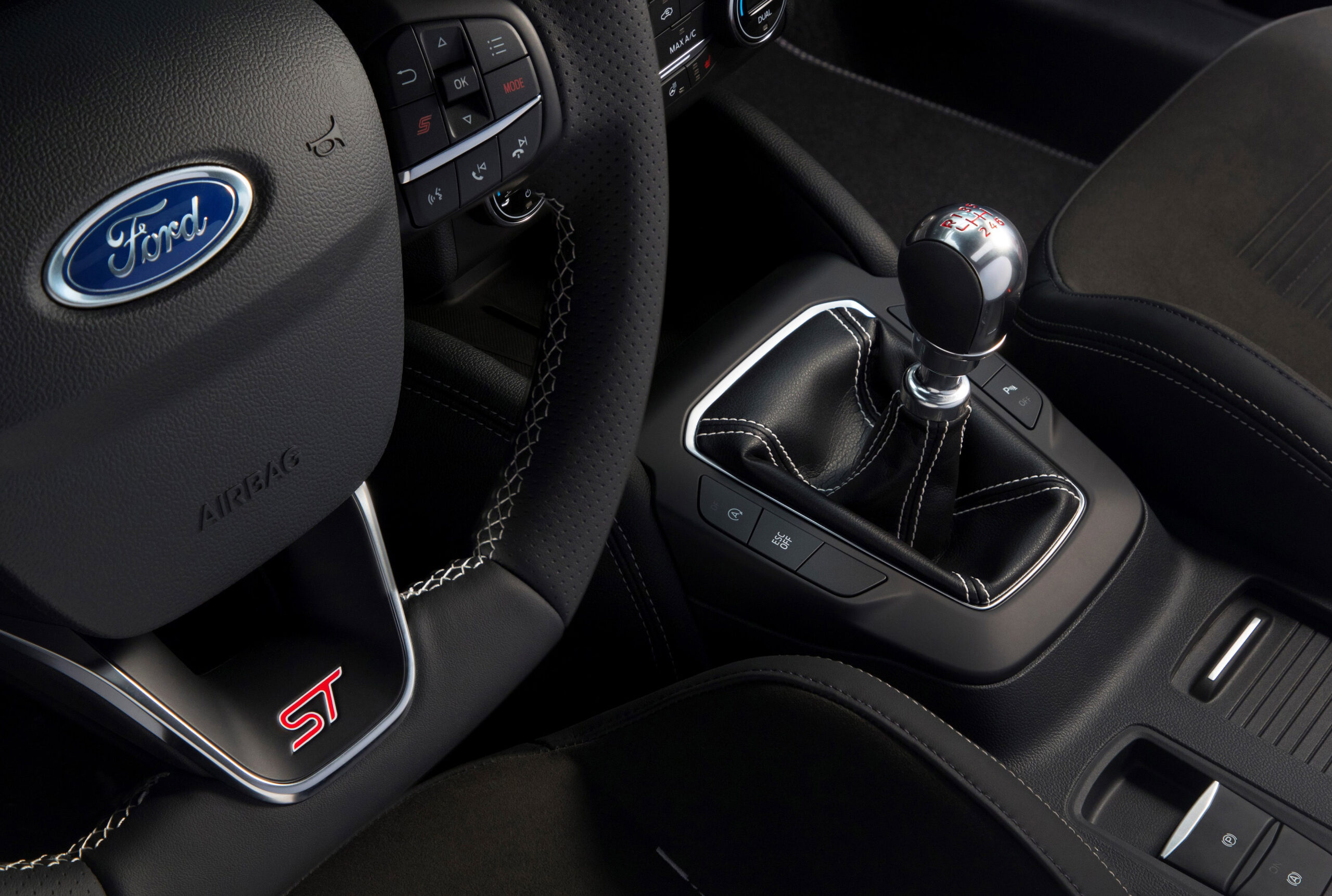
Choose the Trend or Titanium trim if you are looking for a good balance between price and luxury. These models come with useful features such as climate control, parking sensors and a decent audio system. The ST or ST‑Line versions are interesting for drivers who enjoy a sporty drive. Do bear in mind the higher maintenance and insurance costs.
Tyre wear tells you a lot about how a car has been treated. Uneven wear points to alignment problems (incorrect wheel alignment) or hard driving. Also check the spare wheel or tyre repair kit. Small details such as a complete tool kit and working lights show that the previous owner took good care of the car.
Entry‑level models versus newer examples
You can already find a Focus with 221,000 kilometres on the clock from around €500, but be prepared for immediate essential expenditure. These entry‑level cars are often at the end of their economic life and need a lot of maintenance. For around €6,000 you get an example with roughly 125,000 kilometres in good condition, which is a more realistic option for daily use.
Recent models from 2018–2022 with low mileage cost €30,000 or more, but offer modern safety features and often remaining manufacturer’s warranty. The estate version costs on average €1,000 more than the hatchback, but provides significantly more load space. For high‑mileage drivers this price difference quickly pays for itself.
Frequently asked questions about buying a Focus
When comparing different examples, it is important to pay attention to the details. Always ask for the reason for sale. Also ask how many previous owners there have been. Several owners in a short period may point to problems. Check whether all keys and the original owner’s manual are present.
The service stamp of an official Ford dealer carries more weight than maintenance at an unknown garage. Dealer servicing follows the manufacturer’s specifications and uses original parts, which increases the car’s value and reliability. A car without a service history is always a risk, no matter how low the price.
On the Carnews website you will find much more useful information about Ford models, common car problems and handy maintenance tips. Discover all the knowledge that helps you choose more wisely and get more enjoyment from your car.
Frequently asked questions
Which specific generations or engine variants of the Ford Focus are most recommended for car enthusiasts, and why?
For enthusiasts, the sporty versions of the third generation (2011–2018) are particularly recommended, such as the Focus ST (around 250 hp) and especially the RS (up to 350 hp), because of their powerful engines and very dynamic handling. The regular Mk3 and Mk4 models with the 1.0 EcoBoost (100–125 hp) are also interesting: light, lively and economical, allowing the chassis to really shine. ST‑Line versions combine the better chassis and sporty looks with lower running costs than a true ST or RS. The estate versions with the same engines are also attractive for those who want to combine driving pleasure with lots of space.
What are the most common ‘weak points’ or ‘points of attention’ when buying a used Ford Focus, per generation?
On the first generations (around 1998–2011), typical points of attention are susceptibility to rust, worn suspension and dated interiors (wear, creaks). On the third generation (2011–2018), the EcoBoost engines stand out in particular: check the cooling system and coolant hoses carefully because of the risk of overheating, and watch the interior quality (scratches, rattles). On the fourth generation (from 2018 onwards), structural technical weaknesses are less pronounced, but the finish of some plastic parts and possible electronic/infotainment issues remain something to watch. For all generations, the usual checks apply: complete service history, even tyre wear and a thorough test drive to assess clutch, gearbox and chassis.
How does the ‘driving behaviour’ of the different Ford Focus generations compare to each other and to segment rivals?
The first and second generation Ford Focus are known for their distinctly dynamic chassis and very direct steering, which in their day often made them better to drive than rivals such as the VW Golf, Opel Astra and Renault Mégane. The third generation (2011–2018) remained above‑average sharp and fun to drive, but placed slightly more emphasis on comfort, narrowing the gap with competitors. The fourth generation (2018–present) again combines a very capable, neutral chassis with more refinement and comfort, meaning it is still regarded as one of the best‑driving cars in its segment. Across the generations, the Focus therefore tends to be more dynamic and more fun to drive than most direct rivals, which are often more comfortable but less communicative.
What ‘maintenance costs’ and ‘parts availability’ can I expect for a used Ford Focus of different ages?
For a Ford Focus that is 3–7 years old, maintenance costs are usually mid‑range: routine services and wear items (brakes, tyres, fluids) are reasonably priced and can be handled by many independent garages. For older examples (10+ years, high mileage) you should allow for extra costs for items such as suspension, exhaust, air conditioning and possible cooling issues on EcoBoost engines if maintenance has been neglected. Parts are generally widely available and affordable, partly because the Focus sold in large numbers and there are many aftermarket and used parts on the market. For very old model years or rare versions (RS/ST‑specific parts), delivery can sometimes take longer and prices are higher.
Are there any particular ‘versions’ or ‘options’ that make a used Ford Focus significantly more attractive for an enthusiast?
Yes, in particular the sporty versions such as the ST, ST‑Line and of course the RS make a used Focus especially attractive for enthusiasts thanks to their powerful engines and firmer chassis tuning. Well‑equipped trims such as Titanium (more luxury, better seats, extra comfort and safety options) are also sought after. In terms of engines, the 1.0 EcoBoost 125 hp and the more powerful sporty engines are especially interesting thanks to their balance of performance and fuel consumption. In addition, an estate version (practical and still good to drive) and post‑facelift examples are popular because of improved finish and equipment.