

A used Ford Puma can be a smart choice. Always check the timing belt, cooling system, transmission and rust-prone areas in advance. This way you avoid expensive repairs. This popular crossover offers lively performance and economical fuel consumption figures. You do, however, need to be alert to a number of well-known weak spots. Discover which pitfalls you can avoid and what to look out for during the inspection.
Why the Ford Puma deserves attention when buying
The Ford Puma, especially the models from 2019 onwards with the 1.0 EcoBoost mild-hybrid engine (a system in which a small electric motor supports the combustion engine), is based on reliable Fiesta technology. This minimises early teething problems and contributes to the model’s popularity. There are, however, specific issues. These occur regularly, both with newer and older generations (1997-2003). You can find more information about possible faults on our Ford Puma problems page. By checking specifically for common problems, you avoid disappointments after purchase.
Most problems can be spotted easily during a thorough inspection. With the right knowledge you can assess whether a Puma on offer has been well maintained or is actually a risky investment. The checkpoints in this article help you ask the right questions and inspect the most important components.
‘ Neglecting these components can lead to repairs of €1,500 or more. ’
Taking a close look at engine and drivetrain
The 1.0 EcoBoost engine is known for its efficiency and lively performance. The engine also has a number of weak spots. Overheating can occur at low mileages, often between 10,000 and 15,000 miles/km (depending on the original market; check the odometer unit). The cause usually lies in cooling system leaks or a defective water pump. Symptoms include irregular running, higher fuel consumption and, in the worst case, engine damage.
During the inspection, check the coolant level and look for oil traces around the engine. A timing belt that jumps a tooth or snaps prematurely is another common problem, especially with intensive use. This can occur before 60,000 miles/km. Replacing it preventively every 100,000 kilometres or every ten years is therefore sensible.
Ask the seller whether the timing belt has been replaced recently. Inspect the belt itself for cracks and wear. Lambda sensors can fail after 60,000 to 80,000 kilometres. This leads to increased fuel consumption and exhaust issues. An OBD scanner will display fault codes that confirm this.
Ask for supporting documents
Always ask for service history and proof of a recent timing belt change. A compression test provides insight into the general condition of the engine. Neglecting these components can lead to repairs of €1,500 or more. You can estimate these costs in advance.

Start-stop system and electrical faults
The Puma’s start-stop system sometimes causes problems after 10,000 to 15,000 kilometres. A weak 48V mild-hybrid battery (an additional electric battery that powers the mild-hybrid system) is a common cause. Defective sensors also occur regularly. Dirty fuse box contacts are another known cause. The car then struggles to start or switches irregularly between start and stop.
Test the system during the test drive in different situations, for example at traffic lights and during city driving. Check the 48V battery voltage, which must be at least 12.6 volts. Clean the fuses to improve contact. Early models from 2019 and 2020 also suffer from software bugs in the infotainment system. This leads to warning lights staying on and failing dashboard lighting.
On older Pumas (1997-2003) the ignition coils are vulnerable. The idle control valve (the controller of the engine’s idle speed) and the thermostat are also sensitive points. The heating and ventilation module can fail due to corrosion. Have the dealer carry out any software updates to prevent malfunctions.
Checking transmission and gearchange behaviour
The automatic gearbox can jerk between 20,000 and 40,000 kilometres, especially at low speeds. The PowerShift transmission in older models is known for shift problems. During the test drive, plan in plenty of gearchanges. Also test low-speed manoeuvres, such as parking and pulling away gently.
The mild-hybrid electric motor provides assistance when pulling away. As a result, the car is not extremely economical. Overloading of this system is possible with intensive use. Ask about the transmission’s service history. Check whether the transmission oil has been changed regularly. Repairs to the transmission quickly cost €1,000 or more.
‘ The scarcity of parts makes this even more difficult. ’
Bodywork, interior and rust
The panoramic roof on models from 2020 onwards can start leaking after 25,000 to 35,000 kilometres. Water in the interior reduces comfort and can cause moisture damage. Test the seals with a hose test or inspect the interior for water marks and damp smells.
Rust is mainly a problem on older Pumas. Reddish spots on wheel arches, sills, rear doors and the underside of the bodywork are difficult to repair. The scarcity of parts makes this even more difficult. Inspect the floorpan by lifting the car. Also watch for wear on the window seals after 50,000 to 70,000 kilometres. In the same mileage range, also check the central locking. Doors that are hard to open or don’t close properly point to problems.
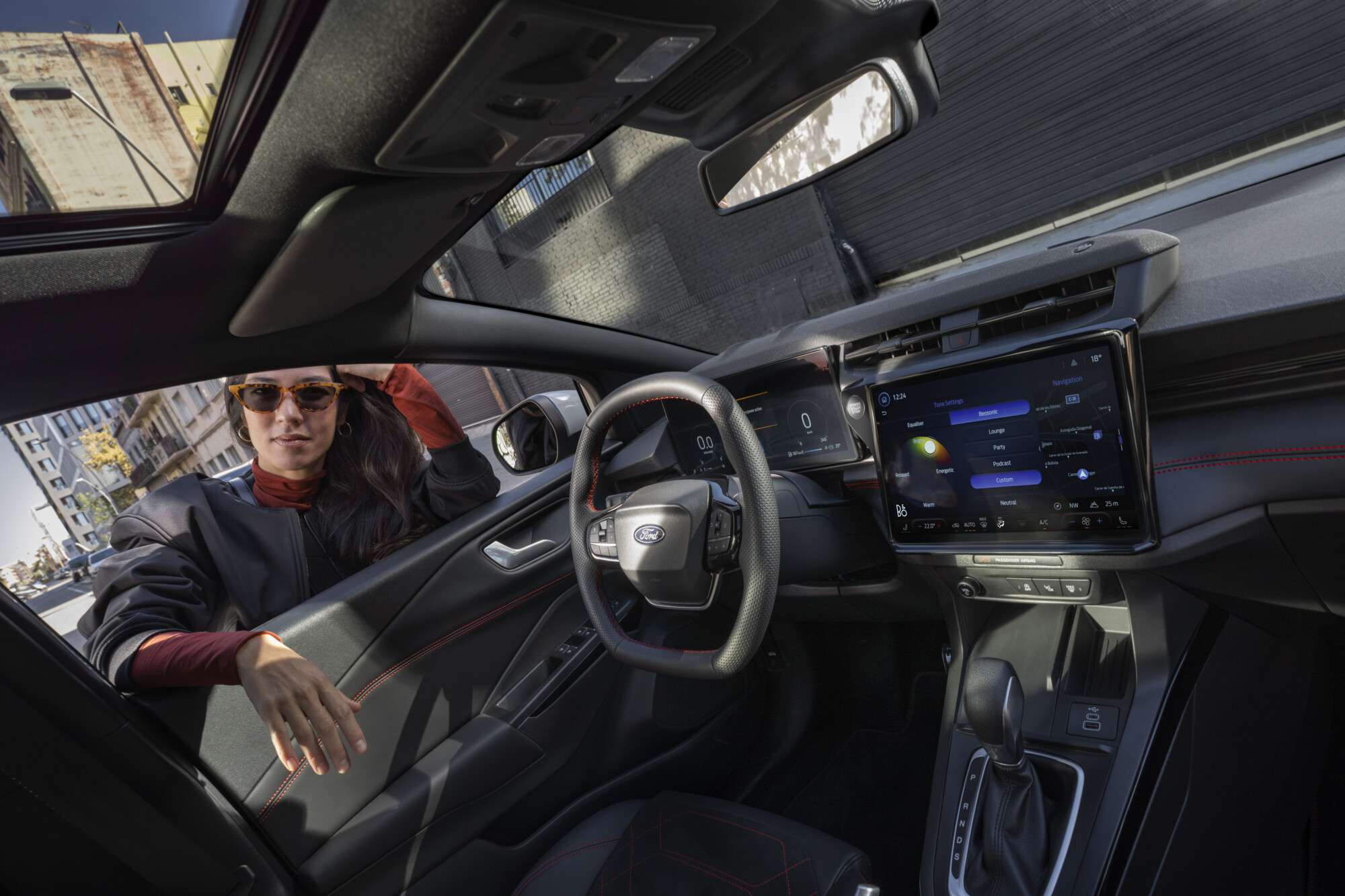
Testing cameras and sensors
The reversing camera can fail after 40,000 to 60,000 kilometres. The causes are moisture or broken cables in the tailgate. Test all cameras and sensors during the test drive. Also check the parking assistance and blind spot monitoring. Inspect the cables in the tailgate for damage and look for condensation in the camera lenses.
Sensor problems are regularly reported by owners. They can lead to unnecessary warnings or failure of safety systems. Repairs cost between €150 and €500, depending on the component.
Practical checklist for the inspection
Use this checklist to make sure you don’t overlook anything during your inspection:
- Engine: check cooling, timing belt and lambda sensors. Risk between 10,000 and 80,000 km. Costs €500 to €3,000.
- Start-stop and battery: test function, fuses and 48V voltage. Risk between 10,000 and 15,000 km. Costs €200 to €800.
- Transmission: watch for jerks and ask about oil changes. Risk between 20,000 and 40,000 km. Costs from €1,000.
- Roof and interior: look for leaks and water marks. Risk between 25,000 and 35,000 km. Costs €300 to €1,000.
- Cameras and rust: test image and inspect for corrosion. Risk from 40,000 km. Costs €150 to €500.
- Electronics: check infotainment and central locking. Varying risk. Costs €100 to €400.
Test drive and history
Go for an extensive test drive. Start the car from cold and then drive it up to temperature. Test the car in town and on faster roads. Practise reversing into a parking space to check all systems. Ask for a complete service book and watch out for the risks of imports. Imported cars often show higher wear.
If in doubt, have an ANWB inspection carried out (or a comparable motoring organisation check in your country). Visiting a dealer for a professional inspection is also an option. An OBD scan (On-Board Diagnostics, the car’s diagnostic system) reveals hidden fault codes. These can predict problems. This investment prevents expensive surprises after purchase.
‘ Professional servicing every 15,000 kilometres prevents many problems. ’
Maintenance as the best prevention
The Ford Puma has some known weak points. Overall, though, the model scores as reliable. Professional servicing every 15,000 kilometres prevents many problems. It also extends its lifespan. Proactively replace the battery on mild-hybrid models. Check the cooling system regularly.
Owners on forums and Reddit emphasise that the mild-hybrid system does not save a huge amount of fuel, but that the car is great to drive. Older Pumas rust quickly in damp climates. Inspect the underbody extra thoroughly if the car has been used in damp conditions. With the right checks, you can buy a fun, low-trouble daily driver. An honest seller is essential.
On the Carnews website you can find much more information about common car problems. You will also find maintenance tips and buying advice for different makes and models. Discover which other Ford models have known weak points and how to recognise them. Read up further and make a well-informed choice for your next purchase.
Frequently asked questions
With the Ford Puma with 1.0 EcoBoost MHEV, the main issues are with the cooling system (leaks/water pump), which can cause the engine to overheat, and with the relatively fragile timing belt that sometimes wears prematurely. The 48V mild-hybrid system can cause faults in the start-stop system due to a weak or defective 48V battery or sensors, which shows up as irregular or non-functioning start-stop. There are also reports of software and electronic malfunctions (infotainment, dashboard warning lights) that can affect the hybrid control. When buying, have the coolant and belt checked, have an OBD diagnosis carried out, and check the condition of the 48V battery and whether software updates have been installed.
Check the shock absorbers, control arms, bushes and anti-roll bars for play, leaks and uneven wear, especially on cars that have been driven hard or lowered. Inspect the underbody (subframe, suspension mounting points and floorpan) for cracks, bent parts and oil leaks around the engine and gearbox. For rust, pay particular attention to wheel arches, sills, rear axle mounting points and the edges of the floor panels; if possible, use a ramp to inspect the entire underside. Also check brake lines, exhaust and heat shields for rust and flaking layers, as sporty use and moisture accelerate this.
With the newer Ford Puma (from 2019 onwards) the main problems are software issues with the SYNC infotainment system, failing cameras/sensors and faults in the start-stop/mild-hybrid system; check that all updates have been carried out and test all electronic functions thoroughly. On older Pumas (1997–2003) there are known problems with ignition coils, electrical components for the heating/ventilation and central locking. Ford has issued service actions and updates for some EcoBoost engines and electronic systems, so ask a dealer whether all recalls and software updates have been completed. During the test drive, explicitly test dashboard lighting, infotainment, cameras, sensors, windows, locks and the start-stop system.
Ask for a fully completed and stamped service book (or digital history) and check whether major services, oil changes and timing belt replacements were carried out roughly at the recommended intervals. Compare the mileage with wear on the steering wheel, pedals, driver’s seat and gear lever: at low mileages, wear should be minimal. Walk around the car and check for colour differences in the paintwork, poorly fitting bumpers and doors, rust spots and glass with different production dates as indications of (poorly repaired) damage. Finally, have an independent pre-purchase inspection or OBD diagnosis carried out to identify hidden engine management or electronic problems.