

A used Nissan Juke offers driving pleasure and a high seating position for an attractive price, but only if you check the right things. The service book, timing chain, possible water leaks and the condition of the transmission determine whether you are buying a reliable car or a magnet for money worries. Read on and discover what you really need to pay attention to during the inspection.
Why the service book is your best friend
The service book tells the story of the car. With a used Nissan Juke you mainly want to see that the oil services have been carried out properly. Missed services are a red flag, because this directly affects the service life of the engine and the timing chain. Most problems with a Nissan Juke are caused by neglected maintenance.
Check whether the car has had a major service at around 95,000 kilometres. Many owners skip this moment, even though this is exactly when important components need to be checked thoroughly. A fully completed service book with stamps from authorised dealers or trustworthy independent garages inspires confidence. If the book is missing or there are gaps in the service history, you are better off continuing your search for another Juke.
‘ “Repairing a timing chain is expensive, so if in doubt, turn around immediately.” ’
The timing chain deserves extra attention
The Nissan Juke has a timing chain instead of a timing belt. This sounds attractive because a chain should in theory last longer, but in practice a worn chain can cause a lot of damage. With poor maintenance or infrequent oil changes, the chain can start rattling or, in the worst case, break.
During the test drive, listen for strange noises when starting and accelerating. A rattling sound from the engine on a cold start often points to a worn chain or chain tensioner. This issue occurs regularly with Jukes that have a higher mileage or an unclear maintenance history. Repairing a timing chain is expensive, so if in doubt, turn around immediately. Ask the seller whether the chain has recently been checked or replaced.
Water leaks in the interior
A common problem with the Nissan Juke is water ingress. Some owners report damp on the floor mats or in the boot, especially after heavy rain. The cause is often aged or damaged rubber seals around the doors and tailgate, or blocked drainage holes.
During the inspection, check the following:
- Feel the floor mats to see if they are damp
- Look under the seats for water marks or rust
- Open the boot and check the floor and sides for moisture
- Smell whether there is a musty odour inside the car
Water in the car can lead to mould, electrical faults and rust. These are expensive problems. Fixing them is often costly and labour‑intensive. If you notice any water ingress, you can either use it as a bargaining chip on the purchase price or simply walk away.
Manual and automatic transmissions need care
The Nissan Juke is available with a manual gearbox or a CVT automatic. The manual is generally reliable, but the automatic deserves extra attention. CVT transmissions can show jerky or shuddering behaviour at high mileage or with poor maintenance.
Test the automatic thoroughly during the test drive. Watch out for jolts when pulling away, strange slipping behaviour or vibrations while it is changing ratio. Some owners report that the automatic hesitates slightly on a cold start before it responds properly. Slight delay can be normal, but clear faults point to wear in the transmission.
Avoid Jukes with an automatic and high mileage unless you have proof of regular transmission maintenance. The CVT fluid needs to be changed on time, otherwise the risk of failure increases rapidly. Ask the seller about the maintenance history of the automatic and have it documented.
‘ Worn shock absorbers reduce ride comfort and safety, especially in corners. ’
Checking the suspension and running gear
The Nissan Juke is known for its long suspension travel, which provides a comfortable ride, but over the years the suspension can start to creak. This happens especially in cold weather when the rubber bushes stiffen up. Creaking suspension is difficult to fix and can point to worn bushes or shock absorbers.
During the test drive, go over a speed bump or a bumpy road. Listen for creaking or knocking noises from the running gear. Also check whether the car remains stable and does not bounce excessively. Worn shock absorbers reduce ride comfort and safety, especially in bends.
Look at the tyres and wheel size. Jukes with 19‑inch wheels look spectacular, but ride more harshly and less comfortably than versions with 17‑inch wheels. For everyday use, the smaller wheel size is more pleasant. Also check the tyre wear for uneven patterns, as this can indicate alignment problems.

Reliable model years and engine variants
The most common and best choice is the 1.0 DIG‑T three‑cylinder with 117 hp paired with a manual gearbox. This engine offers a good balance between character and reliability. In addition, the 1.2‑litre petrol engine is a solid option, especially with an automatic, with average fuel consumption of about 14 km per litre.
2017 models with the 1.2 Connecta trim and around 55,000 kilometres on the clock are popular and often available from around 15,000 euros at dealers. This model year benefits from improvements Nissan introduced over the years. Avoid pre‑2012 examples if you want extra peace of mind, as later years suffer less from early production teething troubles.
The supply consists mainly of petrol models. Diesels and automatics are less widely available. Bear in mind that the Juke can be relatively thirsty, especially with a sporty driving style. Count on realistic consumption of 12 to 14 km per litre, depending on the engine and driving conditions.
Practical points for the inspection
Take your time during the inspection to systematically check all important points. A checklist helps ensure you do not forget anything:
- Service book fully completed and stamped
- Timing chain free from rattling noises
- No water leaks in the interior or boot
- Transmission changes smoothly without jolts
- Suspension does not make creaking noises
- Engine oil clean and at the correct level
- No peeling paint on gear knob or dashboard
Test the car in different conditions. Drive both in town and on the motorway, take corners and brake firmly. Try all the functions, from the air conditioning to the infotainment system. Some Jukes have software issues or glitchy electronics, so test all buttons and screens.
Ideally buy from a dealer, possibly of another brand, because they often offer competitive prices and provide a warranty. Nissan itself offers a standard 3‑year or 100,000‑kilometre warranty, 3‑year paint warranty and 12‑year anti‑corrosion warranty on new cars, but this often does not fully apply to used cars. Ask about any remaining warranty and possible extensions.
‘ Higher trim levels offer more luxury and gadgets, but also increase the risk of electronic faults. ’
Prices and availability on the used market
The cheapest used Nissan Jukes start at around 10,000 euros. These are often older models with higher mileage. More recent examples with low mileage cost up to 25,000 euros. Supply is plentiful, so take your time to compare and be critical.
Pay attention to the trim level. The Connecta version offers a good basic specification without too high a purchase price. Higher trims have more luxury and tech features, but also increase the chance of electronic failures. Keep your budget realistic and factor in servicing and possible repairs in addition to the purchase price.
Space and everyday practicality
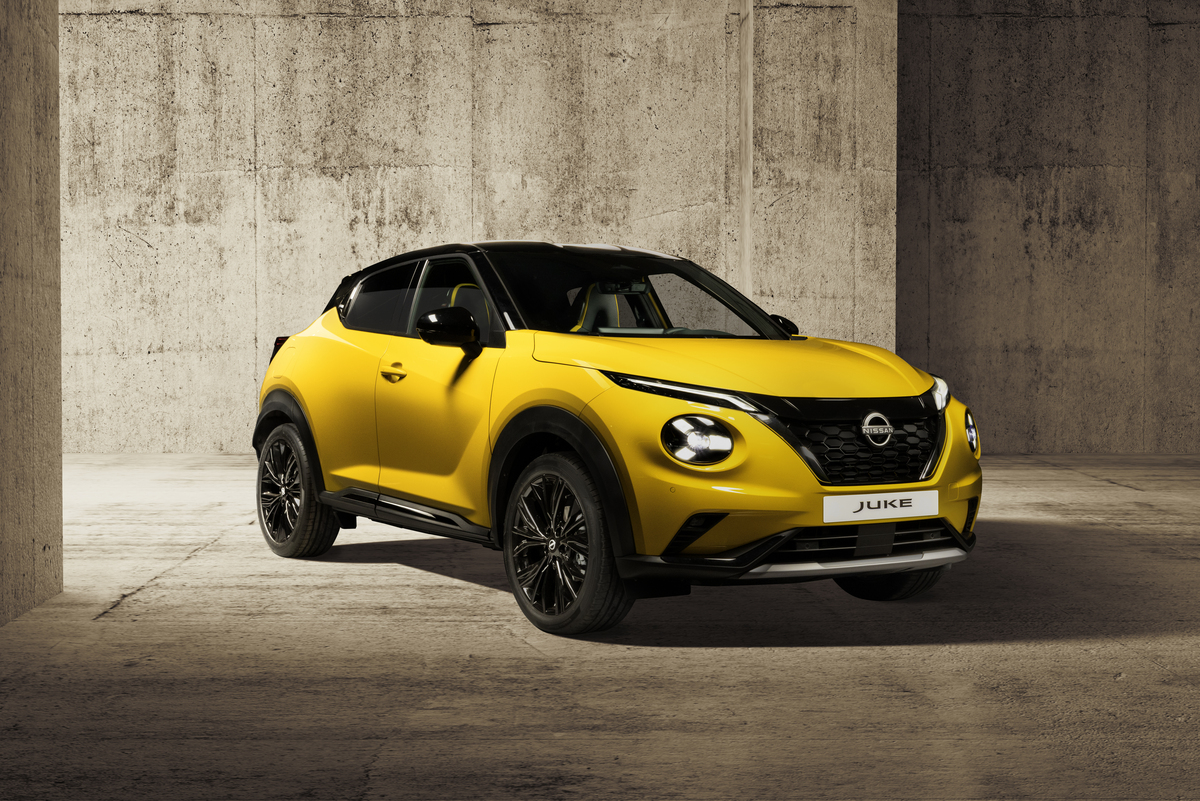
The Nissan Juke has a distinctive design with a high seating position, but boot space is limited to 354 litres. The rear is cramped, especially for taller passengers. The small windows and black headlining can create a claustrophobic feeling. In the front, space for two people is fine.
If you often use the car fully loaded or regularly drive with four adults, the limited space can be an issue. The Juke is mainly suitable for couples or small families who use the car primarily for everyday urban driving. The 1,250‑kilogram towing capacity is definitely usable for a light trailer or small caravan.
Common minor annoyances
Besides the major points of attention, there are a few smaller issues that occur regularly. Some owners report peeling paint on the gear knob, creaking plastic parts in the dashboard and sometimes a musty‑smelling air conditioning system. These problems are not immediately dangerous, but can be irritating in daily use.
The ergonomics of the interior are striking, with a centre console shaped like a motorbike tank. Not everyone appreciates this design. During the test drive, check whether the controls feel pleasant and whether you can easily reach all the buttons. Comfort and ease of use are personal, so take your time for a decent test drive.
On the Carnews website you will find more detailed information about common problems, maintenance tips and experiences from other Juke owners. Discover which other models suit your situation and compare specifications, prices and reliability.
Frequently asked questions
For a driving enthusiast looking for a dynamic experience, the most interesting versions are the Nissan Juke with the 1.2 petrol engine and the 1.0 DIG‑T three‑cylinder with 117 hp (manual). These offer sufficient power, a lively character and suit the Juke’s playful chassis well. In particular, the 1.0 DIG‑T 117 hp with manual gearbox is seen as the best balance between dynamism and everyday usability.
With first‑generation Nissan Juke models there are a few known points to look out for: watch for excessive fuel consumption and jerky or hesitant driving behaviour, especially in cold weather. Check the suspension for creaks and knocks, and make sure there is no peeling paint on, for example, the gear lever or interior panels. The rear passenger space and boot are limited and can feel very cramped or claustrophobic, so test this properly during the test drive. Avoid examples with an incomplete maintenance history, and specifically check for services carried out on time and careful treatment of the suspension and wheels (preferably no large 19‑inch alloys if comfort is important).
For a sporty driver, a Nissan Juke Nismo (RS) can mainly be a “good investment” in terms of driving pleasure and experience, but not necessarily in terms of rising financial value or low running costs. Pay particular attention to the condition of the engine and turbo (oil consumption, smoke, cold start), the gearbox/clutch or automatic (shifting under full load, slipping, strange noises) and the brakes and suspension (pulling to one side, vibrations, creaks). Also check the condition of the larger sport wheels and tyres (uneven wear, wheel damage) and look under the car for any damage to the running gear or exhaust caused by enthusiastic driving. Finally, a complete and preferably dealer‑maintained service history is crucial, as these cars are often driven hard and may have been tuned.
The maintenance costs of a used Nissan Juke are broadly on the same level as those of other popular crossovers in this segment, provided the maintenance schedule has been strictly followed. Reliability is generally rated as good to very decent, comparable with many rivals, although there are some known minor issues (creaking suspension, occasional hesitation, cosmetic niggles). Compared with some Asian competitors that offer longer factory warranties (such as Kia/Hyundai), the Juke is slightly less attractive in terms of warranty, but it is not demonstrably more failure‑prone. More important than the brand difference is the individual maintenance history: a well‑documented Juke usually does not lag behind other crossovers in terms of reliability and running costs.