

The Volvo XC60 is a reliable mid-size SUV with an excellent reputation for safety and comfort. However, this popular Swede also has weak spots you need to look out for. When buying used, always check the transmission, EGR valve (exhaust gas recirculation valve), suspension and electronics, and be extra alert to wear on high‑mileage diesel models. With the right checklist you can avoid costly surprises after the purchase.
Which XC60 generation suits you
The Volvo XC60 is available in two generations, each with its own character and price level. The first generation (2008-2017) is built on proven technology and offers a wide choice on the used market. Cheap diesel examples with more than 300,000 kilometres start at around €6,500 to €9,000. Petrol versions with less than 200,000 kilometres cost between €16,500 and €18,000.
The second generation (2017-present) is more modern and more luxuriously equipped with state-of-the-art safety systems. These models are more expensive, with entry prices from €25,000. For this generation, look for well-equipped examples with low mileage. For both generations the following applies: a complete service history is the most important buying criterion. Also check which Volvo XC60 model years are known for specific issues.
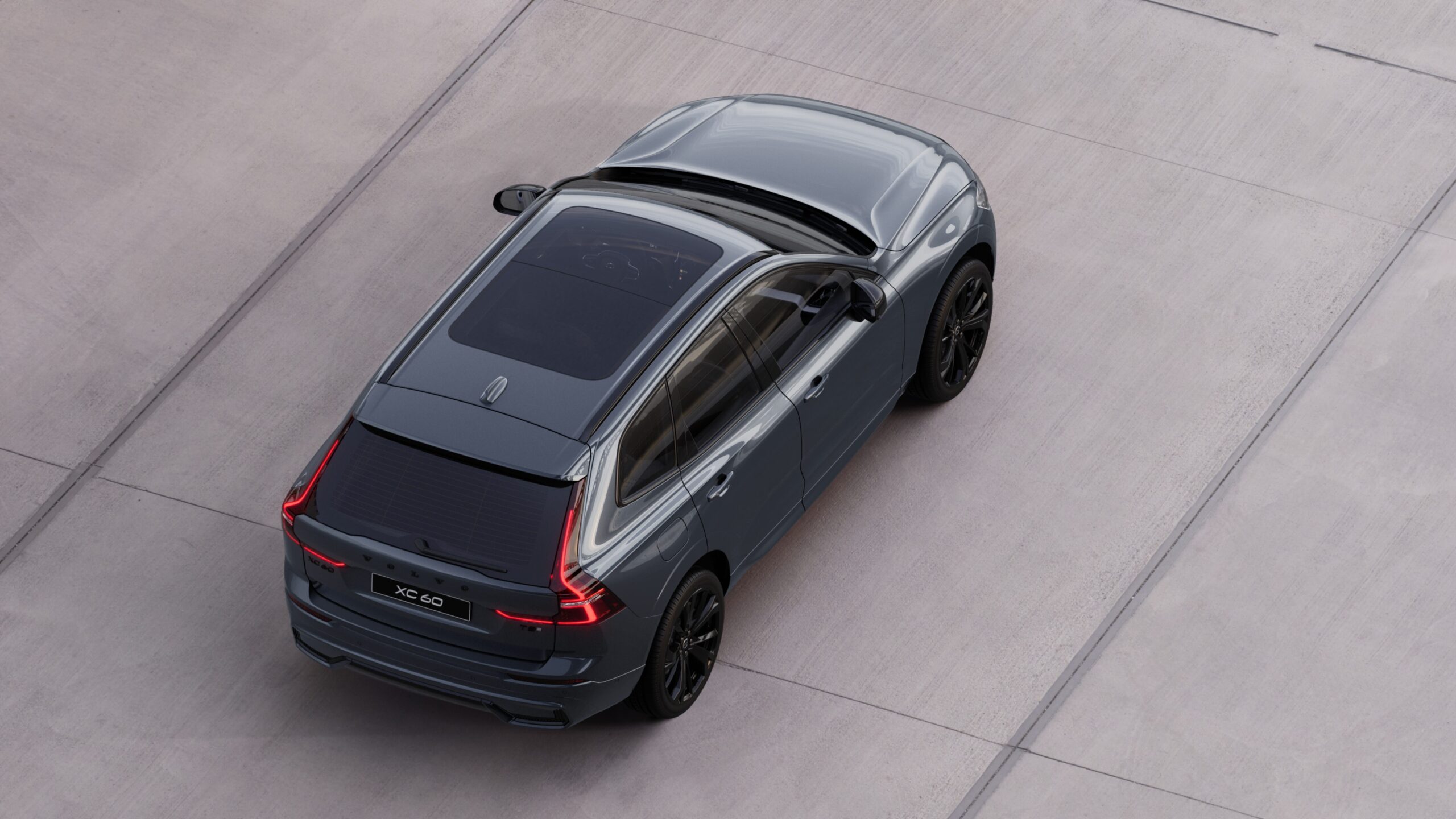
‘ The panoramic roof is popular but prone to leaks. ’
Weak spots you need to check
A well cared-for XC60 gives itself away quickly. The condition of the interior and exterior says a lot about how the previous owner treated the car. During the inspection, take a thorough look at a number of technical points.
Checking the transmission and drivetrain
The automatic gearbox is a point of attention in the first generation. During the test drive, feel whether the gear changes are smooth. Hesitation, delayed responses or jolts may indicate wear. On models with four-wheel drive, the AWD pump is susceptible to faults. Always have this system checked by a Volvo specialist, as repairs can quickly run into the thousands of euros.
EGR valve and particulate filter on diesels
Diesel engines in the XC60 are durable, but they do require proper maintenance. The EGR valve (exhaust gas recirculation valve) can become clogged, especially on cars that have mainly done short trips. This leads to an irregular engine idle and increased fuel consumption. The diesel particulate filter (DPF) also deserves attention. Ask whether the filter has been regenerated regularly and check whether the service history shows moments where the filter was cleaned while driving.
Suspension and chassis
During the test drive, feel for vibrations in the steering wheel. This may indicate buckled rims or imbalance in the wheels. Check the suspension bushes for cracks. XC60 models that have regularly been used in areas where road salt is common can show rust on the chassis. Therefore inspect the underbody thoroughly, especially on first-generation examples.
Electronics and safety systems
Modern Volvos are packed with advanced electronics. During the test drive, test all systems, from the adaptive cruise control (speed and distance control) to Lane Departure Warning (warning when you unintentionally leave your lane). The autonomous emergency brake (AEB, Automatic Emergency Braking) and City Safety with steering assistance are complex and expensive to repair. In the second generation, infotainment bugs can occur in the Sensus Connect system (Volvo’s infotainment system). Also check that Apple CarPlay (Apple smartphone integration) and Android Auto (Google smartphone integration) work properly.
The panoramic roof is popular but prone to leaks. Inspect the seals and drainage channels for blockages. In the second generation, manufacturing defects sometimes occur in the door mounting, which can be heard when closing.
Which engine choice makes sense
Diesel engines are popular because of their durability and low fuel consumption. They are ideal for drivers who cover a lot of miles. Do note: cheap high‑mileage used diesels require extra attention to the DPF (diesel particulate filter) and EGR valve (exhaust gas recirculation valve). Petrol versions often have lower mileage and offer a smoother driving experience. On neglected examples, the turbo deserves extra checks.
The T8 Recharge hybrid version (plug-in hybrid model) combines a petrol engine with electric drive. This version is especially popular in the second generation. The condition of the battery is crucial for its value. Have this checked via an OBD scanner (diagnostic device that reads the car’s fault codes) or via Volvo diagnostics before you buy.
Problems by generation
The first generation regularly suffers from issues with the electronics and complaints about the automatic gearbox. Rust on the chassis occurs on cars that have been used in areas with a lot of road salt. The second generation has fewer problems, but infotainment bugs, leaks from the panoramic roof and door alignment issues do occur. The engines of this generation generally cause few complaints, thanks to the modern SPA platform.
On both generations, tyre pressure sensors frequently fail. The air conditioning compressor can also fail at high mileage. These faults are not dramatic, but they do require a budget for repairs.
‘ Owners report that hidden defects such as a faulty AWD pump can cost thousands of euros. ’
Owners’ experiences
Volvo forums and online communities emphasise the importance of a dealer check before buying. Owners report that hidden defects such as a faulty AWD pump can cost thousands of euros. According to users, diesels with more than 250,000 kilometres still run excellently, provided the timing belt has been replaced on time. Petrol versions feel fresher and receive praise for their ride comfort and space.
There is criticism of the high maintenance costs of ex-lease cars. A motorway test drive is, according to owners, essential to test the adaptive cruise control (speed and distance control) and steering assistance. Interior wear is clearly visible, so inspect the seats and dashboard thoroughly. Use an OBD scanner (diagnostic device that reads the car’s fault codes) to track down hidden fault codes.
Smart buying tips for a low-risk deal
In addition to your purchasing budget, set aside an extra 10 to 20 percent for immediate repairs. This gives you financial room for minor defects that come to light after the inspection. Preferably choose a second-generation model with Apple CarPlay (Apple smartphone integration), Android Auto (Google smartphone integration) and multi-zone climate control. These versions are more future-proof and retain their value better.
Always have the car inspected by an independent organisation such as the ANWB or DEKRA, and have a Volvo specialist take an additional look. Models with a complete service history and low mileage hold their value well. The XC60 depreciates more slowly than comparable SUVs such as the Audi Q5 or BMW X3, and scores better on safety and comfort.
Focus on well cared-for used cars with a complete service history. Avoid cars with an unclear past. A well-maintained XC60 is reliable and will last for years without major problems.
Find out more about the Volvo XC60
Download our free XC60 purchase inspection checklist with all the inspection points clearly arranged. Do you want to compare your specific model year? Read our article on common Volvo XC60 problems by model year and find out which versions are the most reliable.
Frequently asked questions
The four-cylinder Drive-E petrol engines (such as the T4/T5 in the second-generation XC60) and the modern D4 diesels are generally well regarded for their combination of performance and reliability, provided the maintenance is fully up to date. The later T8 plug-in hybrids are usually trouble-free with proper maintenance too, although the battery and hybrid technology do require extra checks. On the first generation, you need to be extra critical of older, heavily used diesels (especially those with many short trips because of DPF/EGR issues) and of automatics with an unclear or neglected oil change history. It is also wise to avoid examples with numerous electronic faults, neglected turbos or leaks from the panoramic roof.
For an enthusiast, versions such as **R-Design** and **Inscription** are interesting because of their sportier seats, better steering wheel, often larger alloy wheels, adaptive (LED/Xenon) headlights and richer specification (such as a better audio system, adaptive cruise control and extended safety systems). Look for options such as **all-wheel drive (AWD)**, **adaptive suspension** and a well-equipped infotainment system (Apple CarPlay/Android Auto, premium audio), as these enhance the driving experience and make the car more future-proof. The **Polestar optimisation** (software tuning) is a nice bonus: more power and sharper throttle response, provided it is demonstrably dealer-installed and backed by a maintenance history. Finally, always check for a complete service history, fully functioning safety systems and any extras such as a panoramic roof and electric/heated seats.
On the first-generation XC60 (2008-2017) the most common issues are electronic faults, problems with the automatic gearbox and corrosion on the chassis; during the test drive check the shift behaviour, warning messages and any unusual rust. On the second generation (from 2017) known points include infotainment bugs (Sensus), leaks or creaks from the panoramic roof and poorly adjusted doors. For all generations, turbo wear, DPF/particulate filter problems on diesels and a weak air conditioning compressor at high mileage are things to watch for. Ideally, have a brand dealer or Volvo specialist carry out a comprehensive diagnostic test to detect hidden electronic and drivetrain problems.
Parts for older Volvo XC60 models are generally readily available from Volvo itself, from specialists and from aftermarket suppliers, and prices are mid-range for the premium segment. Expect higher costs for complex electronics, automatic gearboxes and safety systems, but regular wear parts (brakes, filters, suspension) are reasonably priced. Many owners handle basic jobs themselves, such as oil and filter changes, brake pads, cleaning the panoramic roof drain channels and reading fault codes with an OBD scanner. For software updates, automatic transmissions, complex electronics and safety systems, a main dealer or Volvo specialist is strongly recommended.
The Volvo XC60 is known for depreciating relatively slowly, partly thanks to its strong reputation for safety, comfort and reliability. Second-generation models (from 2017) generally retain their value best, especially well-equipped petrol and hybrid versions with low mileage. The most important factors for value retention are a complete service history, popular engine variants, the condition of complex options (such as the panoramic roof and infotainment) and the overall care of the interior and exterior. Older first-generation diesels with high mileage lose value noticeably faster, whereas well-maintained petrol examples with fewer miles hold their value better.