
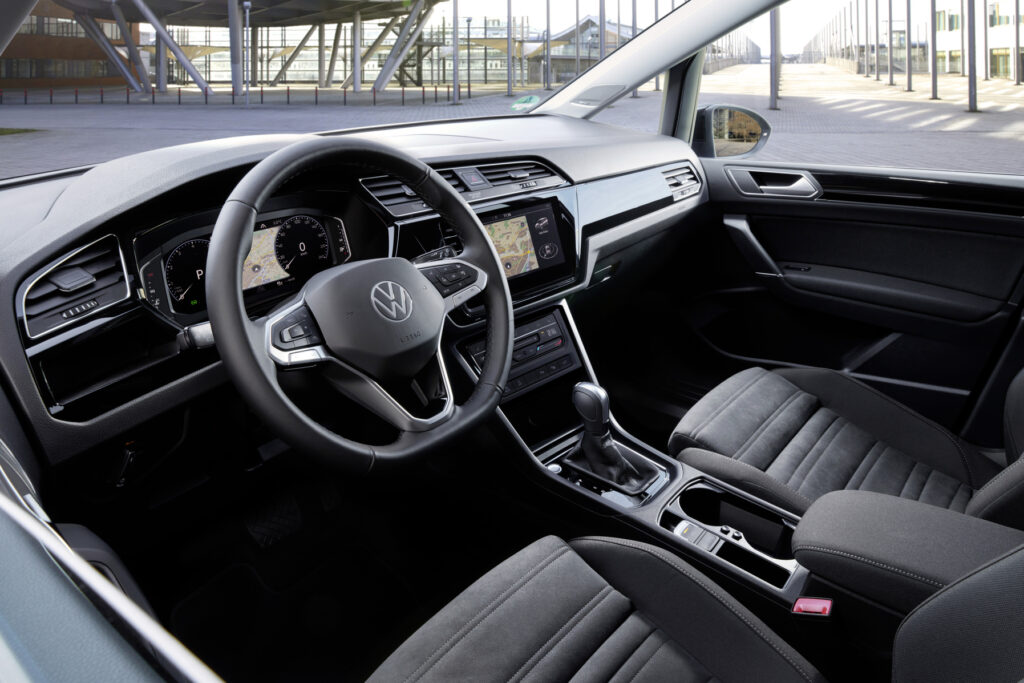
The Volkswagen Touran is a reliable family car, but with used examples, specific engine issues and technical quirks can lead to unexpected repair bills of thousands of euros. By checking the timing chain, oil consumption, DSG automatic gearbox (dual-clutch automatic transmission) and engine overhaul history in a targeted way, you can avoid most pitfalls. These checks not only save you money, but also a lot of frustration.
The Volkswagen Touran is known as a spacious and practical MPV for families who value comfort and reliability. However, for used models from the 2003–2015 period there are typical Volkswagen Touran problems that require extra attention. With the right knowledge you can buy a family car that will last for many years.
This article covers the most common technical problems by generation, gives concrete buying tips and helps you put together a thorough inspection checklist. That way you know exactly what to look out for during the test drive and which questions to ask the seller.
Typical weak points of the first-generation Touran
The Touran I from the 2003–2015 period has a number of recurring problems. The most costly issue concerns the timing chain on TSI engines. This chain stretches due to wear, which can lead to engine damage. Weak tensioners make this problem worse. For used cars with a TSI engine, always check whether the chain and tensioners have been replaced preventively.
Another common noise is rattling from the dual-mass flywheel. This is noticeable when starting and shifting. Replacement will quickly cost more than a thousand euros, but the rattling itself does not immediately cause further damage. Still, you should take this into account when negotiating.
With diesel models, pay extra attention to the 1.9 TDI variant. On this engine type, turbos and flywheels tend to fail earlier than expected. Only buy this engine with a warranty or if the parts have been replaced recently. Check the service history carefully for repairs that have been carried out.
Cooling system and electrical faults
A cooling fan that keeps running after the engine is switched off points to a faulty module. If you do not notice this in time, it can lead to a flat battery. White smoke from the exhaust often indicates problems with the exhaust gas control system. Both repairs can turn out to be expensive.
The oil level sensor has a typical fault pattern that blows fuses and in some cases even blocks the engine from starting. At the first signs of an incorrect oil level reading, you should have the sensor checked. This prevents you from suddenly being stranded.
‘ This problem occurs regularly and requires the part to be replaced. ’
What needs attention with the second generation?
The Touran II from 2015 onwards has fewer model-specific issues, but it does have engine-specific quirks. The 1.0 three-cylinder TSI suffers from a failing throttle body that limits the engine to 1,100 rpm. This problem occurs regularly and requires the part to be replaced.
In addition, loose bolts on the camshaft adjuster can cause a ticking noise. This sound is especially noticeable when starting from cold. During the test drive, have this checked by waiting until the engine is warm and then starting it again.
With the 1.4 TSI engine, the turbo hose sometimes pops off. You will recognise this from a loud bang and whistling sounds under the bonnet. False oil pressure warnings also occur due to a clogged filter caused by overdue servicing. Always ask for the service schedule and check whether the filters have been replaced on time.
Concrete buying tips for a reliable used car
Start with a thorough check of the service history. Look specifically at oil changes, replacement of the timing chain and any engine overhauls. A complete service record from an authorised brand or specialist garage is a strong sign of careful maintenance.
Always schedule an extensive test drive. While driving, listen out for rattles, ticking noises or strange whistling sounds. Test the cooling fan by parking for a moment and checking whether it switches off within a few minutes. Watch the dashboard for oil pressure or engine warnings.
Engine variants and their reliability
Older TSI and FSI engines without proven chain replacement are a risk. The 1.6 petrol engine is solid and technically reliable, but offers limited performance for a fully loaded family car. Diesel engines are robust for long distances, but the turbo is sensitive to poor maintenance.
The DSG automatic gearbox can be a little slow to respond at low speeds, but generally drives comfortably. During the test drive, check that the gearbox shifts smoothly and does not hesitate when pulling away or accelerating.
Checklist for the inspection
Ask the seller to show you the following documents and components:
- Complete service history with service invoices
- Proof of timing chain replacement on TSI engines
- Status of flywheel, turbo and EGR valve (exhaust gas recirculation valve) on diesels
- Recent check of brake discs, springs and exhaust
- Condition of oil and filters
Consider a pre-purchase inspection by an independent garage. This costs a few dozen euros, but can reveal thousands of euros in hidden defects. Have them specifically check the flywheel, turbo and EGR system (exhaust gas recirculation system).
Maintenance tips after purchase
Fresh oil and a new filter immediately after purchase prevent around 80 per cent of engine problems. If you are unsure about the service history, use an engine cleaner to remove baked-on deposits. This improves lubrication and extends the engine’s lifespan.
Regularly check bolts, hoses and the cooling fan. Small checks save you large garage bills. Schedule a service every 15,000 kilometres at a reliable garage, even if the car has been bought recently.
Prefer models with low mileage and dealer warranty. This gives extra peace of mind, especially if you choose a TSI engine with higher risks of chain problems.
‘ This way you avoid expensive surprises and enjoy a reliable, practical family car for many years to come. ’
Is the Touran reliable as a family car?
With the right checks and attention to known weak spots, the Volkswagen Touran is an excellent choice. Owners appreciate the smooth driving characteristics and the spacious cabin. They also report unexpected costs for brakes and exhaust. Diesel versions perform well on long journeys, but require careful maintenance of the turbo.
When buying, focus on models with a proven service history and always have any technical doubts checked by a professional. This way you avoid expensive surprises and enjoy a reliable, practical family car for many years.
On the Carnews website you will find much more information about Volkswagen models, common car problems and practical tips for buying used cars. Discover more articles and deepen your knowledge about reliable family cars.
Frequently asked questions
With the TSI engines, problems mainly occur with the timing chain (stretching and poor chain tensioners), rattling from the dual-mass flywheel and sometimes turbo hoses coming loose or ticking camshaft adjusters. On the TDIs, a prematurely wearing dual-mass flywheel and turbo problems are well-known sources of expense. During a test drive, listen out for rattling or ticking when starting from cold and at idle, whistling or blowing noises when accelerating (turbo/turbo hose) and vibrations when pulling away or shifting (flywheel). Also check the oil level and oil-change history, any warning messages on the dashboard and, if in doubt, have a pre-purchase inspection carried out with special attention to timing drive, turbo and flywheel.
With a DSG in a Touran, look out for juddering when pulling away, knocking or vibration when accelerating, hesitation when moving off and when changing between gears, and rattling or scraping noises at low speed or in D/R. During a test drive, gear changes should be smooth, without any sensation of slip or sudden surges in revs; in stop-start traffic and when parking, the gearbox should not respond jerkily or unpredictably. Crucial in the service history are verifiable DSG oil changes (usually every 60,000 km), any replacement of the dual-mass flywheel and/or mechatronic unit, and regular servicing by the dealer or a specialist. Missing or irregular DSG servicing, or vague invoices relating to transmission repairs, are strong reasons to walk away from the car.
On the Touran I (2003–2015), worn springs, exhaust parts and front brake discs occur relatively often, so check the suspension and brakes carefully for wear and rust. In terms of electronics, the oil sensors and cooling fan control are known weak points, which can lead to starting problems or a fan that keeps running continuously. On the Touran II there are fewer known type-specific chassis issues, but it is still sensible to take an extensive test drive to listen for rattles or irregular behaviour from the suspension and steering. If in doubt, have a pre-purchase inspection carried out with emphasis on suspension components, brakes and error codes in the electronic systems.
Crucial are timely replacement or demonstrably good condition of the timing chain (TSI), dual-mass flywheel, turbo (diesel), oil sensor and regular oil changes at the correct interval. Check the service history for timing or other drive-belt work, flywheel and turbo reports, and whether oil and filters have consistently been changed on time. During a test drive, you should listen for rattling when starting from cold, vibrations when accelerating, a whistling turbo or ticking noises from the engine. Finally, have a pre-purchase inspection carried out in which timing chain stretch, flywheel play, turbo boost and fault codes in the engine management system are specifically checked.