
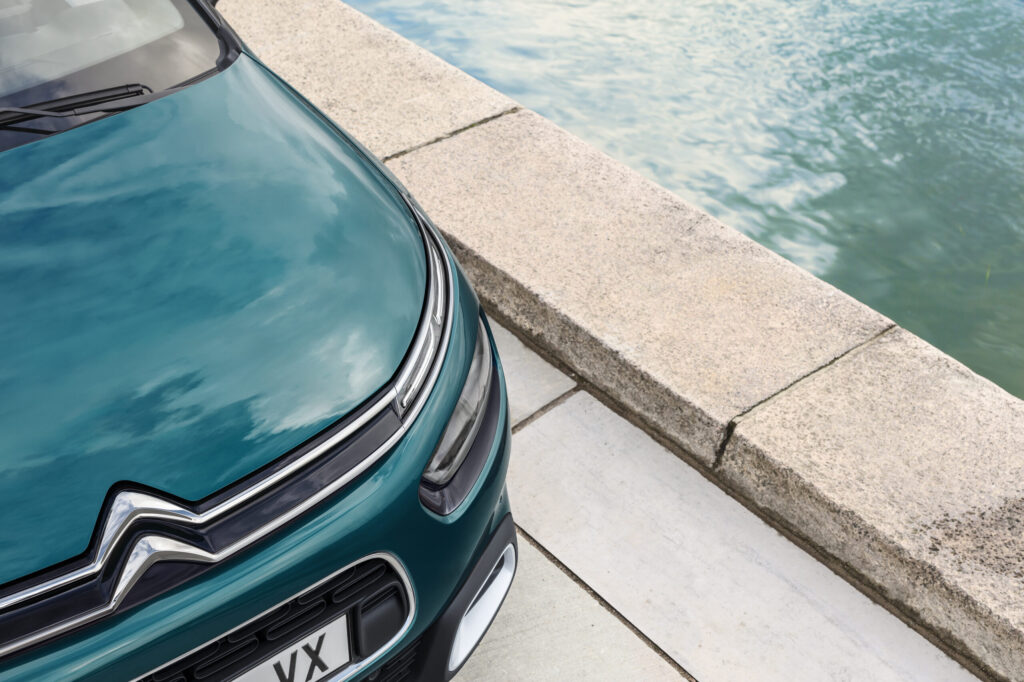
The used Citroën C4 may look like an affordable family car with an average asking price of around €16,395. There are risks lurking under the bonnet. Problems with the timing chain, oil consumption and electronics occur regularly. This is especially true for models built between 2010 and 2014. Check these points thoroughly before you decide to buy. Poor maintenance can lead to costly repairs.
Checkpoints for a used Citroën C4
The Citroën C4 has several generations and versions. Each has its own technical quirks. When buying a used car from 2010-2022, certain checkpoints are crucial. Newer models after 2014 are generally more reliable. Changes in production and improved technology make the difference.
The most common problems are concentrated around four areas: the timing chain, oil consumption, the thermostat and rust. These points deserve special attention during your inspection. If in doubt, it is sensible to have a used car inspected by an independent garage. Definitely do this if the service book is incomplete.
Timing chain: the biggest risk factor
The timing chain is a frequent problem on older C4 models. With insufficient or delayed servicing the chain can stretch. This results in rattling noises when starting. In severe cases the chain breaks. Engine damage is then the result. That can cost thousands of euros.
Watch out for the following signs:
- Rattling noise from the engine bay when starting
- Rough or uneven idling
- Incomplete service history
- Mileage above 100,000 kilometres with no replacement
Always ask for proof that the timing chain has been replaced. Also ask for proof that the chain tension has been checked. Check whether the car has been serviced according to the prescribed schedule. Regular oil changes significantly extend its lifespan.
The most reliable Citroën C4 engines
Your choice of engine determines how reliable your used car will be. The 1.6-litre THP petrol engine with 110 kW (155 bhp) is popular thanks to its economical fuel consumption and good pulling power. It is particularly handy in city traffic. This engine performs well with regular servicing. Do keep a close eye on the oil level.
Older models from before 2010 also have 1.8-litre and 2.0-litre petrol engines. These are mechanically simpler. They can, however, be less economical. The more modern generations from 2014 onwards feature improved PureTech engines. These are known for being more reliable. Note: hybrid powertrains are not available in the C4 range.
Checking oil consumption during the test drive
Some C4s show increased oil consumption. This is especially true for models with the 1.6 THP engine. It can lead to insufficient lubrication. The result is engine damage. Check the oil level when you arrive. Ask the owner whether oil needs to be topped up between services.
Signs of excessive oil consumption:
- Blue smoke from the exhaust when accelerating
- Oil stains underneath the car
- Low oil level on the dipstick
- Warning light that comes on regularly
Ask how often oil has to be topped up. A modern engine hardly uses any oil between services under normal use.
Thermostat and cooling system
The thermostat can cause problems on older C4 models. This shows itself as slow engine warm-up or, conversely, overheating. A faulty thermostat leads to increased fuel consumption. In the worst case the engine can be damaged by overheating.
Check the temperature gauge during your test drive. The engine should reach operating temperature within a few kilometres. If the needle stays low or shoots into the red, this points to problems. Ask whether the thermostat has ever been replaced. Also ask about the cooling system.
Rust in critical areas
Rust is an issue on C4 models older than ten years. Check the wheel arches, sills and the bottom edges of the doors carefully. The floorpan and exhaust system also deserve inspection. Moisture can cause damage here without being noticed.
Important rust checkpoints:
- Inner lip of the wheel arches
- Bottom edge of the doors
- Sills and door entry trims
- Floorpan around the exhaust system
Surface rust is often treatable. Rust that has eaten through into the inner structure requires expensive bodywork repairs. If in doubt you can have the car put on a lift. That way you can inspect the underside thoroughly.
Checklist for a pre-purchase C4 inspection
A systematic check prevents expensive surprises. Start with the service history. Ask for the complete service book with stamps or invoices. A C4 without documented servicing is a risk, especially at mileages above 80,000 kilometres.
Inspect the following points thoroughly:
- Service history: complete book with proof of work carried out
- Timing chain: listen for noises when starting and ask about replacement
- Oil level: check the dipstick and ask how often oil is topped up
- Cooling system: pay attention to warm-up time and temperature behaviour during the test drive
- Rust: thoroughly inspect wheel arches, sills and the underside
- Electronics: test all systems, lights and sensors
- APK inspection (MOT equivalent): ask for recent reports and any defects
Take an extensive test drive of at least 30 minutes. Preferably do this in different conditions such as city traffic and motorway. Listen for strange noises and vibrations. Also pay attention to the behaviour of the gearbox. The C4 is known for its comfortable driving characteristics. Firm suspension or irregular gear changes indicate problems.
Prices and availability of Citroën C4
On the market there are roughly 48 to 86 used examples available. The average time to sell is 32 days. The C4 is a popular choice. The median price is €15,950. That offers a realistic starting point for negotiations. Around 49% of the cars for sale have driven less than 80,000 kilometres. This is interesting for buyers looking for a relatively young used car.
Models from 2006 start at around €975. Newer examples can cost up to €40,921. The most popular versions are Business Class, Feel and PureTech (mid-range trim levels with, respectively, business, comfortable and modern engine technology). These variants offer a good balance between equipment and price on the used-car market.
‘ The C4 stands out thanks to its attractive purchase price and distinctive design. ’
Alternatives to a used C4
There are comparable alternatives to a used C4. The Kia XCeed offers more power and a standard seven-year manufacturer’s warranty. However, it costs at least €27,995 more to buy. The Skoda Octavia Hatchback is a reliable family car from €28,290.
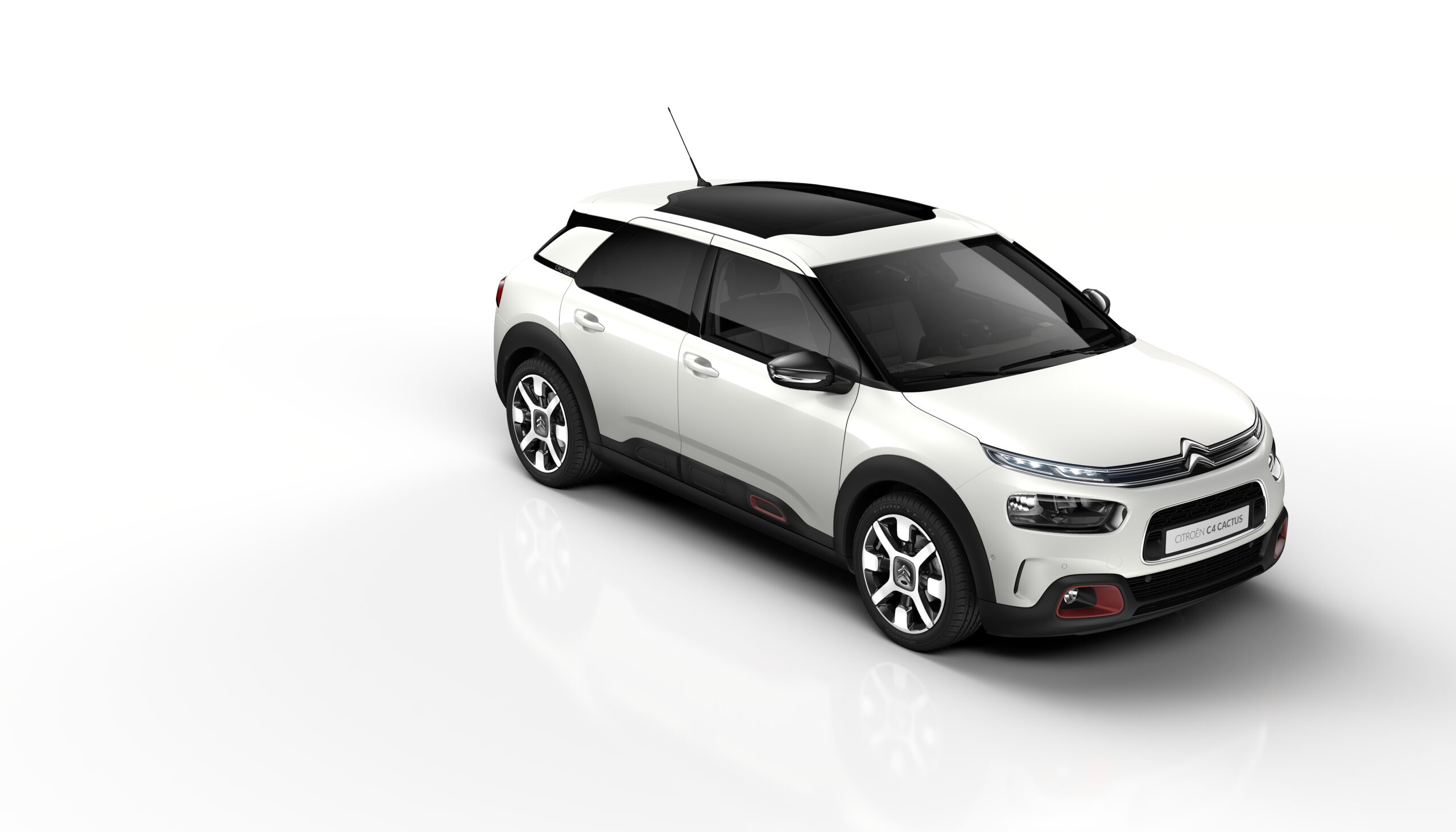
The C4 stands out thanks to its attractive purchase price and distinctive design. This design combines elements of a crossover with a compact hatchback. The interior offers good comfort. Interior space is, however, limited. Side visibility is mediocre. Rear visibility is also mediocre. New models only have a two-year manufacturer’s warranty. This affects the residual value of used examples.
Maintenance and costs after purchase
Plan a thorough service immediately after purchase. You can do this even if the sales warranty does not require it. Replace the engine oil and check all filters. Also have the timing chain inspected. This prevents problems and gives you a solid starting point for future maintenance.
Allow for possible costs for repairs to the electronics, especially on models from before 2014. Software problems do occur. These can cause faults in the infotainment system or sensors. Many of these issues can be solved with software updates at the dealer. A specialist garage can also resolve them.
On the Carnews website you will find extensive information on specific problems, maintenance tips and experiences from other Citroën owners. Discover more articles about common problem areas and maintenance costs. Also take a look at comparisons with other compact family cars. This helps you substantiate your choice.
Frequently asked questions
For a used Citroën C4, make sure there is a complete service history and check whether all recall actions and software updates have been carried out. Also look for excessive wear on clutch and brakes, any oil leaks and irregular engine noises, especially on the 1.6 THP engine. Watch out for electrical faults (warning lights, multimedia, electric windows/mirrors) and for rattles or creaks from the suspension during a test drive. Finally, check all-round visibility (especially when reversing), tyre wear and the condition of wiper blades and lighting.
For a car enthusiast, the PureTech petrol engines (especially the 130 bhp version) in trims such as Business Class and Feel are the most advisable, because they offer a good mix of performance, comfort and equipment. The 1.6 THP with automatic gearbox can be attractive thanks to its lively character, but you must insist on fully documented servicing because neglected examples can have reliability issues. Avoid basic entry-level trims with the weaker engines, as they offer less driving pleasure, fewer comfort features and often a more spartan interior.
The expected maintenance costs of a used Citroën C4 are generally average: parts and servicing are not exceptionally expensive, but a full and documented service history is important to keep unexpected costs down. The 1.6 THP engine in particular is regarded as relatively reliable and economical, provided it is serviced on time and according to schedule. In practice, long-term reliability is mainly determined by regular servicing and the driving style of previous owners. When buying, therefore, carefully check the service books, mileage and any known weak spots or recall actions.
The driving experience of a used Citroën C4 is often described as comfortable and relaxed, with ride comfort and roadholding that are above average for this price bracket. Compared with many rivals, the C4 feels less sporty and direct to steer, but it filters out bumps in the road more effectively. The interior is mainly focused on calm and comfort, which makes it attractive for long journeys and daily commuting. Drivers who prefer a sportier feel generally find rivals such as the Kia XCeed or Skoda Octavia more dynamic, but less softly sprung.
For the Citroën C4, the third generation (from around 2020/2021) particularly stands out for its more modern technological features, such as advanced infotainment systems, driver-assistance systems and connectivity options. Previously, Citroën mainly focused on comfort and price, while the latest models offer more high-tech safety and assistance systems. However, there are no clearly documented and widely recognised stand-out model years when it comes to demonstrably improved durability.