
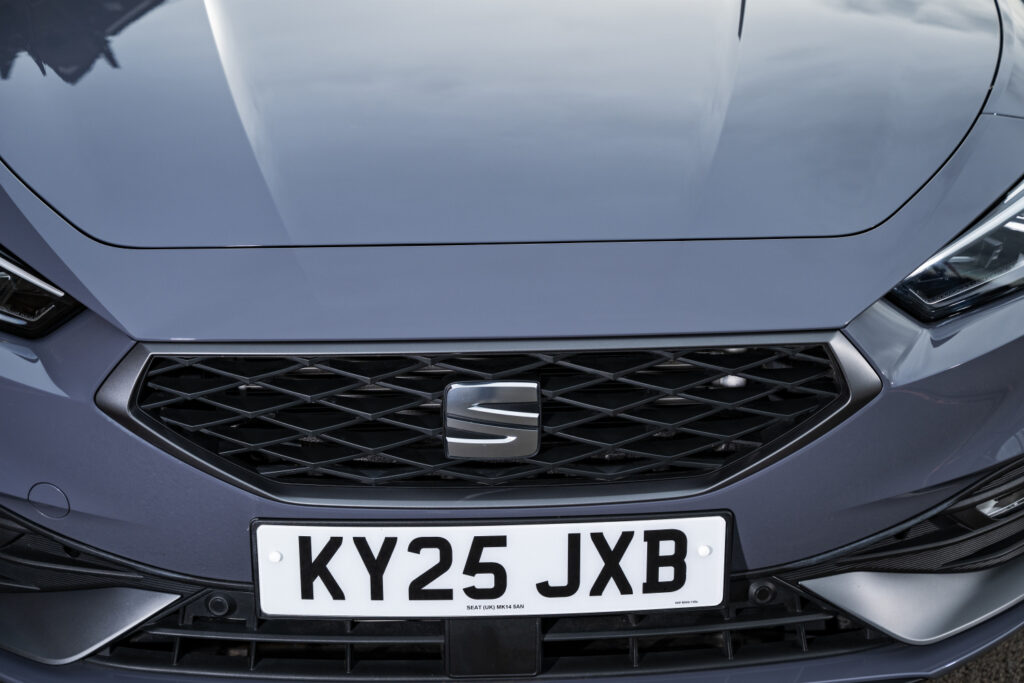
A used Seat Leon offers sporty driving pleasure for a sharp price, but it does require vigilance: TSI and TDI engines are prone to specific issues, DSG transmissions regularly develop faults if not properly maintained, and the panoramic roof is susceptible to creaking noises. If you check these points and look for structural damage, you can avoid expensive surprises. Want to know exactly what you should be paying attention to?
Why the Seat Leon is popular
The Seat Leon is a sporty family hatchback that shares its basic underpinnings with the Volkswagen Golf, Audi A3 and Skoda Octavia. Thanks to the MQB platform (modular platform for compact and mid-size cars) it combines reliable technology with agile driving characteristics. The Seat Leon stands out thanks to its lower weight and shorter dimensions, which give it better handling than its platform siblings.
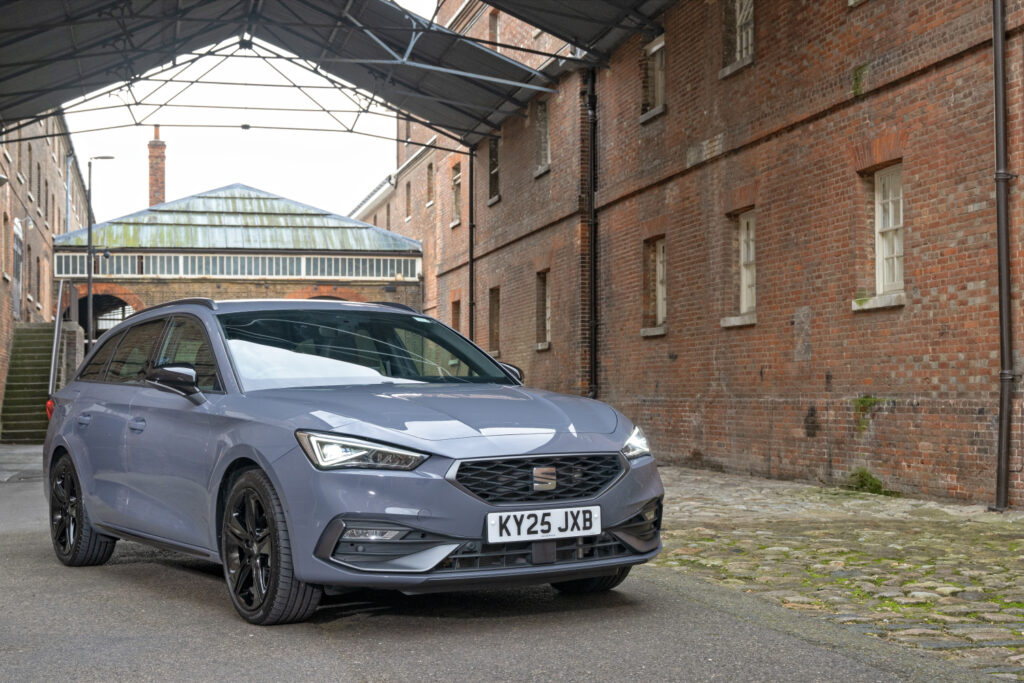
On the used-car market there are more than 400 examples available, roughly two-thirds of which are petrol. You can choose from the five-door hatchback, the more spacious estate (ST) or the rare coupé version. Prices start at around €10,000. The 1.4 TSI with 140 to 150 hp is the most popular and offers a good balance between performance and fuel consumption.
‘ Neglected oil changes can lead to serious engine damage. ’
Common problems with TSI engines
The petrol TSI engines (Turbocharged Stratified Injection, turbocharged petrol) are known for their sporty character, but they do require careful maintenance. Neglected oil changes can lead to serious engine damage. Always check the service booklet and make sure all services have been carried out correctly.
On the test drive, watch out for fluctuating revs at idle, which may indicate contamination in the engine. This issue occurs frequently in cars that have mostly done short trips. Transmission problems can also arise when the engine has not been serviced in time. A complete service history with stamps inspires confidence that the previous owner took the car seriously.
DSG transmission needs extra attention
Fewer than one in six cars on offer has an automatic gearbox, but these examples in particular deserve extra checks. The DSG transmission (Direct Shift Gearbox, automated dual-clutch) is prone to faults if maintenance has been neglected. During the test drive, include a mix of city streets, motorway and twisty roads.
Pay attention to the following warning signs:
- Jerky gear changes at low speed
- Delayed response when pulling away
- Unexpected downshifts
- Unusual noises from the gearbox
A properly functioning automatic shifts quickly and smoothly, without noticeable jolts. If you are unsure about the behaviour of the transmission, have a specialist take a look before you buy.
Panoramic roof can start creaking
Some owners report creaking from the panoramic roof, especially as the car gets older. This is because the rails and guides can wear or become contaminated. Test the roof thoroughly by opening and closing it several times. Listen carefully for any unusual noises.
Also check whether the roof is completely watertight. Damp patches in the interior or a musty smell may indicate leaks. A defective panoramic roof can be very expensive to repair, so factor this point seriously into your decision. Ask the seller whether there have been any complaints and whether any maintenance has been carried out on the roof.
Checklist for structural damage during inspection
With any used car, it is important to check for structural damage. These problems are not always immediately visible, but can later lead to costly repairs. Start your inspection on the outside of the car.
Check the following points carefully:
- Look for rust spots, especially around the wheel arches and the bottom of the doors
- Check the paintwork for colour differences that may indicate respraying after a collision
- Inspect all panel gaps for uniformity
- Check the tyres for uneven wear, which may indicate damage to the suspension or chassis
Open the bonnet and look for signs of leaks or loose components. Inside the car, watch out for damp, cigarette smell or fuel odour. These signs reveal how carefully the previous owner has treated the car. Test all functions such as the air conditioning, adjustable seats and electric windows.
Software updates for connectivity issues
More modern Seat Leon models are prone to connectivity issues with the infotainment system. These problems are often resolved with a software update at the dealer. During the viewing, ask whether the car has already received recent updates.
Test the system by pairing your phone via Bluetooth and trying out various functions. Check whether the navigation system works correctly and whether the touchscreen responds smoothly. Some problems are easy to fix, but others may point to a defective unit. An update at the dealer usually costs a few tens of euros and prevents a lot of frustration.
Risks with generations 2 and 3
The second generation Seat Leon (2005–2012) and third generation (from 2012) each have their own points to watch. With older models built before 2012, you should pay extra attention to potential engine problems. These examples are susceptible to oil consumption and issues with the timing chain.
The third generation from 2012 onwards on the MQB platform is generally more reliable. However, the previously mentioned DSG problems and panoramic-roof issues also occur here. For both generations, watch for signs of neglect. A car that has stood still for a long time or has been heavily loaded is more likely to suffer from hidden defects than an example with regular servicing and normal use.
Reliability depends on maintenance
The Seat Leon can provide years of enjoyment if it has been properly maintained. Always ask for the complete service booklet with stamps from an approved garage. A well-maintained Leon with regular oil changes and timely replacement of wear parts is a safe choice.
Pay particular attention to these service items:
- Oil changes in line with the manufacturer’s schedule
- Timely replacement of timing belt or chain
- Inspection and maintenance of the brakes
- Replacement of filters and fluids
A car without a complete service history carries risks. Negotiate on the basis of its maintenance condition or keep looking for a better-documented example. A price difference of a few hundred euros at purchase is nothing compared with the potential cost of repairs later on.
Tips for a smart purchase
Consider the FR or Cupra versions if sportiness matters to you. These variants have a lower sports suspension, better seats and a sportier look. They offer more driving pleasure without compromising reliability.
If in doubt, always take a specialist with you for an inspection. This costs a few tens of euros, but prevents expensive surprises. Be upfront with the seller about known problems and ask for an honest story. A trustworthy seller is open to your questions and gives you plenty of time to carry out a thorough inspection.
Pay attention to how the car has been used: an example that has mainly covered long motorway journeys is often better maintained than a city car with lots of short trips. Ask where the car has been kept and how it has been used. This information gives you insight into possible hidden wear.
Practical next steps for your purchase
Before buying a used Seat Leon, go through the complete checklist again: check the service booklet, thoroughly test the DSG transmission during an extensive test drive and inspect the panoramic roof for creaks or leaks. If you have any doubts about the engine condition or the state of the chassis and suspension, have a specialist carry out an inspection. That way you know exactly where you stand and can make your purchasing decision with confidence. For more technical details and owner experiences, take a look at the comprehensive Seat Leon problems list on Carnews.
Frequently asked questions
The 1.4 TSI (140–150 hp) and the 2.0 TSI in the Leon are generally known as reliable, strong engines, provided they get regular and timely maintenance. Weak points are less tied to a specific engine variant and more to neglected examples, where overdue oil changes can lead (especially) to transmission and drivetrain issues. With diesels you should pay extra attention to typical DPF/EGR problems, particularly if the car has done lots of short trips. Automatic versions need to be checked for smooth shifting, because poor maintenance can cause problems here more quickly.
On a used Seat Leon, particular attention should be paid to the suspension bushes, wishbones and anti-roll bar rubbers, especially after sporty or intensive use (FR/Cupra, lowered suspension). During the test drive, listen for knocking, squeaking or rattling over speed bumps and uneven surfaces, as this can indicate worn bushes, ball joints or drop links. Also check the shock absorbers for leaks and uneven damping, and look for uneven tyre wear (which can point to alignment or suspension issues). A thorough inspection of the underside for play and rust is advisable, especially on cars with larger wheels and a hard driving style.
For the best balance between everyday usability and sporty performance, the third-generation Seat Leon (5F, from 2012) is usually recommended. Within that generation, a petrol 1.4 TSI (140–150 hp) in FR trim offers a strong mix of brisk performance, reasonable fuel consumption and comfort. Those who want a bit more punch without stepping straight into a full-blown hot hatch can look at the 1.8 TSI FR. The Cupras are the sportiest, but are often less comfortable and practical as an all-round daily car.
Look for signs of chiptuning or mechanical modifications such as non-original air intakes, exhausts, turbos, or visibly modified wiring looms and ECUs. Check whether there are excessively wide wheels, extremely lowered suspension or cheap aftermarket parts fitted that can upset ride comfort and geometry. Compare the engine output and equipment level with the factory data and ask for invoices for any tuning work carried out. Be extra cautious with sporty versions (FR/Cupra), as these are more likely to have been tuned and therefore carry a higher risk of increased wear.
For the more popular performance-oriented Seat Leon models (such as FR and Cupra), maintenance costs are on average similar to, or slightly higher than, those of a comparable VW Golf, mainly due to sportier tyres, brakes and, where fitted, a DSG gearbox. Thanks to the shared MQB platform with, among others, the VW Golf and Audi A3, most mechanical parts are widely available and easy to obtain from both dealers and independent specialists. Specific performance parts (sports suspension, larger brakes, Cupra-specific components) are usually readily available, but can be more expensive and sometimes have slightly longer delivery times. Regular and timely maintenance is crucial to prevent costly engine and transmission problems.