
The Volkswagen Up is a popular city car with low running costs, but not every used example is equally reliable. Check known issues such as the gearbox and leaks before you buy. Especially with used models these problems can lead to hefty repair bills. You make a smart choice and avoid disappointment by buying well prepared.
Why the gearbox should be your biggest concern
The automatic gearbox (ASG) in the Volkswagen Up! has a reputation for being unreliable. It is also irritating to use. Owners report jerky shifts, slow responses and faults appearing after the warranty period. These problems are not the exception, they occur regularly. Repair costs are high and the driving behaviour remains unpredictable.
Preferably choose a manual version. The manual gearbox has proven to be more durable and causes far fewer problems. Reverse can crunch when you select it, but that is normal because this gear is not synchronised. During the test drive, check that the clutch operates smoothly and does not slip. Lots of city driving leads to faster clutch wear, so pay extra attention to this on cars from urban areas.
‘ Contamination or a burning smell indicates problems that can quickly get worse. ’
Engine and drivetrain require a thorough check
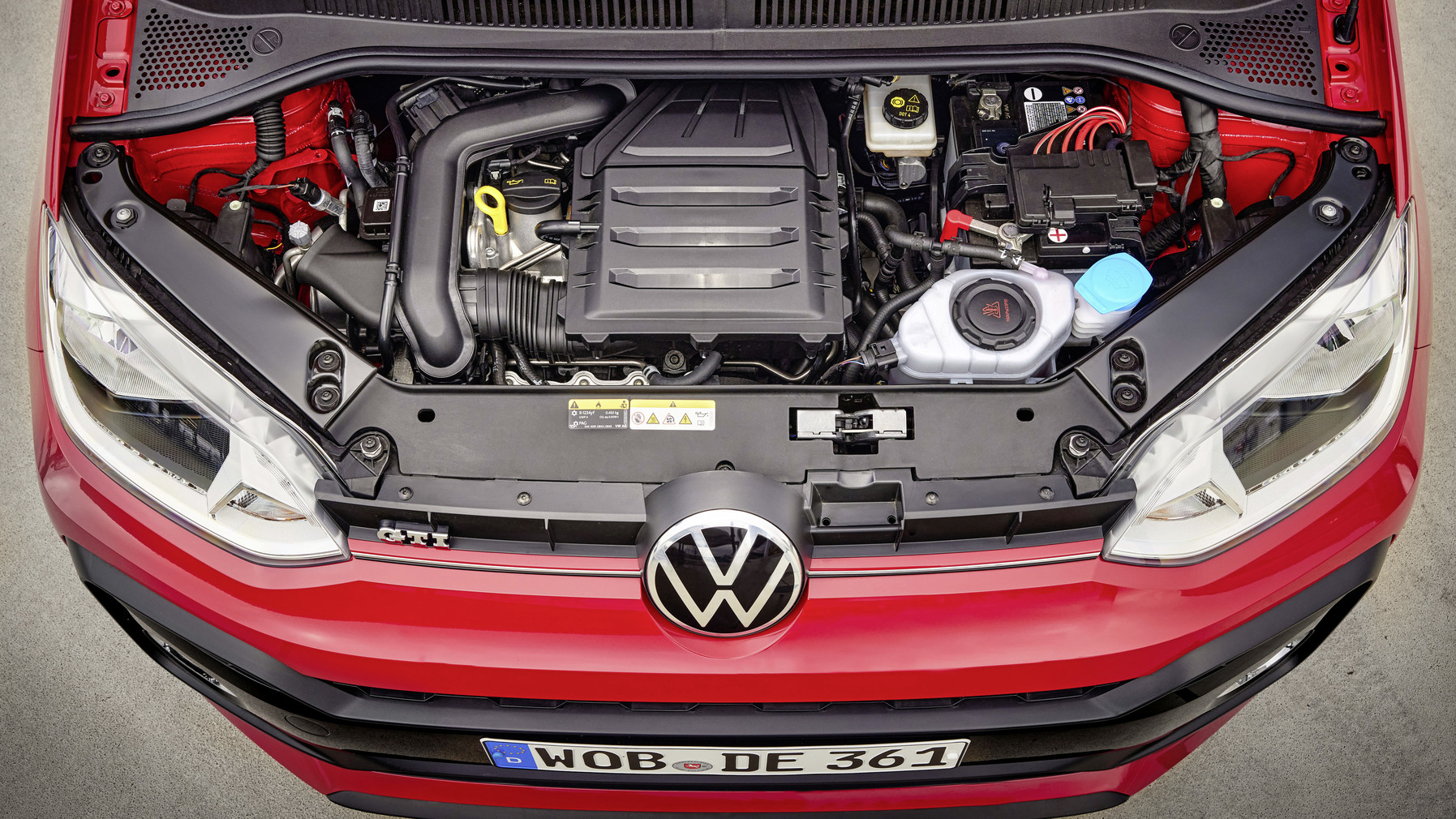
The simple 1.0 MPI engine is generally reliable, but issues do occur here as well. Overheating, misfires and high oil consumption are clear warning signs. These symptoms point to carbon build-up, faulty ignition coils or a failed fuel pump. Have a specialist assess the engine before you buy. Also check the timing chain, especially on older examples. The timing belt is Kevlar reinforced and considered “lifetime”. Still, have it inspected after five years of use.
The timing belt needs extra attention on models built before 2017. Ask the seller for the service history and proof of checks. Replace the transmission oil every 20,000 kilometres. Check its level, colour and smell. Contamination or a burning smell indicates problems that can quickly get worse.
Chassis and brakes reveal wear
Defective wheel bearings cause instability. They also give an unsafe feeling behind the wheel. During the test drive, check whether the car tracks straight and whether you hear any knocking or droning noises. The steering system can develop faults. These are caused by power steering errors. This is a safety issue that must be checked by a mechanic immediately.
The brakes regularly cause problems. The exhaust also regularly causes problems. Check whether the brakes operate smoothly without squealing or vibrations. A lot of city driving leads to faster wear of discs and pads. Also inspect the exhaust for rusty patches and loose sections. These wear out faster with short journeys and little motorway mileage.
Water leaks are a common problem
Models built before 2017 suffer from water ingress in the boot. They also suffer from water leaks in the front footwells. This is caused by poor seals around the doors. It is also caused by poor seals around the windows. Carefully inspect the carpets for damp patches. Smell if there is a musty odour. Moisture in the car leads to mould and rust. In addition, moisture causes electrical faults.
Also check the seals around the doors and tailgate. Press the rubber with your finger and see whether it is still supple. Hard or cracked rubber allows water to get in. Open the boot and lift up the boot floor. Moisture under the mat indicates a leak that has been going on for some time.
‘ Repairs are expensive. ’
Interior and electronics deserve attention
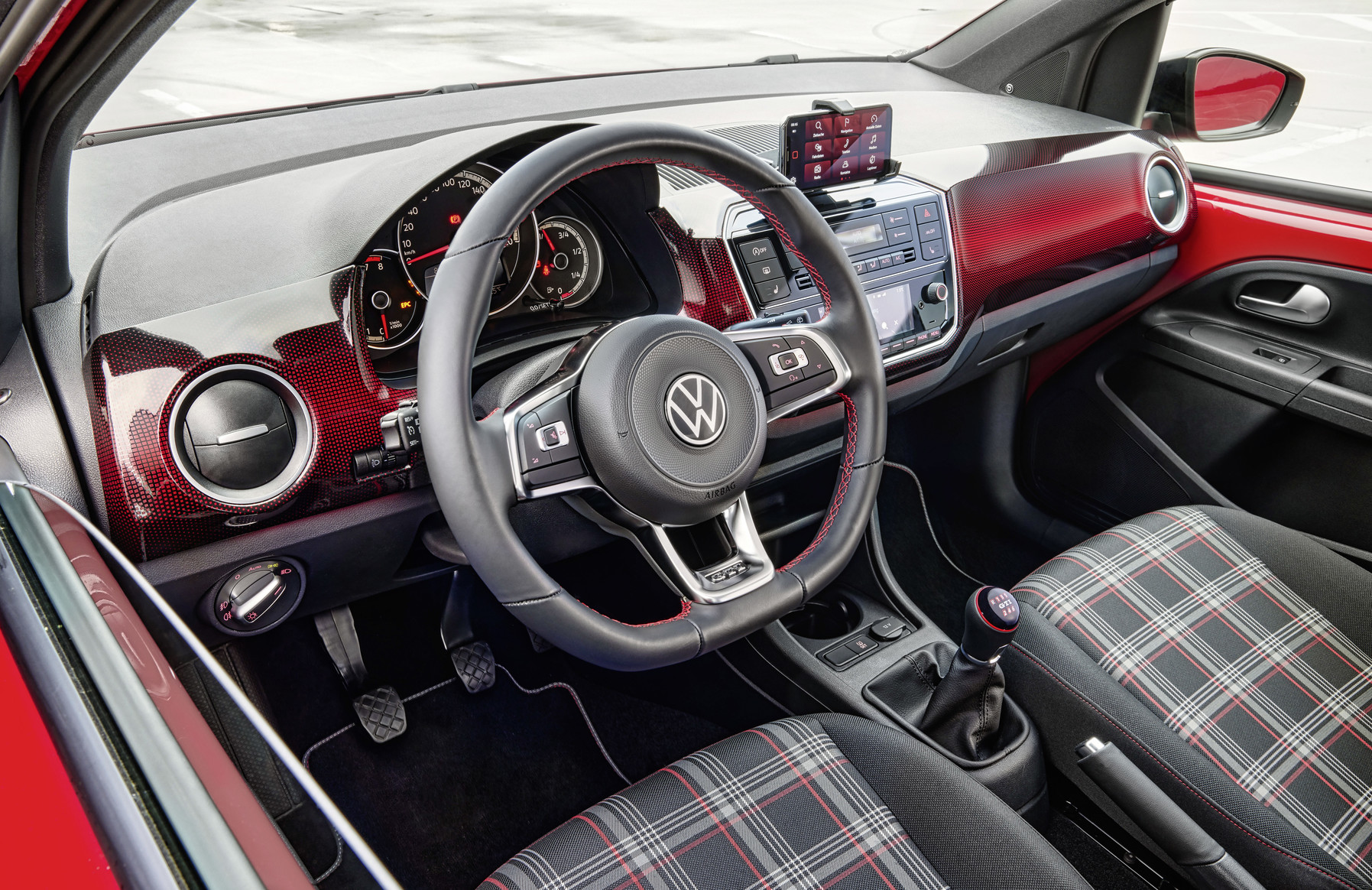
The headliner can sag. This happens mainly on older models. It looks unsightly and can be distracting while driving. Also check the infotainment system and Bluetooth connection. Connectivity problems do occur. They are difficult to fix without professional help.
Test all electrical functions during the test drive. Electric windows can fail. Repairs are expensive. Try each window several times. Check that they move smoothly. Also check the central locking. In addition, check the reversing camera and any parking sensors. Software faults can cause shifting problems. If in doubt, have the car scanned with a diagnostic tool.
Check safety recalls and service campaigns
Several recalls have been issued for the Volkswagen Up. Check with a VW dealer whether these have been carried out on the example you are considering. Known recalls concern child door locks that can unlock unintentionally. Another recall involves a poor weld on the towing eye in the tool kit. There are also recalls for airbags and seatbelt pretensioners that do not deploy in a crash. Finally, there are panoramic roof panels that can come loose.
Ask the seller about the recall status. Ask for proof that they have been rectified. A dealer can quickly look this up using the VIN. Outstanding recalls are a risk to your safety. They can also cause issues at the MOT.
Practical checklist for buying
Carry out a thorough inspection. Do this before you buy a used Volkswagen Up. Check the following points during the viewing and the test drive:
- Clutch: test for slipping or heavy gearchanges when pulling away and accelerating
- Transmission oil: check level, colour and smell for signs of contamination
- Bodywork: look for dents, scratches and damage to the bumpers
- Software: have fault codes read out with a diagnostic tool
- Water leaks: inspect carpets, boot and footwells for moisture
- Wheel bearings: listen for knocking, droning or instability
- Brakes: test for smooth operation without squealing
- Electronics: try all functions such as windows, central locking and infotainment
If in doubt, have an independent inspection carried out by a garage. Regular maintenance minimises mechanical wear. It also prevents bigger problems. Always ask for the service book. Check that all services have been carried out according to the schedule.
‘ Manual gearboxes are trouble-free. ’
Manual gearbox over automatic
Your satisfaction with the Volkswagen Up largely depends on the choice you make. The choice is between manual and automatic. Automatic gearboxes often fail after the warranty period. Repair costs are high. Manual gearboxes are trouble-free. They provide a reliable driving experience. Choose models with a complete service history. Avoid examples with an unknown past.
Pay extra attention to models built before 2017. These are prone to water leaks. In addition, these models can have timing belt issues. Test all functions during the test drive. Take your time for a thorough inspection. Good preparation prevents disappointment and unexpected costs.
On the Carnews website you will find more information on known car problems. You will also find maintenance tips and buying advice. Discover which cars are reliable. Read what to look out for when making your next purchase.
Frequently asked questions
The most common technical problems with a used Volkswagen Up are engine issues (misfires, high oil consumption, ignition coils/timing), a jerky or unreliable ASG automatic gearbox, wear to the clutch, wheel bearings and brakes, and electrical faults such as window operation and power steering. During the test drive, watch for a smooth, vibration-free running engine, no warning lights, smooth and jerk-free gear changes (avoid a jerky automatic) and no unwanted noises from the suspension or bearings. Check the interior for moisture (water ingress in the boot/footwells), test all electrical functions and look for a sagging headliner. Finally, ask for the full service history and have an independent pre-purchase inspection carried out, including a diagnostic scan for fault codes and a check for outstanding recalls.
For the Volkswagen Up, serious engine problems in particular (overheating, misfires, high oil consumption due to, for example, carbon build-up or timing chain issues) are often too expensive to repair in an economically sensible way. Faults in the ASG automatic gearbox can also lead to very high repair costs and make the car risky. Serious issues with the steering system (power steering) and structural water leaks in the body or interior can likewise generate high costs. As a result, a used Up with such defects can be a relatively risky investment.
Use an OBD-II diagnostic tool to read fault codes, live engine data (temperatures, misfires, fuel trim) and ABS/airbag faults, and check with a VW dealer for outstanding recalls. Perform a cold-start test and listen to the 1.0 engine for rattling (timing/chain), rough idling and check for excessive oil consumption or smoke from the exhaust. During a long test drive, test the clutch (slipping, heavy gearchanges), manual gearbox or ASG for jerks, the steering system for unwanted noises and the brakes for judder or uneven braking. Finally, inspect the bodywork for rust and damage, check the boot and footwells for moisture (water leaks), test all electric windows, Bluetooth/infotainment and look for a sagging headliner.
Preferably choose a manual Up with a complete service history and have an independent pre-purchase inspection carried out before buying, including a diagnostic scan for fault codes. Then plan additional preventive maintenance, such as timely oil and fluid changes, checks on timing, clutch, brakes and wheel bearings, even if the factory intervals have not yet been reached. On older or cheaper examples, have the car thoroughly checked for water tightness (seals, boot, footwells) and electronics (steering and window operation, infotainment) and repaired preventively where necessary. Finally, check with the dealer that all recalls and service campaigns have been carried out to prevent known safety and quality issues.
First determine the market value of a comparable Volkswagen Up without defects using classified ads and price guides, and use this as a starting point. Then have an independent pre-purchase inspection carried out to identify all (potential) problems and the estimated repair costs. Subtract the immediate and expected repair costs and a risk margin (for uncertainty) from the normal market value. The result is the realistic value; if this is below the asking price and the seller will not negotiate, then the car is not financially attractive.