
The Kia Soul is a reliable city car with low maintenance costs, but it does require a critical eye when you are buying one. In particular, models from 2009 to 2014 suffer from common issues you need to check in advance. Read on to find out exactly what you should look out for.
Check the transmission thoroughly
The automatic transmission in the first-generation Soul can develop faults. This is especially something to watch out for with pre-2014 models. Owners report hesitation when changing gear, particularly when selecting reverse. During a test drive you will often notice this as jerky changes or delayed responses.
Test the gearbox extensively in different conditions. Shift gently from D to R and listen for unusual noises or feel for vibrations. Always ask for the transmission’s service history. Regularly changed transmission fluid significantly reduces the risk of problems.
With the Kia Soul it is wise to have the transmission checked by a specialist before you buy. This can save you a lot of repair costs later on.
‘ “This engine is more prone to carbon build-up on the valves than conventional engines.” ’
Engine problems with specific versions
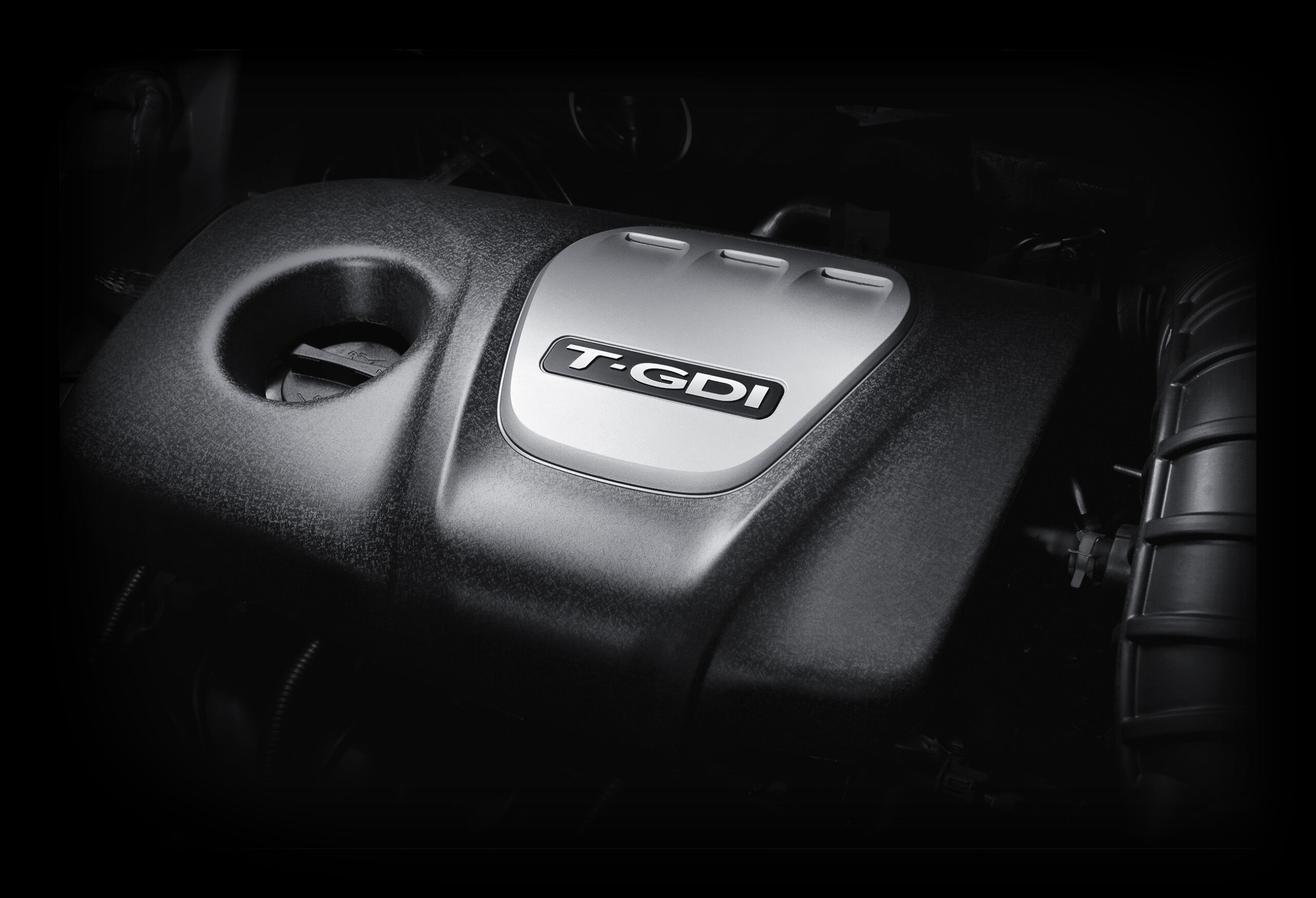
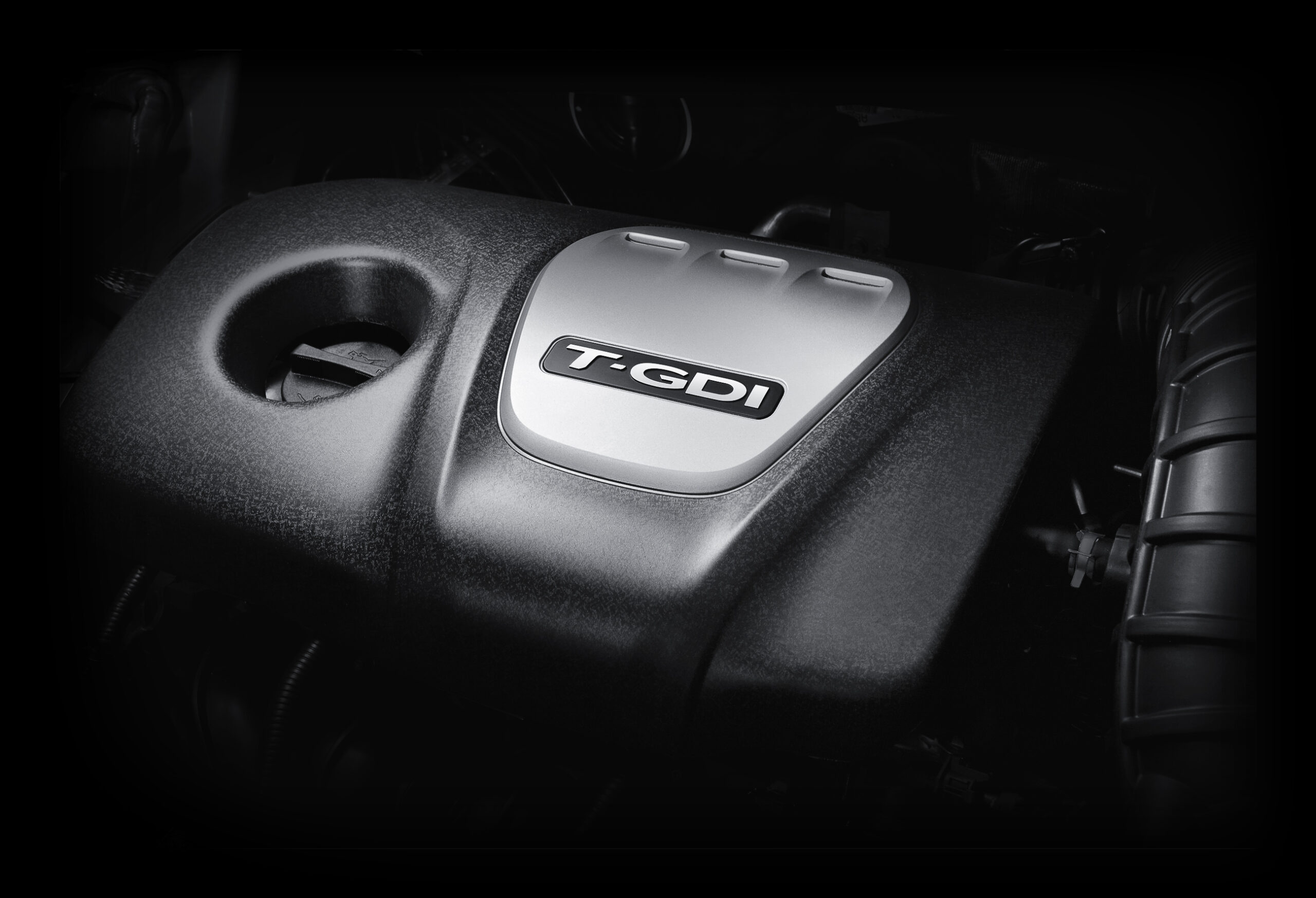
The 1.6 GDI petrol engine with direct injection needs extra attention. This engine is more prone to carbon build-up on the valves than conventional engines. Over a few years this can lead to loss of power and an uneven idle.
On diesel versions with the 1.6 CRDi engine, you must check the diesel particulate filter (DPF). Faulty DPFs are common in cars that mainly do short trips. Ask about its driving history and whether the DPF has ever been replaced or cleaned.
During the test drive, check whether the engine runs smoothly across the entire rev range. Look for smoke when accelerating and check whether the engine warning light stays on. Use high-quality fuel and oil to extend the life of diesel engines.
Electrical faults on models up to 2013
The first-generation Soul has some well-known electrical issues. The central locking is often unreliable on 2010–2013 models. Doors can unlock by themselves or fail to open with the remote key.
Another common fault is the steering angle position sensor. This sensor can fail, causing warning lights on the dashboard to stay on. After the 2013 facelift these problems were largely solved, but with older models you need to be alert to this.
The battery on some examples fails earlier than expected. When viewing a car, test all electrical functions:
- Central locking from all doors
- Electric windows on both sides
- Interior and exterior lighting
- Instrument cluster for warning lights
- Air conditioning and heating
Weak brake discs require preventive maintenance
The original brake discs on the Kia Soul are known to be weak. They can warp after as little as 10,000 kilometres, causing vibrations while braking. This is a structural problem on the first generation.
The solution is to replace the brake discs with better aftermarket parts. These non-OE quality parts are often more durable than the original Kia discs. As part of a pre-purchase inspection you should have the brake discs measured for thickness and run-out.
From 2015 the brakes on some models do not always release fully. This can lead to uneven wear and increased fuel consumption. Test the brakes thoroughly during the test drive and pay attention to unusual heat or smells after driving.
Maintenance tips for the brakes
With the Soul, preventive brake maintenance is more sensible than waiting for problems to appear. The cost remains limited. Owners report maintenance costs of around €292 for a minor service including brake pads at 118,000 kilometres.
It is best to replace brake discs and pads at the same time. This prevents uneven wear and delivers the best braking performance. After replacement, always have a brake test carried out to make sure everything is working properly.
Chassis and bodywork points to watch
Rust is a known issue on the first-generation Soul. The rear doors and bodywork are prone to corrosion, especially around the wheel arches and the lower edges of the doors. Check these areas thoroughly in daylight before buying a car.
The paint is relatively soft and picks up scratches quickly. This is mainly a cosmetic issue, but it can lead to further rust if scratches are not treated in time. Check the paint for stone chips and deep scratches, especially at the front.
The chassis itself is strong and rarely gives problems. However, the steering system can wear over time. During the test drive, pay attention to:
- Play in the steering wheel
- Knocking or vibrations when steering
- Uneven steering effort to the left or right
- Squeaking or creaking noises when manoeuvring

Tyre issues on the second generation
On the second-generation Soul from 2014 to 2018, tyre issues are the most common problem. MOT data show that 33 percent of 2016 models have tyre pressures that are too low. For 2015 models this figure is 22 percent.
Insufficient tread depth occurs on 22 percent of inspected 2016 cars. This often points to deferred maintenance by previous owners. Check the tread on all four wheels and also look for uneven wear.
The dipped beam headlight alignment is often incorrect. This can cause an MOT failure but is easy to fix. At dusk or in the dark, test whether the lights are correctly aimed, and if necessary ask for them to be adjusted before purchase.
Special attention for the Soul EV
The electric Soul EV has a specific issue with battery degradation. The battery does not have active cooling or heating, so its capacity drops more quickly than in modern electric cars. This is especially noticeable on cars that have been driven in hot climates.
Always have the battery read out before buying a Soul EV. A professional battery test shows the remaining capacity and gives insight into the battery’s health. Kia offers a 7‑year or 150,000‑kilometre warranty on the battery, but only for models still within this period.
You should change the reduction gear oil at regular intervals. This prevents the need for costly replacement of the entire unit. Ask about the maintenance history of this component and schedule preventive oil changes if it was done a long time ago or never.
‘ Owners report complaints about seats and upholstery in 42.86 percent of cases. ’
Interior wear and comfort
The Soul’s interior wears relatively quickly. Owners report complaints about seats and upholstery in 42.86 percent of cases. The headlining can start to sag or come loose after a few years, especially on older models.
The seats show accelerated wear on the bolsters and seat cushions. This is mainly a cosmetic issue, but it can be annoying if you value a tidy interior. When viewing a car, check all seats for tears, stains and loose stitching.
Ride comfort is generally good and owners appreciate the generous interior space. Noise levels are acceptable and the seating position is comfortable for longer trips. In owner ratings, the Soul scores an average of 16.38 out of 20 points.
Warranty and known recalls
For models built before the 2013 facelift there are warranty schemes for specific parts. The catalytic converter and steering column fall under extended warranty for certain model years. Ask the seller or dealer whether these warranties are still valid for the specific car you are considering.
Always check whether any recall work has been carried out. Kia has released updates for various model years for electrical systems and software. These can be carried out free of charge at a Kia dealer, even on used cars.
Ideally choose a model from 2014 or later. This second generation has significantly fewer issues and often still has some remaining factory warranty. Kia’s 7‑year warranty is transferable to subsequent owners, which offers extra peace of mind.
Practical buying tips for your inspection
Do a thorough test drive that covers different situations. Drive on the motorway, in town and preferably also up a hill if you plan to use the car for heavier loads. The Soul performs only moderately on inclines when towing a trailer or caravan because of its modest torque.
Ask for a complete service history with stamps and invoices. Pay extra attention to regular oil changes and whether major services have been carried out according to schedule. Average costs for a major service including filters and spark plugs are around €383.
An independent pre‑purchase inspection by a specialist is recommended. This costs a few tens of euros but can save you much higher repair bills. The specialist will specifically check the Soul’s known problem areas.
Viewing checklist
- Rust on rear doors and wheel arches
- Tyre pressure and tread depth on all wheels
- Brake discs for warping or vibration
- Test central locking on all doors
- Check steering effort and position sensor
- Read out battery and electronics on EV models
- Transmission in all positions during test drive
- Engine for smoke and uneven running
‘ The Soul often falls into favourable insurance groups, which can be especially attractive for young drivers. ’
Fuel consumption and running costs
Average fuel consumption is 5.91 litres per 100 kilometres under normal driving conditions. For the best possible fuel economy you should drive between 90 and 105 kilometres per hour. Owners then report consumption of 1 in 14.8 (14.8 km per litre).
Maintenance costs remain low compared with many other compact SUVs. You can do a lot of the basic maintenance yourself, such as replacing bulbs in about 5 minutes. This keeps costs down over the life of the car.
Insurance and road tax are reasonable thanks to the relatively low weight and engine power. The Soul often falls into favourable insurance groups, which can be especially attractive for young drivers.
Where to find more information
On the Carnews website you will find extensive information about all known issues on various Kia models. Discover detailed technical specifications, owner experiences and comparisons with rival models. For the best buying advice you can also find up‑to‑date market prices and dealer tips to help you track down a reliable used car.
Frequently asked questions
On used Kia Souls, relatively common issues include rust on rear doors and bodywork, rapidly wearing paint/interior and warped brake discs (first generation), and tyre wear/pressure problems and brakes that do not fully release (second generation). During inspection, check carefully for rust spots around the sills and door edges, uneven or excessively worn tyres, vibrations or pulsing in the brake pedal, and a car that does not coast smoothly when you lift off the throttle (dragging brakes). Test all electronics thoroughly (central locking, lighting, steering angle sensor, dashboard warning lights), and watch out for worn seats/upholstery as a sign of heavy use. For a Soul EV: have the battery capacity read out and check whether the real‑world range matches the factory figure minus normal degradation.
Common repair costs on a used Kia Soul include replacement of warped brake discs (roughly €300–€500 including labour if good aftermarket parts are used) and solving electrical issues such as central locking or sensors (ranging from about €100 to €400, depending on diagnostics and parts). Replacing tyres with excessive or uneven wear usually costs €300–€600 for a set, depending on brand and size. The most expensive, financially, are major drivetrain issues (automatic gearbox, DPF or EV battery), which can run from several hundred to several thousand euros and significantly reduce the car’s residual value.
Buying a used Kia Soul with known problems is mainly sensible when they are relatively minor, easy‑to‑fix issues (tyres, brake discs, light rust, simple electrical faults) and the price is clearly lower than for a comparable, problem‑free example. It becomes more attractive with a 2014+ model with a full service history and possibly still (provable) factory or extended warranty, for example on the EV battery. It is not a sensible investment when there are serious or expensive issues, such as a worn automatic gearbox, DPF or GDI injection problems, extensive rust or noticeable battery degradation on the Soul EV. If the history is dubious, maintenance has been poor and the asking price is close to that of tidy examples, you are better off walking away.
Carry out a thorough visual inspection: check the body and sills for rust, uneven panel gaps, interior wear and tyre wear (uneven tread, hairline cracks). During a long test drive (also over speed bumps and with firm braking) listen for strange noises, feel for vibrations, check if the car tracks straight and assess braking behaviour. Test all electronics systematically: windows, mirrors, central locking, lights, air conditioning, infotainment, trip computer and warning lights (they should light up with the ignition on and then go out). Finally, have the car’s history and technical condition checked using service records, previous MOT reports and – if possible – an independent pre‑purchase inspection or OBD scan.
The existing problems – such as rust, worn brakes, tyre wear, interior and electronic faults – reduce the market value because they represent immediate costs and risks for the buyer. The more visible or structural the problem (for example rust or EV battery issues), the greater the drop in value compared with similar Souls without these defects. Decisive factors for a fair price include the nature and severity of the defects, the model year/generation, the mileage and how complete the service history and repair records are. A fair price therefore reflects both the average market prices for that type of Kia Soul and the concrete repair costs the new owner will still have to pay.