
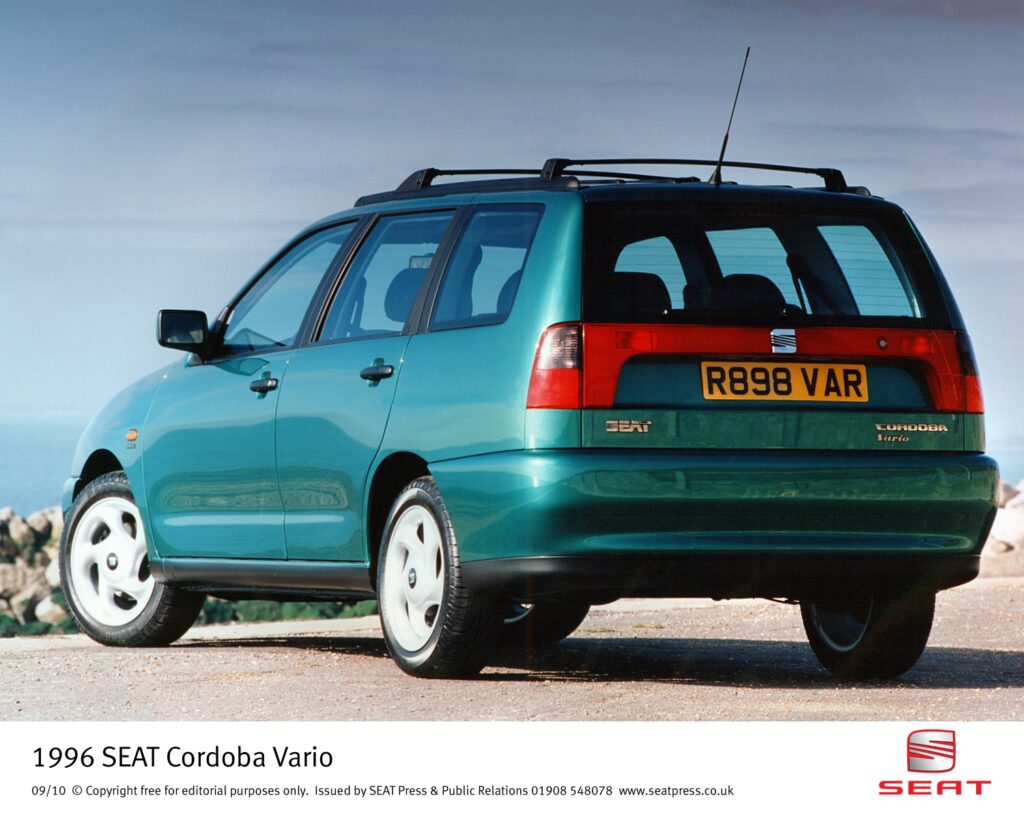
The Seat Cordoba offers an affordable entry into reliable VAG technology (technology from the Volkswagen Audi Group), but a few common points of concern require attention before you buy a second-hand example. Pay particular attention to black smoke from the diesel engines, inspect the condition of the sills and door entry, test how the gearbox shifts, assess tyre wear and check the condition of the particulate filter. Known Seat Cordoba issues are easy to manage if you know what to look out for. That way, you avoid expensive surprises and drive away with peace of mind.
What makes the Seat Cordoba an interesting used car
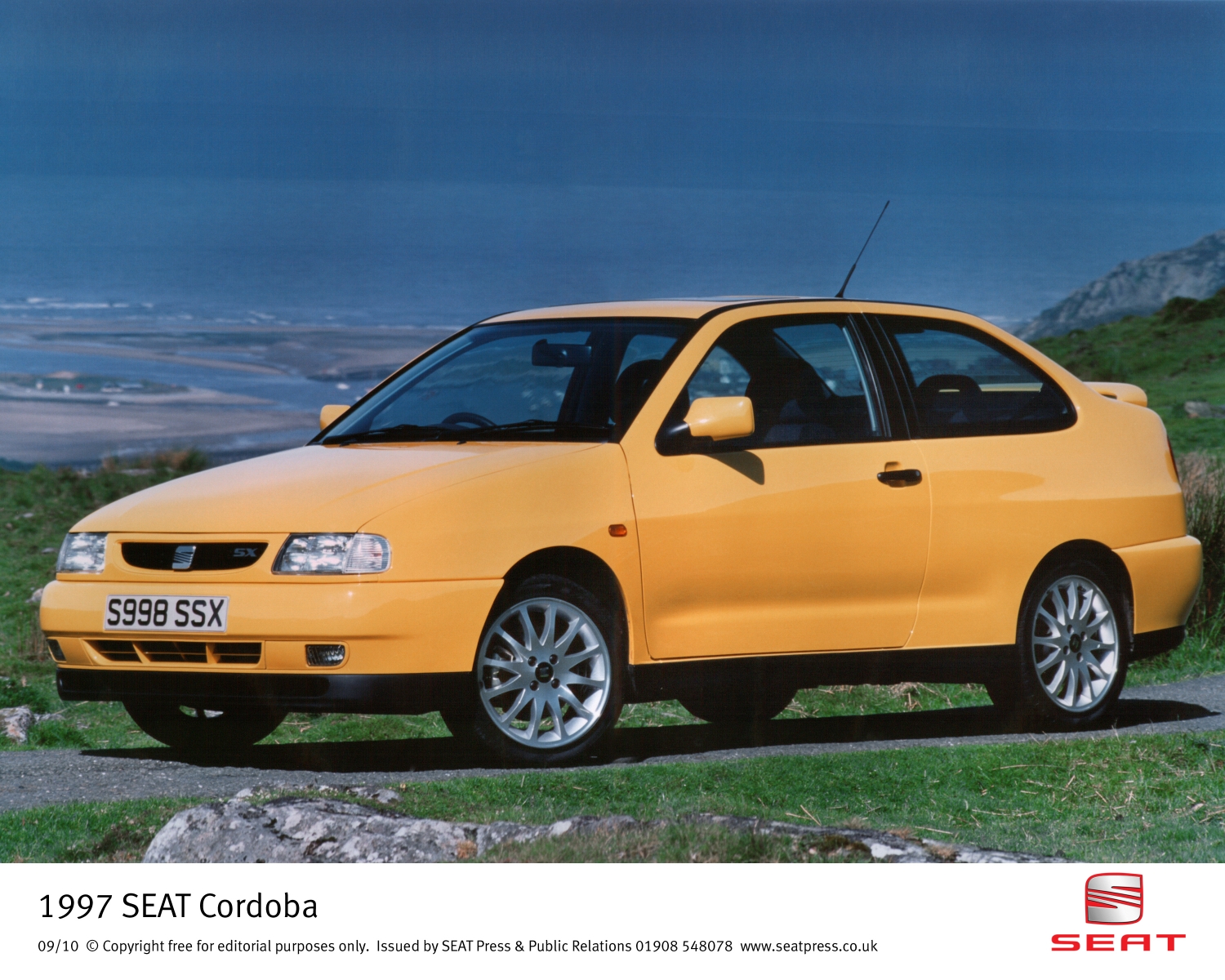
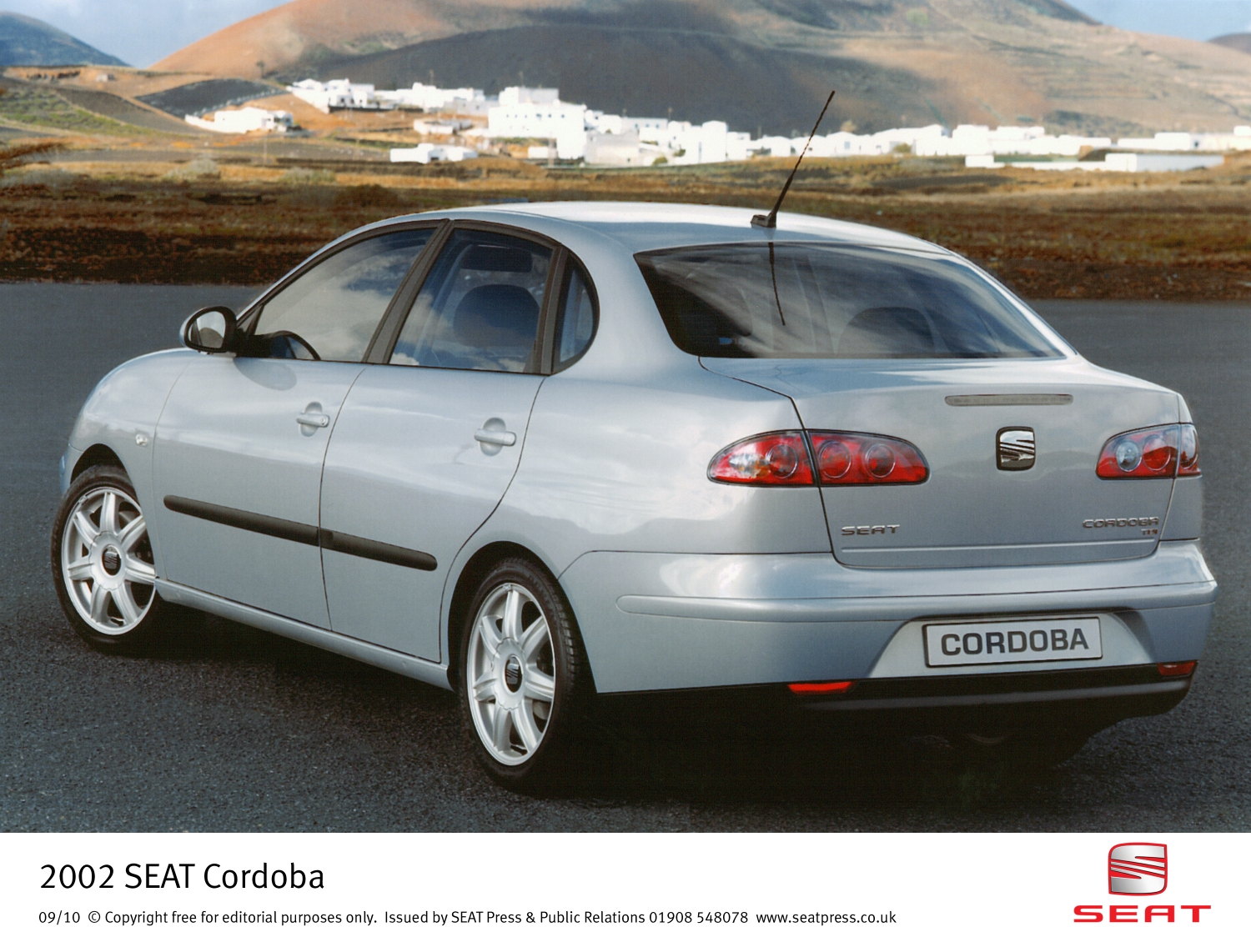
The Seat Cordoba is a compact saloon that benefits from the quality of the Volkswagen Group. The model was produced as a saloon, estate and coupé, often in trims such as Stella, Sport and Reference. Platform sharing with the Ibiza results in pleasant driving characteristics and accessible maintenance costs. Petrol engines range from 75 hp to 105 hp, with the 1.4 16V engine being a popular choice. A 5-speed gearbox comes as standard.
Used examples are available from around €825. Realistic prices for models from 2003–2006 are around €1,450 to €1,550 with mileages between 160,000 and 190,000 kilometres. For this amount you often get options such as air conditioning and cruise control. The number of cars on Dutch classifieds sites fluctuates between 7 and 45, depending on the season.
Strengths of the Cordoba
The Cordoba scores well for reliability thanks to its solid VAG technology (Volkswagen Audi Group). The timeless design and strong resale value make the model suitable for daily use, for example a 90-kilometre daily commute. Its driving characteristics compare favourably with the Ibiza, with stable handling on Dutch roads. Maintenance parts are affordable thanks to the shared platform with Volkswagen models.
Important checks for diesel engines
On diesel versions, emissions deserve special attention. Black smoke from the exhaust indicates a combustion problem. Possible causes include a clogged air filter, defective fuel injectors or turbo issues. If not dealt with in time, this can lead to costly repairs.
Also check the condition of the particulate filter. A clogged or defective filter reduces performance and increases fuel consumption. Ask the seller about the service history of the particulate filter. Replacement or cleaning can easily run to several hundred euros.
Recognisable symptoms of diesel problems
- Black smoke when accelerating or when the engine is cold
- Reduced pulling power or sluggish acceleration
- Higher fuel consumption than normal
- Engine management warning light on the dashboard
Checking the transmission and gearchange
The Cordoba's 5-speed gearbox is known to be reliable, but it does need maintenance. During the test drive, check whether the gears engage smoothly. Harsh shifts, grinding noises when changing gear or a loose gear lever indicate wear. Replacing a clutch at a garage will soon cost €400 to €600.
Check whether reverse gear is easy to select. Problems with reverse are quite common on high-mileage examples. This can point to a worn synchromesh, a component that ensures smooth gear changes. Ask about recent transmission maintenance and check whether the gearbox is leaking oil.
Tyre wear as an indicator of suspension condition
The condition of the tyres tells you a lot about maintenance and the state of the running gear. Uneven wear points to problems with wheel alignment, shock absorbers or control arm bushes. Check whether the tyres on all four wheels are wearing evenly. Wear on the inner or outer edge of the tread requires attention.
Also inspect the state of the shock absorbers. Push the car down at each corner and let go. The car should bounce back no more than once. Several movements indicate worn shock absorbers. Replacing shocks costs between €200 and €350 per axle, depending on the brand and the garage.
Checklist for tyres and suspension
- Tread depth at least 3 millimetres for safe grip
- Even wear across the full width of the tread
- No cracks, bulges or damage in the sidewall
- Stable response when cornering during the test drive
- No knocking or vibrations through the steering wheel
‘ Rust spreads quickly to adjacent body panels if it is not treated. ’
What to look for on the bodywork
The Cordoba's low step-in height means you need to pay attention to the condition of the sills and door entry. Check the door entry trim for rust, cracks or deformation. This part is subject to a lot of stress and can weaken if poorly maintained. Rust spreads quickly to adjacent body panels if it is not treated.
Inspect the underside of the car for rust spots. The wheel arches, sills and exhaust mountings are particularly vulnerable. Use a torch and look carefully at hidden areas. Surface rust can be treated, but rusted-through sections will need replacing. Bodywork repairs can be expensive, so factor this into your negotiating position.
Common issues with the 1.4 16V engine
The 1.4 16V engine is common in the Cordoba and is generally known to be reliable. Even so, there are some points to watch. Some owners report oil leaks at higher mileages. Check for oil traces around the rocker cover and crankshaft. A new rocker cover gasket is relatively inexpensive, but leakage can indicate other engine problems.
Ask about the timing belt service history. Replacement is recommended at around 90,000 kilometres or every five years. A snapped timing belt leads to severe engine damage. Check whether this work has been carried out and whether it is documented. Without proof, mechanics often advise replacing the belt preventively, which can cost €300 to €500.
Engine checkpoints for a pre-purchase inspection
- Ask for a compression test to assess cylinder condition
- Check the coolant for contamination or oil traces
- Start the engine from cold and listen for abnormal noises
- Check that the engine idles smoothly without misfiring
- Inspect the engine block for leaks and signs of repairs
Checking the interior and electrics
The Cordoba's interior is cramped, especially for rear passengers and for luggage space. Check the condition of the seat upholstery for tears or wear. Sagging seats indicate heavy use. Test all electrical functions, such as electric windows, central locking and heating. Defective switches or slow electric windows can be annoying and may require parts that can be hard to find.
Look at the dashboard for warning lights. Some may point to simple issues such as a loose fuel cap or faulty sensor, but others may signal engine problems or electrical faults. Ask the seller about the cause of any warning lights and have them resolved before purchase, or factor them into the price.
‘ "Well-documented servicing increases reliability and reduces the risk of problems." ’
Reliability of 2002–2009 models
The Cordoba from the 2002–2009 period benefits from the quality of the VAG platform. This generation is known for holding its value and coping well with high mileages when correctly maintained. Users report that the car drives acceptably for its price segment, without excelling in luxury or performance. The model remains relevant as a used car thanks to the availability of affordable parts.
Facelift models with the 6K2 code offer better finish and more refined details. These versions are slightly more expensive but often provide better quality. Avoid cars without an MOT (APK) history or with unclear maintenance records. Well-documented servicing increases reliability and reduces the risk of problems.
Negotiating the price and finalising the purchase
Use the points of concern you have found as negotiation tools. A car that needs new tyres, has rust patches or an overdue timing belt justifies a lower price. Calculate the cost of necessary repairs and subtract this from the asking price. Supply on the market varies widely, so compare several cars before you decide.
Have the car inspected by an independent mechanic before buying. A pre-purchase inspection costs between €75 and €150 and reveals hidden defects. In the long run, this often saves a lot of money and hassle. Ask the seller about recent MOT tests and service invoices. The more complete the documentation, the clearer the picture you get of the car's condition.
Discover more about the Seat Cordoba and other models
On the Carnews website you will find extensive information about common car problems, maintenance advice and buying tips for various makes and models. Whether you are looking for technical details, experiences from other owners or practical tips for maintaining your car, there is a lot to explore. Take a look and become a better-informed car buyer or owner.
Frequently asked questions
Known weak points are mainly potential engine problems with the 1.4 16V (including faults, possible oil leaks and cooling issues) and the limited interior space, which makes it less suitable as a family car. When buying, pay extra attention to a demonstrably good service history, a smooth and quiet-running engine and a dry, leak-free engine bay. Also check that the gearbox shifts smoothly and that the bodywork is free from early signs of rust, especially underneath. Finally, it is wise to have a technical pre-purchase inspection or compression test carried out before you commit to buying.
For the most driving enjoyment and tuning potential, the more powerful petrol versions are particularly interesting, especially the 1.4 16V with around 100–105 hp, especially in sportier trims such as the Sport. This engine shares much of its technology with other VAG models, which means there are relatively many aftermarket parts and tuning options available. The basic 1.4s with around 75 hp offer less potential and are mainly suitable as economical budget engines.
Facelift models (6K2, roughly after 1999) are generally preferable due to better finish and slightly more modern technology. Models from 2003–2006 with the 1.4 16V and demonstrably good maintenance are often the most attractive buys. Avoid Cordobas with the 1.4 16V engine if there are signs of poor or incomplete servicing, oil consumption or cooling issues. It is better to steer clear of older or very cheap cars accompanied by “horror stories” about engine failures.
The maintenance costs of a used-market Seat Cordoba are generally low to average, partly thanks to shared technology with many Volkswagen/SEAT models and therefore affordable generic parts. Many wear parts (brakes, filters, suspension) are widely available and inexpensive through both dealers and aftermarket suppliers. Specific body panels or interior parts can be a bit harder to find, but are usually still obtainable through breakers or specialist webshops. Do bear in mind slightly higher costs if the 1.4 16V engine shows known issues and needs extra maintenance.
Common modifications include lowering springs or coilover kits, alloy wheels/wider tyres, aftermarket exhausts and air intakes, and audio/sat nav upgrades. With a car that has already been modified, check the quality of the installation (invoices, brand-name parts), that the car is not too low (uneven tyre wear, rubbing in the wheel arches) and that the exhaust is not too loud/illegal. Also check whether any changes have been declared to the insurer and comply with MOT (APK) requirements. A test drive over speed bumps and poor roads helps to identify rattles, rubbing or pulling to one side caused by poorly executed modifications.