
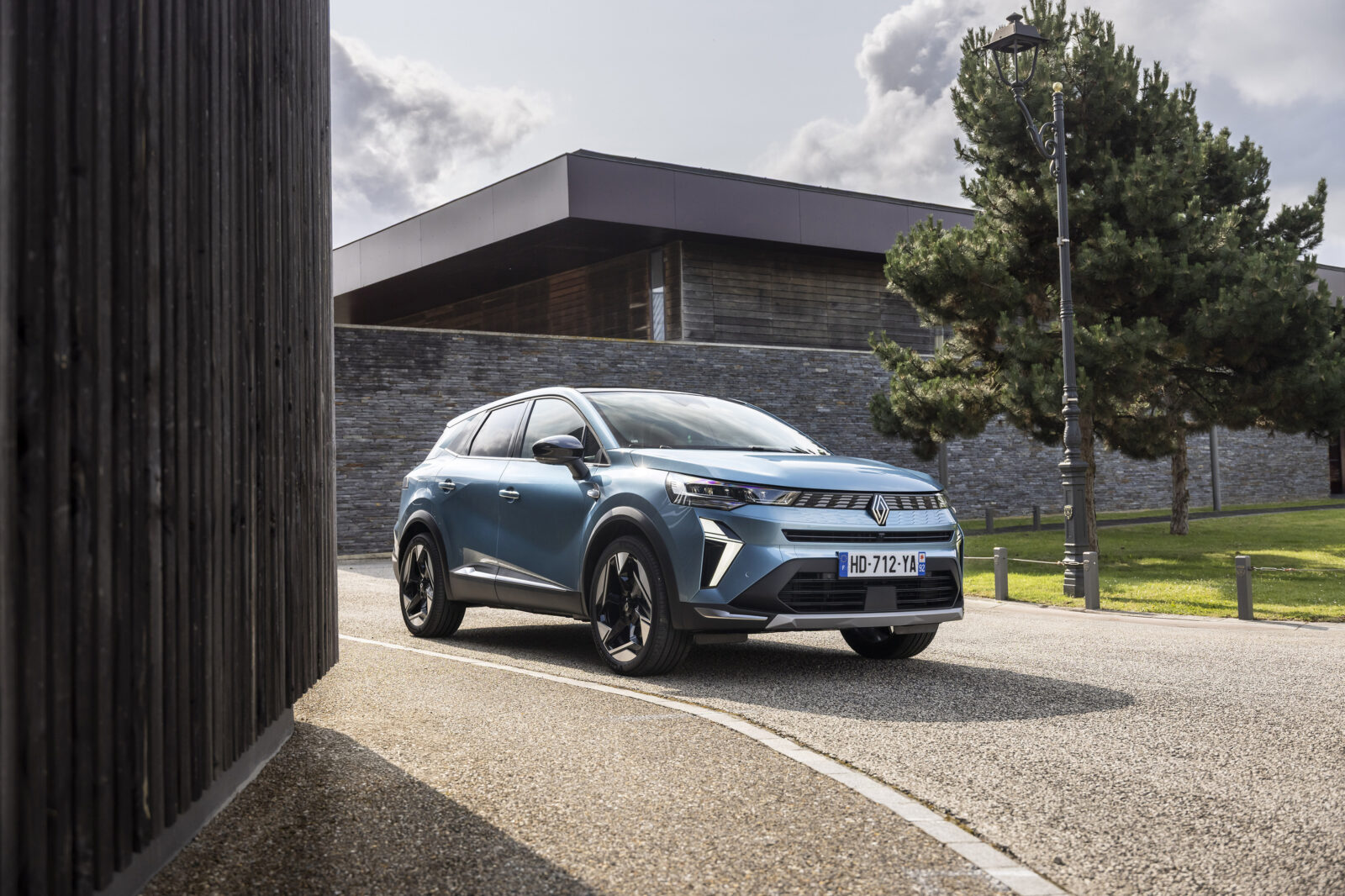
The Renault Espace offers families a great deal of space and comfort as an MPV, but it requires careful selection to avoid disappointment. When buying, always check the transmission, suspension and electronics, and in particular avoid the early model years with a dry clutch. It is important to be well informed in advance about the known Renault Espace teething problems and weaknesses per generation. In this article you will find concrete buying tips, reliable engine variants and a practical checklist for the MOT inspection.
Which generation Renault Espace is best
The Renault Espace is available in two generations. Each generation has its own pros and cons. The Espace IV (2002-2015) is affordable and widely available on the used-car market, with prices from €1,000 to €24,000. This generation scores well for safety, space and driving characteristics. The Espace V (2015-present) is a stylish crossover with a high driving position, limousine-like interior and SUV functionality.
For the Espace IV, the Phase 2 Grand Espace 2.0T diesel with the Nissan engine is the most sensible choice. Ideally choose a model from model year 2006 onwards. This engine is smooth, economical and reliable if there is a complete service history. Preferably go for a manual version in Privilège or Initiale trim. These variants offer sufficient luggage space behind the third row of seats. The standard equipment is good. Avoid automatics, as these are unreliable. Engines below the 2.0T are also not recommended because they are too slow for a car of this size.
The Espace V is mainly suitable for buyers who are looking for a recent model year with documented service history. Choose a model from the facelift after 2019, because quality clearly improved after that. Petrol versions dominate with 60% of the supply and are often combined with an automatic gearbox. Do be aware that early model years show variable quality and are best avoided. Ex-lease examples from Renault dealers are a safe choice, often with warranty through the Top Occasion programme.
‘ These gearboxes regularly fail and are expensive to replace. ‘
What to look out for with a used Renault Espace
When buying a used Renault Espace, pay extra attention to the transmission, suspension and electronics. The transmission is a known problem, especially with automatics in the Espace IV. These gearboxes regularly fail and are expensive to replace. For that reason, always choose a manual version on older models.
The suspension should be smooth and quiet during the test drive. Check the shock absorbers for leaks and test the springs over various road imperfections. The electronics are sensitive, especially on the Espace IV. Common faults include the air conditioning, navigation and tyre pressure sensors. During the test drive, test all electrical functions, including the windscreen wipers and lighting.
A complete service history is important. Check whether all services have been carried out according to Renault’s service schedule. On diesel models the AdBlue function is a particular point of attention, especially on the Espace V. Problems with the AdBlue system can lead to expensive repairs. Cooling leaks also occur, so check the coolant level and look for signs of leaks under the bonnet.
Which model year of the Renault Espace is reliable
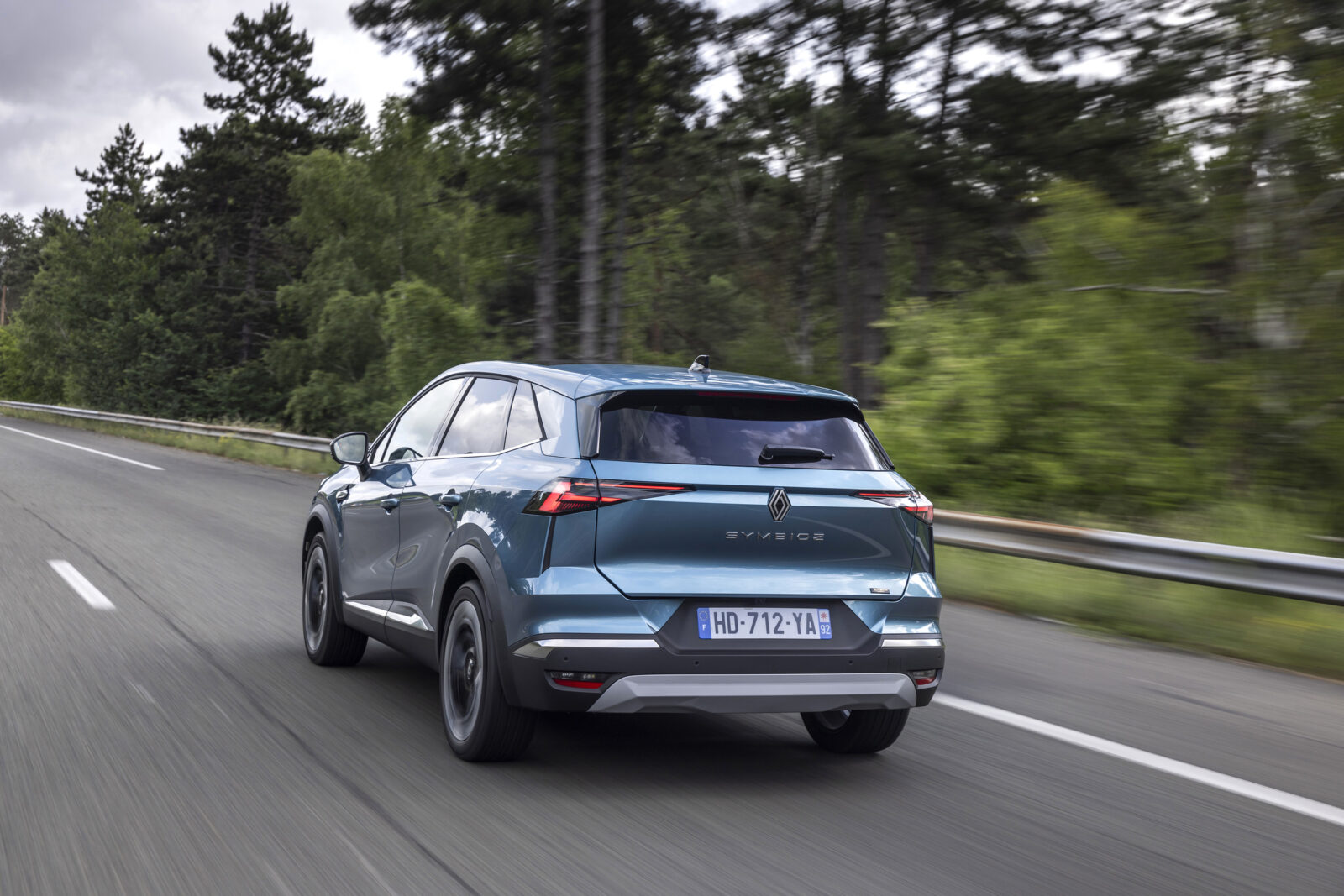
The most reliable Renault Espace is the Phase 2 from the Espace IV generation. This version was produced from 2006 onwards. In that year Renault switched to the Nissan 2.0 dCi diesel, which is considerably more reliable than the earlier variants. The Phase 1 from 2002-2006 suffers from more teething problems and weaker build quality.
Within the Espace V range, models from the facelift onwards are the most reliable. This facelift took place in 2019. Early model years of the Espace V show inconsistent quality and are sometimes described by users as test models. The later versions have improved details and fewer problems with electronics and cooling.
The choice between diesel and petrol depends on your driving pattern. Diesels are suitable for high mileages and long journeys. Petrol versions with the 1.6 or 1.8 TCe are lively with a relaxed driving style and work smoothly with an automatic gearbox. Avoid the 3.6 V6 or 3.0 V6 dCi, as these engines have high fuel consumption and many defects.
Checklist for Renault Espace MOT inspection
The MOT inspection is a good moment; this is when you can check specific weak spots of the Renault Espace. Start with the brakes, as brake wear and corrosion are common reasons for failure. Check the thickness of the brake discs and the condition of the pads. On the Espace V, brake wear is a known issue. According to the roadside assistance service, this often leads to defects.
The exhaust must be gas-tight. On the Espace V it is quite common for the exhaust not to be completely gas-tight. This leads to an MOT failure. Visually check all welds and joints and have the mechanic measure the CO values. Tyre damage is also a point of attention, especially on the inside of the tyres due to suspension wear.
Check the following points for the MOT:
- Brake discs and pads for wear and corrosion
- Exhaust system for gas-tightness and leaks
- Tyres for tread depth, uneven wear and cracks
- Shock absorbers for leaks and proper operation
- Windscreen wipers for proper operation and condition of the rubber blades
- Lighting: all bulbs must work
- Steering system for play
‘ This engine is therefore not recommended. ‘
Common problems with the Renault Espace
The Espace IV suffers from specific problems, which differ per model year. Automatics are a weak point and regularly fail. The electronics cause faults in the air conditioning, navigation and tyre pressure sensor. The build quality of Phase 1 is mediocre, which can lead to many minor issues.
On the Espace V, the early model years are prone to problems. Common issues are AdBlue faults on diesels, cooling leaks and exhausts that are not gas-tight. Brake wear is a serious concern that can lead to dangerous situations. The wipers and tyres also often need replacing due to wear.
Users of the 3.0 V6 report that virtually everything can fail on this engine type. This engine is therefore not recommended. Buyers who go for early models are often seen as test drivers. The teething problems on these models had not yet been resolved. Later production examples are considerably more reliable thanks to further development and improved quality.
Tips for a good purchase
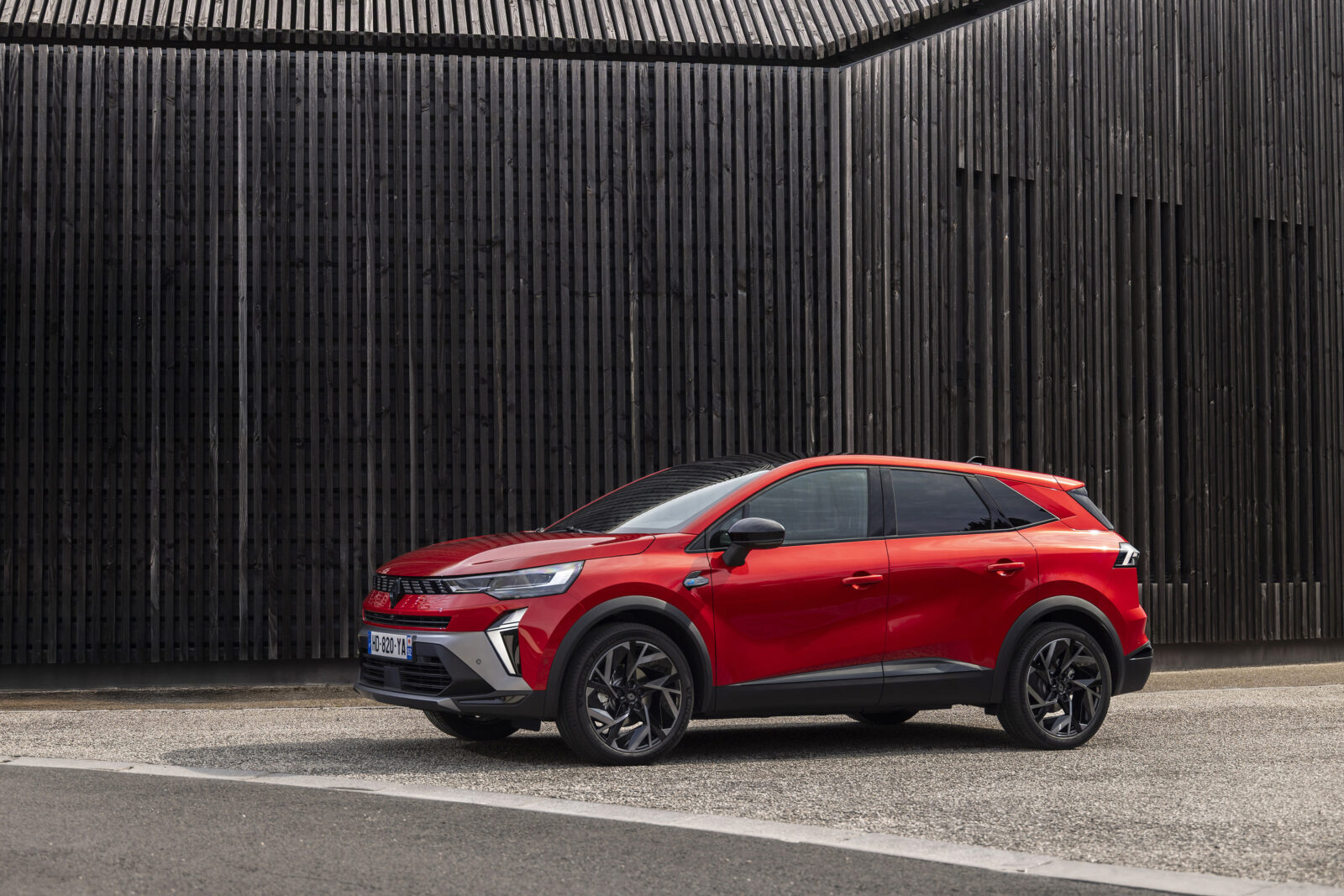
Preferably buy a Renault Espace through a Renault dealer. Choose a dealer with Top Occasion status for warranty and a technical inspection. These cars come with a warranty and have been technically checked. Ex-lease examples are often well maintained and have a complete service history. Avoid private sales without clear service records.
During the test drive, thoroughly assess the driving characteristics. The suspension should be supple and the car should drive quietly over different road surfaces. Check the space and functionality of the seating configuration. The Grand Espace offers luggage space behind the third row of seats, which is practical for families. Also pay attention to the storage compartments and the panoramic roof, although the latter can limit headroom in the rear.
Diesel is the preferred option for buyers who cover many miles. These engines are suitable for longer distances and offer good reliability. Petrol is better suited to a relaxed driving style and shorter trips. For diesels, make sure there is a complete service history with regular oil and filter changes. On petrol models, the 1.8 TCe is more powerful than the 1.6 and therefore worth choosing if your budget allows.
Is the Renault Espace a good choice
The Renault Espace is a sensible choice for buyers who want space, comfort and style without high purchase costs. The car offers plenty of practical storage options and a high driving position without the SUV shape. The supply is wide, with both affordable older models and more recent examples. Around 40% of the available cars are diesels.
Renault’s reliability has improved, and the roadside assistance service does not see any specific recurring issues with the Espace V. Even so, around 7% of cars still experience defects, mainly with the brakes. If maintenance is neglected, many components can fail, so a good service history is essential.
The Renault Espace appeals to a specific group of buyers who are looking for luxury and space in a unique shape. For families or people who regularly make long journeys, it is a comfortable and practical car. Choose a well-maintained example with a recent model year or a Phase 2 with a Nissan engine, and you will have a spacious MPV without major surprises.
On the Carnews website you will find much more information about used cars, common problems and smart buying tips. Discover which models suit your needs and what to look out for when making your next purchase.
Frequently asked questions
For the Espace IV, the 2.0 dCi diesel engines (especially the Phase 2 after 2006, preferably with a manual gearbox) in particular have a good reputation for their combination of reliability, pulling power and comfort. For the Espace V, the 1.6 and especially the 1.8 TCe petrol engines are considered the best choice for smooth driving characteristics and sufficient driving pleasure, provided there is a complete service history. Avoid the larger V6 engines (both petrol and diesel) because of their higher susceptibility to faults and higher costs.
On the Espace IV (2002-2015), the automatic gearboxes in particular are fragile and expensive when problems occur, as is the case for various electronics (air conditioning, navigation, tyre-pressure monitoring system) and the mediocre build quality of the early Phase 1 examples. The 3.0 V6 (diesel) is known for being highly prone to faults and for its high repair costs; it is better to choose the later 2.0 dCi (after 2006) with a good service history. On the Espace V (from 2015), AdBlue systems (diesel), coolant leaks, fast-wearing and/or rusty brakes, exhausts that are not gas-tight and wiper problems are most often mentioned as expensive or recurring issues, especially on early model years. For all generations, a proven service history is crucial to avoid expensive surprises with the engine, brakes and electronics.
During a pre-purchase inspection of an Espace, you should pay extra attention to the brakes (wear and any corrosion), the exhaust (rust, leaks and whether it is still gas-tight) and the entire cooling system for leaks. In addition, thoroughly check the electronics (air conditioning, navigation, tyre-pressure monitoring system, lighting and windscreen wipers), as faults can occur here. On older Espace models the automatic gearbox must be critically tested for smooth, jerk-free gear changes and any delay, or you should deliberately opt for a manual version. Finally, a complete service history is crucial in order to detect engine and AdBlue problems on diesels at an early stage.
For the older generations (especially the Espace IV, in particular Phase 1), maintenance costs are often higher due to more electronic problems, weak automatics and age-related wear, while certain parts are more difficult to source or only available via specialist suppliers. For the later Espace IV Phase 2 (after 2006, especially with the 2.0 dCi), costs are somewhat more manageable and common wear parts and engine components are reasonably easy to obtain. For the Espace V, maintenance costs are generally more predictable, provided you choose a younger model year with a documented dealer service history, and parts are more readily and quickly available thanks to the more recent age. However, specific items such as AdBlue and electronic components on the V can be relatively expensive compared with older, more mechanical parts if they fail.
For enthusiasts, well-equipped versions such as Privilège and especially Initiale are important, with luxury options such as leather upholstery, an advanced infotainment system and a comprehensive safety and comfort package. A powerful and sought-after engine (for example the 2.0 dCi diesel or the more powerful TCe petrol engines) combined with a manual gearbox on the older generations also contributes strongly to residual value. Practical seven-seat layouts with sufficient luggage space behind the third row are also in demand on the market. Finally, popular extras such as a panoramic roof, navigation, parking sensors and a properly functioning air conditioning/climate control system increase the appeal and residual value of a used Espace.