
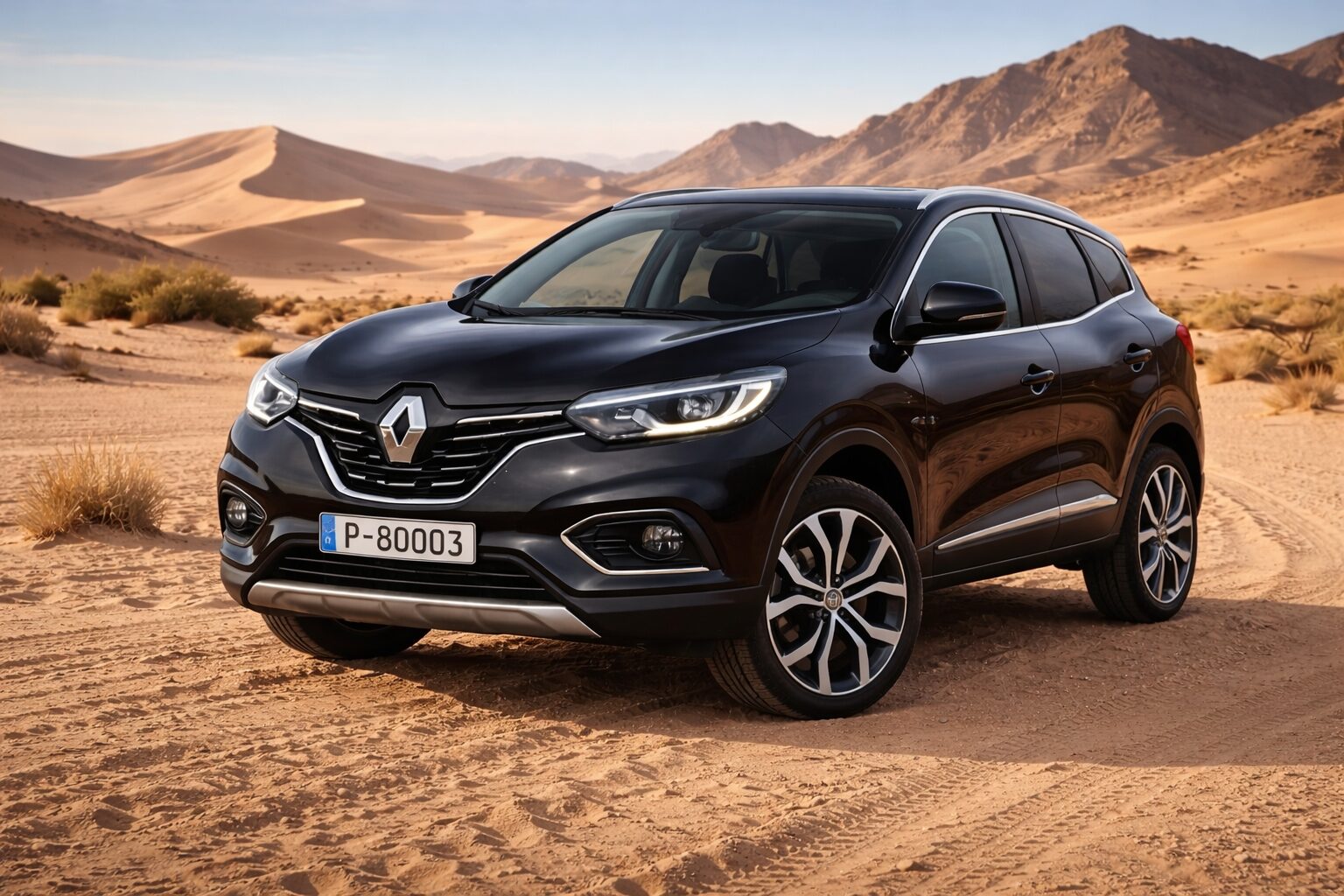
A used Renault Kadjar seems at first glance a sensible choice for anyone looking for a spacious crossover with comfortable driving characteristics. However, many examples suffer from engine- and fuel-related issues that should put you on your guard as a buyer. Read on for an overview of common problems and concrete tips to recognise them before you go ahead with the purchase.
What to look out for when buying a used Renault Kadjar
The Kadjar shares its platform with the Nissan Qashqai, which helps keep parts relatively affordable. Even so, Renault-specific electronics remain a weak point. Before you buy a used Kadjar, it is sensible to check the full service history thoroughly. Pay particular attention to these elements:
- Documentation of timing chain maintenance and replacements
- Service history of the automatic gearbox and any transmission problems
- Recent MOT test and any noted defects
- Software updates and filter replacement on diesel models
Always ask for complete service records. Cars without a clear history may be hiding problems. The Renault Kadjar has specific weaknesses which, without timely maintenance, can escalate into expensive repairs.
Common pitfalls with a Renault Kadjar used car
Diesel models from 2022 and later stand out because of a series of persistent problems. Owners regularly report high fuel consumption, loss of power and juddering during acceleration. In some cases the engine even stalls suddenly, often accompanied by an illuminated engine warning light on the dashboard.
The fuel pressure regulator is a recurring problem. Faults in this component cause irregular pressure in the system, leading to loss of power and engine issues. Diagnosis with an OBD scanner is therefore essential before you buy a car. During the test drive, watch out for the following signs:
- Irregular engine speed or hesitant acceleration
- Warning lights illuminated on the dashboard
- Juddering at higher speeds or under load
- Unusually high fuel consumption
Plan at least 30 minutes for the test drive, with a substantial part on the motorway. Only then will you detect loss of power and juddering that only appear at higher speeds.
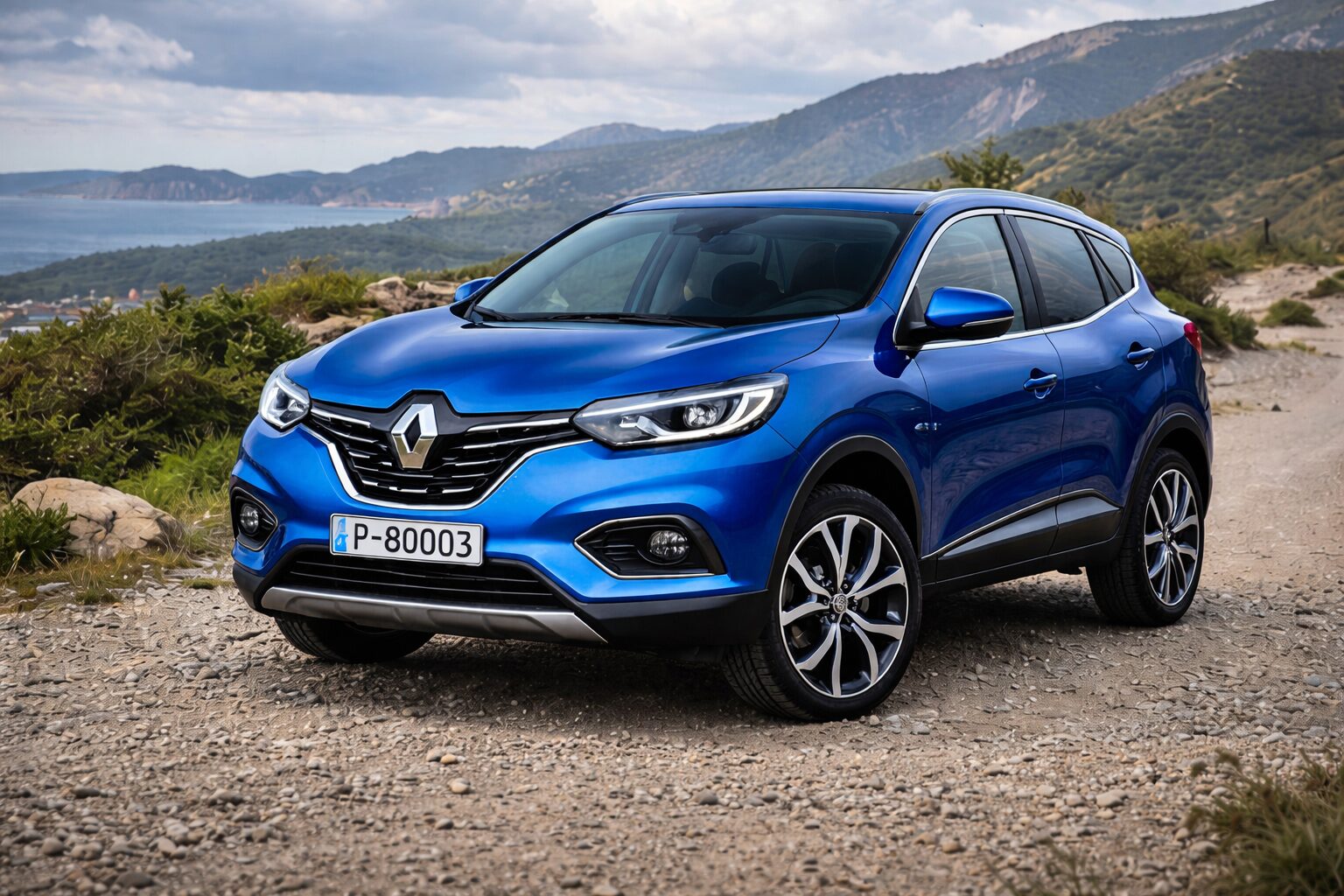
Electrical faults and corrosion
Besides engine problems, many Kadjars suffer from electrical issues. Damaged or corroded wiring and connectors cause recurring faults. This mainly affects older examples or cars that have regularly driven in damp conditions.
Before buying, check the wiring around the engine and the connectors for visible corrosion. Ask the seller about previous electrical faults and how they were resolved. Temporary fixes without replacing affected components often lead to new problems.
Is the Renault Kadjar reliable as a used car?
The reliability of a used Kadjar depends heavily on the engine type and model year. Petrol versions generally perform better than diesel models and cause fewer problems. Model years 2016 to 2018 with a low mileage under 100,000 kilometres are considered the most reliable choice.
Cars with high mileages are more at risk of rust on the chassis, gearbox problems and electronic failures. These issues occur frequently and can be very costly. Never ignore warning lights, as they often predict expensive repairs which will only get worse without prompt action.
With proper maintenance, the Kadjar can reach 250,000 kilometres or more. That does require timely attention to reported faults and preventive maintenance on sensitive parts such as the fuel pressure regulator.
‘ Rust is a recurring problem, especially with examples from Northern Europe where road salt attacks the bodywork. ’
Practical tips for inspection and test drive
Always have a diagnosis carried out with an OBD tool before purchase. This scanner provides insight into fuel pressure, sensors and any fault codes that are not yet visible on the dashboard. Many garages offer this service for a modest fee.
Also look underneath the car during the inspection. Rust is a recurring problem, especially with examples from Northern Europe where road salt attacks the bodywork. Check the exhaust, wheel arches and chassis thoroughly for rust spots.
Plan the test drive so that you can test different driving conditions. Drive in town, on the motorway and on twisty roads. Pay attention to the shifting of the automatic gearbox, irregular engine speed and vibrations. Turn off the radio so you can hear any unusual noises from the engine or gearbox.
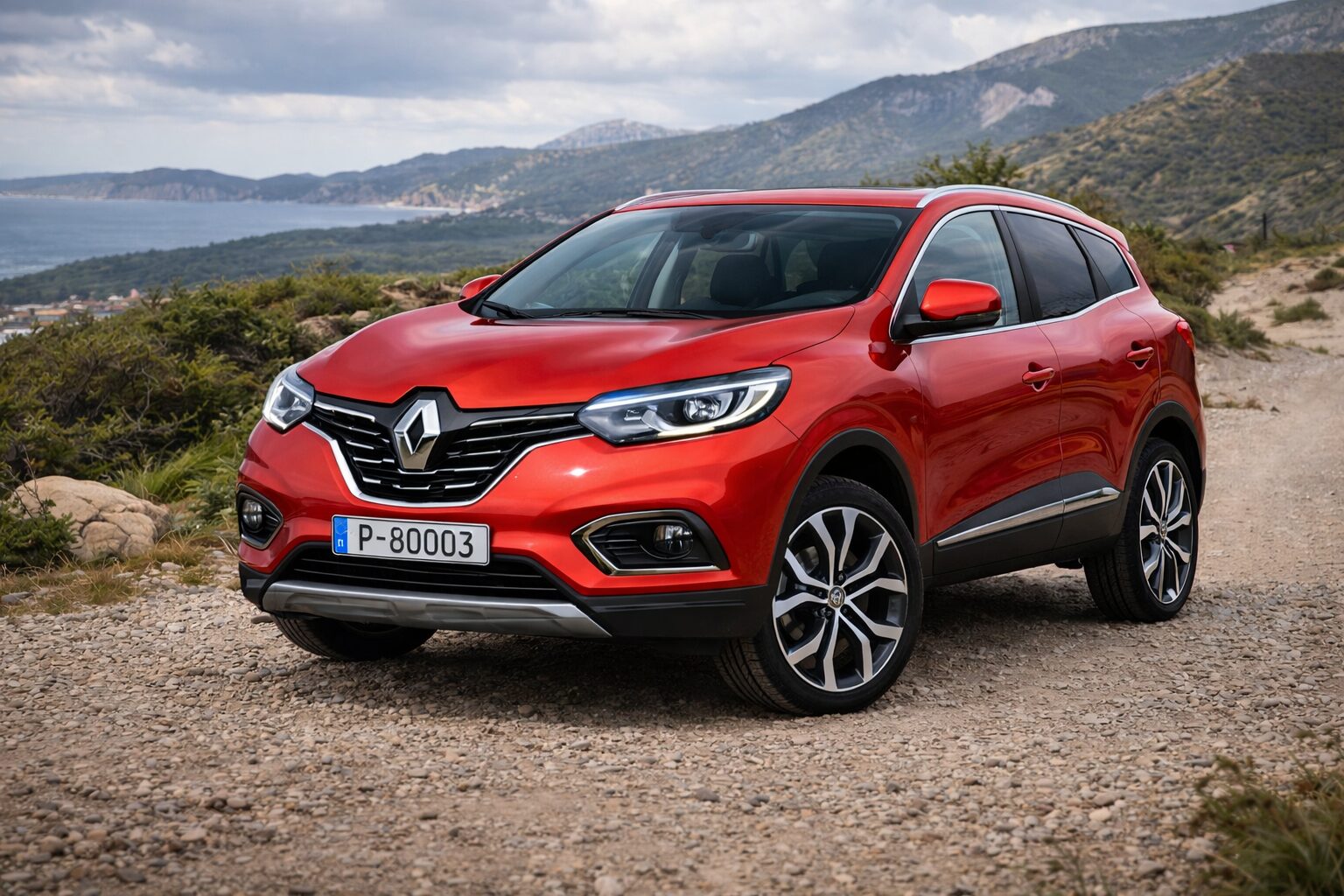
Budgeting for repairs and maintenance
Repairs to the fuel pressure regulator and related problems cost on average between 500 and 1500 euros. Electrical faults can range from simple wiring issues to more complex electronic problems that turn out more expensive.
Use reported faults as room for negotiation. In the case of known problems or active warning lights, you can ask for a 10 to 15 per cent discount on the asking price. That gives you financial leeway for necessary repairs immediately after purchase.
Avoid cars that have recently been repaired without clear documentation. Temporary fixes or resetting fault codes without proper repair only hide the problems until after the sale.
Which Kadjar is best avoided
Diesel models from 2022 and later stand out because of an above-average number of complaints about engine problems and fuel pressure. If you still opt for diesel, choose an older model year with demonstrably good maintenance.
Examples without a recent MOT test or with gaps in the service history are a risk. The lack of documentation makes it impossible to verify whether sensitive components have been replaced or repaired in time.
Cars with more than 150,000 kilometres on the clock require extra attention. At that age and mileage, wear and the risk of expensive repairs to engine, gearbox and electronics increase.
Concrete checklist for purchase
Use this checklist when inspecting a used Kadjar so you do not overlook anything:
- Full and documented service history available
- OBD diagnosis carried out with no active fault codes
- Wiring and connectors visually checked for corrosion
- Test drive of at least 30 minutes including motorway section
- Chassis checked for rust
- No active warning lights on the dashboard
- Gearbox shifts smoothly without juddering
- Recent MOT without major defects
Invest in a pre-purchase inspection at an independent garage. For a few tens of euros you get professional advice that can save you thousands of euros in hidden problems.
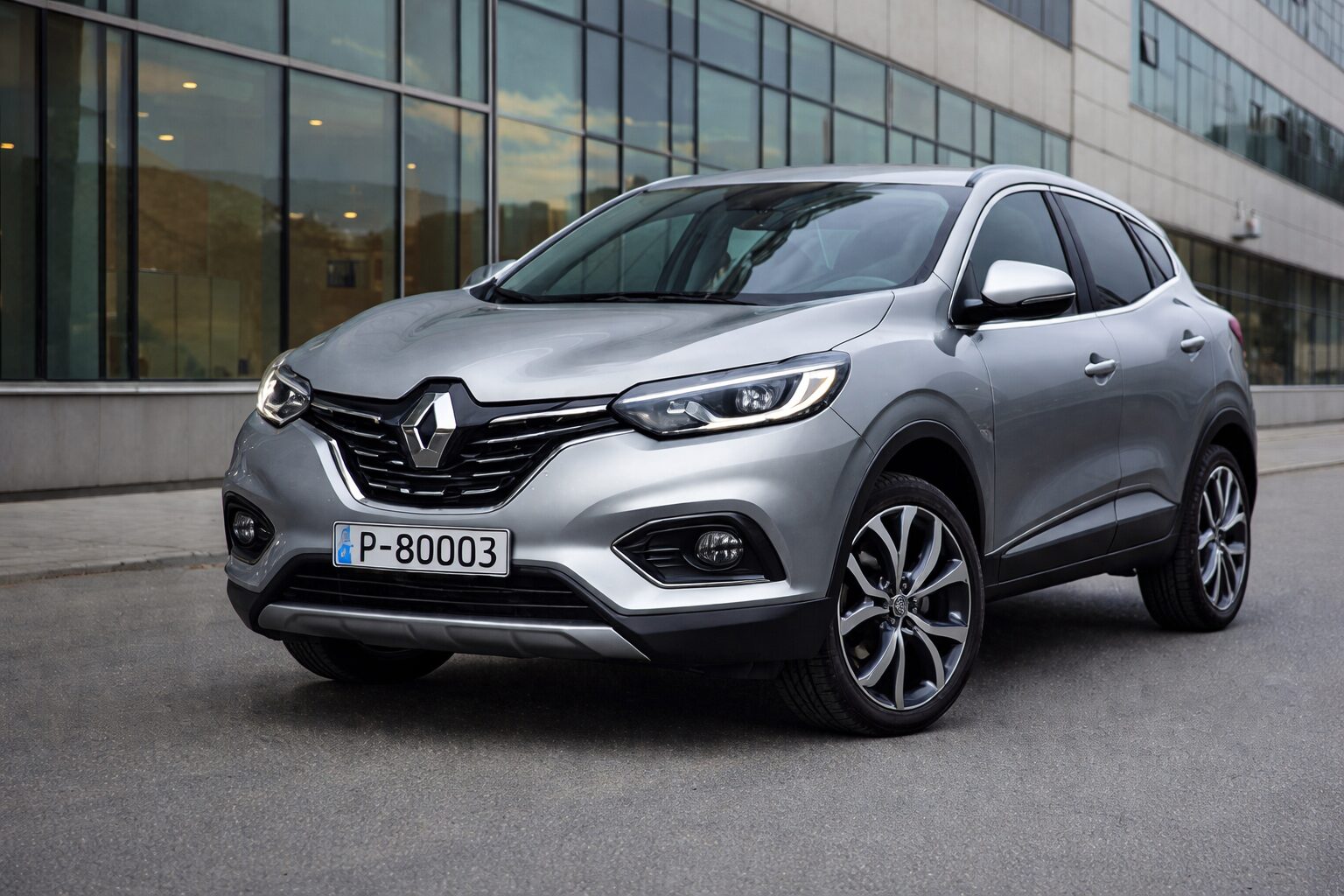
Considering alternatives
Are you having doubts about the reliability of the Kadjar after all this information? Then consider similar crossovers that are less prone to engine and electronics issues. The Nissan Qashqai offers the same platform basis with sometimes more reliable electronics.
Also look at petrol versions instead of diesel. They cause significantly fewer problems with fuel pressure and engine electronics. The slightly higher fuel consumption usually does not outweigh the lower maintenance costs.
Discover more about buying and maintaining a car
Buying a used Kadjar requires careful preparation and thorough inspection. With the right knowledge of common problems and concrete points of attention during the test drive, you can make a well-considered choice. On the Carnews website you will find many more buying guides, maintenance articles and problem overviews for various car brands and models. Discover more tips and increase your knowledge for a worry-free car purchase.
Frequently asked questions
Common problems with a used Renault Kadjar include engine and fuel issues (especially on diesels), faults with the fuel pressure regulator, electrical problems due to corroded wiring, and general wear such as rust and gearbox issues. During inspection, always check for warning lights, have an OBD diagnosis carried out (including fuel pressure and sensors) and examine the wiring and connectors around the engine for damage and corrosion. During a long test drive (at least 30 minutes, including motorway) watch for juddering when accelerating, loss of power, irregular fuel consumption and any hesitating or stalling. Under the car, check the chassis for rust, listen to the gearbox for unusual noises and ask for a complete service history with a recent MOT.
The most common problems on the Kadjar – such as fuel pressure regulator, electronic faults and rust/chassis issues – roughly cost between €500 and €1500 per repair, with several issues potentially adding up. As a result, over a few years you can easily spend several thousand euros extra on an example with a breakdown history. The lower purchase price is only worthwhile if you buy a well-maintained petrol Kadjar that has been checked technically and is delivered without major fault codes or rust. Without such a thorough pre-purchase inspection, the lower purchase price usually does not outweigh the risk of expensive repairs.
Dealbreakers include persistent engine problems such as loss of power, juddering or stalling in combination with an illuminated engine warning light, especially on diesel models. A defective fuel pressure regulator, or one that has already been replaced several times with recurring complaints, is also a reason to walk away. Extensive electrical faults (multiple systems failing, water damage/corrosion in wiring looms) are likewise a red flag. Severe rust on the chassis or structural body parts makes the car inadvisable at any price.
Repaired problems do not have to affect reliability significantly, provided they have been professionally remedied and this is supported by invoices and a complete service history. Ongoing or recurring issues such as engine or fuel pressure problems, electrical faults and rust do affect reliability and increase the likelihood of costly repairs. A Kadjar with demonstrably structural or repeated problems will have a lower future resale value than a comparable example without this history. Buyers and traders usually factor in a higher risk premium for known or documented problems, resulting in a lower part-exchange or sale price.
Ask for the complete service history (stamped service book and invoices), with emphasis on engine and fuel system repairs, including any replacement of the fuel pressure regulator and injectors. Request to see all recorded fault codes and diagnostic reports (OBD read-outs) from recent years, especially where there have been complaints about loss of power or hesitation. Check whether software updates, recalls and warranty/goodwill repairs have been carried out and documented by an official dealer. In addition, ask for reports of recent MOTs, inspections or pre-purchase checks, with findings on rust, electronics and gearbox.