
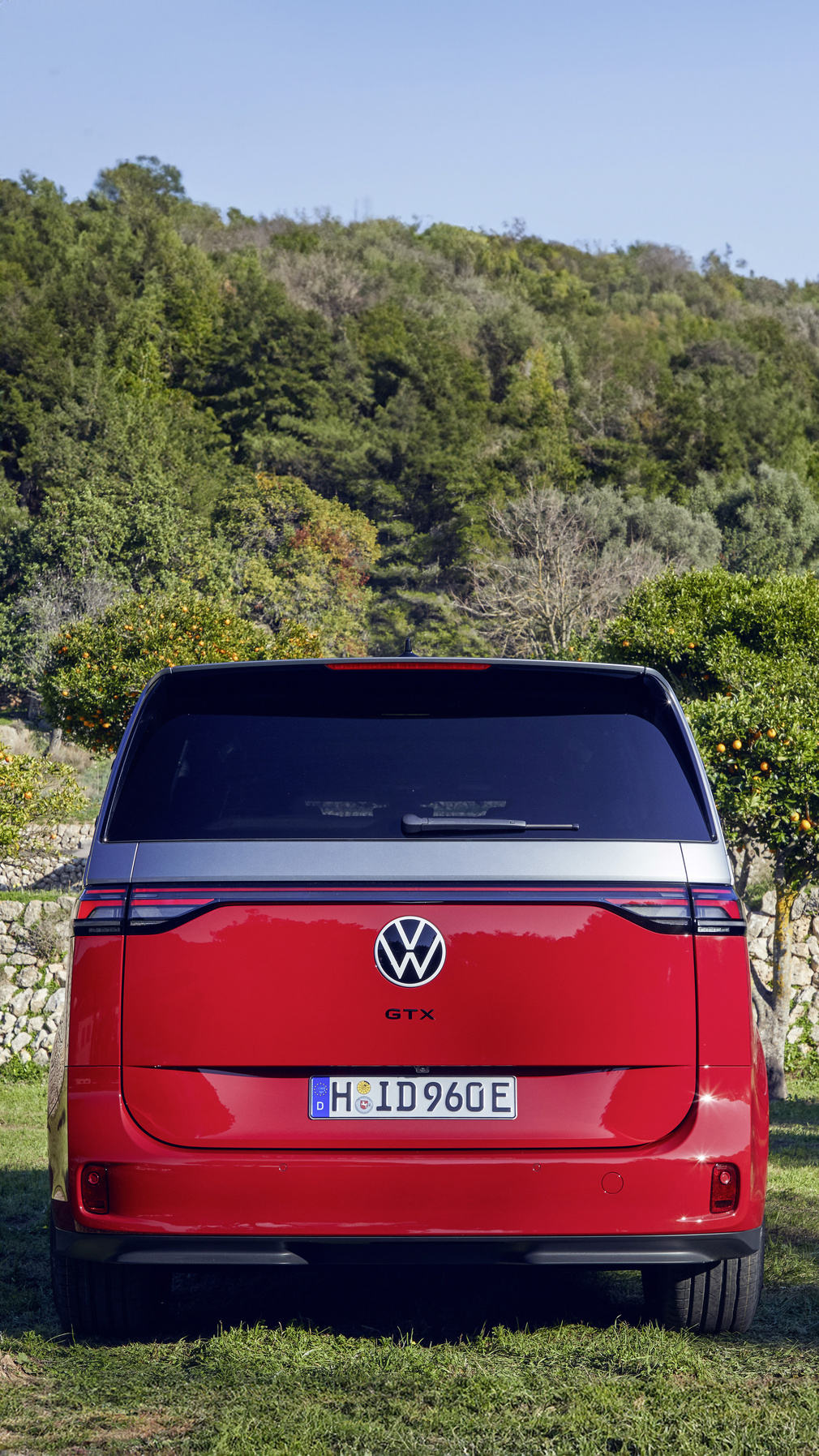
The Volkswagen ID. Buzz will still be struggling with familiar software issues and limited winter range in 2026. Waiting for updates is wiser than buying on impulse. It is not a bad family vehicle, but the balance between retro charm and early technical issues calls for a critical assessment. If you are interested anyway, you can benefit from discounts on the Freestyle or 75-Jahre editions, but keep a very close eye on the risks.
Ongoing problems make patience the best strategy
The Volkswagen ID. Buzz is, in real-world use, plagued by software glitches that mainly affect early buyers. Users report stuttering touch controls and system updates that are not always rolled out in time. These issues are understandable given the young MEB platform and the digital interface, but they can sometimes make daily use frustrating.
In cold months the range shrinks to around 300 kilometres, while the WLTP standard promises up to 470 kilometres. For families who regularly drive long distances, this can be a dealbreaker. Waiting for model-year updates gives Volkswagen the chance to phase out these teething troubles, which may then improve reliability. So do not buy in a rush.
‘ Discounts are tempting, but only make sense if the overall package fits your budget and expectations. ’
Discounts on special editions offer opportunities
In 2026 dealers regularly offer discounts on the Freestyle and 75-Jahre editions to clear stock. These versions come as standard with metallic paint, a 360-degree camera and adaptive cruise control. They are more attractive than the basic versions. Do pay close attention to the total price: even with a discount you will quickly pay over 80,000 euros for a well-equipped variant.
Luxury tax on more expensive configurations can rise sharply in some markets. Always compare the total purchase costs with alternatives such as the Kia EV9 or Hyundai Ioniq 9. These competitors offer more range and fewer software issues. They lack the iconic looks of the ID. Buzz. Discounts are tempting, but only make sense if the overall package fits your budget and expectations.
For families, the long wheelbase is practical
If you want seven seats, the long wheelbase is a must. The third row offers enough space for children, but adults will find it cramped. Always test this during a test drive with your own family. Check whether the layout suits you. The five-seat version with the short wheelbase is more manoeuvrable in the city, but lacks flexibility for larger families.
For versatility, add a towbar. The ID. Buzz can then tow up to 1,600 kilograms with the GTX version. This makes it suitable for caravans or trailers. The range drops quickly with heavy loads. Storage space is generous, with swivel and adjustable seats that make the interior adaptable to different situations.

Buying second-hand calls for extra vigilance
Second-hand ID. Buzz models from 2022 and 2023 may have software that is no longer up to date. Always ask the seller for an overview of the updates that have been carried out. Check whether the factory warranty is still valid. Some owners report that dealers do not update proactively, which can leave you stuck with outdated systems.
Watch out for signs of heavy use, such as wear on the touch interface and scratches on the large glass roof. Ask about the charging history. Frequent rapid-charging sessions can affect the battery’s lifespan. A check-up at a specialist garage can prevent a lot of trouble. Never buy without a complete service history and, in case of doubt, an independent inspection.
The GTX is powerful but expensive
The GTX version has four-wheel drive and delivers up to 330 hp, ideal for hilly areas or for those who need pulling power. The extra cost of around 30,000 euros over the base version is only justifiable in specific situations. If you regularly carry heavy loads or drive in mountainous areas, the investment makes sense. For city use and flat motorways, the rear-wheel-drive Pro version is more than sufficient.
The GTX’s energy consumption is higher due to the extra weight and the second motor, which further limits its range to around 370 kilometres. If you mainly drive short trips, the extra power does not outweigh the costs. Make a realistic assessment of your needs before opting for the GTX.
Charging infrastructure requires preparation
Invest in a home wallbox of at least 11 kW so you can charge efficiently. A full charge then takes around nine hours, which can easily be scheduled overnight. On the road you can charge with direct current at up to 200 kW. The battery will go from five to eighty per cent in thirty minutes. Look up suitable rapid-charging stations in advance on the routes you drive regularly.
In practice, rapid charging works best at temperatures above ten degrees. Cold slows down the charging process and reduces the range. Plan extra time during the winter months. If you often drive long distances, the ID. Buzz becomes less attractive. For daily trips within a radius of 150 kilometres, however, it is perfectly usable.
Compare with rivals on range and price
The Kia EV9 offers up to 560 kilometres of range and in a comparable specification costs about the same as the ID. Buzz GTX. The Hyundai Ioniq 9 has faster software and a longer warranty. It is not yet on sale everywhere. The ID. Buzz wins on looks and nostalgic appeal, which for many buyers weighs more heavily than the figures on paper.
Think carefully about your priorities. Key aspects are maximum driving range, state-of-the-art technology or recognisable style. Test all options before you decide. The market is changing fast and new models are appearing regularly, making the comparison in 2026 different from previous years.
‘ If you wait until the end of 2026 or the beginning of 2027, you will benefit from more reliable systems. ’
Waiting often pays off more than buying now
Volkswagen is working on software updates for the coming model years and is also improving battery management. If you wait until the end of 2026 or the beginning of 2027, you will benefit from more reliable systems. The range may also improve. The market for electric family cars is growing rapidly. The choice is becoming broader, and prices may fall due to increasing competition.
If you are in a hurry or are being offered an attractive deal, always check what is possible in terms of free software updates and service agreements. Do not let yourself be tempted by the retro looks alone. Does the car meet your practical requirements? Is the price in proportion to what you get in return? Ask yourself these questions before you buy.
On the Carnews website you will find more information about electric family cars, maintenance tips for EVs and comparisons between popular models. Discover which alternative best suits your situation and stay up to date with developments in the market.
Frequently asked questions
The 2026 ID. Buzz offers car enthusiasts interesting specifications such as an electric motor with up to 286 hp (or the more powerful GTX) with up to 550 Nm of torque, a low centre of gravity thanks to the MEB platform, and an 86‑91 kWh battery with fast DC charging up to 200 kW. This translates into brisk, almost sporty acceleration (0–100 km/h in around 6.6 seconds) and plenty of pulling power, especially noticeable when overtaking and towing. The direct steering and stable road holding inspire surprising confidence for such a tall, spacious bus, while still providing enough comfort for long journeys. At the same time, it remains manoeuvrable in town thanks to its small turning circle and good all-round visibility, which makes day-to-day driving feel playful and relaxed.
The practical range of the 2026 ID. Buzz for long-distance drivers is around 300–350 km in real life on predominantly motorway journeys, despite a WLTP range of up to roughly 470 km. Thanks to DC rapid charging up to 200 kW, you can charge from 5 to 80% in around 30 minutes. That means, roughly, a half-hour top-up after every 2.5 to 3 hours of driving. For true long-distance drivers, efficient charge planning along 200 kW stations is therefore essential.
The 2026 ID. Buzz stands out with a modern MEB electric platform, fast DC charging technology up to 200 kW and advanced driver-assistance systems (such as adaptive cruise control and a 360° camera), which make long journeys and charging more practical and less stressful than with many rivals and older models. The high, SUV-like seating position combined with the spacious van body and flexible 5- or 7-seat layouts boosts usability for families and makes getting in, driving and parking easier. The retro-inspired interior design with modern digital controls and large screens creates a unique atmosphere that links back to the classic Kombi, but with contemporary tech. Together, these innovations deliver a distinctive mix of nostalgic character and modern comfort that noticeably enriches everyday use.
The 2026 ID. Buzz clearly sits in the higher price segment of electric MPVs/vans, with starting prices around €70,000–€80,000 and well-equipped versions that can easily head towards or exceed €100,000. Compared with many competitors (such as converted electric commercial vans), it offers more comfort and safety equipment as standard, a more upmarket interior and faster charging capabilities. Against premium electric 7-seaters (for example the Kia EV9/Hyundai Ioniq 9) it is similarly priced or slightly more favourable, but with a little less emphasis on maximum range and more on design and overall feel. This makes the ID. Buzz mainly a lifestyle and premium choice within the electric MPV/van segment, not the budget option.
Yes, the 2026 ID. Buzz offers trims and options that appeal to an enthusiastic driver. Specifically, the sportier GTX version with four-wheel drive, extra power and better pulling power is aimed at driving dynamics. In addition, there are various equipment levels (such as Style and Addition) and options that allow you to personalise looks, comfort and technology.