
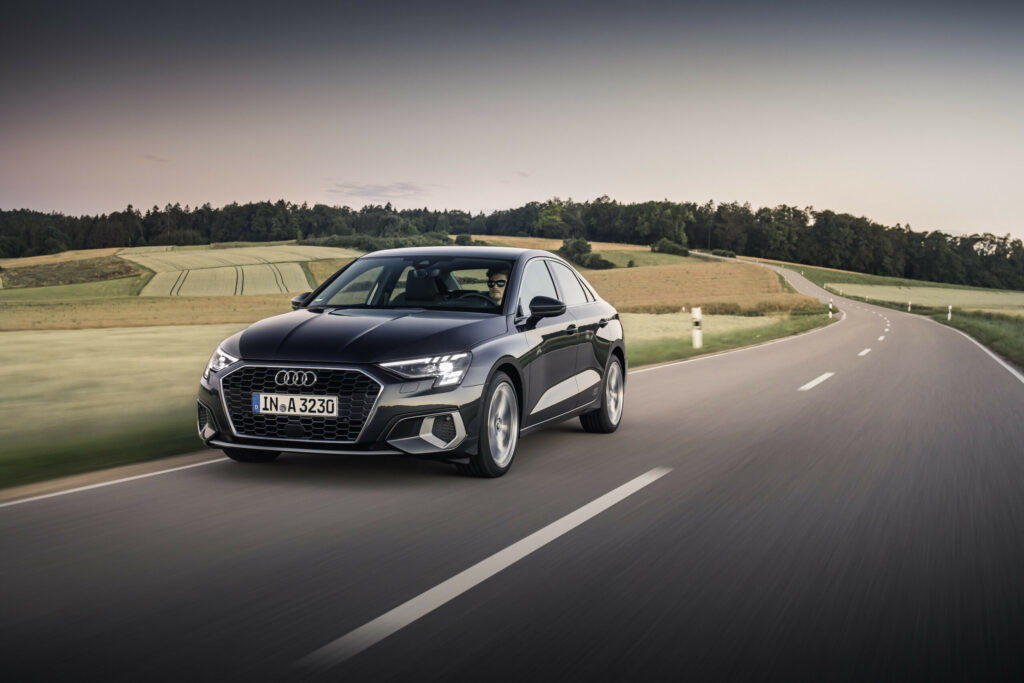
The Audi A3 combines premium quality with sporty handling, but the common problems differ greatly between generations. For the 8P generation (2003–2013), always check the timing chain. For TDI models, have the water pump inspected. For the 8V, check the software thoroughly. Avoid tuned RS3 versions and S tronic transmissions with high mileages that do not have a complete service history. Want to know which A3 best fits your budget?
The Audi A3 now exists in four generations, each with its own character and points of attention. Knowing the specific problems helps you avoid expensive surprises. The compact three-door 8L and the modern 8V (based on the MQB platform, a shared chassis with the Golf) each have their own weak spots. Known issues can be managed with the right checks before purchase.
Do you want to know more about common problems and how to recognise them? On the Audi A3 page you will find a complete overview of technical complaints and maintenance costs by generation.
First generation 8L: solid base with limited risks
The 8L generation (1996–2003) laid the foundations for the A3’s success. This three-door hatchback looks angular yet timeless. Engine choices range from FSI petrol engines to strong TDI diesels. Rust resistance is good, but the climate control and suspension can cause problems over time.
Known points of attention for the 8L are:
- Climate control systems hesitate or cut out at higher mileages
- Suspension components creak or show play after intensive use
- Early models with very high mileages (over 200,000 km) show increased wear on the engine and drivetrain
The basic 1.6 with 102 hp is reliable but not very dynamic. The 1.9 TDI delivers up to 105 hp and is known as a frugal workhorse. Rare V6 versions and quattro models (with four-wheel drive) are more expensive. They do offer more driving pleasure. The S3 with 210 to 225 hp is scarce and starts at around 18,000 euros at low mileages.
For the 8L, look for examples with a complete service history. Prices start at around 4,500 euros for base versions, quattro models from 13,000 euros. Always test the air conditioning and listen for unusual noises from the suspension during the test drive.
Second generation 8P: watch the chain and turbo
The 8P generation (2003–2013) introduced the five-door Sportback, convertible version and powerful S3 and RS3. Facelifts took place in 2008 and 2010. Recognisable by the characteristic singleframe grille (the large, continuous Audi front grille), models from 2008 onwards were fitted with mandatory particulate filters. This generation offers more choice. It also has more technical points of attention.
The timing chain is the biggest risk with the 8P. Early TFSI engines in particular suffer from chain stretch. This leads to rattling noises on start-up. This problem occurs regularly in examples without consistent maintenance. Replacement quickly costs 1,500 to 2,500 euros, depending on the damage.
Which engines and transmissions should you avoid?
Early TFSI petrol engines (before 2008) show increased oil consumption. Those same engines also suffer from turbo problems. The naturally aspirated petrol engines are more reliable but less sporty. In TDI diesels, the water pump fails. This problem mainly occurs in examples that have been used intensively for short trips.
The S tronic transmission (a dual-clutch automatic gearbox) offers sporty gear changes. At high mileages (over 150,000 km) the risk of wear increases. The multitronic CVT transmission (a continuously variable automatic) from this period is known for its lower durability. If in doubt, choose a manual gearbox. Otherwise choose an S tronic with a proven service history under 100,000 km.
Always check the following on an 8P:
- Timing chain rattling when starting from cold
- Particulate filter showing regeneration problems (warning light on the dashboard)
- Panoramic roof creaking when opening and closing
- Turbo whistling or losing power under acceleration
- Suspension showing wear, especially on sporty S line versions (with a sporty equipment package)
Prefer models built after the 2008 facelift. Choose examples with a complete Audi service history. Prices range from 5,000 to 15,000 euros, depending on version and mileage. The Sportback offers more practical space without sacrificing sporty character.
Third generation 8V: modern technology with MQB issues
The 8V generation (2012–2020) shares the MQB platform (a shared technical base with the Golf 7) with the Golf 7 and is available as three- and five-door hatchback, saloon, convertible and plug-in hybrid e-tron. A facelift took place around 2016. This generation generally scores well for reliability, but has some specific points of attention.
Oil consumption in TFSI engines remains an issue. It is less extreme than in the 8P. The DSG transmission (a dual-clutch automatic gearbox, successor to S tronic) is generally reliable. At higher mileages this transmission can start to shift jerkily. On plug-in hybrids, the condition of the battery deserves extra attention. Battery capacity declines after several years.
Buying tips for Audi A3 8V TFSI
The three-cylinder 1.0 TFSI delivers enough power for everyday use. The engine lacks the premium character of the larger engines. The 1.4 and 2.0 TFSI offer better performance and refinement. For all TFSI engines, check the oil level regularly and ask about the service intervals.
Software problems occur in the MMI system (Audi’s infotainment system) and the engine ECU (engine control unit). Updates are often available from Audi dealers. Dealers do not always install these updates automatically. When buying, ask whether the latest software updates have been installed.
Known points of attention for the 8V include:
- Water pump leaking on examples with higher mileages
- Timing chain stretching due to careless maintenance
- Roof mechanisms (panoramic roof and convertible roof) creaking, often easy to solve with lubrication
- DSG transmission requiring maintenance according to the Audi schedule (oil change every 60,000 km)
- Outdated software in MMI and the engine ECU
For the 8V, choose S line versions (with a sporty equipment package) if you are looking for a sportier chassis and appearance. Prices range between 15,000 and 30,000 euros, depending on year of manufacture, version and mileage. Look for examples under 100,000 km with remaining factory warranty or Audi Approved status for extra peace of mind.
Common mistakes when buying a used Audi A3
Buying a tuned RS3 without an in-depth inspection is risky. Chiptuning and turbo modifications can shorten the life of the engine and transmission. Always ask about the tuning history and, if in doubt, have an independent specialist read out the engine management.
A second common mistake is ignoring high mileage on S tronic or DSG transmissions. Examples over 150,000 km without proven transmission maintenance may require costly repairs within a few years. Replacement or overhaul quickly costs 3,000 to 5,000 euros.
Overestimating the reliability of early TFSI engines also often leads to disappointment. The generation up to 2008 has structurally more defects than later versions. It is better to invest in a slightly newer model with less risk.
Which used Audi A3 can you buy without problems?
For maximum reliability, choose an 8P Sportback built after 2008 with a naturally aspirated petrol engine or proven TDI, preferably with a manual gearbox. If you want more modern technology, the 8V from 2016 onwards with 1.4 or 2.0 TFSI and a complete service history offers a good balance between performance and reliability.
Always prioritise examples with a complete Audi service history, preferably from official dealers. Check the MOT history for structural defects and, before buying, have a specialist inspect the timing chain, water pump and transmission. Take an extensive test drive on both motorway and in town to test all functions and driving behaviour.
Quattro drive (four-wheel drive) offers extra grip and driving pleasure. This version increases the maintenance budget and fuel consumption. For daily use, front-wheel drive is usually sufficient. S line packages (sporty equipment package) provide a sportier appearance and driving characteristics. They also mean firmer suspension and a higher purchase price.
‘ Explore the other articles and make a well-considered choice for your ideal used Audi A3. ’
Discover more about the Audi A3
On the Carnews website you will find extensive information on maintenance costs, common problems by model year and owners’ experiences. Whether you are hesitating between generations, want to know more about specific engine versions or are looking for advice on finance options: there is much more to discover. Explore the other articles and make a well-considered choice for your ideal used Audi A3.
Frequently asked questions
On the first generation (8L), problems mainly occur with climate control, worn suspension and, at high mileage, worn engine and drivetrain components. On the second generation (8P), the most common issues are high oil consumption and turbo/TFSI problems, faults with the S tronic/Multitronic automatic gearbox, particulate filter issues (TDI) and creaking or leaking panoramic roofs. On the third generation (8V), you should mainly watch for oil consumption in TFSI engines, possible DSG/S tronic juddering or slipping, water pump and timing chain problems, and creaks or leaks in convertible/panoramic roofs. During a test drive or inspection, watch for smooth gear changes, strange noises from the suspension, warning lights on the dashboard, and smoke/oil consumption or rough running of the engine.
For most enthusiastic drivers, the third generation Audi A3 (8V, 2012–2020) offers the best balance between performance, reliability and maintenance costs. This generation combines modern TFSI engines and a refined MQB chassis with generally good reliability scores. Ideally choose a well-maintained example after the facelift (from around 2016) with a complete service history. An S line version with manual gearbox or well-maintained S tronic is often the “sweet spot” for driving pleasure versus costs.
The first generation A3 (8L) offers a relatively comfortable but now somewhat dated driving experience and a simple, solid interior. The second generation (8P) already feels clearly more modern and planted on the road, with a better-finished interior and a more premium feel, especially in the higher trim levels. The third generation (8V) is the most refined: quieter, with the highest interior comfort, the best ergonomics and a mature driving character. For a sporty driving style, the 8P and 8V generations in S line, S3 or RS3 versions are the best fit, with the 8V feeling the most balanced and modern.
For every Audi A3 generation, sporty versions (S line, S3, RS3) with sports suspension, larger alloy wheels and good seats (sports seats, often half leather/leather) improve both the driving experience and the residual value. Quattro four-wheel drive, powerful TFSI or TDI engines and a manual or well-maintained S tronic automatic are in demand and help to increase value. Other popular options include a good infotainment system (navigation/MMI), xenon/LED headlights and an attractive interior package (for example with sports steering wheel, aluminium trim). Do bear in mind that complex options such as a panoramic roof and S tronic must be in good condition, because neglected maintenance can actually depress the residual value.
On the 8P generation (2003–2013), it is better to avoid early TFSI engines because of increased oil consumption and possible turbo and particulate filter problems; instead, choose a post-facelift (2008+) car with a complete service history. S tronic/DSG gearboxes drive very well but require strict maintenance and can become expensive if neglected, so avoid examples without documented oil changes and software updates. On the 8V generation (2012–2020), TFSI engines are generally better, but you should still watch for oil consumption and the condition of the DSG transmission. Older naturally aspirated petrol engines without a turbo are generally the most robust and low-maintenance, although they do lack some performance.