
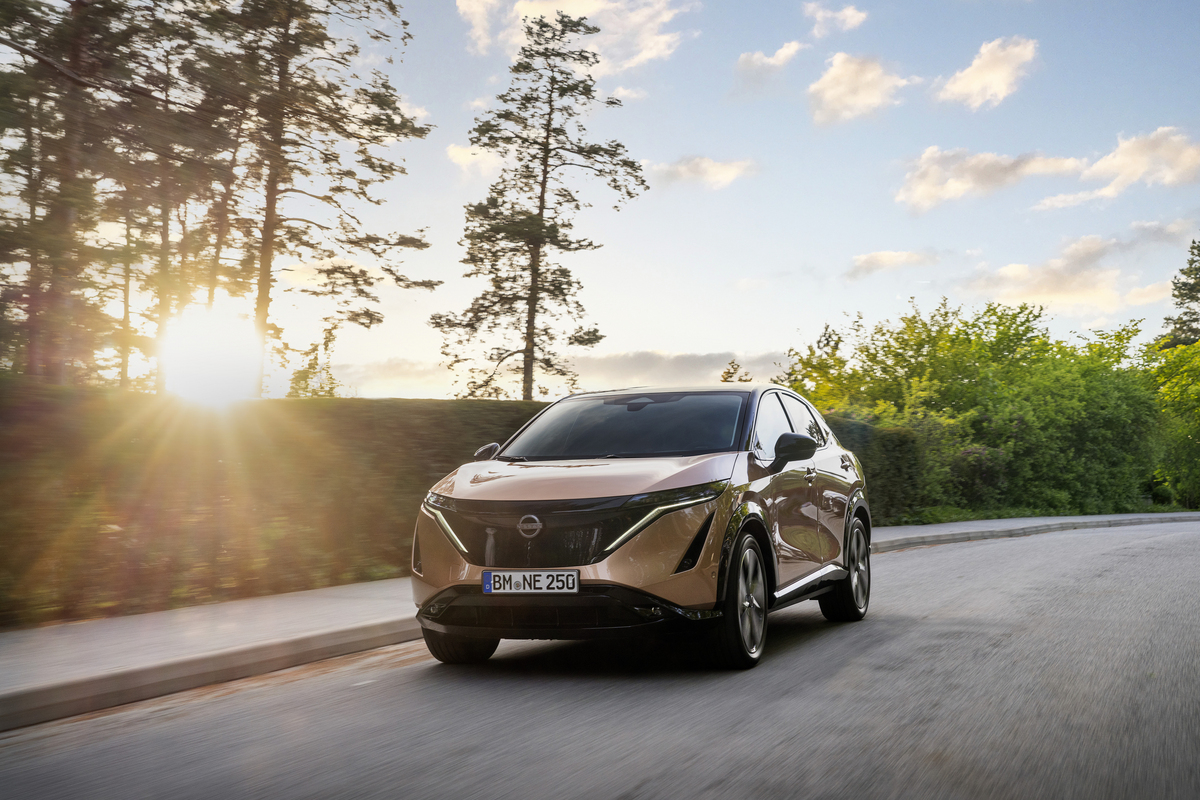
Modern cameras and parking assistance systems make parking safer and easier. Failure of these systems is a serious problem for many motorists. Failed reversing cameras and faulty parking sensors create safety risks. They also lead to expensive damage. These problems occur regularly with various car brands, including the Nissan Ariya, where owners report faults in the advanced camera system. In this article, you will discover why these systems fail, what the costs are and how to prevent problems.
How parking assistance systems work
Cameras and parking assistance systems combine multiple technologies. They give you a complete view of the surroundings around your car. The Intelligent Around View Monitor system, as found in modern cars, uses cameras in the windscreen, door mirrors and behind the number plate. These cameras create a 360-degree bird’s-eye view on the screen.
Parking sensors work with ultrasonic signals. These signals detect obstacles. The sensors are integrated into the front and rear bumpers. They emit a beeping sound when you get too close to an obstacle. This signal speeds up as the distance decreases. Moving Object Detection builds on this. This system recognises moving objects, such as pedestrians or bicycles. When it detects one, a yellow frame appears on your screen.
The system activates automatically when you shift into reverse. This happens at speeds below 8 kilometres per hour. You can also manually switch between different views. Press the camera button to do this. The cameras support additional safety systems such as Rear Cross Traffic Alert (warning for crossing traffic behind the car) and automatic emergency braking functions.
‘ Dirt, mud or snow on the camera lens is the most common reason. ’
Causes of reversing camera failure
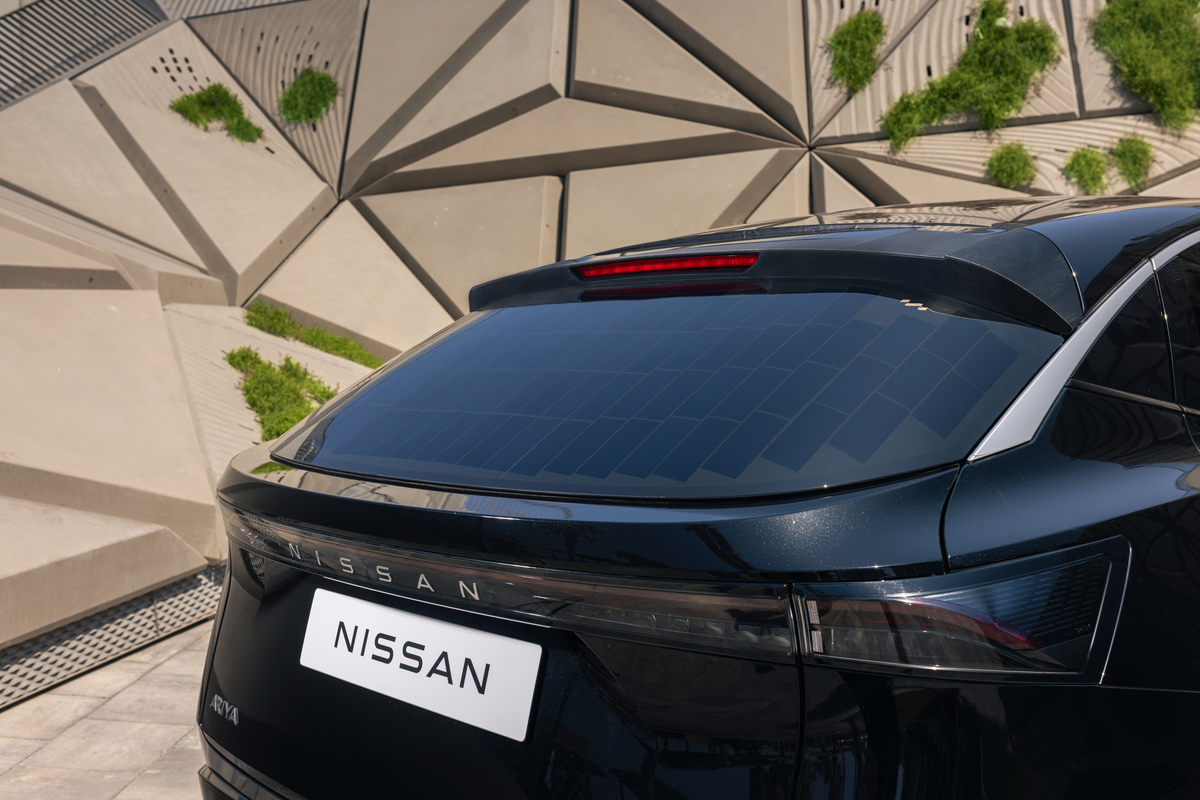
A black screen or distorted image points to several possible causes. Dirt, mud or snow on the camera lens is the most common reason. This causes failure. The camera is often located directly behind the number plate or in the bumper, exactly where a lot of dirt ends up while driving.
Damaged seals around the camera are the cause of moisture problems. Water then penetrates the housing. This causes corrosion and short circuits. This problem occurs especially after car washes with high-pressure washers or during periods of heavy rain. Faulty wiring is another common problem. The cables run from the camera to the display. They become damaged by vibrations, rodents or wear and tear.
Software problems in the infotainment system are also a cause. A software update sometimes results in a system that is not configured correctly. This causes a black screen. The camera itself still works fine. In some cases, the camera is permanently defective. This is due to an internal fault. The image sensor or processing electronics cause the problem.
Steps to check yourself
Start by cleaning the camera lens with a soft cloth and lukewarm water. Check whether the image returns afterwards. Inspect the camera for visible damage. Pay attention to the housing. Look for cracks in the seal. Restart the infotainment system. Switch off the engine. Wait five minutes. Start again.
Check the camera fuses. You can find the location of these fuses in your car’s owner’s manual. You can easily replace a blown fuse yourself. Do these steps not help? Professional diagnosis is then required. A specialist will identify the exact cause.
Parking sensors and detection systems in case of faults
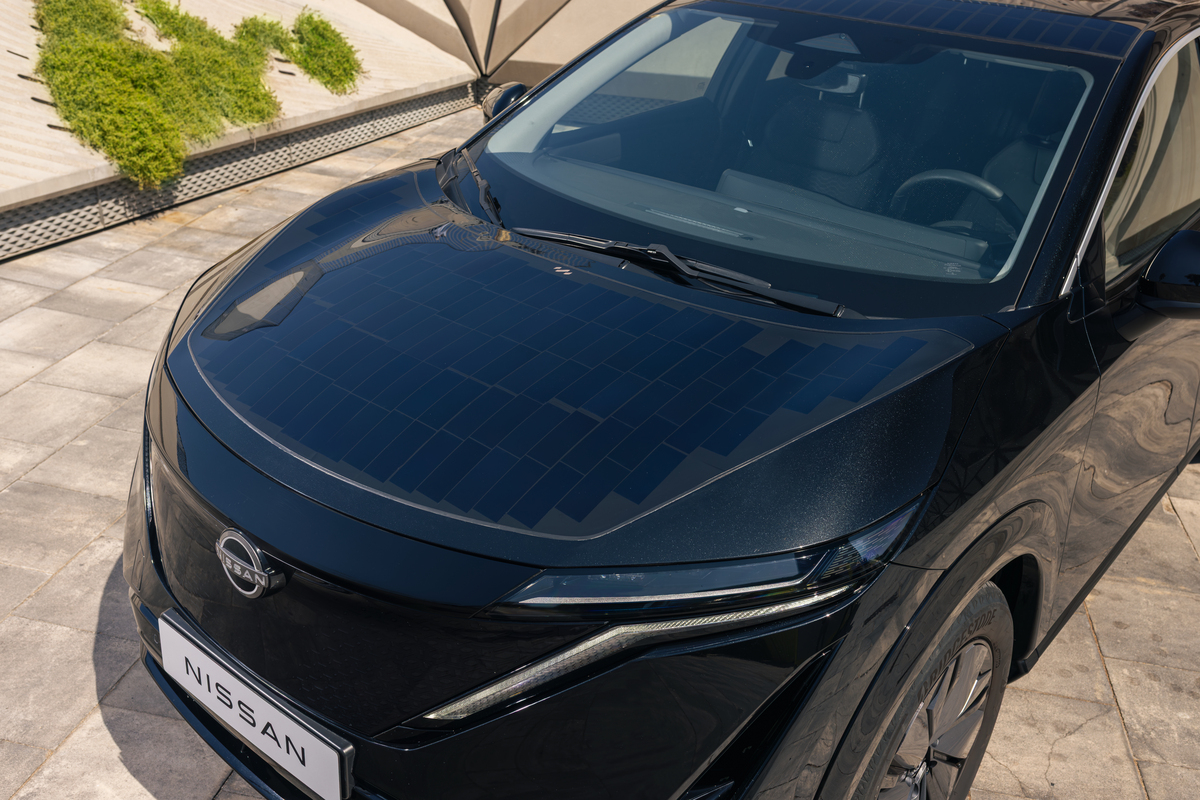
Parking sensors sometimes give beeping warning signals. There are no visible obstacles. This indicates faulty sensors. Dirt sticks to the sensor. This causes the problem. Damage while parking is another cause. Moisture ingress can cause a sensor to fail. Internal electrical defects also cause malfunctions.
Some sensors become more sensitive over time. They trigger false alarms. The calibration is no longer correct. Corrosion affects the sensitivity. Sensors in the front bumper suffer more from stone chips. As a result, they fail faster than the sensors at the rear.
Problems can arise with Moving Object Detection. The system interprets reflections on wet road surfaces or glass as moving objects. This is not a fault. It is a limitation of the technology. You can switch this system off in familiar environments. This prevents unnecessary warnings.
Costs of repairing camera systems
Repair costs vary greatly. The type of problem and the car brand determine the price. A simple cleaning at the dealer costs between 50 and 150 euros. A software update costs the same. Replacing a single camera usually ranges between 300 and 800 euros, including labour.
For complex systems, the costs increase. The 360-degree Intelligent Around View Monitor is one such system. It uses multiple cameras for a complete bird’s-eye view. A complete camera replacement kit costs between 1,000 and 2,500 euros. The number of cameras determines the price. Integration with other safety systems also plays a role. Labour costs are added on top. Dismantling and calibration can add up to several hundred euros.
Faulty parking sensors are cheaper to replace. A single sensor costs between 50 and 150 euros. Replacing multiple sensors at once is more cost-effective. Labour costs are lower. Calibration of the system after replacement costs extra. Expect to pay between 80 and 200 euros.
In case of damage to the wiring, costs increase. Tracing and replacing cables is labour-intensive. This costs between 200 and 600 euros. The location of the damage determines the price. The accessibility of the wiring also plays a role.
‘ The entire camera has to be replaced. ’
Common problems in the Nissan Ariya
Owners of the Nissan Ariya regularly report problems with the Intelligent Around View Monitor system. The screen goes black. The image freezes. This occurs after software updates. Cold weather conditions also cause this. The cause often lies in communication problems. The cameras and the central processing system do not work together properly.
The Moving Object Detection system sometimes gives false warnings. This happens in car parks with a lot of movement. Reflective surfaces also cause it. This is annoying but does not necessarily indicate a fault. Adjusting the sensitivity settings in the menu reduces this.
Some users experience that the cameras become less sharp over time. The lens coating deteriorates. This mainly happens with the front camera. It is exposed to stone chips. Replacing just the lens is usually not possible. The entire camera has to be replaced.
Calibration problems also occur after repairs or collisions. The cameras must be at the correct height and angle. This is how they create a correct bird’s-eye view. Incorrect calibration leads to a distorted image. This actually makes parking more difficult. Professional calibration with laser equipment is then necessary.
Tips for maintenance and prevention
Clean the camera lens and sensors regularly. This is especially important in winter. Salt and mud then accumulate. Use only soft cloths. Abrasive products damage the lens. Check the seals around the cameras annually. Look for small cracks or loose areas.
Be careful when using high-pressure washers during washing. Do not direct the jet straight at cameras or sensors. The water pressure damages seals. Preferably use a soft sponge for these sensitive components.
Keep your infotainment system software up to date. Manufacturers regularly release updates. These updates fix bugs. They improve the performance of cameras and sensors. Check the manufacturer’s website. Ask about available updates during servicing.
Practise with the camera system in an empty car park. This way you learn to trust the display. You will also quickly notice when something is not working properly. Watch out for irregularities in the image. Pay attention to delayed display. These are early signs of problems.
Do you touch obstacles in minor collisions? Always have the cameras and sensors checked. This is necessary even if there is no visible damage. Internal damage will otherwise go unnoticed. So will shifted positions. The system can then fail completely.
When professional help is needed
Does the camera keep failing after cleaning and restarting the system? Then have the problems investigated quickly. Delaying makes the problem worse. This applies especially in the case of moisture ingress. Water damage spreads. It affects other electrical systems.
Error codes on the dashboard indicate problems with the parking system. These require professional diagnosis. The codes often provide specific information. You will find out which component is causing the problem. A specialist garage reads out these codes. The garage interprets them using the right equipment.
After a repair or replacement, calibration is necessary. This ensures correct operation. You do not carry this out yourself. Specific equipment is required for this. Manufacturers prescribe exact procedures. The car must stand at certain distances from markers. Cameras are adjusted to within a millimetre.
When having repairs done, preferably choose a main dealer. A specialist garage with experience in modern camera systems is also a good option. Incorrect repairs lead to persistent malfunctions. The use of non-original parts does as well. You will lose warranty cover on other components.
‘ These make modern cars safer and more user-friendly. ’
Discover more on Carnews
Cameras and parking assistance systems are part of a wider range of technologies. These make modern cars safer and more user-friendly. On the Carnews website you will find much more information about advanced driver assistance systems. You will also find maintenance tips. There are in-depth articles about specific car problems. Discover which solutions are available for your car brand. Stay up to date with developments in automotive technology.
Frequently asked questions
Aftermarket systems often offer more choice, lower prices and extra features, but integration with the infotainment system, the finish and reliability are usually poorer than with factory-fitted systems. Factory solutions work seamlessly together with other assistance systems (such as a 360° camera, parking sensors and emergency brake assist), are better calibrated and aesthetically integrated, but more expensive and less flexible. For a car enthusiast who values driving experience as well as a tidy, well-functioning system, a factory-fitted system generally offers the best balance. Only with an older model without a good factory option can a high-quality aftermarket system be more attractive.
Advanced parking assistance systems reduce stress and make parking in tight spaces much easier and safer, because you have a better overview and are less dependent on just mirrors and judgement. At the same time, the feel of the car can become a little more abstract, because you rely less on your own spatial awareness and vehicle control. Many drivers therefore experience more comfort and confidence when manoeuvring, but purists may find it less “pure” or involving. In practice, most drivers opt for a mix: using the system as an extra set of eyes, while still keeping the final feel and control themselves.
Pay particular attention to light sensitivity and sensor resolution (large pixels, high dynamic range) so that the system continues to see well in low light, backlight and on wet roads. Choose a system with advanced image processing, such as HDR, noise reduction and mist/rain correction, and check whether it has been explicitly tested for night and bad weather. Water and dust resistance (for example IP rating) and heated or coated lenses help against rain, condensation and dirt on the camera. Finally, a wide field of view, 360° display and reliable detection/warning algorithms (e.g. for moving objects) are crucial for safety in challenging conditions.
The most important considerations are technical compatibility (12V onboard voltage, available space behind the bumper or in the grille), avoiding irreversible modifications to the bodywork or interior and routing the cabling safely without damaging original wiring looms. Ideally, choose systems that can be mounted on existing mounting points or number plate fixings, so that drilling into body panels is not necessary. Preserve the original aesthetics by integrating sensors and cameras discreetly into existing lines, trim strips or black plastic parts and by placing buttons/displays in inconspicuous locations (glove compartment, ashtray, existing switches). Make all additions reversible so that the car can always be returned to its original state.
There are high-quality DIY systems (aftermarket cameras and parking aids) that can technically meet the demands of a discerning car enthusiast, provided you choose A-brand hardware and a well-matched, vehicle-specific kit. Even so, professional installation is often recommended because of correct positioning, watertight cabling, integration with existing electronics and the necessary calibration. For those who are very technically skilled and have the right tools and diagrams, self-installation can be a fully-fledged alternative. In all other cases, professional installation usually delivers a more reliable result and less chance of malfunctions.